
The name Dennis Wilson evokes a complex tapestry of sun-drenched melodies, raw artistic vulnerability, and ultimately, a poignant tragedy. As the sole authentic surfer and drummer for The Beach Boys, Dennis was the embodiment of the band’s early image, a vibrant, restless spirit whose life was as turbulent and beautiful as the ocean waves he so adored. His journey, marked by soaring musical highs and devastating personal lows, culminated in a untimely death that left fans and critics alike pondering the what-ifs. But beyond the biographical details, Dennis Wilson’s story offers a compelling lens through which to examine enduring themes relevant to our modern world: the intricate dance of personal branding, the often-unseen financial currents of the entertainment industry, and the ever-evolving role of technology in shaping and preserving artistic legacies.
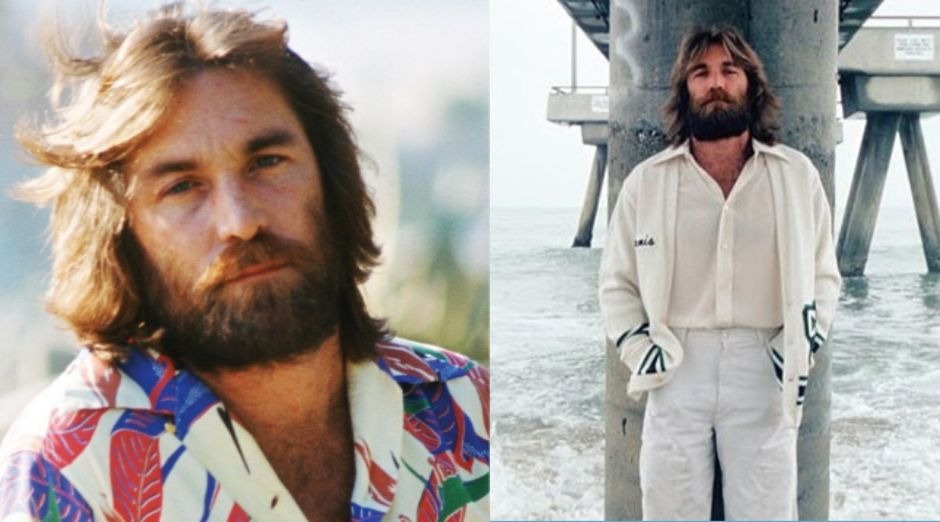
This article delves into the enigmatic life and legacy of Dennis Wilson, dissecting his impact not just as a musician, but as a compelling case study in the intersection of creativity, commerce, and contemporary digital landscapes. We will explore how his personal narrative, his contributions to one of the most iconic bands in history, and the tragic circumstances of his demise resonate with principles of brand management, financial literacy, and technological preservation, making his story far more than a historical footnote—it’s a vibrant, cautionary, and inspiring tale for the digital age.
The Maverick of Melody: Crafting a Musical Legacy in a Shifting World
Dennis Wilson was never content to merely keep time. From the very beginning, his presence was distinct. While his brothers and cousin crafted the intricate harmonies and Brian Wilson orchestrated the studio magic, Dennis provided the visceral, authentic link to the burgeoning surf culture that birthed The Beach Boys. His life, and ultimately his music, was a continuous exploration of authenticity, rebellion, and a profound, if often chaotic, search for meaning.
The Beach Boys Brand: Sun, Surf, and Subversion
The Beach Boys, as a corporate and cultural entity, are one of music’s most enduring brands. Initially, their brand identity was meticulously crafted: clean-cut boys singing about cars, girls, and waves. Dennis, however, was the genuine article, the only actual surfer in the band. This authenticity lent credibility to their early image, a crucial element for any emerging brand. His rugged good looks and wilder demeanor subtly infused the band’s wholesome image with an edge, making the brand more relatable to a wider, aspirational youth culture.
As the band evolved, so too did its brand. Brian Wilson pushed sonic boundaries, but Dennis, particularly with his 1977 solo album Pacific Ocean Blue, carved out his own distinct artistic identity that both complimented and diverged from the main Beach Boys brand. Pacific Ocean Blue was a masterclass in emotive, orchestral pop, showcasing a sensitive, introspective side that contrasted sharply with the often-upbeat Beach Boys persona. This solo venture was a strategic, albeit unplanned, diversification of the ‘Wilson’ musical brand, demonstrating his capacity for independent creative vision. It proved that the individual components of a collective brand can possess significant value and distinct appeal, even while operating within the shadow of a larger, more famous entity. His personal brand became synonymous with raw talent, a bohemian lifestyle, and a genuine, albeit troubled, artistic soul. This individual branding, while perhaps not always financially lucrative at the time, has certainly contributed to his enduring cult status and the band’s overall mystique.
Echoes in the Studio: Technology and Sound Evolution
The 1960s and 70s were revolutionary decades for music technology, and The Beach Boys were at the forefront of this transformation. From early multi-track recording to sophisticated mixing boards, the evolution of studio tech directly shaped their iconic sound. Brian Wilson was the undeniable studio wizard, but Dennis, too, was immersed in this technological frontier. His drumming style, often characterized by its powerful, yet nuanced feel, was captured and enhanced by the recording technologies of the era. Microphones, early effects units, and complex mixing techniques allowed for the creation of their layered vocal harmonies and intricate instrumental arrangements.
Consider the leap from rudimentary four-track recorders to eight-track, then sixteen-track systems. Each technological advancement opened new possibilities for sonic exploration, allowing for the meticulous construction of albums like Pet Sounds and SMiLE. Dennis’s contributions, whether through his driving drumbeats or his later, more atmospheric songwriting, were amplified by these tools. Today, the digital preservation of these master recordings is a monumental task. Advanced audio restoration software, AI-driven sound separation, and high-resolution digital archiving ensure that the fidelity of these classic tracks, including Dennis’s seminal Pacific Ocean Blue, can be experienced by new generations with unprecedented clarity. Technology not only helped create the sound but now ensures its longevity, making Dennis’s musical legacy accessible across countless digital platforms and devices, from streaming services to high-fidelity audio systems.
Navigating the Tides: Personal Brand, Finance, and the Digital Age
Dennis Wilson’s life was a testament to the intoxicating allure and inherent perils of fame. His journey encapsulates the complexities of managing a personal brand within a globally recognized group, the volatile financial landscape of the music industry, and the enduring power of a legacy in an increasingly digital world.
The Cost of Authenticity: Money and the Musician’s Life
The Beach Boys were a commercial powerhouse, selling millions of records and commanding massive appearance fees. However, the financial realities for individual band members, particularly in the pre-digital era, could be surprisingly intricate. Royalties, publishing rights, touring expenses, and management fees all factored into the personal wealth of artists like Dennis Wilson. While he enjoyed periods of immense affluence, his famously lavish and often self-destructive lifestyle, coupled with business ventures that sometimes faltered, made long-term financial stability a challenge.
The stories of rock stars’ financial woes are legendary, often stemming from poor management, extravagant spending, or simply a lack of financial literacy regarding complex contracts and revenue streams. For Dennis, the “money” aspect was intertwined with his personal brand—the free spirit who lived intensely, seemingly unbound by conventional prudence. This wild persona, while appealing, often translated into financial decisions that weren’t always sustainable. In today’s digital economy, artists have more tools than ever to manage their finances, from personal finance apps to sophisticated royalty tracking software and direct-to-fan monetization platforms. Had these tools existed in his prime, perhaps Dennis might have navigated his wealth with greater foresight, mitigating some of the financial pressures that often exacerbated his personal struggles. The lesson here extends beyond rock stars: understanding the business side of any creative endeavor is paramount for long-term financial well-being.
Dennis’s Personal Brand: The Unfiltered Soul
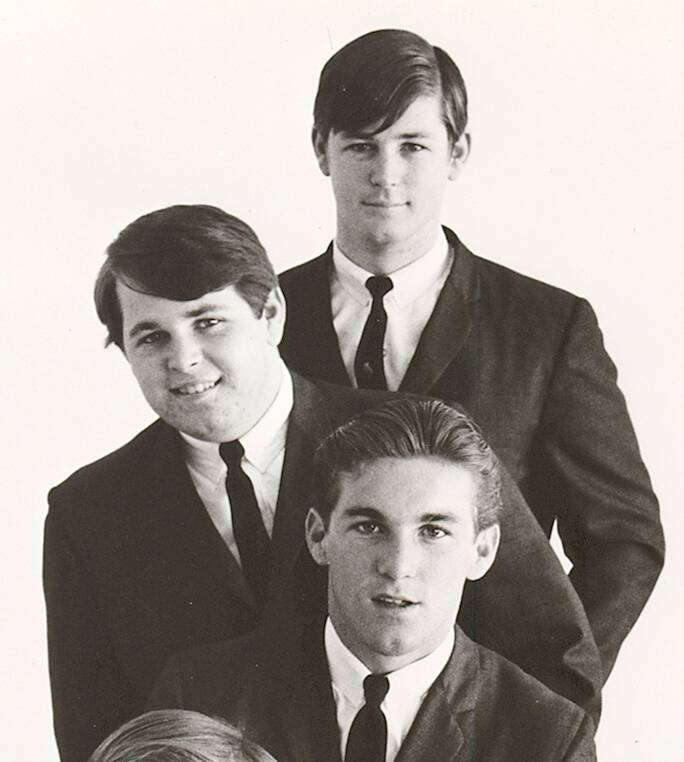
Beyond the music, Dennis Wilson cultivated a personal brand that was undeniably captivating. He was the Beach Boy who truly lived the “California Dream,” but with a darker, more philosophical edge. His reputation as a ladies’ man, his association with figures like Charles Manson (a controversial chapter that undeniably shaped his later image), and his struggle with addiction all contributed to a complex, often contradictory, personal brand. He was seen as the “rebel,” the “poet,” the “troubled genius.” This unfiltered authenticity, while endearing to many, also made him vulnerable.
In the age of social media and ubiquitous personal branding, Dennis’s story is particularly relevant. His public image, often shaped by media narratives and personal anecdotes, was raw and unpolished, a stark contrast to the carefully curated personas common today. His openness, though at times detrimental, also fostered a deeper connection with fans who appreciated his honesty. His personal brand was organic, evolving with his life’s triumphs and tragedies. This authentic, if imperfect, brand has paradoxically solidified his legacy, making him not just a musician, but a cultural icon whose life serves as a compelling narrative. His story reminds us that while deliberate branding can shape perception, genuine human experience, flaws and all, often leaves the most lasting imprint.
Digital Footprints: Preserving a Legacy in the Tech Era
The internet and digital technologies have fundamentally reshaped how we access and interact with musical legacies. For Dennis Wilson, whose life ended before the digital revolution, these technologies are crucial for keeping his memory and music alive. Streaming platforms like Spotify and Apple Music ensure Pacific Ocean Blue and his contributions to The Beach Boys are just a click away, generating royalties for his estate and introducing his work to new listeners globally. YouTube hosts countless documentaries, interviews, and fan analyses, deepening public understanding of his artistry and life.
Furthermore, advanced digital archiving projects are meticulously preserving master tapes, photographs, and historical documents, ensuring that every nuance of his creative output and personal story is safeguarded. AI-powered tools can even clean up old recordings, separating instruments and vocals, offering new ways to appreciate his performances. Social media communities dedicated to Dennis Wilson keep discussions alive, sharing rare photos, unreleased tracks, and personal reflections, transforming his legacy into an active, evolving narrative. This digital footprint ensures that “what happened to Dennis Wilson” is not just a historical question but an ongoing exploration, continuously recontextualized and appreciated through the powerful lens of modern technology. His presence online, though posthumous, is vibrant, testament to the enduring power of art coupled with digital preservation.
The Final Plunge: A Tragic End and Enduring Impact
Dennis Wilson’s life was a roller coaster of exhilarating highs and devastating lows. His story reached its tragic crescendo on December 28, 1983, when he drowned while diving for discarded personal items off a boat in Marina del Rey, California. His death, just weeks after his 39th birthday, cemented his legend as a rock and roll casualty, but also solidified his unique place in music history.
The Unforeseen Collapse: Lifestyle, Health, and Reputation
Dennis Wilson’s long-standing struggles with drug and alcohol addiction were well-documented and tragically contributed to his early demise. His lifestyle, while initially romanticized as part of his “maverick” personal brand, eventually spiraled into a destructive pattern that impacted his health, relationships, and professional commitments. The entertainment industry, particularly in the 60s and 70s, often lacked the support systems and understanding of addiction and mental health that are slowly becoming more prevalent today.
His declining health and erratic behavior unfortunately cast a shadow on his reputation in his later years. This serves as a stark reminder of the delicate balance between personal freedom and self-preservation, especially for public figures. Could modern technology and advancements in addiction treatment have offered a different outcome? Telemedicine, AI-driven predictive analytics for mental health crises, and personalized digital therapy platforms offer support systems unimaginable in Dennis’s era. While speculative, it highlights how technological progress in healthcare and mental well-being could potentially alter life trajectories for individuals struggling with similar challenges today, impacting not just their personal lives but also the sustainability of their brand and financial stability.
Posthumous Brand Building and Financial Legacies
Dennis Wilson’s death, while tragic, undeniably elevated his status from a troubled Beach Boy to a rock and roll legend. The romanticized narrative of the “lost artist” or “cursed genius” often takes hold posthumously, shaping an artist’s brand for eternity. His solo album, Pacific Ocean Blue, which had a modest initial reception, gained significant critical acclaim and cult status after his death, selling far more copies and influencing subsequent generations of musicians. This posthumous appreciation has tangible financial implications for his estate through ongoing royalties and licensing.
The Beach Boys brand itself, though forever changed by his absence, continued to thrive. Dennis’s story became an integral, albeit somber, part of the band’s rich narrative. The financial legacy for his heirs, built on publishing rights, royalties, and the continued sale of his music, remains a testament to the enduring commercial power of a significant artistic contribution. His brand, once complex and at times contradictory in life, achieved a kind of iconic clarity in death, cementing his place as an unforgettable figure whose contributions continue to resonate both artistically and commercially.

Conclusion
“What happened to Dennis Wilson?” is a question that transcends the simple facts of his biography and tragic end. It invites a deeper exploration into the forces that shape creative lives: the allure and peril of personal branding, the often-treacherous currents of financial success, and the powerful, evolving role of technology in both creating and preserving artistic legacies.
Dennis Wilson was more than just a drummer; he was the beating heart of The Beach Boys’ early surf mythos, a sensitive songwriter whose solo work hinted at profound depths, and ultimately, a cautionary tale of a brilliant talent consumed by his own demons. His journey illustrates how a personal brand, whether cultivated or accidental, can define perception and impact both commercial success and personal well-being. It underscores the importance of financial literacy even amidst the whirlwind of rock stardom. And crucially, it highlights how technological advancements, from recording studios of the past to digital archiving and streaming platforms of the present, are vital arteries in the circulation of an artist’s work, ensuring their “digital footprint” endures far beyond their physical presence.
His story reminds us that behind every iconic melody and sun-drenched image lies a human being, grappling with the complexities of fame, fortune, and self-expression. Dennis Wilson’s legacy continues to resonate, not just in the timeless harmonies of The Beach Boys, but as a compelling narrative that offers profound insights into the interconnected worlds of art, commerce, and technology – a narrative that remains as relevant today as the waves he so dearly loved.
aViewFromTheCave is a participant in the Amazon Services LLC Associates Program, an affiliate advertising program designed to provide a means for sites to earn advertising fees by advertising and linking to Amazon.com. Amazon, the Amazon logo, AmazonSupply, and the AmazonSupply logo are trademarks of Amazon.com, Inc. or its affiliates. As an Amazon Associate we earn affiliate commissions from qualifying purchases.