
When Storage Wars debuted on A&E in 2010, it didn’t just introduce audiences to the world of unpaid storage locker auctions; it launched several distinct personal brands into the cultural zeitgeist. Chief among them was Dave Hester, known colloquially as “The Mogul.” While other cast members focused on the “treasure hunt” aspect of the show, Hester leaned heavily into a specialized niche: the antagonist.
The question of “what happened to Dave” is not merely a piece of reality TV trivia. It is a compelling case study in brand strategy, personal positioning, and the risks of tethering a personal identity to a corporate entity. From his signature “YUUUP!” catchphrase to his high-profile legal battles with A&E, Hester’s trajectory offers vital lessons for entrepreneurs and brand managers on how to build, protect, and pivot a professional persona.

The Architecture of the “YUUUP!” Personal Brand
In the world of personal branding, a “signature” is often the difference between being a temporary personality and a lasting icon. Dave Hester understood early on that in a crowded field of bidders, he needed a unique identifier that was both audible and marketable.
The Power of the Trademarked Catchphrase
Hester’s “YUUUP!” was more than just an auction bid; it was a rhythmic disruption. From a brand perspective, the catchphrase served as an audio logo. It was aggressive, recognizable, and annoying to his competitors—which was exactly the point. By trademarking the phrase and plastering it across apparel and merchandise, Hester transformed a functional vocalization into a revenue stream. This demonstrates a core tenet of brand strategy: the monetization of behavioral cues.
Market Differentiation Through “The Mogul” Persona
While other cast members like Barry Weiss focused on eccentricity or the Dotsons focused on industry expertise, Hester branded himself as the cold, calculating professional. His moniker, “The Mogul,” positioned him as the alpha in the room. This wasn’t accidental. In brand positioning, if you cannot be the most liked, being the most formidable is a powerful alternative. He didn’t seek the audience’s affection; he sought their attention through professional dominance.
Visual Consistency and Professionalism
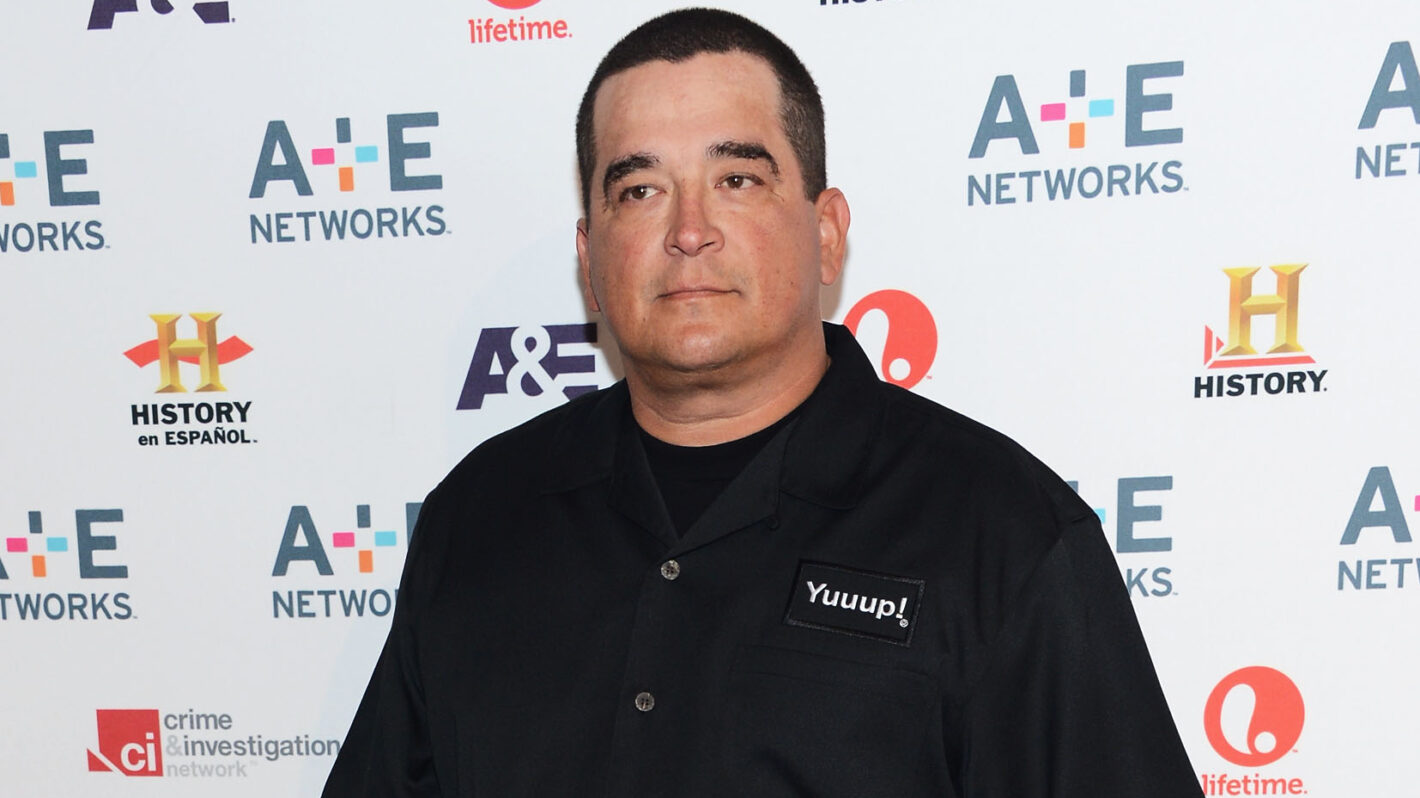
Hester rarely deviated from his brand uniform: black shirts often adorned with his own logo and a stern, unshakeable demeanor. This level of visual consistency is foundational in corporate identity. It signals reliability and a lack of volatility in the brand’s core values, even if those values are rooted in being a “villain.”
Conflict as a Brand Strategy: Navigating the Villain Arc
Most personal brands strive for likability. However, Hester utilized a “Negative Positioning” strategy. In marketing, being the antagonist is a high-risk, high-reward move that ensures you are the center of the narrative.
The Psychological Hook of the Antagonist
Every story needs a foil. By leaning into his role as the man everyone loved to hate, Hester ensured his longevity on the show. From a brand management standpoint, Hester understood that engagement—even if driven by frustration—is more valuable than being ignored. He forced the other “characters” to react to him, thereby controlling the pace and tone of the episodes.
Creating Competitive Friction
Hester’s strategy often involved bidding up his competitors just to force them to pay more, a move that highlighted his “Mogul” brand of financial ruthlessness. This reinforced his market position as someone who wasn’t just there to buy lockers, but to dominate the industry landscape. For brand strategists, this is a lesson in how “brand behavior” must align with “brand promise.” Hester promised to be a mogul, and his actions in the auction trenches consistently delivered on that promise.
Maintaining Brand Authenticity Amidst Scripted Drama
Even within the confines of reality TV, Hester maintained a level of brand authenticity that felt “real” to the viewers. Whether he was actually as cold-hearted as he appeared or simply playing a part, the brand remained seamless. This consistency is what allowed him to maintain a loyal following of people who respected his business acumen, even if they disliked his methods.
The A&E Lawsuit: A Masterclass in Brand Protection and Risk
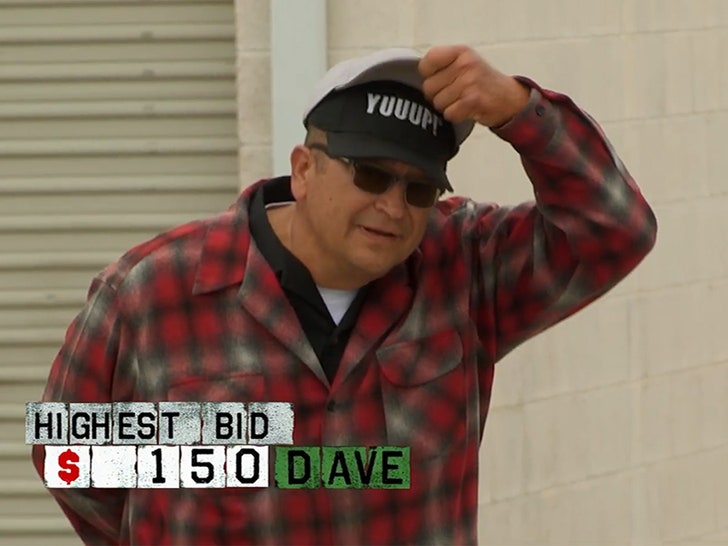
In 2012, the Dave Hester brand faced its greatest challenge. Hester was fired from Storage Wars after alleging that the show’s producers “staged” lockers—planting valuable items to create better television. This led to a multi-million dollar wrongful termination lawsuit.
When Personal Brand Identity Clashes with Corporate Interests
Hester’s decision to blow the whistle was a massive gamble for his brand. On one hand, it reinforced his brand as a “straight shooter” who valued the integrity of the auction process. On the other, it alienated him from the platform that gave him his reach. This highlights a critical junction in brand strategy: determining when the integrity of the personal brand outweighs the benefits of a corporate partnership.
The Legal Battle as a Brand Narrative
The lawsuit, while costly (Hester was eventually ordered to pay A&E’s legal fees for a portion of the suit), served to harden his brand image. He wasn’t just a TV star; he was a disruptor who was willing to take on a media giant. For his core audience of independent business owners and “blue-collar” entrepreneurs, this move added a layer of “renegade” credibility to his persona.
The Return: Brand Rehabilitation and Resilience
Remarkably, Hester returned to Storage Wars in Season 5. This return was a testament to the power of his brand. A&E recognized that despite the legal animosity, the “Dave Hester Brand” was an essential ingredient for the show’s ratings. It was a rare instance of a brand becoming so essential to a platform that even litigation couldn’t permanently sever the tie.
Post-Storage Wars: Diversification and Brand Longevity
In the years following his most active periods on television, what happened to Dave Hester? He did what any savvy brand strategist does: he diversified his assets and returned to his core business.
From TV Persona to Industry Authority
Hester didn’t disappear when the cameras slowed down. Instead, he transitioned back into his primary field—professional auctioneering. By operating “Dave Hester Auctions,” he leveraged his celebrity to build a legitimate B2B service. This is the ultimate goal of personal branding: using fame as a lead-generation tool for a sustainable, non-media business.
Leveraging the Digital Footprint
Hester continues to use social media and his personal website to sell “YUUUP!” merchandise and promote his auction services. He has successfully moved his audience from a cable TV network to his own owned-media channels. This shift from “rented” attention (A&E) to “owned” attention (his website and social platforms) is a fundamental shift that every modern brand must make to ensure longevity.
Niche Mastery and Geographic Positioning
By focusing his auction efforts primarily in California and the Southwest, Hester has maintained a localized dominance. He hasn’t tried to be everything to everyone; he has remained a specialist. In brand strategy, “niching down” allows for higher margins and stronger authority, which Hester has maintained in the industrial and storage auction world.
Lessons in Brand Longevity for Modern Entrepreneurs
The story of Dave Hester on Storage Wars is a blueprint for how to handle the “villain” persona and how to survive the volatility of the attention economy.
1. Own Your Intellectual Property
Hester’s early move to trademark “YUUUP!” saved his brand from being absorbed by the network. Entrepreneurs should always identify their unique “value signals” and protect them legally. Your brand is your most valuable asset; treat it with the same legal rigor as a physical product.
2. Consistency is More Important than Likability
In a world of “cancel culture” and fleeting trends, being consistent allows an audience to know what to expect. Hester never tried to “soften” his image to win over fans. Because he was consistent, he was predictable—and in business, predictability builds trust, even if that trust is simply that you will always be the “bad guy.”
3. Have an Exit Strategy (The Pivot)
Hester always had a foot in the real world of auctioneering. When the TV show drama peaked, he had a business to fall back on. A personal brand should never be the end goal; it should be the vehicle that drives customers to a scalable business model.
4. Conflict Can Be a Catalyst
Don’t fear professional friction. Hester used conflict to stay relevant for over a decade. While you don’t need to sue your business partners, understanding how to stand your ground and differentiate yourself through opposition can be a powerful way to carve out a unique market position.
Dave Hester’s “YUUUP!” may have started as a simple bid, but it evolved into a multi-dimensional brand that survived lawsuits, industry shifts, and the fickle nature of fame. What happened to Dave? He proved that with a strong enough brand identity, you can survive almost any storm—and come out the other side as the same formidable “Mogul” you started as.
aViewFromTheCave is a participant in the Amazon Services LLC Associates Program, an affiliate advertising program designed to provide a means for sites to earn advertising fees by advertising and linking to Amazon.com. Amazon, the Amazon logo, AmazonSupply, and the AmazonSupply logo are trademarks of Amazon.com, Inc. or its affiliates. As an Amazon Associate we earn affiliate commissions from qualifying purchases.