
The reality television show Storage Wars built its reputation on the thrill of the hunt, the speculative purchase of unknown storage units, and the sometimes-heated interactions between its colorful cast of bidders. Among these personalities, Dave Hester, often dubbed “The Mogul,” stood out with his distinctive “Yuuup!” catchphrase and his aggressive, no-holds-barred approach to auctions. However, it wasn’t just his bidding style that garnered attention; a highly publicized legal dispute with the show’s producers over alleged fraud and wrongful termination cast a long shadow over his career and personal brand. This article delves into the aftermath of that contentious period, examining how Dave Hester navigated the challenges to his reputation and what became of his brand in the years following the Storage Wars saga.
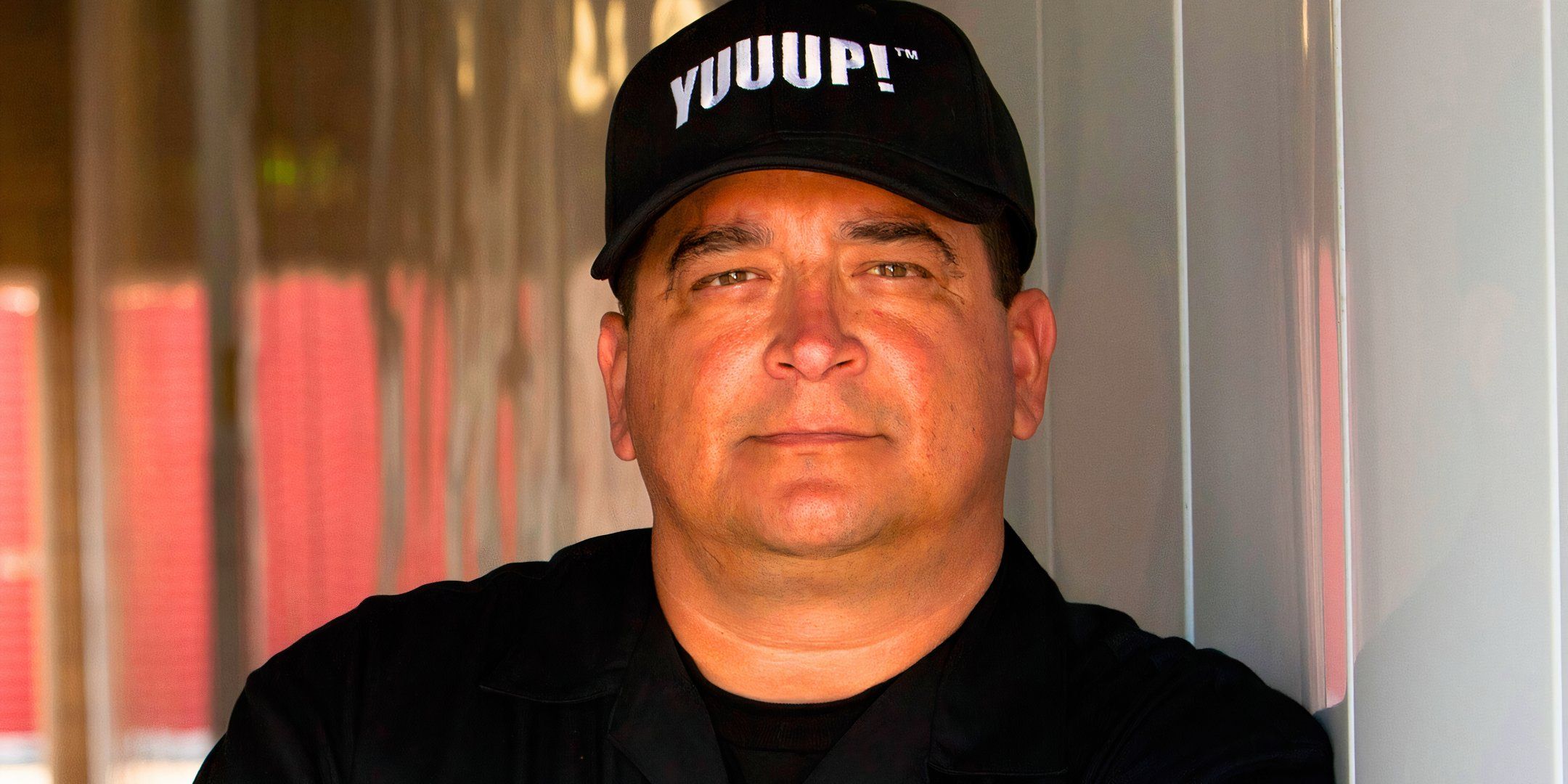
Rebuilding a Brand After Public Controversy
The fallout from Dave Hester’s legal battle with A&E and Storage Wars Productions was significant. Accusations of misrepresentation and manipulation, even if ultimately resolved without a definitive guilty verdict, leave an indelible mark on a public persona. For someone whose livelihood and appeal were intrinsically tied to their image as a shrewd businessman and a larger-than-life character, this controversy presented a critical juncture. The question wasn’t just about legal outcomes, but about the perception of Dave Hester as an individual and a brand.
Navigating the PR Storm and Legal Repercussions
Dave Hester’s departure from Storage Wars was far from amicable. His claims against the show, alleging that producers deliberately planted valuable items in units to inflate their value and mislead bidders, triggered a protracted legal battle. While the specific details of the settlements remain largely confidential, the public nature of these accusations inevitably led to a period of intense scrutiny. For any brand, particularly a personal brand built on authenticity and expertise, such allegations can be devastating. The media coverage, often sensationalized, painted a picture that could be at odds with the “Mogul” persona he had cultivated.
The legal proceedings themselves, regardless of their ultimate resolution, demanded a significant investment of time, energy, and resources. This diversion of focus meant that Dave Hester’s ability to actively engage in his core business activities, and therefore to proactively shape his brand narrative, was severely hampered. The perception of being involved in a lawsuit, especially one alleging unethical practices, can erode trust with fans and potential business partners alike. It forces a reassessment of his credibility, a crucial element for any successful brand in the competitive world of asset acquisition and resale.
The Importance of Brand Resilience in the Entertainment Industry
The entertainment industry, by its very nature, is susceptible to public opinion. Reality television, in particular, thrives on personality and often amplifies conflict. For individuals like Dave Hester, who became recognizable figures through such platforms, their personal brand is inextricably linked to their on-screen presence. When that presence is clouded by controversy, the resilience of the brand is tested.
Rebuilding a brand after a significant public dispute requires a multi-faceted approach. It involves not only addressing the immediate negative perceptions but also strategically demonstrating a commitment to integrity and rebuilding trust. This can manifest through a conscious effort to shift the narrative, focusing on past successes, demonstrating continued expertise, and engaging with audiences in a manner that emphasizes positive attributes. The ability to weather such storms and emerge with a relevant and respected brand is a testament to strong personal branding principles, even in the face of adversity.
The “Yuuup!” Beyond the Auction Block: Evolving the Personal Brand
Dave Hester’s “Yuuup!” became more than just a catchphrase; it was a brand identifier. It signified enthusiasm, confidence, and a signature style that resonated with viewers. After the legal entanglements, the challenge was to leverage this established brand equity while adapting to a new reality. The question became: could the “Yuuup!” transcend the Storage Wars platform and continue to define his brand in a post-controversy era?
Leveraging Established Recognition: Beyond Storage Wars
Following his departure from Storage Wars, Dave Hester’s brand needed to evolve beyond its direct association with the show. This involved exploring new avenues where his established recognition could be a valuable asset. His extensive experience in the world of auctions and storage unit acquisitions remained a core competency, and capitalizing on this expertise was a logical next step.
This evolution often involves diversifying revenue streams and media presence. For Dave, this could have included:
- Consulting and Expert Witness Services: His deep knowledge of the industry made him a valuable resource for others. Offering consulting services to aspiring buyers, auction houses, or even legal teams involved in similar disputes could have been a significant avenue. This leverages his expertise in a professional capacity, shifting the focus from his on-screen persona to his genuine industry acumen.
- New Media Ventures: The digital landscape offers unparalleled opportunities for personal brands. Dave could have explored creating his own online content, such as a YouTube channel dedicated to storage unit hunting tips, market analysis, or behind-the-scenes insights into the business. This allows for direct engagement with his audience and control over his narrative.
- Merchandising and Product Lines: The “Yuuup!” catchphrase, in particular, held significant merchandising potential. Developing branded merchandise – from t-shirts and hats to more specialized items related to the storage auction business – could have provided a tangible way for fans to connect with his brand and generate income.
- Appearances and Endorsements: While his Storage Wars days might have been over, his recognition as a personality still held value. He could have sought appearances on other shows, podcasts, or events related to collectibles, auctions, or entrepreneurial pursuits, carefully selecting opportunities that aligned with his desired brand image.
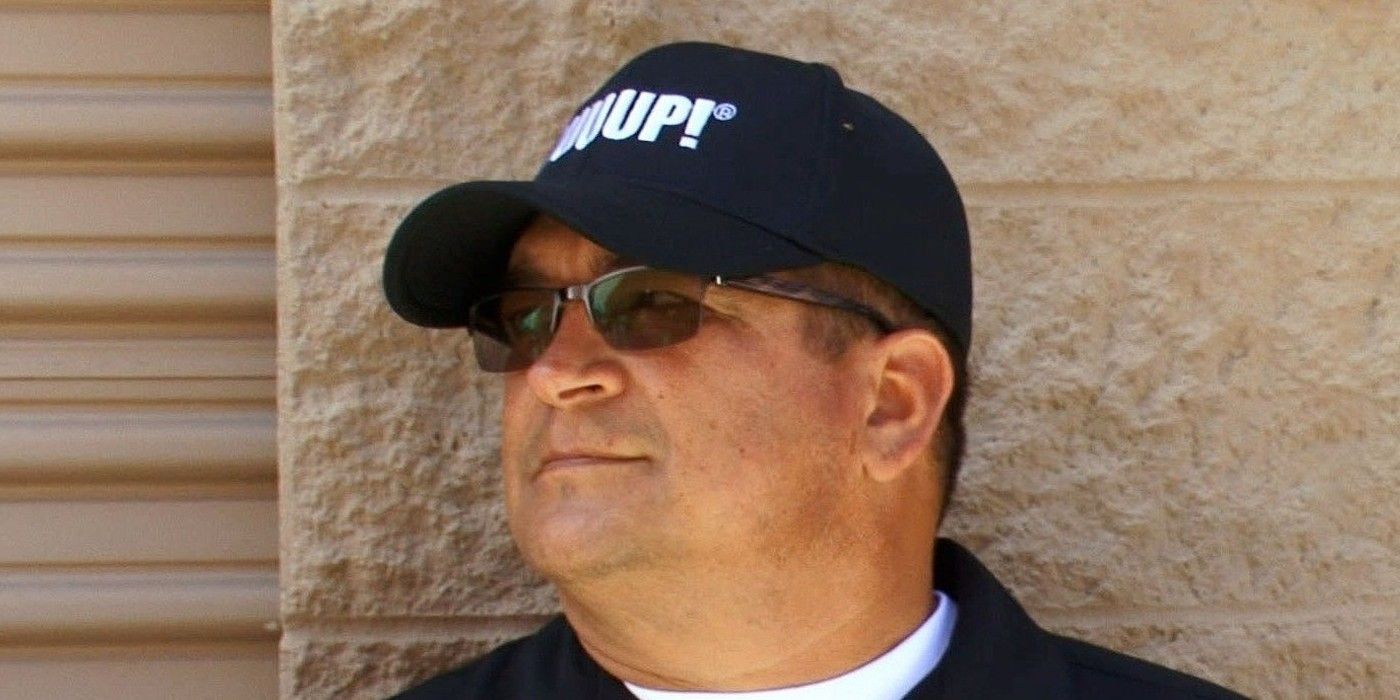
Adapting the “Yuuup!” for a New Chapter
The “Yuuup!” was a powerful auditory and emotional trigger for fans. The task for Dave Hester was to ensure this iconic element of his brand remained relevant without being solely tied to the past. This required a strategic recontextualization.
- Demonstrating Continued Success: The most potent way to revitalize a brand after controversy is to demonstrate continued success in its core area. If Dave continued to make profitable acquisitions and build his business, this would speak volumes louder than any public relations campaign. Sharing success stories, even if not televised, through social media or other platforms, can rebuild confidence.
- Focusing on Passion and Expertise: Shifting the narrative to highlight his genuine passion for the business and his deep well of knowledge can reframe his public perception. Emphasizing the thrill of discovery, the art of negotiation, and the satisfaction of turning forgotten items into valuable assets allows him to connect with audiences on a more substantive level.
- Engaging with the Community: Actively participating in industry events, connecting with other professionals, and engaging with his fan base through online channels can foster a sense of community and belonging. This allows him to control his interactions and build relationships based on shared interests and mutual respect.
- The “Yuuup!” as a Symbol of Resilience: In a new context, the “Yuuup!” could evolve to symbolize not just excitement for a find, but also the resilience and determination of the individual. It can represent overcoming challenges and continuing to pursue one’s passions with unwavering enthusiasm.
The Business of Brand Management: Dave’s Post-Controversy Ventures
Beyond the sensational headlines, the aftermath of the Storage Wars controversy necessitated a focus on the practicalities of business and brand management. For Dave Hester, this meant re-evaluating his professional landscape and strategizing for long-term viability, ensuring his brand remained a recognized and respected entity.
Diversification as a Brand Safeguard
In the wake of significant public scrutiny, diversification becomes a crucial strategy for brand safeguarding. Relying on a single platform or revenue stream can leave a brand vulnerable. For Dave Hester, this would have involved exploring multiple avenues to leverage his expertise and public recognition.
- Expanding Beyond the Auction Unit: While storage units were his initial claim to fame, a savvy brand manager would look to expand the scope of his business. This could involve investing in other areas of asset acquisition, such as estate sales, liquidations of businesses, or even the acquisition and resale of specific niche collectibles. This demonstrates a broader understanding of the market and reduces dependence on a single, potentially volatile, source of income.
- Developing Intellectual Property: The “Yuuup!” catchphrase itself is a form of intellectual property. Protecting and monetizing this, as mentioned earlier, through merchandise, licensing, or even branded content creation, offers a sustainable revenue stream. Furthermore, developing proprietary methods or strategies for storage unit acquisition and resale could be branded as unique “Dave Hester methods,” adding to his value proposition.
- Strategic Partnerships and Collaborations: Collaborating with other entrepreneurs, collectors, or businesses in related industries can open new doors and expand reach. This could involve joint ventures, co-branded products, or cross-promotional activities. Such partnerships, when carefully chosen, can lend credibility and introduce his brand to new audiences.
The Financial Implications of Brand Rehabilitation
The financial implications of brand rehabilitation are substantial. Rebuilding trust, re-establishing a positive public image, and developing new ventures all require investment.
- Investment in New Platforms and Marketing: To reach new audiences and re-engage existing ones, investment in digital marketing, website development, social media management, and potentially new content creation is essential. This allows him to control his message and present himself in a way that aligns with his revitalized brand.
- Legal and Public Relations Costs: Depending on the nature of the legal dispute, there could have been significant legal fees. Furthermore, proactive public relations efforts, such as hiring a PR firm or engaging in strategic media outreach, can be a necessary investment to counter negative narratives and promote a more positive image.
- The Long Game of Financial Recovery: Financial recovery after a major controversy is often a long game. It involves not just recouping losses but also building a more robust and diversified financial base. This requires discipline, strategic planning, and a willingness to adapt to market changes. The success of his ventures post-Storage Wars would directly contribute to his financial rehabilitation and the continued strength of his personal brand.
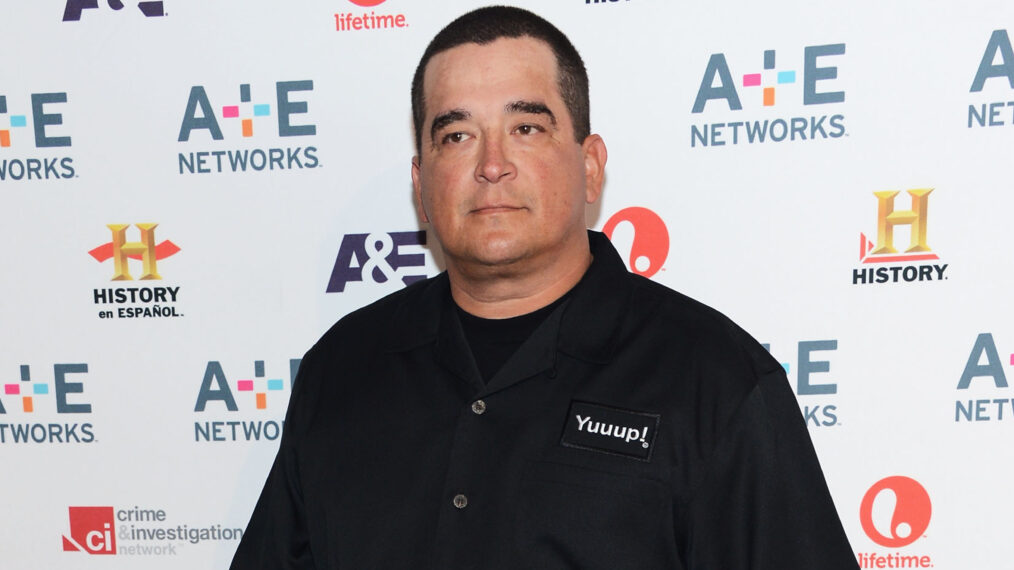
Conclusion: The Enduring Power of a Brand Persona
The story of Dave Hester after the fight on Storage Wars is a compelling case study in personal brand management. It underscores the volatile nature of fame, particularly within the realm of reality television, and the profound impact that public controversies can have on an individual’s career and reputation. Yet, it also highlights the inherent resilience of a well-established brand persona, provided there is a strategic approach to rehabilitation and evolution.
Dave Hester, through his distinctive personality and the iconic “Yuuup!” catchphrase, had cultivated a powerful and recognizable brand. The legal battles and public disputes presented a significant challenge, threatening to tarnish this hard-won identity. However, the path forward for any individual in such a situation lies in a deliberate and sustained effort to:
- Address and Reframe Narratives: While specific legal outcomes may be confidential, the public perception is paramount. Actively engaging in activities that demonstrate integrity, ethical conduct, and a return to core competencies is crucial for rebuilding trust.
- Leverage Existing Strengths: The established recognition and unique selling propositions, like the “Yuuup!”, remain valuable assets. The key is to find new and relevant contexts for these elements, ensuring they resonate with contemporary audiences without being solely tied to past controversies.
- Embrace Diversification: In a post-controversy landscape, relying on a single source of income or platform is precarious. Exploring new ventures, expanding business horizons, and developing new revenue streams are vital for long-term brand stability and financial recovery.
- Focus on Expertise and Passion: Ultimately, a brand built on genuine skill and passion is more enduring. Shifting the focus back to his deep knowledge of the storage auction industry, his entrepreneurial spirit, and his authentic enthusiasm for the hunt can re-establish his credibility and re-engage his audience on a more substantive level.
While the specific financial and business dealings of Dave Hester post-Storage Wars may not be fully publicly documented, the principles of brand management remain universal. His journey serves as a potent reminder that even after significant public challenges, a well-managed and adaptable personal brand can endure, evolve, and continue to hold influence in its respective sphere. The “Yuuup!” may have echoed from the auction floors of a bygone era, but the underlying spirit of entrepreneurial drive and brand resilience continues to inform the narrative of Dave Hester.
aViewFromTheCave is a participant in the Amazon Services LLC Associates Program, an affiliate advertising program designed to provide a means for sites to earn advertising fees by advertising and linking to Amazon.com. Amazon, the Amazon logo, AmazonSupply, and the AmazonSupply logo are trademarks of Amazon.com, Inc. or its affiliates. As an Amazon Associate we earn affiliate commissions from qualifying purchases.