
The television landscape has shifted dramatically over the past two decades, and few programs illustrate the evolution of brand strategy and audience engagement as clearly as Dancing with the Stars. Once a monolithic ratings juggernaut that defined the “event television” era, the show has undergone a radical transformation. Analyzing the trajectory of Dancing with the Stars through the lens of brand management reveals a masterclass in adapting to fragmented media landscapes, the risks of over-commercialization, and the necessity of platform pivoting in the age of streaming.
The Evolution of a Legacy Brand
When Dancing with the Stars premiered in 2005, it leveraged a specific brand identity: high-gloss, aspirational, and appointment-based family viewing. It was the antithesis of the gritty reality competitions that were beginning to dominate the airwaves. By pairing the fading luminescence of B-list celebrities with the technical mastery of professional ballroom dancers, the show created a proprietary format that appealed to a broad demographic.

Establishing the Cultural Anchor
The brand was built on the concept of “unlikely transformation.” It wasn’t just about the dancing; it was about the celebrity narrative arc. Marketing efforts consistently emphasized the hard work, physical vulnerability, and eventual grace of the contestants. This created a strong emotional hook that translated into a massive, loyal audience. At its peak, the show didn’t just occupy a time slot; it occupied a cultural space, dominating Monday night water-cooler conversations and establishing a consistent, predictable brand experience for millions.
The Problem of Market Saturation
As with any successful franchise, the brand eventually hit the ceiling of its original strategy. As the pool of “A-list” talent willing to commit to a rigorous multi-month schedule dwindled, the show began to recycle contestants and rely on niche influencers. This diluted the brand’s exclusivity. A brand that relies on the “star power” of its participants is inherently volatile, and as the definition of a “star” shifted from traditional Hollywood icons to viral social media personalities, the brand identity began to fracture. The audience became confused about the program’s value proposition: was it a prestige competition or a popularity contest for internet-famous personalities?
The Strategic Pivot to Streaming
The most significant event in the recent history of Dancing with the Stars was its move from traditional broadcast television to the Disney+ streaming platform in 2022. This was not merely a change of venue; it was a fundamental shift in the brand’s distribution strategy, signaling an acknowledgment that the legacy broadcast model was no longer the primary driver of growth for the franchise.
Audience Segmentation and Data-Driven Decisions
Disney’s decision to move the show behind a subscription paywall was a calculated risk aimed at driving platform adoption. For a brand that relied on massive, undifferentiated reach, this move forced a transition toward a “fan-first” model. By shifting to a streaming service, the production team could leverage granular viewer data to tailor content, track engagement metrics in real-time, and iterate on format changes more quickly than they could within the constraints of network television.
The Hybrid Model
The eventual return to a hybrid model—simultaneous broadcast and streaming—highlights the ongoing struggle between traditional brand prestige and modern digital necessity. The brand had to evolve into a multi-platform entity to stay relevant. By embracing a digital-first distribution strategy, the show attempted to capture a younger demographic that consumes content non-linearly, while maintaining the tether to the older, loyal broadcast audience that provided the show’s original foundation.
Brand Dilution and the Identity Crisis
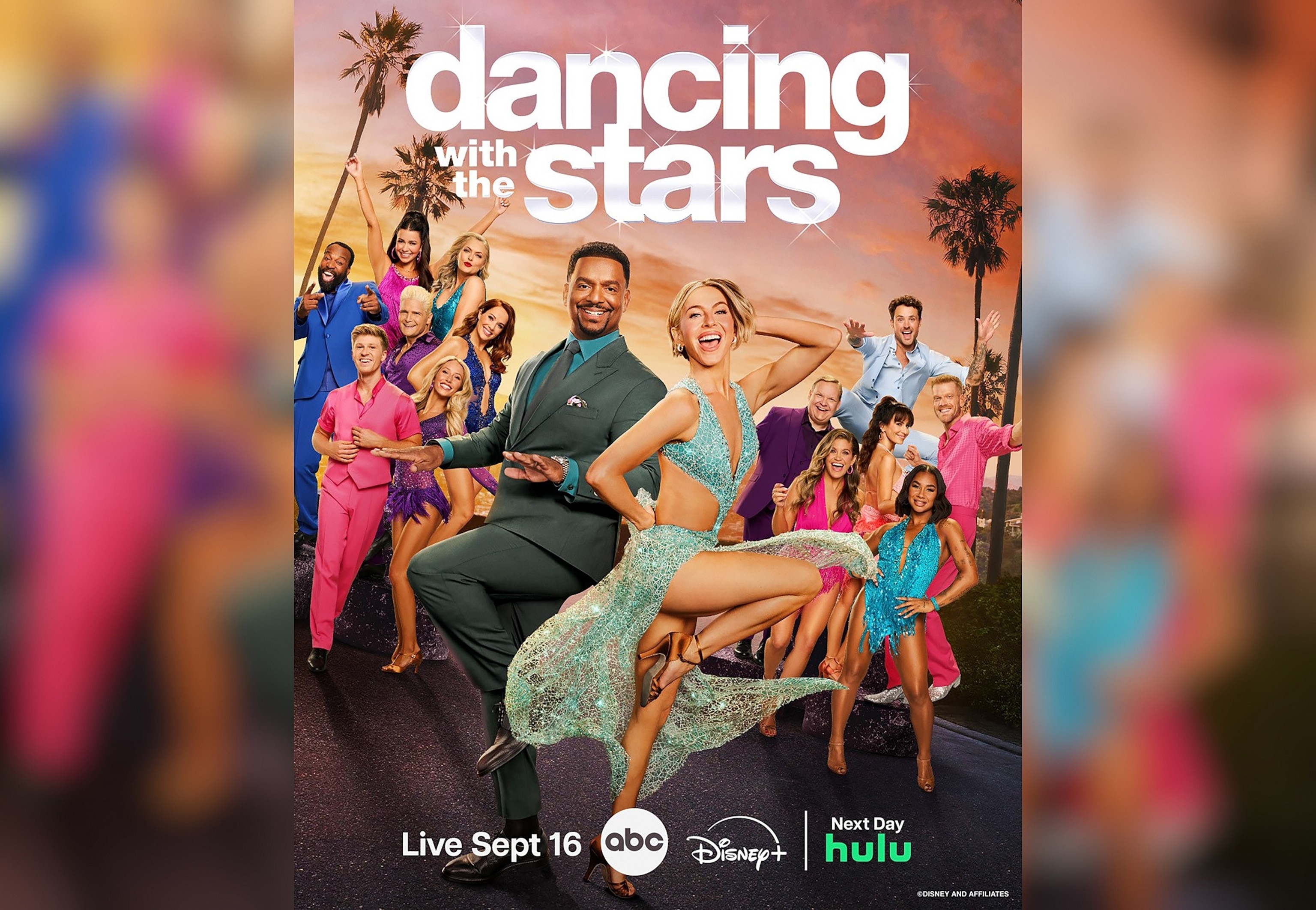
The modern iteration of the show reflects a common issue in mature brand lifecycles: the tension between brand consistency and the need for constant innovation to prevent fatigue. The production team has attempted to “refresh” the show multiple times, often with mixed results that highlight the fragility of the brand’s core identity.
Modernizing the Aesthetic
To appeal to contemporary tastes, the show’s visual brand language underwent an overhaul. The sets became more kinetic, the lighting more aggressive, and the editing faster-paced to mimic the short-form content consumption habits of TikTok and Instagram users. However, this aggressive modernization sometimes felt at odds with the elegant, old-world aesthetic of ballroom dancing. When a brand tries too hard to mimic the trends that threaten its existence, it risks alienating the core audience that built its initial equity.
Navigating the Influence Economy
In its current form, the show has pivoted toward utilizing participants who bring their own pre-built “micro-brands” to the table. This is a strategic move to leverage the social media followings of contestants, effectively turning the show into a hub for multi-channel marketing. While this increases the social media footprint of the brand, it shifts the focus away from the show’s own identity and toward the individual branding of the participants. The brand is no longer the destination; it is the platform upon which other brands compete for attention.
Lessons for Corporate Identity
The story of Dancing with the Stars is a cautionary tale and a blueprint for any company managing a legacy asset in an era of rapid digital disruption. It underscores three fundamental pillars of modern brand strategy.
The Value of Pivotability
A brand cannot remain static. The moment the audience begins to migrate to new mediums, the brand must follow, even if it means sacrificing short-term reach for long-term relevance. The move to streaming was a survival mechanism that protected the brand’s ability to remain visible in a market where linear television is experiencing a long-term, structural decline.
Managing the “Star” Dependency
Brands that rely on human capital, whether celebrities or influencers, are inherently unstable. The management of Dancing with the Stars shows that a brand must build a “format equity” that exists independently of the people involved. When the focus shifts too heavily toward the individual participant, the brand loses its ability to control its own narrative. Successful brands are those where the process—the format, the quality, the experience—is the real star.
The Challenge of Multi-Generational Appeal
Perhaps the most difficult task for a long-running brand is maintaining appeal across generational divides. To survive, Dancing with the Stars had to strip away the formality of the early seasons and replace it with a leaner, more modular format that could be sliced into clips for social media consumption. This transition illustrates the necessity of “content atomization”—the ability to break a large product down into smaller, high-engagement units that can thrive in an attention-scarce economy.

Future Outlook: The Sustainability of the Franchise
As we look toward the future of the franchise, the success of the brand will likely depend on its ability to further deepen its integration into the broader digital ecosystem. We can expect to see increased use of interactive features, deeper gamification, and perhaps a move toward even more radical format shifts that prioritize viewer interaction over passive consumption.
The legacy of the show is secure as a case study in how to navigate the transition from mass-market broadcast to fragmented digital niches. Whether it continues to thrive or eventually fades into the archives of television history, it has already demonstrated the core requirement for brand survival in the 21st century: the courage to disrupt one’s own identity before the market does it for you. The brand is no longer just a dance competition; it is a laboratory for testing how traditional content maintains its grip on an audience that is increasingly empowered to choose when, where, and how they engage with the entertainment they consume.
aViewFromTheCave is a participant in the Amazon Services LLC Associates Program, an affiliate advertising program designed to provide a means for sites to earn advertising fees by advertising and linking to Amazon.com. Amazon, the Amazon logo, AmazonSupply, and the AmazonSupply logo are trademarks of Amazon.com, Inc. or its affiliates. As an Amazon Associate we earn affiliate commissions from qualifying purchases.