
The history of television is replete with long-running series that faced the sudden loss of a central figure. However, few examples provide as profound a case study in brand resilience and strategic identity transition as the 1980s sitcom Cheers. When Nicholas Colasanto, the actor who portrayed the beloved “Coach” Ernie Pantusso, passed away during the show’s third season, the production faced more than just a casting vacuum; it faced a total disruption of its established brand architecture.
In the world of brand strategy, a “legacy character” serves as a core pillar of a brand’s value proposition. For Cheers, Coach was the emotional ballast—the naive yet wise mentor who grounded the high-octane wit of the bar. To understand what happened to Coach is to understand how a premier brand manages a crisis, maintains its equity, and eventually pivots to ensure long-term sustainability without alienating its core “consumer” base: the audience.

The Architecture of the Coach Brand: Understanding Archetypal Value
Before analyzing the transition that followed Coach’s departure, it is essential to dissect what the character represented within the Cheers brand ecosystem. In branding, we often speak of archetypes—universal patterns of behavior that resonate with consumers. Coach occupied a unique space that combined the “Innocent” and the “Sage.”
The Emotional Anchor of the Series
Coach was not merely a source of comic relief; he was the brand’s “humanizing element.” While the show’s protagonist, Sam Malone, represented the “Hero” archetype (the former athlete, the charmer), and Diane Chambers represented the “Explorer/Intellectual,” Coach was the bridge between them. His presence signaled to the audience that the bar was a sanctuary—a place where one was “known by name.”
From a brand strategy perspective, Coach provided the “Emotional USP” (Unique Selling Proposition). His interactions with the patrons were never cynical. In a show built on sharp-tongued barbs and intellectual snobbery, Coach’s brand was built on unconditional warmth. Losing this element threatened to make the Cheers brand feel too cold or overly transactional, a risk that many modern corporate brands face when they lose a “face” or a “voice” that provided the brand with its heart.
The Risk of Brand Dilution After Sudden Loss
When Nicholas Colasanto passed away in 1985, the Cheers brand faced a classic “Key Man Risk.” In corporate identity, this occurs when the identity of the institution is so closely tied to a single individual that their absence threatens the solvency of the brand itself.
The producers had a critical decision to make: should they attempt a “Brand Clone” (replacing the actor but keeping the character) or a “Strategic Pivot” (introducing a new character that serves the same function but with a different identity)? History shows that the “Brand Clone” approach—such as replacing the actor for Darrin on Bewitched—often leads to brand dissonance, where the audience feels the “product” is a cheap imitation of the original. By choosing not to recast Coach, the creators of Cheers protected the integrity of the original brand while preparing for a necessary evolution.
Pivoting the Strategy: The Introduction of Woody Boyd
The transition from Coach to Woody Boyd (played by Woody Harrelson) is often cited by brand strategists as one of the most successful “rebranding” efforts in entertainment history. It was not a replacement; it was a strategic evolution designed to capture new demographics while honoring the established brand promise.
Avoiding the “New Coke” Mistake: Why a Direct Clone Would Have Failed
In 1985, the same year Cheers was grappling with the loss of Coach, Coca-Cola launched “New Coke,” a disastrous attempt to replace a classic product with a direct substitute. The backlash was immense because the brand ignored the emotional attachment consumers had to the original.
The writers of Cheers avoided this by ensuring that Woody Boyd was distinctly not Ernie Pantusso. While Woody shared Coach’s “Innocent” archetype—characterized by a certain level of naivety and literal-mindedness—he brought a completely different energy. Coach was a father figure; Woody was a younger brother. By shifting the age demographic of the character, the brand avoided direct comparison. They didn’t try to sell the audience a “New Coach”; they sold them a “Woody,” a fresh extension of the bar’s family.
Strategic Differentiation: Expanding the Market Reach
From a brand marketing perspective, Woody Boyd was a “Growth Strategy.” While Coach appealed to an older, more nostalgic demographic, Woody Harrelson’s introduction brought a youthful, Midwestern charm that expanded the show’s appeal to younger viewers.
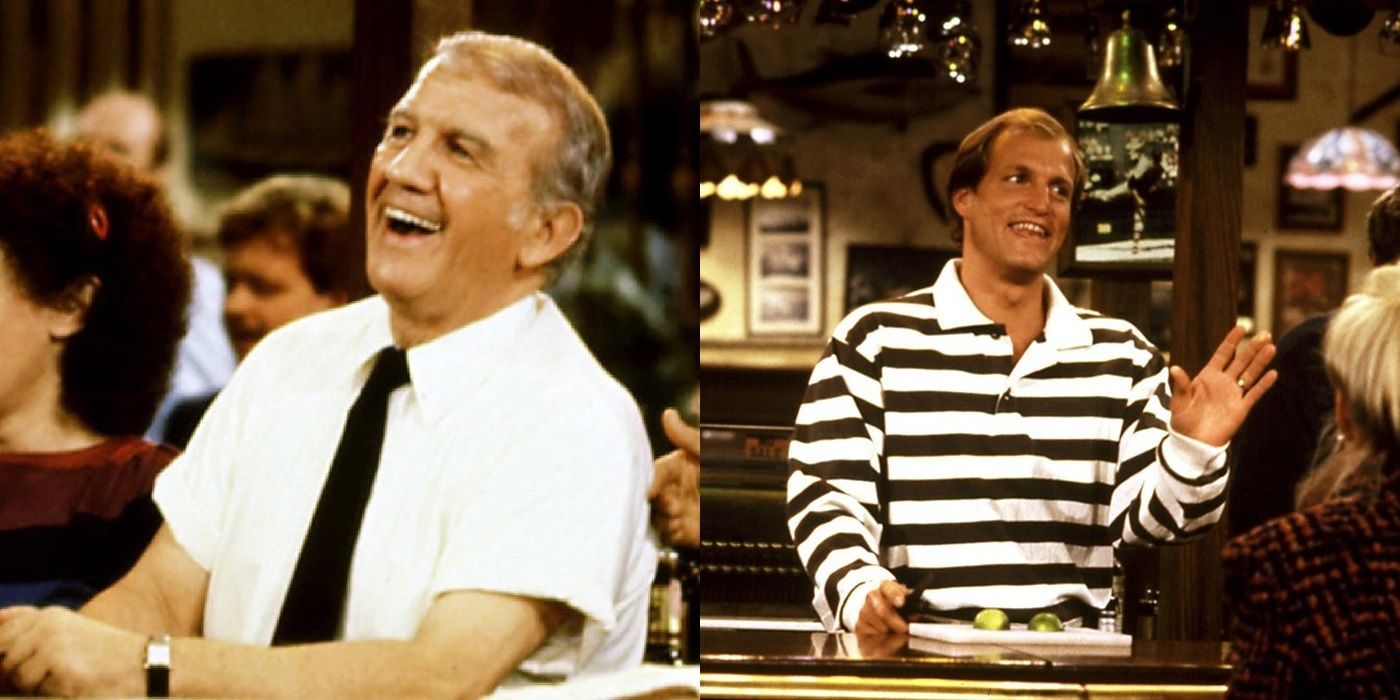
This is a tactic often seen in heritage brands—think of how brands like Porsche or Louis Vuitton introduce “entry-level” products or contemporary influencers to stay relevant with younger generations while keeping their core heritage intact. Woody maintained the “spirit” of the Coach brand (the lovable naif) but packaged it in a way that offered new narrative possibilities. This prevented the brand from becoming stagnant or purely a “nostalgia play.”
Legacy Management: Maintaining Brand Equity Over Eleven Seasons
The disappearance of Coach from the physical space of the bar did not mean his brand influence vanished. Effective brand management requires “Legacy Management”—ensuring that the values of the past continue to inform the present.
Honoring the Original Identity Through Subtle Callbacks
One of the most powerful ways Cheers managed its brand transition was through “Easter Eggs” and subtle visual cues. For the remainder of the series’ eleven-season run, a small photograph of Geronimo remained on the wall of the bar. This was a personal item belonging to Nicholas Colasanto.
In branding, these are known as “Heritage Markers.” They signal to the “long-term consumer” (the loyal fan) that the brand hasn’t forgotten its roots. By keeping that photo in the frame, the producers signaled that the “Coach Brand” was still part of the foundational fabric of the show, even if the character was no longer on the “sales floor.” This maintained brand loyalty among the audience members who had been there since Season 1.
The Long-Term Impact on Syndication and Brand Longevity
The success of the transition from Coach to Woody is visible in the show’s performance in the “Aftermarket” (syndication). Many shows that lose a lead actor experience a “Brand Fracture,” where episodes featuring the original cast are valued differently than episodes featuring the replacement.
However, Cheers managed to maintain a seamless brand experience. Because the transition was handled with such strategic care, the “Product Lifecycle” of the show was extended by nearly a decade. The brand became more than just a single character; it became an “Environment Brand.” Just as a consumer trusts the “Starbucks” brand regardless of which barista is behind the counter, the audience grew to trust the Cheers environment, knowing that whoever was behind the bar would uphold the brand’s core values of wit, warmth, and community.
Modern Lessons: What Today’s Brands Can Learn from the Cheers Pivot
The story of “what happened to Coach” provides several actionable insights for modern brand managers, personal branders, and corporate leaders who are navigating change or crisis.
Managing Human Capital as Brand Assets
Every organization has “Coach-like” figures—individuals who may not be the CEO (the Sam Malone) but who represent the heart and culture of the company. When these individuals leave, the brand risks losing its cultural glue.
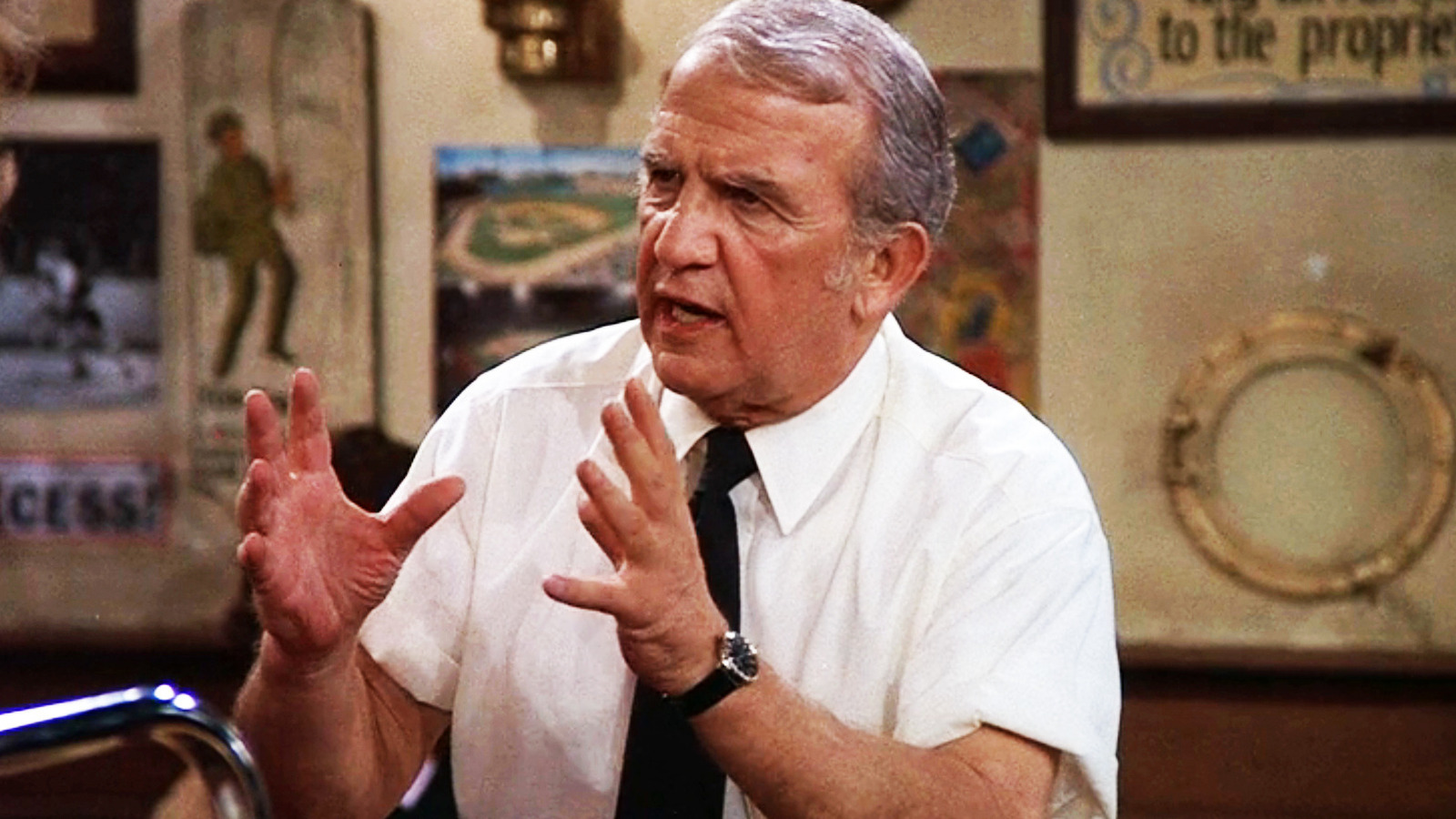
The lesson from Cheers is to identify the “Archetypal Value” these individuals provide. If a brand loses a leader known for “Transparency,” the replacement shouldn’t try to mimic the predecessor’s personality; they should instead find a new way to deliver the value of “Transparency.” Authenticity is the cornerstone of brand trust. Woody Boyd succeeded because he was an authentic “Woody,” not a manufactured “Coach 2.0.”
Agility in the Face of Unforeseen Disruption
Finally, the Cheers transition demonstrates the importance of “Strategic Agility.” In the face of tragedy, the producers didn’t panic and cancel the “product line.” They assessed their brand equity and realized that the “Bar as Sanctuary” concept was strong enough to survive the evolution of its personnel.
For modern brands, this means building a brand identity that is larger than any one person or product feature. By focusing on the “Brand Promise” (where everybody knows your name) rather than just the “Product Feature” (Coach’s specific jokes), the show was able to navigate a major disruption and emerge stronger.
In conclusion, “what happened to Coach” was a tragedy that was met with a masterclass in brand strategy. By honoring the past, differentiating the future, and maintaining a laser-focus on the emotional connection with the consumer, Cheers transformed a potential brand-ending event into a decade-long expansion of its cultural legacy. It remains the gold standard for how brands can—and should—evolve in the face of the inevitable.
aViewFromTheCave is a participant in the Amazon Services LLC Associates Program, an affiliate advertising program designed to provide a means for sites to earn advertising fees by advertising and linking to Amazon.com. Amazon, the Amazon logo, AmazonSupply, and the AmazonSupply logo are trademarks of Amazon.com, Inc. or its affiliates. As an Amazon Associate we earn affiliate commissions from qualifying purchases.