
The name Chyna evokes a complex tapestry of emotions, memories, and unanswered questions within the annals of professional wrestling. To many, she was an undisputed pioneer, a groundbreaking figure who shattered gender barriers and redefined what it meant to be a female superstar in the hyper-masculine world of WWE. To others, her story became a cautionary tale, a tragic narrative of a star whose light dimmed far too soon, tangled in personal struggles, career missteps, and the unforgiving glare of public scrutiny. Joanie Laurer, the woman behind the formidable Chyna persona, lived a life marked by incredible highs and devastating lows, leaving behind a legacy that continues to be debated and dissected.

Understanding “what happened” to Chyna on WWE requires looking beyond the squared circle and delving into the intricate interplay of personal branding, the financial machinations of a global entertainment empire, and the evolving role of technology in shaping public figures’ careers and legacies. Her journey is a profound case study for our modern era, touching on themes relevant to Brand strategy, personal finance, and the pervasive influence of digital platforms. It’s a story not just about wrestling, but about identity, market value, and the relentless march of time that leaves some behind while elevating others to mythical status.
The Rise of a Trailblazing Brand: Chyna’s WWE Era
Chyna burst onto the WWE scene in 1997 as the imposing bodyguard for Triple H, immediately capturing attention with her unparalleled physique and intimidating presence. She was unlike any woman seen in professional wrestling before – a powerhouse who stood toe-to-toe with men, not merely as an eye-candy valet, but as a legitimate force. This was the genesis of a revolutionary personal brand, crafted and amplified by WWE, that would challenge conventions and carve out a unique niche.
Forging the “Ninth Wonder”: A Disruptive Personal Brand
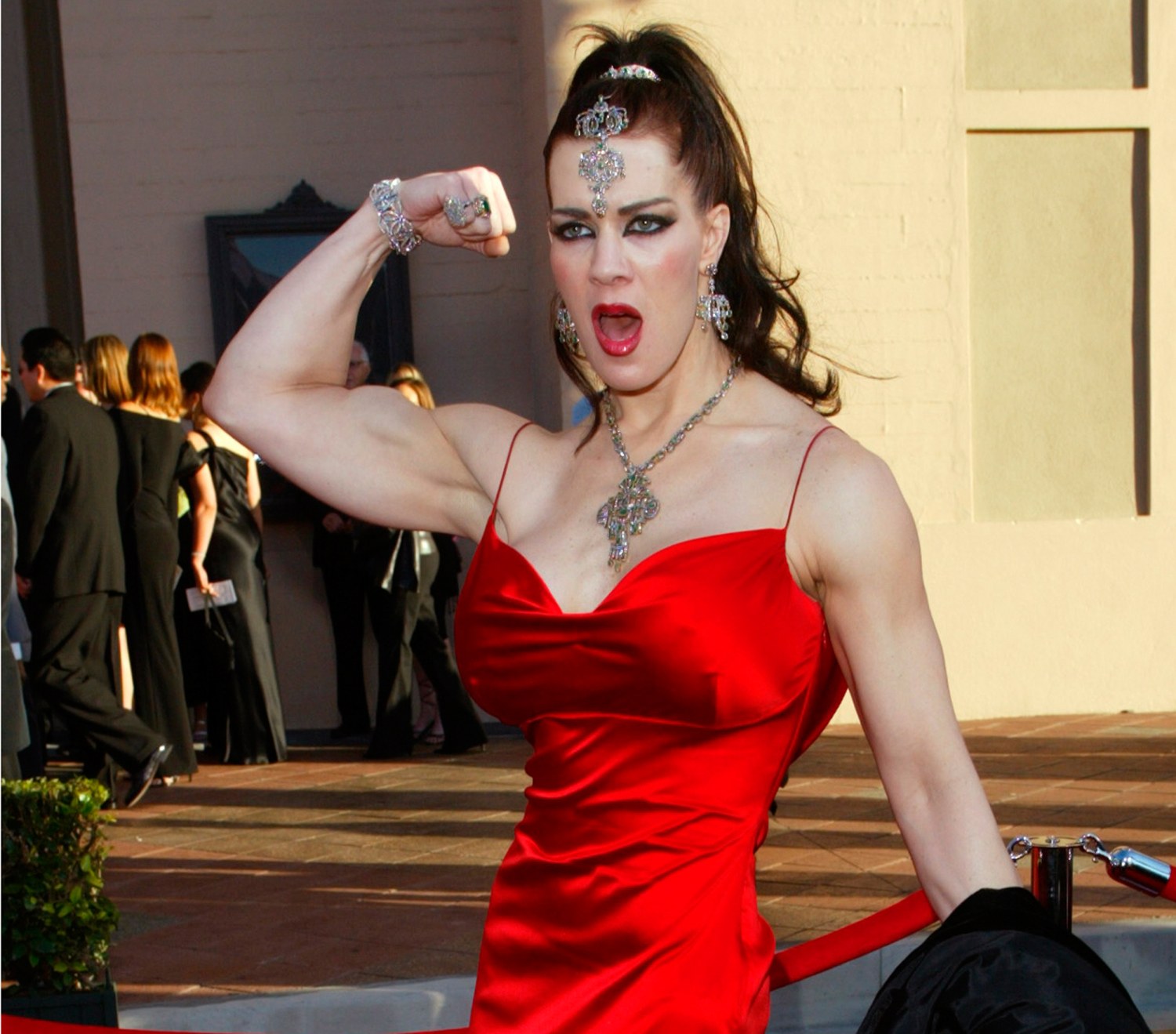
Chyna’s brand, “The Ninth Wonder of the World,” was a masterclass in disruptive marketing, even if not explicitly labeled as such at the time. In an era where female wrestlers (Diva’s) were often presented as hyper-feminine, physically delicate, or primarily ornamental, Chyna obliterated these stereotypes. Her brand identity was built on strength, aggression, and an unapologetic defiance of traditional gender roles. This was not just about wrestling ability; it was about a visceral visual identity and a character narrative that resonated deeply with a segment of the audience hungry for something different.
WWE, as a corporate entity, recognized the immense marketability of this unique brand. They positioned her strategically, integrating her into major storylines alongside top male talent, including D-Generation X. This cross-gender booking was revolutionary and amplified her appeal, making her a main event attraction. Her brand became synonymous with power and breaking barriers, attracting fans who saw in her a reflection of their own desires to challenge norms. The success of her brand demonstrated the power of authenticity, even when that authenticity was a carefully constructed persona. It showcased how a strong, differentiated personal brand could not only thrive within a large corporate identity like WWE but could also expand the boundaries of that corporate identity itself. However, maintaining such a potent and boundary-pushing brand within a corporate structure would eventually present its own set of challenges, particularly when personal aspirations clashed with corporate directives.
The Financial Realities of a Superstar: Money and Contracts
Behind the spectacle of Chyna’s in-ring dominance lay the cold realities of professional sports entertainment finance. As a top-tier talent, Chyna commanded significant earnings, commensurate with her drawing power and unique appeal. Her financial success during her peak WWE years reflected the substantial investment WWE made in her brand, and the returns they reaped from her popularity. She was a pay-per-view draw, a merchandise mover, and a key component of the company’s most lucrative storylines.
However, the life of a professional wrestler, even a highly successful one, often involves a complex financial landscape. Contracts in wrestling are notoriously stringent, often tying talent to specific terms, creative directions, and intellectual property rights. While Chyna’s salary was undoubtedly high, discussions around her departure from WWE often cite disputes over compensation and creative control as significant factors. Reports suggested she sought pay parity with her male counterparts, a bold stance that challenged the established financial hierarchy within the industry. This quest for equitable compensation highlights a broader issue within sports and entertainment: how the perceived “value” of a brand translates into tangible financial reward, and the power dynamics at play in contract negotiations.
Furthermore, the lack of long-term financial planning tools or guaranteed post-career benefits for many wrestlers, particularly during that era, meant that financial stability often hinged entirely on current employment and shrewd personal financial management. The highly physical nature of the business also carries a high risk of career-ending injury, making consistent income uncertain. For Chyna, leaving WWE meant walking away from a stable, lucrative income stream, forcing her to confront a new financial reality and seek alternative avenues for income, which would prove to be a significant turning point in her life and brand trajectory.
Navigating the Aftermath: Branding Beyond the Ropes
Chyna’s departure from WWE in 2001 marked the beginning of a challenging chapter, one where she grappled with maintaining her identity and financial well-being outside the corporate ecosystem that had defined her. The question of “what happened” increasingly refers to this tumultuous post-WWE period, where her personal brand faced unprecedented tests, and the influence of early digital technologies began to reshape public perception and career options.
Post-WWE Identity Crisis: Brand Re-invention and Reputation Management
Leaving WWE meant Chyna was no longer under the direct umbrella of a multi-million-dollar marketing machine. Her meticulously crafted “Ninth Wonder of the World” brand, so powerful within WWE, now had to stand on its own in a much broader, less controlled environment. This precipitated a significant identity crisis and a struggle for brand re-invention. The immediate challenge was leveraging her existing fame into new ventures without the WWE platform.
Her foray into adult entertainment, notably with the film “1 Night in Chyna,” was a controversial pivot, profoundly impacting her public reputation. While it offered immediate financial gain and a sense of reclaiming control over her image, it also alienated a significant portion of her mainstream audience and complicated any potential return to WWE or other mainstream entertainment. From a brand management perspective, this was a high-risk, high-reward move. It solidified her independence but fractured her carefully constructed persona. The perception shift from “trailblazing female athlete” to “adult film star” became a dominant narrative, overshadowing her earlier achievements and making mainstream brand rehabilitation exceedingly difficult. This phase of her life underscores the fragility of personal branding and the severe consequences of choices that deviate sharply from an established public image, especially when that image was initially built on family-friendly entertainment. Her efforts to then return to mainstream visibility, through reality TV appearances and attempts to reconcile with WWE, were consistently hampered by this altered brand perception.
The Digital Divide: Tech’s Role in a Changing Career Landscape
Chyna’s career trajectory coincided with the nascent stages of the commercial internet and early digital content distribution, technologies that profoundly influenced her post-WWE life. The ability to distribute adult films online, for instance, became a new avenue for income generation for celebrities like Chyna, offering a direct-to-consumer model that bypassed traditional gatekeepers. This represented an early form of “online income” and “side hustles” enabled by technology, long before the proliferation of platforms like OnlyFans or YouTube creator monetization.
However, this early digital landscape also presented significant challenges in terms of digital security, privacy, and reputation management. Once content was online, it was virtually impossible to control its spread. For Chyna, this meant her adult films became inextricably linked to her name, dominating search results and public discourse, making it difficult for her to control her own narrative. Social media, though not as ubiquitous during her immediate post-WWE years, began to emerge and later amplified both her struggles and her attempts to connect with fans. Live streams, public posts, and fan interactions often provided unfiltered glimpses into her life, sometimes to her detriment.
Had modern tech tools been available – advanced AI for sentiment analysis, sophisticated digital reputation management services, or robust personal branding apps – perhaps Chyna could have navigated these waters differently. These tools, which today help public figures monitor their online presence, strategize content, and even manage their mental well-being in the face of public scrutiny, were simply not in existence. Her story highlights how the lack of such technological infrastructure left public figures vulnerable in an increasingly digital world, where personal information and controversial content could spread virally without effective countermeasures.
Financial Struggles and New Avenues: The Economics of Post-Wrestling Life
Leaving the WWE’s consistent salary and substantial royalty streams posed immediate financial challenges for Chyna. The transition from a highly structured, well-compensated career to the uncertainty of freelance projects and new ventures proved difficult. While adult entertainment provided a significant, albeit controversial, income stream for a period, it wasn’t a sustainable path for long-term financial security, especially given the rapid saturation and changing dynamics of that industry.
Chyna’s financial struggles became publicly known, illustrating the harsh realities many athletes face after their prime. Without proper financial planning, investment strategies, or a robust support system, even those who earned substantial sums can find themselves in precarious positions. Her ventures into reality television and various international appearances were attempts to diversify her income and regain financial footing. However, the persistent shadow of her adult film career often limited her opportunities in more mainstream, lucrative markets. This period underscores the critical importance of financial literacy, establishing passive income streams, and long-term investment strategies for individuals in high-earning, but often volatile, professions. It also raises questions about the responsibility of sports organizations to equip their talent with the tools and education necessary for financial stability beyond their playing years. Chyna’s story is a stark reminder that fame and initial wealth do not automatically translate into lasting financial security without careful management.
The Enduring Legacy: Brand, Memory, and Modern Perspectives
Chyna’s life ended tragically in 2016, leaving behind a profound sense of loss and a complex legacy. Her passing brought renewed attention to her pioneering career, her struggles, and the broader issues faced by athletes transitioning out of the spotlight. Her story continues to evolve, shaped by fan advocacy, critical reassessments, and the capabilities of modern technology.
Reclaiming the Narrative: Brand Rehabilitation and Posthumous Recognition
In the years following her passing, there has been a concerted effort by fans, former colleagues, and WWE itself to rehabilitate Chyna’s brand and acknowledge her indelible contributions to wrestling history. This culminated in her posthumous induction into the WWE Hall of Fame in 2019 as part of D-Generation X, and then individually in 2021. This move was a significant step in reclaiming her narrative, shifting the focus back to her groundbreaking athleticism and impact, rather than solely on her post-WWE struggles.
From a brand perspective, this represents a crucial act of corporate identity management – acknowledging and honoring a controversial figure’s contributions, allowing the company to align itself with a positive aspect of her legacy while also responding to fan demand. It’s a testament to the power of a strong initial brand that, despite significant challenges, it can eventually be recognized and celebrated. The shift in public perception demonstrates that, over time, a brand can be recontextualized and appreciated for its original strengths, allowing for a more complete and nuanced understanding of a public figure’s life and impact. Her induction was not just about honoring Chyna, but also about WWE reaffirming its own history and acknowledging the trailblazers who built its brand.
The Tech-Enabled Legacy: Digital Footprint and Modern Storytelling
Today, Chyna’s legacy is preserved, analyzed, and celebrated through an increasingly rich digital footprint. Documentaries, fan-made tributes on YouTube, extensive online archives of her matches and interviews, and dedicated social media pages all contribute to her enduring presence. Technology now allows for a more comprehensive and accessible understanding of her life, enabling new generations of fans to discover her impact.
Furthermore, modern AI tools and data analytics could hypothetically provide profound insights into Chyna’s career trajectory. Imagine AI analyzing thousands of fan comments and articles over two decades to track sentiment shifts, identifying key turning points in public perception, or even correlating her brand value with specific creative decisions made by WWE. While these tools weren’t available during her lifetime, their potential to contextualize and understand complex public figures posthumously is immense. Her story, preserved in countless digital artifacts, serves as raw data for future analysis, offering lessons in personal branding, the impact of media cycles, and the long-term consequences of corporate and individual decisions. The digital age ensures that her story, in all its complexity, will continue to be told, analyzed, and interpreted, preventing her from fading into obscurity.

Lessons in Longevity: Financial Literacy and Athlete Welfare
Ultimately, Chyna’s story offers critical lessons for athletes, corporations, and individuals in the public eye regarding financial literacy and comprehensive welfare programs. Her struggles underscore the necessity for athletes, particularly in physically demanding and short-career professions, to prioritize long-term financial planning, seek independent financial advice, and explore diversified income streams early in their careers. The lack of robust support systems for mental health and career transition in the early 2000s also highlights a critical gap that organizations like WWE are increasingly addressing today.
For corporate entities, Chyna’s experience underscores the importance of nurturing talent holistically – not just as in-ring performers but as individuals with long-term career and life aspirations. It emphasizes the ethical responsibility to provide resources for financial education, mental health support, and post-career planning. Chyna’s “what happened” is not merely a question of events but a profound inquiry into the systemic pressures, personal choices, and societal expectations that can shape or shatter a remarkable life. Her journey from groundbreaking superstar to a cautionary tale, and ultimately to a celebrated icon, forces us to confront uncomfortable truths about fame, fortune, and the fragile nature of identity in the public sphere, reminding us that every brand, no matter how powerful, is ultimately built upon the foundation of a human story.
aViewFromTheCave is a participant in the Amazon Services LLC Associates Program, an affiliate advertising program designed to provide a means for sites to earn advertising fees by advertising and linking to Amazon.com. Amazon, the Amazon logo, AmazonSupply, and the AmazonSupply logo are trademarks of Amazon.com, Inc. or its affiliates. As an Amazon Associate we earn affiliate commissions from qualifying purchases.