
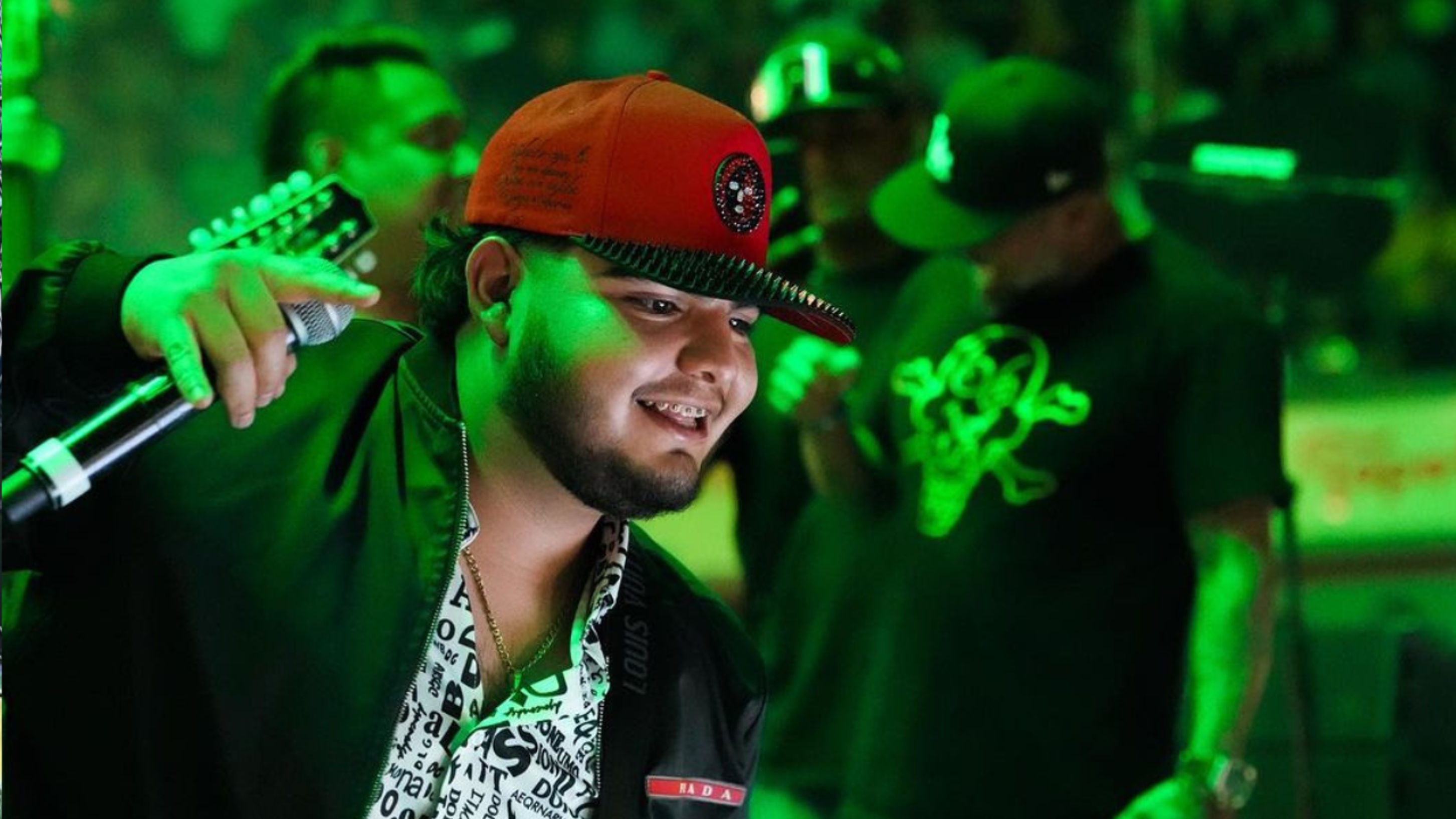
The music industry has long been a laboratory for aggressive brand building, but few stories in recent years offer as poignant a case study as that of Chuy Montana. Born Jesús Nolberto Cárdenas Velázquez, the artist known as Chuy Montana transitioned from an anonymous street performer at the San Ysidro border crossing to a viral sensation and a signed recording artist in a matter of months. However, his story—which ended tragically in February 2024—serves as a stark reminder of the complexities involved in personal branding within high-stakes cultural niches.

In this analysis, we explore the branding strategy that propelled Montana to fame, the inherent risks of “authenticity marketing” in the regional Mexican genre, and the lessons modern creators must learn about the intersection of public visibility and personal security.
The Architecture of a Viral Brand: From Street Performer to Star
Chuy Montana’s brand was not built in a boardroom; it was forged in the crucible of social media and “discovered” through a narrative of raw authenticity. This “rags-to-riches” archetype is a powerful tool in brand strategy, particularly in genres that value grassroots credibility.
The Power of Social Media Storytelling
Montana’s brand began with a viral video. While singing for commuters at the border, he was approached by Jesús Ortiz Paz (JOP), the lead singer of Fuerza Regida and the head of Street Mob Records. The video of this encounter was the ultimate piece of “earned media.” It wasn’t a polished commercial; it was a captured moment of destiny.
From a brand perspective, this moment established Montana as the “Underdog Hero.” By leveraging the existing brand equity of JOP and Street Mob Records, Montana was able to bypass the traditional “growth phase” of a brand lifecycle, moving directly from awareness to conversion (record sales and streams).
Authentic Positioning in the Corridos Tumbados Market
In the niche of corridos tumbados, the brand must balance musical talent with “street cred.” Montana’s personal brand was positioned as “La Calle” (The Street). His voice was raw, his lyrics reflected the struggles of the border, and his visual identity remained grounded in his origins even after he signed a major deal.
This positioning is highly effective for market penetration because it creates an immediate emotional connection with the target demographic. Fans weren’t just buying a song; they were supporting a representative of their own struggles. However, as we will see, this extreme commitment to an “authentic” street brand carries significant operational risks.
Brand Management in High-Risk Industries
Every brand operates within an ecosystem. In the world of regional Mexican music, specifically the sub-genres dealing with sensitive societal themes, the brand ecosystem is fraught with external pressures that go beyond typical market competition.
Navigating Cultural Identity and Safety
When a personal brand becomes synonymous with a specific lifestyle or geographic territory, the individual behind the brand loses a degree of autonomy. Chuy Montana’s brand was deeply tied to the border culture of Tijuana. For a brand, “localization” is usually a strength, but in high-risk environments, it can become a liability.
The tragedy of Chuy Montana’s kidnapping and subsequent death in February 2024 highlights a critical failure in the “security” pillar of brand management. In the corporate world, a CEO’s safety is a matter of business continuity. In the creator economy, especially in genres that touch on volatile social realities, personal security must be integrated into the brand’s overhead costs. Montana’s rapid ascent meant his fame outpaced his protective infrastructure.
The Ethics of Celebrity Endorsement and Street Credibility
There is an inherent tension in branding between the “image” and the “reality.” For many artists, the brand requires them to project an aura of invincibility or proximity to danger to maintain credibility with their audience. This is a form of “high-risk marketing.”
When a brand’s value proposition is based on “living on the edge,” the brand becomes a self-fulfilling prophecy. Marketing experts often discuss “brand alignment”—ensuring that what a brand says matches what it does. In Montana’s niche, the alignment between his lyrical themes and his public persona created a brand that was incredibly potent but dangerously exposed.

The Business of Legacy: How a Brand Lives on After the Creator
The death of a founder or a central figure usually spells the end of a personal brand, but in the music industry, the brand often enters a “posthumous growth phase.” How a label manages this transition is a delicate exercise in corporate identity and public relations.
Posthumous Brand Management
Following the news of Montana’s death, his streaming numbers saw a significant uptick. This is a common phenomenon where the “tragedy” becomes a part of the brand narrative, drawing in curious new listeners and cementing the loyalty of existing fans.
Street Mob Records faced the challenge of managing Montana’s digital legacy. From a brand strategy standpoint, the goal is to honor the artist without appearing to capitalize on the tragedy. This involves the careful release of unreleased tracks, the maintenance of social media profiles as “memorials,” and the curation of the artist’s story in documentaries or tribute events.
Impact on the Label’s Corporate Identity
The “What happened to Chuy Montana” narrative also reflects back on Street Mob Records. A label’s brand is the sum of its artists. When a rising star is lost, the label must manage its reputation as a “safe harbor” for talent.
The label’s response—public statements of grief, legal cooperation, and support for the family—is a form of crisis brand management. They must signal to other potential signees and the public that they value the human element of their brand portfolio, not just the revenue generated by the streams.
Lessons for Modern Creators: The Intersection of Visibility and Vulnerability
The story of Chuy Montana is a cautionary tale for the modern era of hyper-visibility. In a world where anyone can become a global brand overnight via TikTok or Instagram, the traditional safeguards of fame have been dismantled.
Managing Personal Branding Risks
The primary lesson for any creator—whether in music, tech, or business—is that visibility is a double-edged sword. As your brand’s “reach” increases, your “surface area” for potential conflict also increases.
- Scaling Infrastructure with Fame: A brand strategy is incomplete if it does not include a plan for physical and digital security. As Montana’s followers grew into the hundreds of thousands, his operational reality (where he traveled, who he interacted with) should have shifted accordingly.
- Controlled Accessibility: Part of Montana’s brand charm was his accessibility—the idea that he was still “the guy from the border.” For modern brands, maintaining “perceived accessibility” while ensuring “actual security” is the gold standard of personal branding.
Scaling Fast Without Losing Structural Security
Chuy Montana’s career lasted less than a year in the mainstream spotlight. This “hyper-growth” is what many brands dream of, but it is also what destroyed the structural integrity of his personal life.
When a brand scales too fast, it often neglects “back-end” operations. In the context of a personal brand, “back-end” includes mental health support, legal counsel, and physical protection. The “What happened” in Montana’s case wasn’t just a random act of violence; it was the collision of a high-profile brand with a high-risk environment without the necessary buffer of a professionalized security apparatus.
Conclusion: The Finality of the Brand Narrative
The tragedy of Chuy Montana is a somber chapter in the history of regional Mexican music. From a branding perspective, his life represents the ultimate “Authentic Brand”—one that was born on the streets, fueled by the digital masses, and ultimately consumed by the very environment it sought to represent.
For marketers and creators, Montana’s legacy is a reminder that a brand is more than just a logo, a voice, or a viral video. A brand is a living entity that requires protection, strategic foresight, and an understanding of the environment in which it operates. As we look at “what happened to Chuy Montana,” we see a talented young man whose brand reached the stars, but whose story reminds us that the cost of rapid, unfiltered visibility can sometimes be higher than any artist should have to pay.
His music continues to stream, his videos continue to garner millions of views, and his brand remains a potent symbol of the corrido spirit. But the ultimate lesson remains: in the modern economy, managing your brand is inseparable from managing your life.
aViewFromTheCave is a participant in the Amazon Services LLC Associates Program, an affiliate advertising program designed to provide a means for sites to earn advertising fees by advertising and linking to Amazon.com. Amazon, the Amazon logo, AmazonSupply, and the AmazonSupply logo are trademarks of Amazon.com, Inc. or its affiliates. As an Amazon Associate we earn affiliate commissions from qualifying purchases.