
In the landscape of modern media, the transition from a private individual to a globally recognized brand is often catalyzed by reality television. The trajectory of Chantel Everett and Pedro Jimeno—initially introduced to the public via TLC’s 90 Day Fiancé—serves as a quintessential case study in the power, fragility, and evolution of personal branding. What began as a narrative of international romance evolved into a multi-season franchise, eventually culminating in a high-profile divorce that forced both parties to dismantle a joint brand and reconstruct independent professional identities.
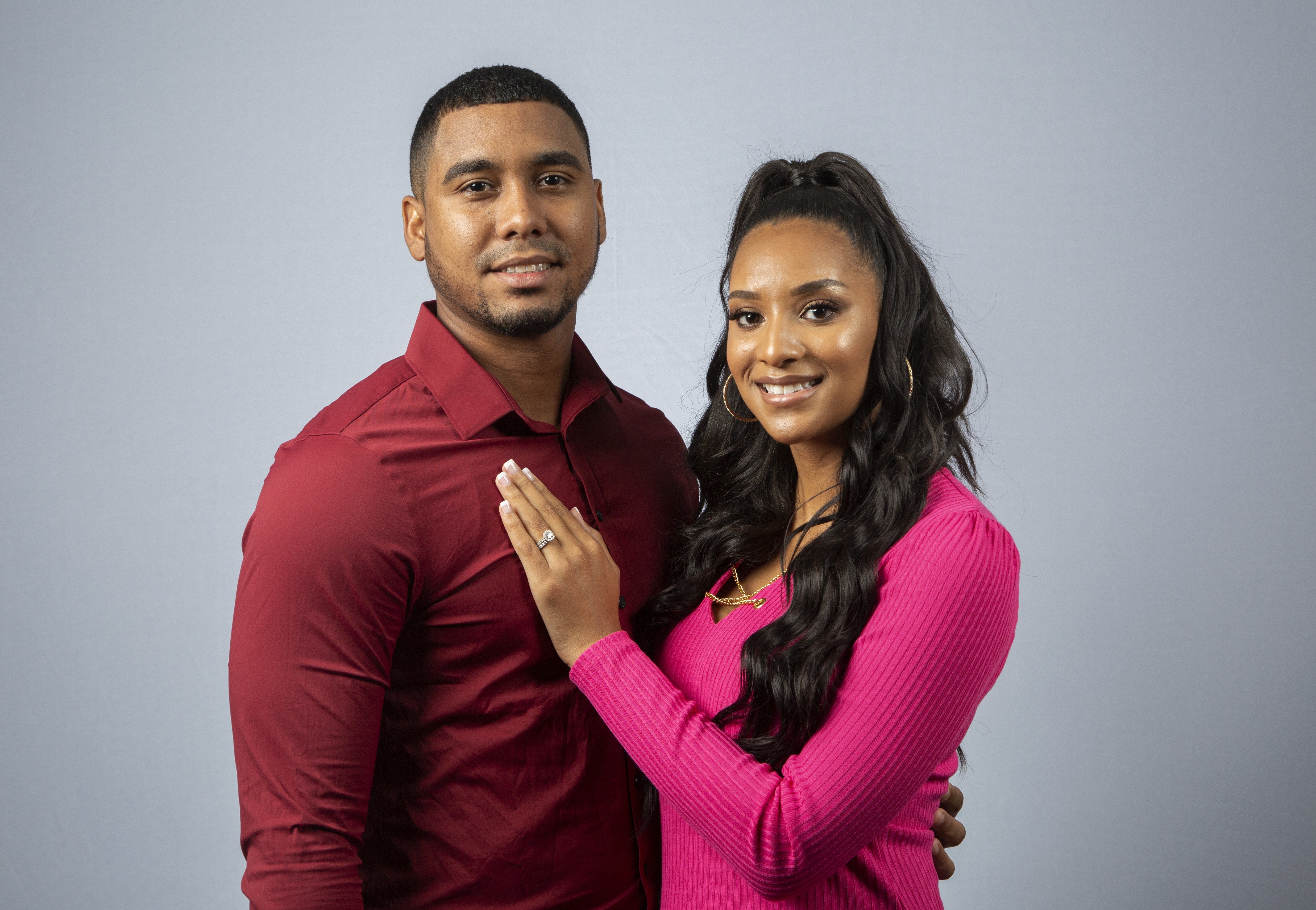
Understanding what happened to the “Chantel and Pedro” brand requires an analysis of how they leveraged their personal lives into a corporate-style entity, the strategic pivots necessitated by their separation, and the long-term viability of their individual marketability in a post-couple economy.
The Rise of a Power Couple: Building a Joint Brand in the Digital Era
The initial success of Chantel and Pedro was not merely a result of their interpersonal chemistry, but rather a masterclass in audience demographic alignment. They occupied a unique niche within the reality TV ecosystem: the “aspirational yet relatable” international couple. By the time they secured their own spin-off, The Family Chantel, they had transitioned from participants in a social experiment to the faces of a lucrative media franchise.
From Reality Participants to Franchise Architects
For most reality stars, the shelf life is limited to a single season. Chantel and Pedro avoided this by leaning into conflict-driven brand development. They understood that brand engagement is often driven by “the villain” and “the victim” archetypes. By involving their extended families, they expanded their brand’s footprint, creating a multi-layered narrative that appealed to a wider audience. This expansion turned their personal relationship into a “tentpole” brand for the TLC network, ensuring consistent visibility and high-value advertising slots.
The Monetization of Marital Drama
The joint brand was heavily monetized through social media sponsorships, club appearances, and brand endorsements. For several years, their marketability was tied to their status as a unit. Advertisers looking for “couple goals” or “intercultural lifestyle” themes gravitated toward them. This phase of their career demonstrated the high ROI of a “Power Couple” brand; however, it also highlighted the inherent risk of such a strategy: the brand’s value was entirely dependent on the stability of the relationship.
The Fracture: Navigating Brand Identity During a Public Divorce
When the news of Pedro filing for divorce broke in 2022, it wasn’t just a personal tragedy; it was a catastrophic brand event. In the world of personal branding, a divorce functions similarly to a corporate de-merger. Assets must be divided, but more importantly, the narrative must be re-written to ensure that the individual brands can survive the dissolution of the parent entity.
Brand Dilution and the Risk of Negative Association
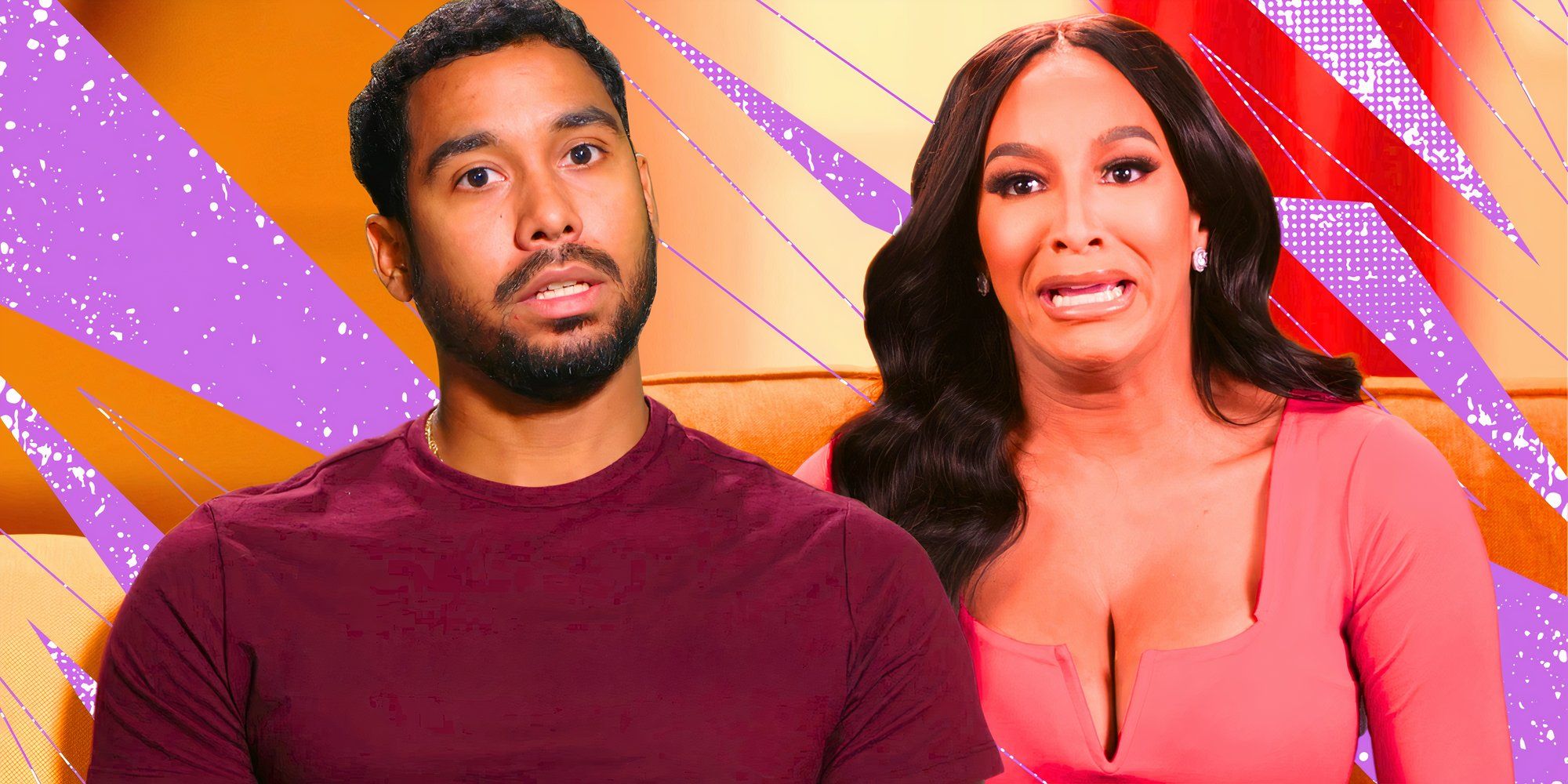
During the fallout, both Chantel and Pedro faced significant brand dilution. In a joint brand, the “equity” is shared. When accusations of infidelity and financial impropriety surfaced, the “wholesome” or “romantic” elements of their brand identity were instantly neutralized. From a brand management perspective, this required immediate damage control. Chantel leaned into the “betrayed but resilient” narrative, which resonated with her core female demographic, while Pedro pivoted toward a professional, career-oriented persona to distance himself from the reality TV drama.
Pivot or Perish: Re-evaluating Individual Identities
The divorce forced a total re-branding. Chantel Everett transitioned her brand from “The Family Chantel” to “Chantel Everett: The Independent Nurse and Influencer.” She utilized her platform to highlight her professional credentials in healthcare, effectively grounding her brand in reality and utility. Pedro Jimeno, conversely, faced a more difficult transition. Having been frequently portrayed as the antagonist in the final seasons of their show, his brand equity took a significant hit. His pivot was focused on professional credibility in the real estate sector, attempting to swap “reality star” for “business professional.”
Crisis Communication and Social Media Presence
In the digital age, a brand’s survival during a crisis depends on its ability to control the narrative via social media. The “What happened to Chantel and Pedro” search query became a focal point for thousands of fans, and how each party responded on Instagram and TikTok determined their future marketability.
The Narrative Control Battle
Chantel utilized a strategy of “selective vulnerability.” By sharing snippets of her healing process and her travels, she maintained high engagement rates while positioning herself as the protagonist of the post-divorce era. This is a classic brand recovery tactic: humanize the brand to regain audience trust. Pedro’s strategy was more defensive, often involving the purging of past content and a focus on his new life in real estate. From a branding standpoint, Pedro’s approach was an attempt at a “hard reset,” though it risked alienating the audience that felt invested in the previous narrative.
Community Engagement and Audience Loyalty Post-Split
The most successful personal brands are those that foster a sense of community. Following the split, the audience divided into factions. This “team-based” engagement actually served to keep both brands relevant, even if the sentiment was polarized. For Chantel, her brand loyalty intensified among fans who saw themselves in her struggle. For Pedro, he had to build a new community from scratch—one that valued his professional output over his personal life. This shift is a difficult one to execute, as the “reality TV” stigma can often devalue a brand’s professional authority.
Long-term Viability: The Future of Chantel and Pedro as Independent Entities
The ultimate test of a personal brand is its longevity. Once the initial shock of the divorce wears off and the television cameras stop rolling, what remains of the brand? Both Chantel and Pedro are currently in the “sustainability” phase of their independent brand life cycles.
Pedro’s Professional Pivot: Real Estate and Brand Reconstruction
Pedro Jimeno’s move into real estate in Georgia is a strategic attempt to leverage his name recognition into a high-stakes professional field. In real estate, a personal brand is everything. While his reality TV past provides him with an initial lead-generation advantage, his long-term success depends on his ability to provide actual value. His brand is currently in a “reconstruction” phase, where he must prove that the qualities that made him a reality star—charisma and persistence—can translate into closing deals and client satisfaction.
Chantel’s Influence: Leveraging Longevity in the Lifestyle Niche
Chantel Everett remains a high-value influencer. Her brand has transitioned into the “lifestyle and wellness” category. By combining her nursing background with high-fashion aesthetics, she has created a hybrid brand that is both aspirational and grounded. She has successfully navigated the “divorcee” label to emerge as a symbol of female empowerment and independence. This makes her highly attractive to premium brands in the beauty, health, and travel sectors.
Lessons for Personal Branding in the Reality TV Era
The story of Chantel and Pedro provides several critical lessons for modern brand strategists:
- Avoid Single-Point Failure: A brand built entirely on a relationship is vulnerable to the stability of that relationship. Diversifying brand interests (career, hobbies, individual values) is essential.
- Narrative Ownership is Key: In the absence of an official statement, the public will create their own story. Consistent, authentic communication is the only way to manage a brand during a crisis.
- The Pivot Must Be Authentic: Moving from one brand identity to another (e.g., from reality star to real estate agent) requires more than just a change in bio; it requires a demonstrated commitment to the new field.
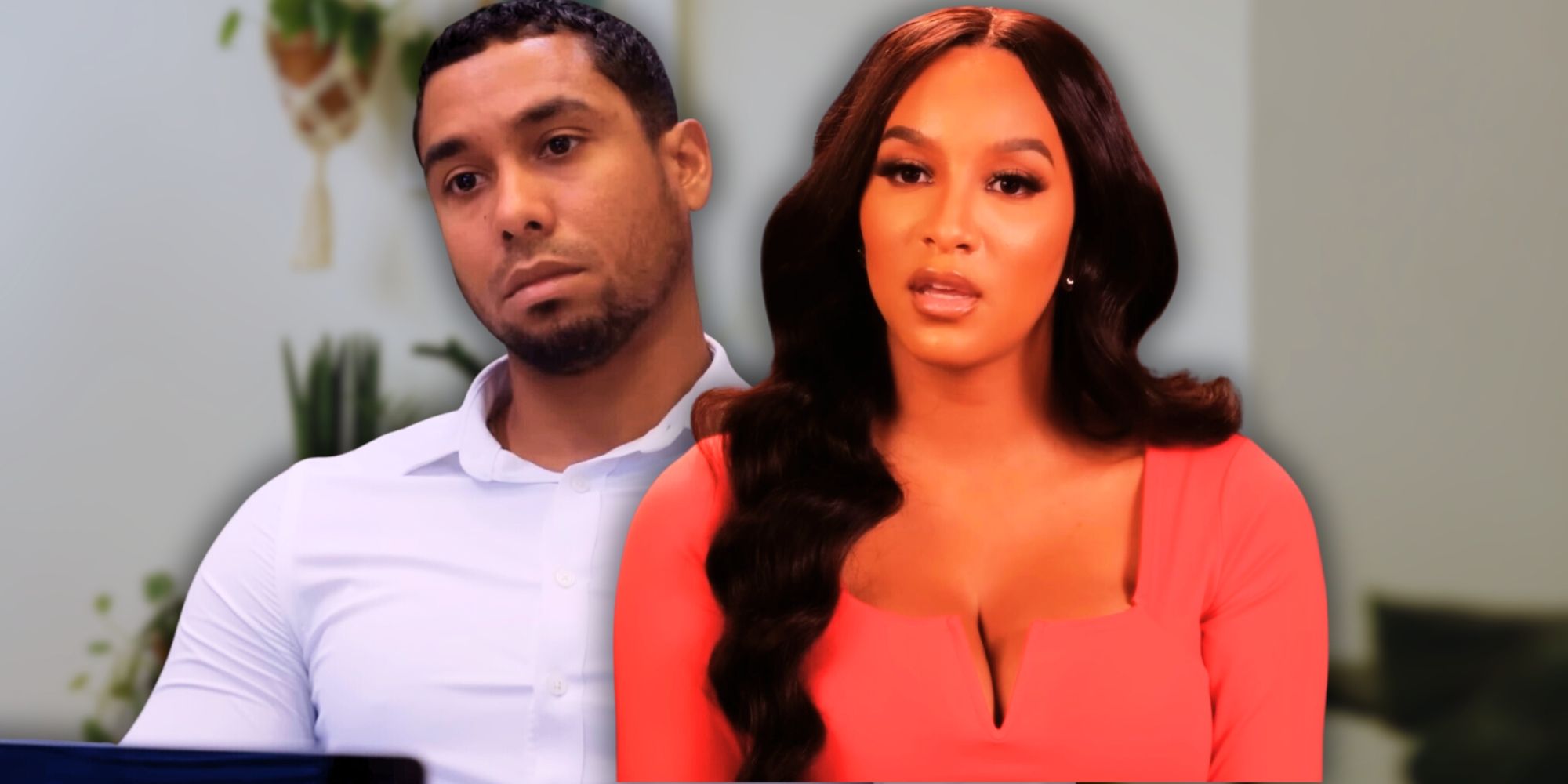
What happened to Chantel and Pedro is more than a celebrity breakup; it is a live demonstration of how personal brands are built, broken, and reborn in the 21st century. While their joint brand is a relic of the past, their individual brands continue to evolve, proving that with the right strategy, there is life—and profit—after the franchise ends.
aViewFromTheCave is a participant in the Amazon Services LLC Associates Program, an affiliate advertising program designed to provide a means for sites to earn advertising fees by advertising and linking to Amazon.com. Amazon, the Amazon logo, AmazonSupply, and the AmazonSupply logo are trademarks of Amazon.com, Inc. or its affiliates. As an Amazon Associate we earn affiliate commissions from qualifying purchases.