
When news broke that Captain Lee Rosbach—the beloved “Stud of the Sea”—would not be returning to his iconic role on Bravo’s Below Deck, the internet was flooded with a singular question: What happened to Captain Lee? While fans focused on the logistics of casting and health concerns, brand strategists saw something much deeper. What we witnessed was not merely a retirement or a contract non-renewal; it was a high-stakes pivot in personal brand management.
Captain Lee’s transition from a maritime professional to a global television icon, and subsequently to an independent media mogul, offers a masterclass in brand strategy. In an era where “the creator economy” and “personal branding” are buzzwords, Rosbach’s trajectory provides concrete lessons on how to build, sustain, and evolve a professional identity that transcends a single platform.

The Architecture of the “Stud of the Sea” Brand
To understand what happened to Captain Lee, one must first understand how his brand was constructed. Unlike many reality TV personalities who craft a persona for the cameras, Lee Rosbach’s brand was rooted in a pre-existing professional identity. He was a captain long before he was a star, and this authenticity became the cornerstone of his global appeal.
Authenticity as a Core Pillar
In brand strategy, authenticity is often the hardest element to manufacture. For Captain Lee, it was effortless. His “boat-isms”—those sharp, no-nonsense metaphors involving “plane tickets and taxi cabs”—were not scripted; they were the genuine manifestations of a seasoned professional. This authenticity created a high level of “Brand Trust.” Consumers (viewers) felt they knew exactly what Captain Lee stood for: discipline, excellence, and zero tolerance for “faffing about.” This consistency is what allowed him to anchor a multi-million-dollar franchise for over a decade.
The Visual Identity of Authority
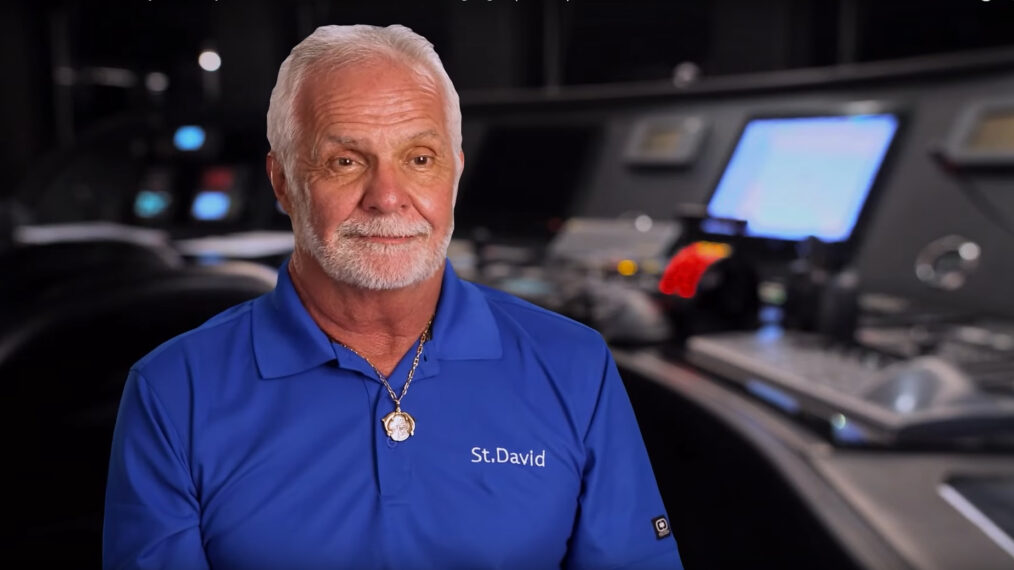
Every strong brand requires a visual shorthand. For Captain Lee, this was the crisp white epaulets, the aviator sunglasses, and the stoic posture on the bridge. This visual identity signaled authority and competence. Even when he was off the clock, his brand maintained this “Captain” persona. In the world of personal branding, this is known as “Visual Continuity.” By maintaining a consistent look and demeanor, Rosbach ensured that his brand was instantly recognizable across different media formats, from television screens to book covers and Instagram feeds.
Navigating the Pivot: Life After Below Deck
The true test of a brand is how it handles a major platform shift. When Captain Lee’s tenure on Below Deck ended after Season 10, the immediate narrative was one of loss. However, from a brand perspective, it was the beginning of an “Expansion Phase.” What happened to Captain Lee was a strategic decoupling of his personal brand from the Bravo corporate brand.
Diversification of Content Streams
A common mistake in personal branding is over-reliance on a single distribution channel. If your brand exists only on one platform (like a specific TV show or a social media network), you are at the mercy of that platform’s algorithms or casting directors. Captain Lee avoided this trap by diversifying.
Following his exit from the show, he launched the podcast Deadly Waters with Captain Lee. This was a strategic move to own his audience data and content. Instead of being a participant in someone else’s production, he became the producer. This shift from “talent” to “owner” is a critical step in brand longevity. It allows the individual to control the narrative, the tone, and—most importantly—the monetization of their identity.
The Transition from Reality Star to Media Mogul
By moving into true crime and maritime mysteries with his new show on Oxygen and his podcast, Rosbach effectively “re-niched” his brand. He took his established authority (maritime expertise) and applied it to a new, high-growth vertical (true crime). This allowed him to retain his core audience while attracting a new demographic. This is a classic brand extension strategy: taking the “Brand Equity” built in one sector and leveraging it to gain a foothold in another.
Brand Longevity in the Gig Economy
The question of “what happened to Captain Lee” is ultimately a question about staying power. In the gig economy, where fame is often fleeting, Rosbach has managed to maintain a high “Brand Sentiment” score. He didn’t disappear; he evolved.
Building Community Through Social Media
One of the most impressive aspects of the Lee Rosbach brand is his direct-to-consumer relationship. On platforms like Twitter (X) and Instagram, he engages with fans with the same blunt honesty seen on television. This is “Community Management” at its finest. By interacting directly with his “crew” (his followers), he has fostered a sense of loyalty that isn’t dependent on a television network’s airing schedule. His followers aren’t just fans of Below Deck; they are fans of Captain Lee, the brand.
Strategic Partnerships and Endorsements
A brand’s value is often measured by the company it keeps. Captain Lee has been highly selective with his endorsements. From maritime insurance to lifestyle brands, his partnerships always align with his core values of reliability and luxury. In brand strategy, this is called “Brand Alignment.” By turning down deals that don’t fit his “Captain” persona, he protects the long-term value of his brand. He understands that a short-term paycheck from a mismatched brand can cause long-term damage to his reputation and “Premium” positioning.
Lessons for Personal Brand Strategy
What happened to Captain Lee provides a blueprint for any professional looking to build a resilient personal brand. Whether you are an executive, a freelancer, or a creator, the “Rosbach Model” offers three vital lessons.
Owning Your Narrative
When rumors circulated about his health and his departure from the show, Captain Lee didn’t let the tabloids dictate the story. He spoke openly about his physical therapy and his desire to keep working. In branding, if you don’t define yourself, others will do it for you. “Narrative Control” is essential during times of transition. By being transparent, he turned a potential brand crisis (perceived frailty) into a story of resilience and professional evolution.
The Importance of a “Plan B” Brand Strategy
No platform lasts forever. Every brand should have an exit strategy or a “Pivot Plan.” Captain Lee’s success post-Below Deck is the result of years of building a brand that was larger than the show itself. He wrote a memoir (Running Against the Tide), engaged in public speaking, and built a massive social media presence long before his final episode aired. He was “Platform Agnostic.” The lesson for professionals is clear: build your brand on land you own (websites, mailing lists, diverse skills) rather than land you rent (a single employer or social media platform).
Integrity as a Competitive Advantage
In the crowded marketplace of “influencers” and “personalities,” integrity is a rare and valuable commodity. Captain Lee’s brand is built on the idea that he is the same person whether the cameras are rolling or not. This “Integrity-Based Branding” creates a moat around the individual. It makes them “un-cancelable” in many ways because their audience knows their character. When people ask what happened to Captain Lee, the answer is that he remained true to himself, which allowed him to survive the volatile nature of the entertainment industry.

Conclusion: The Captain Lee Legacy
So, what happened to Captain Lee? He successfully navigated the most difficult maneuver in the world of branding: the transition from a “Specific Asset” (a TV cast member) to a “Lifestyle Brand” (a trusted authority and media personality).
Captain Lee Rosbach didn’t just sail off into the sunset; he charted a new course. By focusing on authenticity, diversifying his platforms, and maintaining rigorous brand alignment, he has ensured that the “Captain Lee” brand will remain relevant for years to come. For anyone looking to build a brand that stands the test of time, his journey provides a compass. It reminds us that while platforms change and roles evolve, a brand built on a foundation of professional excellence and genuine character can weather any storm.
aViewFromTheCave is a participant in the Amazon Services LLC Associates Program, an affiliate advertising program designed to provide a means for sites to earn advertising fees by advertising and linking to Amazon.com. Amazon, the Amazon logo, AmazonSupply, and the AmazonSupply logo are trademarks of Amazon.com, Inc. or its affiliates. As an Amazon Associate we earn affiliate commissions from qualifying purchases.