
In the high-stakes world of television, characters are more than just roles in a script; they are multi-million dollar brands. For over a decade, Dr. Callie Torres, portrayed by Sara Ramirez, stood as one of the most significant pillars of the Grey’s Anatomy franchise. When fans ask “what happened to Callie,” they are rarely just inquiring about a plot point involving a move to New York City. Instead, they are subconsciously analyzing the lifecycle of a personal brand that redefined what it meant to be a lead on a prime-time procedural.
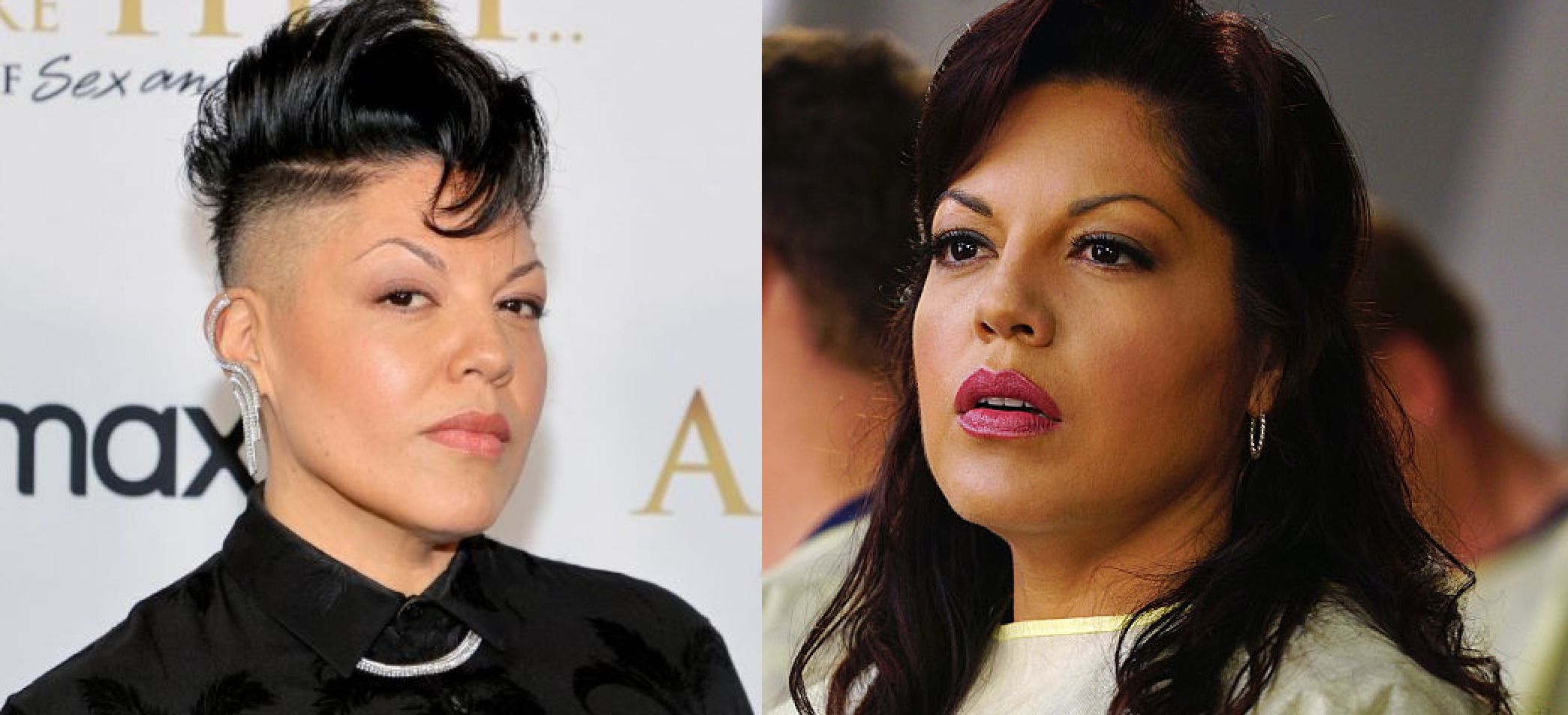
The departure of Callie Torres in the Season 12 finale was a masterclass in brand management—both for the show’s corporate identity and for Sara Ramirez’s personal career trajectory. To understand the “what” and “why” behind her exit, we must look through the lens of brand strategy, audience sentiment, and the inevitability of brand maturation.
The Birth of a Disruptor Brand: From Ortho-God to Cultural Icon
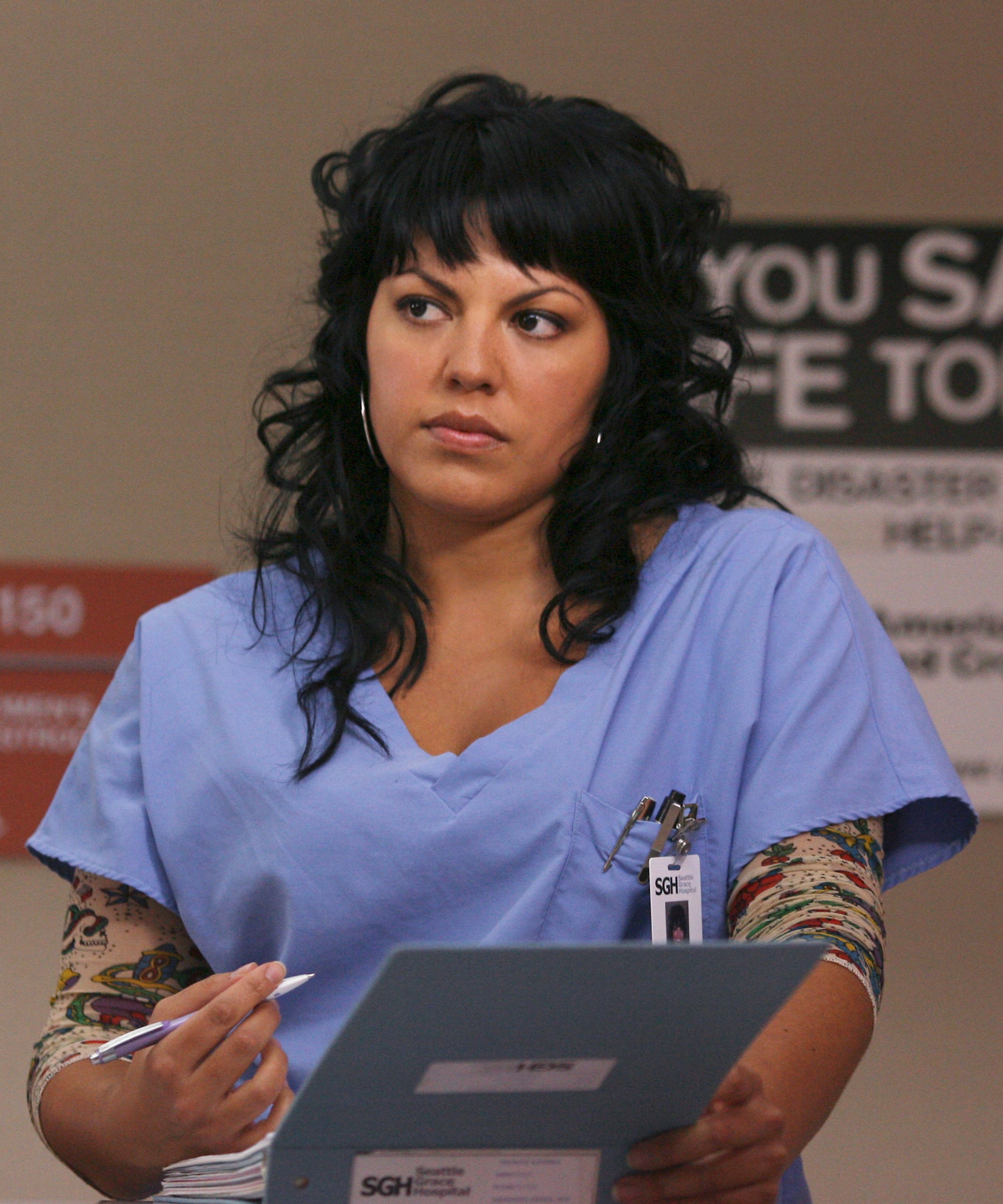
When Dr. Callie Torres first appeared in Season 2, she was not the powerhouse brand we remember today. She was introduced as a “disruptor.” In branding terms, a disruptor is an entity that challenges the existing status quo of a market. In the context of Seattle Grace Hospital, Callie challenged the social hierarchy and the aesthetic norms of the show’s established cast.
Breaking the Mold of the Traditional Protagonist
At the time of her debut, the Grey’s Anatomy brand was built on a very specific archetype: the waifish, often neurotic, surgical intern. Callie Torres arrived as an established resident with a specialize skill set—orthopedic surgery—and a confidence that bordered on aggressive. This was a strategic “brand extension” for the show. By introducing a character who didn’t care about fitting in, the showrunners expanded their reach to a broader demographic. Callie’s brand was built on “bone-breaking” toughness, which provided a necessary contrast to the softer, emotional storylines of the core cast.
Intersectionality as a Brand Pillar
As the character evolved, the Callie Torres brand became synonymous with representation. Her journey from a straight-coded character to the longest-running LGBTQ+ character in television history (at that time) was a pivot that significantly increased the show’s “Brand Equity.” For many viewers, Callie was no longer just a doctor; she was a symbol of intersectional identity. This shift made her brand indispensable to the show’s social relevance. When a brand becomes a symbol, its value skyrockets, but so do the risks associated with its eventual retirement or transition.
The Strategic Departure: Navigating the “Series Regular” Exit Strategy
The question of “what happened” to Callie is often met with the literal narrative answer: she moved to New York to be with her girlfriend, Penny Blake, and to facilitate a co-parenting arrangement with Arizona Robbins. However, from a brand strategy perspective, the “what happened” is an example of a “planned obsolescence” or a strategic exit.
Knowing When to Rebrand: The Actor’s Perspective
Sara Ramirez had played the role for ten years. In any professional career, a decade in one “firm” (in this case, one show) often leads to a plateau in brand growth. For Ramirez, the Callie Torres brand had reached its maturity phase. In the lifecycle of a brand, the maturity phase is followed by either decline or reinvention. Ramirez chose reinvention.
By taking a “break” from the show—a move that was reportedly not known to the writers until late in the production of the Season 12 finale—Ramirez engaged in a classic personal branding move: the “Scarcity Play.” By stepping away from a guaranteed platform, the actor signaled to the industry that their brand was ready for new, different challenges beyond the confines of a medical procedural.
Managing the Fan Community Brand Equity
The way a brand exits a market determines its legacy. Because Callie was not killed off (unlike many other characters on the show), the “Callie Torres Brand” remained intact as a “dormant asset.” Shonda Rhimes and the writing team opted for an open-ended departure. This preserved the brand’s value, allowing for potential future collaborations and maintaining fan goodwill. A “messy” exit, such as a character assassination or a sudden death, would have devalued the years of emotional investment the audience had placed in the Callie brand.
The Residual Brand Value of Callie Torres
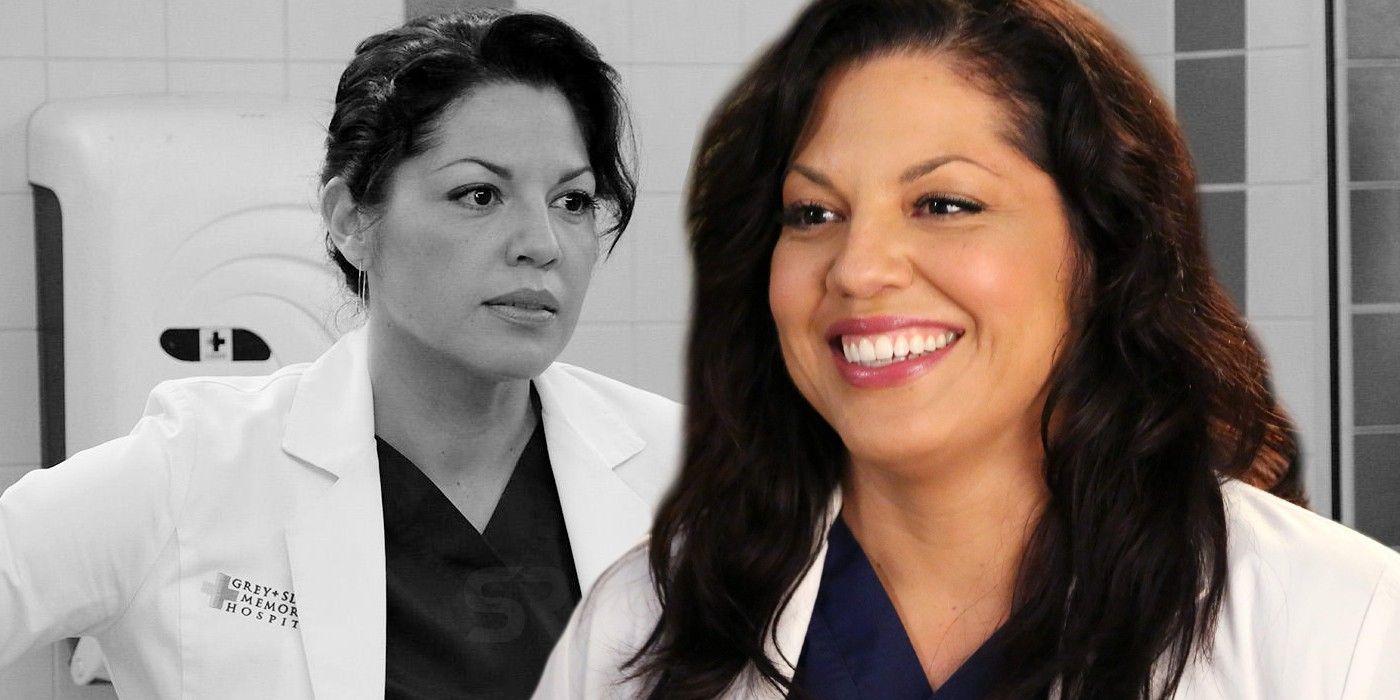
Even years after her departure, the Callie Torres brand continues to generate value for the Grey’s Anatomy ecosystem. This is what marketers call “Residual Brand Equity.” The character’s influence is felt in the way new characters are developed and how the show’s narrative themes of motherhood, career ambition, and queer identity continue to resonate.
The Legacy of Orthopedic Innovation and Representation
Callie’s brand was heavily tied to innovation. She wasn’t just a surgeon; she was a pioneer in robotic limbs and cartilage sensors. In terms of brand positioning, Callie occupied the “Innovation” niche. When she left, there was a vacuum in that space that the show had to work hard to fill with characters like Link (Atticus Lincoln). However, because Callie’s brand was so distinct, her legacy remains the benchmark for “surgical badassery” on the show.
How the Grey’s Anatomy Corporate Brand Absorbs Loss
One of the most fascinating aspects of Grey’s Anatomy as a corporate brand is its “Resilience Strategy.” The show has survived the loss of its original lead (Ellen Pompeo eventually moved to a limited role), its “McDreamy” (Patrick Dempsey), and its “Yang” (Sandra Oh). The departure of Callie was a test of this resilience.
The show’s brand strategy relies on the “Ensemble Effect.” By diversifying its assets (characters), the show ensures that no single departure can bankrupt the brand. When Callie left, the show leaned harder into the “Arizona Robbins” brand, and later, introduced new characters to carry the torch of Callie’s specific brand pillars. This is akin to a company like Apple surviving the loss of Steve Jobs by ensuring the brand’s core values were baked into the corporate culture rather than just the individual.
Beyond the Hospital: The Post-Grey’s Rebranding of Sara Ramirez
To fully answer what happened to Callie, we must look at what happened to the person behind the brand. Sara Ramirez’s transition from Callie Torres to Che Diaz on And Just Like That… is a fascinating study in brand evolution and the risks of “pivoting” too far from a core identity.
Diversifying the Portfolio
After Grey’s, Ramirez worked on Madam Secretary and then moved into the Sex and the City reboot. This move was a deliberate attempt to diversify their professional portfolio. The Callie Torres brand was one of warmth, vulnerability, and heroism. In contrast, the Che Diaz brand was designed to be polarizing, modern, and challenging.
This is a common strategy for actors who have been associated with a single brand for too long. To avoid “Brand Stagnation,” they often choose roles that are the antithesis of their most famous character. While this can alienate “legacy customers” (long-time Grey’s fans), it attracts new audiences and demonstrates “Brand Versatility.”
Lessons for Modern Personal Branding
The trajectory of Callie Torres offers several key takeaways for anyone looking to manage their own professional or personal brand:
- Consistency is King: Callie’s brand was built on a consistent set of values—honesty, passion, and technical excellence. This consistency is what built the “Customer Loyalty” that keeps fans asking about her years later.
- Control the Narrative: By choosing to leave on their own terms, Sara Ramirez took control of the “Narrative Arc” of their career. In branding, if you don’t control your story, someone else (the market, the studio, the media) will.
- Leave the Door Open: By not burning bridges and ensuring a non-fatal exit for the character, the Callie Torres brand remains a “re-activatable asset.” In business, you never want to fully close off a successful revenue stream if you can help it.
What happened to Callie on Grey’s Anatomy was not an ending, but a strategic reallocation of brand resources. Callie moved to New York, freeing the show to explore new dynamics and freeing the actor to explore new facets of their craft. In the world of high-level branding, a successful exit is just as important as a successful launch. Dr. Callie Torres left the building, but the brand she built remains one of the most successful “products” in the history of television medical dramas.
aViewFromTheCave is a participant in the Amazon Services LLC Associates Program, an affiliate advertising program designed to provide a means for sites to earn advertising fees by advertising and linking to Amazon.com. Amazon, the Amazon logo, AmazonSupply, and the AmazonSupply logo are trademarks of Amazon.com, Inc. or its affiliates. As an Amazon Associate we earn affiliate commissions from qualifying purchases.