
In the world of professional brand strategy, few case studies are as poignant or as instructive as the legacy of Buddy Holly. While history often remembers him through the lens of the tragic 1959 plane crash—famously dubbed “The Day the Music Died”—from a strategic branding perspective, Holly was far more than a musician. He was an innovator who redefined the visual identity, product delivery, and market positioning of the modern entertainer.
What happened to Buddy Holly was not just the end of a life; it was the birth of a brand archetype that continues to influence the music industry, fashion, and personal branding strategies more than six decades later. To understand his impact, we must look beyond the biography and analyze how Holly constructed a persona that transitioned from a regional act in Lubbock, Texas, to a global cultural institution.

Establishing the Visual Identity: The Power of the “Geek Chic” Aesthetic
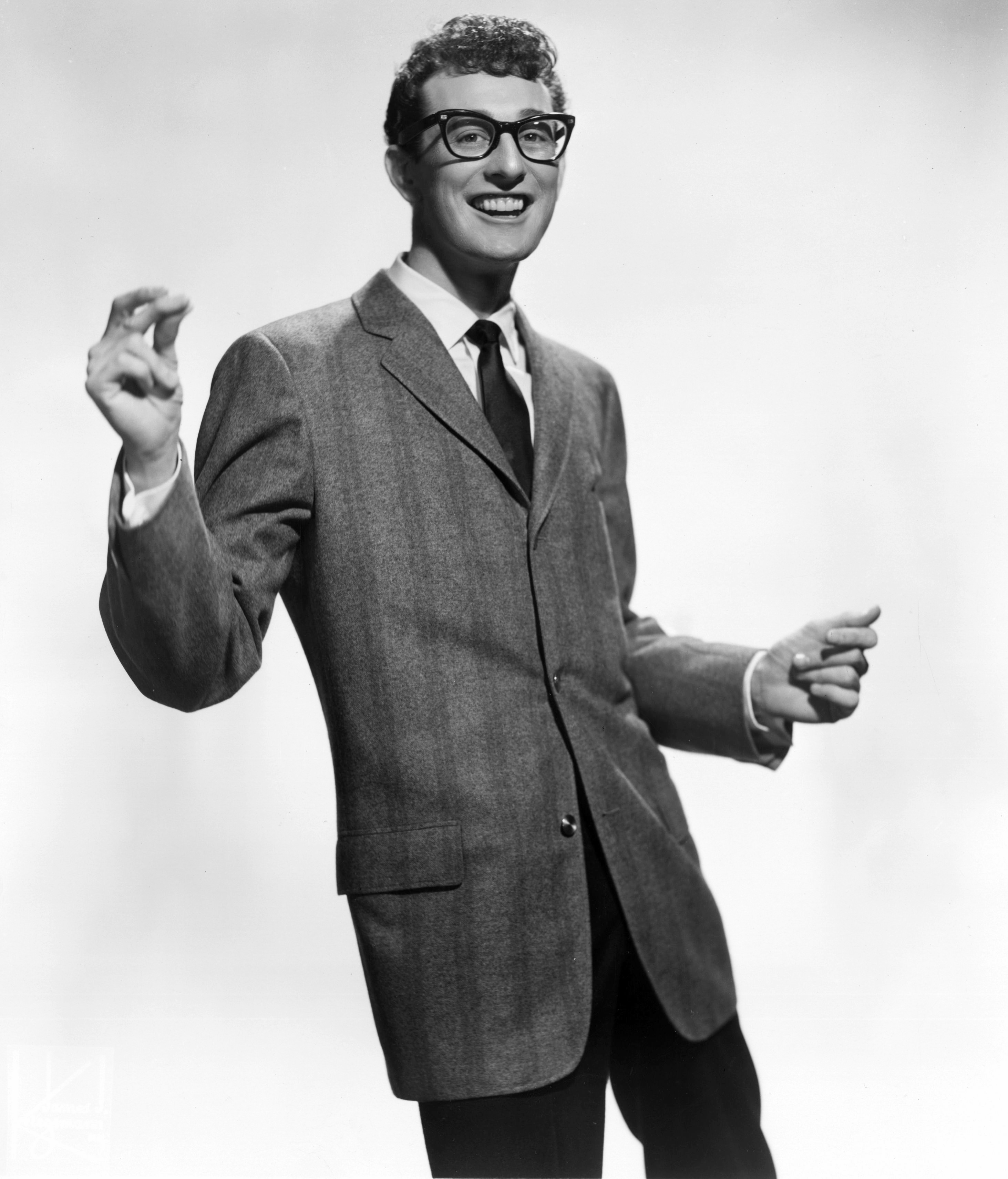
Long before modern marketers spoke about “visual consistency” and “niche targeting,” Buddy Holly understood the power of a signature look. In the mid-1950s, the archetype for a male rock star was established by figures like Elvis Presley: hyper-masculine, rebellious, and physically imposing. Holly was none of these things. Instead of competing on the same field, he pivoted, creating a brand identity that was accessible and intellectually grounded.
Breaking the Mold of the 1950s Idol
Holly’s brand strategy was rooted in relatability. He represented the “everyman,” a sharp contrast to the untouchable gods of early rock. This was a deliberate positioning move. By presenting himself as a clean-cut, polite young man who looked more like a college student than a leather-clad rebel, he lowered the barrier of entry for a wider audience. This “approachable” brand identity allowed parents to feel comfortable with their children consuming his music, effectively expanding his total addressable market (TAM) beyond the narrow “juvenile delinquent” demographic associated with early rock.
The Iconography of the Horn-Rimmed Glasses
Perhaps the most successful element of Holly’s personal branding was his eyewear. Initially, Holly attempted to perform without glasses to fit the industry standard, but he struggled with visibility on stage. On the advice of his optometrist, Dr. J. Davis Armistead, Holly embraced his need for corrective lenses. They chose thick, black horn-rimmed frames (Mexican-made Faosa frames).
This was a masterstroke in brand differentiation. The glasses became his logo. In a market saturated with “cool” singers, the glasses became a visual shorthand for his brand. Decades later, when a consumer sees a pair of thick-rimmed black glasses, the mental association with Holly is immediate. This is the pinnacle of brand equity: owning a specific visual cue so completely that it functions independently of the brand name.
Strategic Innovation in Sound and Performance
A brand is only as strong as its product, and Holly was a relentless product innovator. He didn’t just record songs; he developed a unique “sonic brand” that differentiated his output from the standard blues-based rock of his contemporaries. His willingness to experiment with the “technology” of his time—studio recording techniques—set a new benchmark for what a musical brand could deliver.
Owning the “Fender Stratocaster” Association
In the same way that Nike is synonymous with athletic performance, Buddy Holly became the unofficial ambassador for the Fender Stratocaster. At the time, the Stratocaster was a futuristic, somewhat misunderstood piece of hardware. By making it his primary instrument, Holly associated his brand with technical precision and modernism. The guitar wasn’t just a tool; it was an extension of his visual brand. The sleek, sunburst curves of the Stratocaster complemented his “nerdy-but-cool” persona, creating a cohesive aesthetic that felt forward-thinking.
The Crickets: Forging the Prototype for the Modern Band
Holly’s branding genius also extended to his organizational structure. By forming “The Crickets,” he pioneered the “self-contained band” model. Prior to Holly, the industry standard was a solo singer backed by anonymous session musicians. The Crickets, however, were marketed as a unit.
This was a significant strategic shift. It allowed for “brand extensions” and diversified the brand’s appeal. It also created a blueprint for future corporate-style musical entities—most notably the Beatles, who took their name as a direct homage to the insect-themed brand of the Crickets. Holly understood that a cohesive team brand could often be more resilient and influential than a solo star.
Posthumous Branding: Managing a Legacy Across Generations
What happened to Buddy Holly after February 3, 1959, is a masterclass in posthumous brand management. While many artists fade into obscurity after their passing, the Holly brand has seen consistent growth in value and influence. This is largely due to the careful curation of his intellectual property and the powerful narrative that was built around his final days.
Intellectual Property and the Estate of Buddy Holly
The longevity of Holly’s brand is a result of tight control over his masters and likeness. Unlike many of his contemporaries who lost their rights to predatory labels, Holly’s estate—managed for years by his widow, Maria Elena Holly—was proactive in protecting his name, image, and likeness (NIL).
Through strategic licensing, the brand remained visible. From the 1978 biopic The Buddy Holly Story to the long-running West End musical Buddy, the estate ensured that the brand was introduced to new generations through high-quality storytelling. This prevented the “brand decay” that often occurs when an artist’s catalog is over-commercialized or neglected.
“The Day the Music Died” as a Marketing Narrative
In marketing, a compelling “origin story” or “foundational myth” is essential. The tragedy of the plane crash was transformed by Don McLean’s 1971 hit “American Pie” into a definitive cultural moment. This narrative framed Holly not just as a singer who died, but as a martyr for the innocence of rock and roll.
From a brand perspective, this created a “legacy premium.” His truncated career left behind a “what if?” factor that fueled perpetual consumer interest. Because there were no late-career failures or public scandals to dilute the brand, the “Buddy Holly” name remains frozen in a state of peak performance. He is the ultimate “evergreen” brand.
Lessons for Modern Brand Strategy
The story of Buddy Holly offers several critical takeaways for modern professionals in brand strategy, marketing, and personal identity management. His rise and enduring influence prove that brand power is not about following trends, but about creating a distinct, authentic space within the market.
Authenticity vs. Artifice
Holly’s brand succeeded because it was rooted in his actual identity. He didn’t try to be a “fake” Elvis; he leaned into his own personality. Modern brands often fail when they attempt to adopt a persona that doesn’t align with their core values. Holly’s “geek chic” worked because it was authentic. For a brand to have staying power, the “packaging” must match the “product.” Holly’s polite, professional demeanor in interviews matched his visual look and his melodic, disciplined music.
Consistency and the “Signature Move”
Whether it was his vocal “hiccup” or the aforementioned glasses, Holly understood the importance of the signature move. In a crowded marketplace, consumers need a shortcut to identify your brand. These small, consistent flourishes create brand recognition. Whether you are a corporate brand or an individual, identifying your “signature move”—that one thing you do better or differently than anyone else—is the key to standing out.

The Power of Influencing the Influencers
Finally, what happened to Buddy Holly’s brand was amplified by his “referral network.” By influencing the next generation of “market leaders”—The Beatles, The Rolling Stones, Bob Dylan, and Eric Clapton—Holly ensured his brand would be mentioned in every history of rock and roll written thereafter. In modern business, this is the equivalent of being the “industry standard” that other companies cite as their inspiration. When your brand becomes the foundation upon which others build, your market position becomes virtually unassailable.
In conclusion, Buddy Holly’s life was short, but his brand strategy was built for the long term. By focusing on visual differentiation, product innovation, and a relatable identity, he created a blueprint that survives the shifting sands of technology and taste. He proved that even in a volatile industry, a well-defined brand can achieve a form of immortality. For the modern strategist, the “Buddy Holly” model remains a gold standard for building a brand that is both timely and timeless.
aViewFromTheCave is a participant in the Amazon Services LLC Associates Program, an affiliate advertising program designed to provide a means for sites to earn advertising fees by advertising and linking to Amazon.com. Amazon, the Amazon logo, AmazonSupply, and the AmazonSupply logo are trademarks of Amazon.com, Inc. or its affiliates. As an Amazon Associate we earn affiliate commissions from qualifying purchases.