
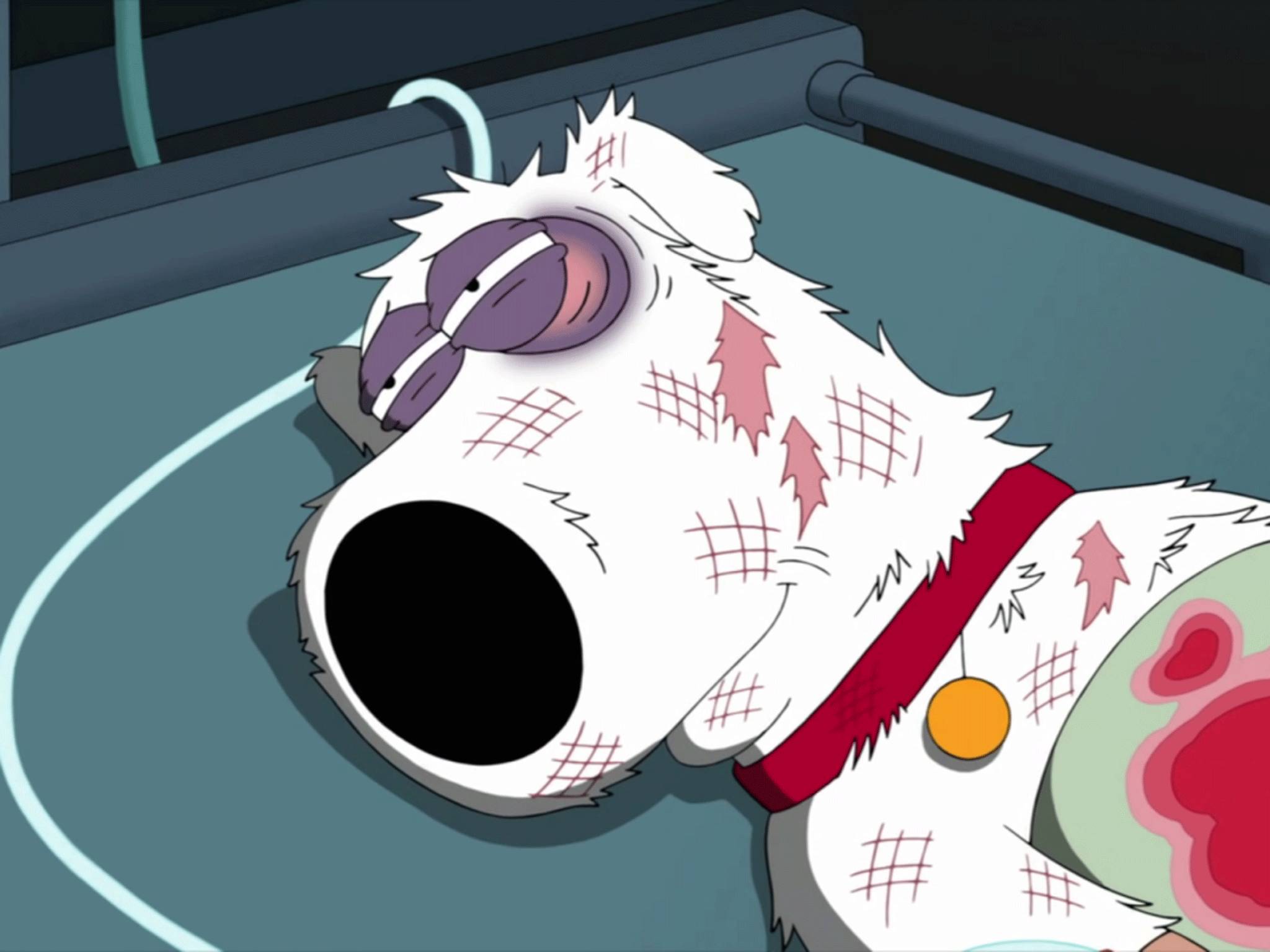
In the landscape of modern media, few events have demonstrated the volatility of audience loyalty and the power of brand equity quite like the “death” of Brian Griffin. On November 24, 2013, the Family Guy episode “Life of Brian” aired, depicting the untimely demise of the show’s sophisticated, anthropomorphic canine. For a series known for its irreverent humor and lack of permanent consequences, this was a seismic shift in corporate identity and narrative strategy.
To the casual viewer, it was a tragic plot twist. To the brand strategist, it was a high-stakes experiment in market disruption. By analyzing what happened to Brian, we can uncover profound lessons in personal branding, audience engagement, and the management of emotional assets within a global media franchise.
The Anatomy of a Calculated Brand Shock
The decision to kill off Brian Griffin was not a creative whim; it was a calculated maneuver designed to revitalize a brand that was entering its second decade. By Season 12, Family Guy faced the “stagnation trap” common to long-running intellectual properties. The audience knew the rhythm, the characters were predictable, and the brand was becoming “comfort food” rather than “appointment viewing.”
Breaking the Viewer’s Status Quo
In marketing, the “Pattern Interrupt” is a technique used to grab attention by deviating from expected norms. Brian’s death was the ultimate pattern interrupt. By removing a core pillar of the brand—the intellectual foil to Peter and the emotional anchor for Stewie—the producers forced the audience to reassess their relationship with the show. This created an immediate spike in brand relevance. Suddenly, Family Guy was not just a background noise cartoon; it was the subject of water-cooler conversations and global news headlines.
The Viral Loop: From Newsrooms to Social Media
From a brand strategy perspective, the “death” functioned as a massive PR campaign. Within hours of the episode airing, the news had transcended entertainment blogs and reached mainstream outlets like CNN and the BBC. This organic reach is the holy grail of marketing. The “Save Brian” petitions that followed, which garnered hundreds of thousands of signatures, served as a real-time data set for 20th Century Fox. It provided a metric for “brand passion” that traditional ratings could not fully capture. It proved that the character of Brian Griffin possessed significant “Personal Brand Equity”—he was no longer just a drawing; he was a valuable corporate asset.
Replacing an Icon: The Introduction of Vinny as a Brand Pivot
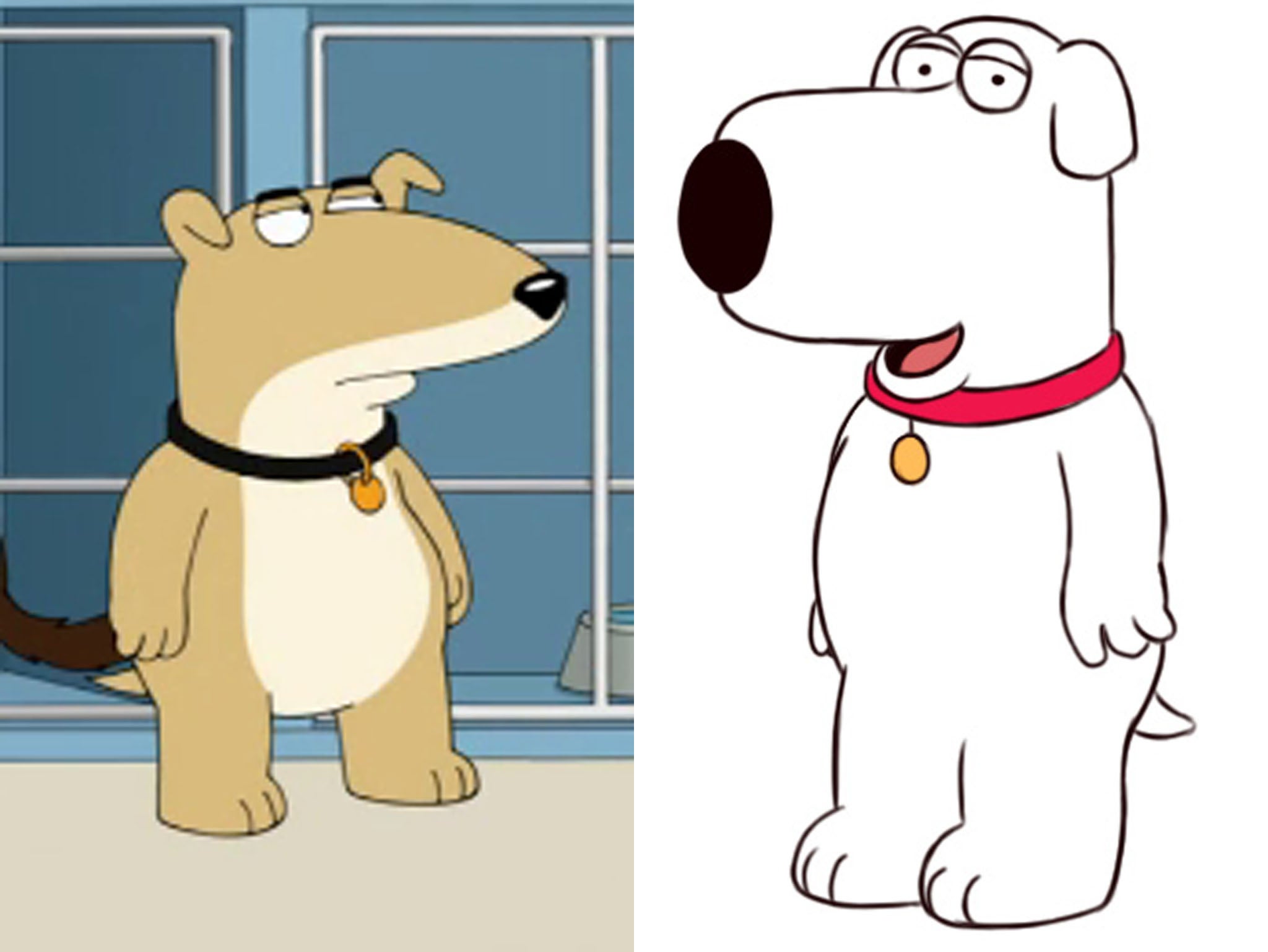
When a company retires a beloved product, the replacement must be handled with surgical precision. The introduction of Vinny, voiced by Tony Sirico, was a strategic pivot intended to test the brand’s flexibility. The producers weren’t just testing a new character; they were testing the “Family Guy” brand’s ability to evolve without its original components.
The Challenge of the New Entity
Vinny was designed to be the antithesis of Brian. Where Brian was pretentious, liberal, and often cynical, Vinny was warm, street-smart, and loyal. This was a classic “rebranding” move. The goal was to see if the “Stewie-and-the-dog” dynamic (a sub-brand within the show) could survive a change in personnel. In corporate terms, this is akin to a tech giant replacing a flagship software interface—the functionality remains similar, but the user experience is fundamentally altered.
Audience Resistance and the “Coke Classic” Effect
The backlash to Vinny was swift and intense. This reaction mirrors the infamous “New Coke” failure of 1985. When Coca-Cola changed its formula, the public didn’t just reject the taste; they felt a sense of personal betrayal because their emotional connection to the brand had been violated. Similarly, Family Guy fans didn’t hate Vinny because he was a poorly written character; they hated him because he was an “imposter” in a space reserved for an established brand icon. This phase of the Brian Griffin incident illustrates a vital brand lesson: the audience often feels a sense of “psychological ownership” over a brand, and drastic changes without a clear transition period can lead to brand alienation.
The Mechanics of the Resurrection: Leveraging Nostalgia and Tech in Storytelling
Just three episodes after his death, Brian was brought back via a time-travel plot device. While some critics called it a “cheap stunt,” from a brand management perspective, it was a masterful “Return to Core Values.” The resurrection was the “Coke Classic” moment for Family Guy, where the brand acknowledged the power of its original “formula” and restored it to satisfy market demand.
Restoring Brand Equity
The return of Brian Griffin was not a sign of creative defeat, but rather a strategic validation of the character’s worth. By taking Brian away and then returning him, the producers effectively “reset” the character’s value. Familiarity often breeds contempt, or at least indifference. By making the audience mourn the character, the brand ensured that his return would be met with renewed appreciation. This is a common tactic in luxury branding—creating artificial scarcity to drive up perceived value.
The Long-Term Impact on Family Guy’s Legacy
The Brian Griffin incident proved that the Family Guy brand was “anti-fragile.” It could withstand massive controversy, experimental pivots, and even the temporary removal of a lead character. The use of “Time Travel”—a narrative technology within the show’s universe—allowed the writers to maintain the “Multiverse” brand identity, where the stakes are high enough to be engaging but flexible enough to protect the long-term health of the franchise. It reinforced the idea that Family Guy is a brand built on the “impossible,” allowing it to break the rules of traditional television branding.
Lessons for Modern Marketing: Managing Emotional Assets
The saga of Brian Griffin offers a blueprint for any brand looking to navigate the complexities of modern consumer loyalty. It highlights the thin line between engagement and alienation and demonstrates how emotional assets must be managed with both courage and caution.
Understanding Fan Entitlement and Consumer Psychology
Modern brands no longer exist in a vacuum; they exist in a dialogue with their consumers. The Brian Griffin incident was one of the first major examples of “Fan Activism” influencing a major corporate narrative in the social media era. Strategists must understand that when consumers invest time and emotion into a brand, they expect a seat at the table. Seth MacFarlane later tweeted that the lesson of the episode was “Don’t take those you love for granted; they can be gone in a flash,” but the corporate lesson was “Don’t underestimate the power of your audience’s emotional investment.”

The Power of Scarcity in Content Consumption
In an era of endless streaming and content saturation, “scarcity” is a difficult brand attribute to cultivate. By “killing” Brian, the producers created a temporary scarcity of a beloved resource. This forced the audience to stop consuming the show passively and start engaging with it actively. Whether it was through social media debates, online petitions, or increased live viewership to see “what happens next,” the brand successfully transitioned its audience from passive consumers to active stakeholders.
In conclusion, what happened to Brian on Family Guy was more than a plot point; it was a sophisticated brand exercise that tested the limits of audience loyalty. It proved that a brand’s greatest strength is its emotional connection to its audience, and that sometimes, the best way to move a brand forward is to take a daring, dangerous step backward—only to return stronger, more valued, and more resilient than ever before. The “Life of Brian” was a temporary sacrifice for the “Legacy of Family Guy,” ensuring the show’s relevance in a rapidly changing media marketplace.
aViewFromTheCave is a participant in the Amazon Services LLC Associates Program, an affiliate advertising program designed to provide a means for sites to earn advertising fees by advertising and linking to Amazon.com. Amazon, the Amazon logo, AmazonSupply, and the AmazonSupply logo are trademarks of Amazon.com, Inc. or its affiliates. As an Amazon Associate we earn affiliate commissions from qualifying purchases.