
When enthusiasts and industry analysts ask “what happened to Bone Thugs-N-Harmony,” they are rarely asking about the group’s physical whereabouts. Instead, the question is a deeper inquiry into the lifecycle of one of the most distinct brands in music history. In the volatile world of hip-hop, where trends expire in months and collective units often dissolve under the pressure of fame, Bone Thugs-N-Harmony represents a masterclass in brand resilience, niche preservation, and the strategic management of a legacy.
To understand what happened to the group is to understand the shift from a high-growth “disruptor” brand in the 1990s to a “legacy” brand in the modern digital era. This transition was not accidental; it was the result of a complex interplay between a unique visual identity, a proprietary musical sound, and a series of strategic pivots that allowed them to survive the collapse of the traditional record label model.

The Foundation of the Brand: Defining the Harmony-Grit Aesthetic
Every successful brand requires a Unique Selling Proposition (USP). For Bone Thugs-N-Harmony, this was established in the mid-1990s through a radical blend of “chopper” style rapid-fire delivery and melodic gospel-influenced harmonies. This “Harmony-Grit” aesthetic allowed them to occupy a space that was simultaneously aggressive and soulful, bridging the gap between the hard-edged reality of the streets and the commercial accessibility of the pop charts.
The E. 1999 Blueprint and Visual Identity
The group’s brand was crystallized under the mentorship of Eazy-E and the Ruthless Records banner. The branding of their seminal album, E. 1999 Eternal, utilized dark, occult-adjacent imagery and an uncompromising focus on their Cleveland, Ohio, roots. In branding terms, this was “geographic positioning.” By planting their flag in the Midwest, they avoided the saturated East Coast vs. West Coast rivalry of the era, creating a “Blue Ocean” strategy where they were the sole dominant players in their regional market.
Establishing the Intellectual Property of “The Flow”
In the world of personal branding, the group’s specific cadence became their most valuable intellectual property. Before “mumble rap” or the melodic trap of the 2010s, Bone Thugs-N-Harmony patented a vocal structure that was entirely theirs. This consistency in their “product design” ensured that even as the members aged, the brand remained instantly recognizable. When a consumer hears a Bone Thugs track, they aren’t just hearing music; they are interacting with a highly specific brand signature that has remained unchanged for three decades.
Navigating the Digital Shift: Brand Preservation in the Age of Streaming
The question of “what happened” often refers to the group’s perceived disappearance from the mainstream Billboard charts. However, in the context of brand strategy, this move was a transition from mass-market saturation to a “high-retention” model. As the music industry shifted from physical sales to digital streaming, Bone Thugs-N-Harmony had to decide whether to chase modern trends or double down on their core identity.
Adapting to New Consumption Models
While many 90s groups struggled to find their footing on platforms like Spotify and Apple Music, the Bone Thugs brand benefited from a “long-tail” marketing effect. Their catalog—anchored by hits like “Tha Crossroads” and “1st of tha Month”—functions as a recurring revenue stream that introduces the brand to new generations. By maintaining a consistent presence on social media and digital platforms, the group transitioned from being “chart-toppers” to being “staples.” They realized that in the digital age, a loyal, niche audience is often more sustainable than a fickle, broad one.
Leveraging Nostalgia as a Marketable Asset
Nostalgia is one of the most powerful tools in brand management, and Bone Thugs-N-Harmony has utilized it with surgical precision. They recognized that their brand held significant “equity” for Gen X and Millennial consumers. By focusing on anniversary tours and commemorative re-releases, they tapped into the emotional connection their audience had with their formative years. This wasn’t a sign of a fading brand; it was a strategic shift toward a “Heritage Brand” status, similar to luxury fashion houses that lean on their history to justify their current market value.
Crisis Management and Internal Brand Cohesion
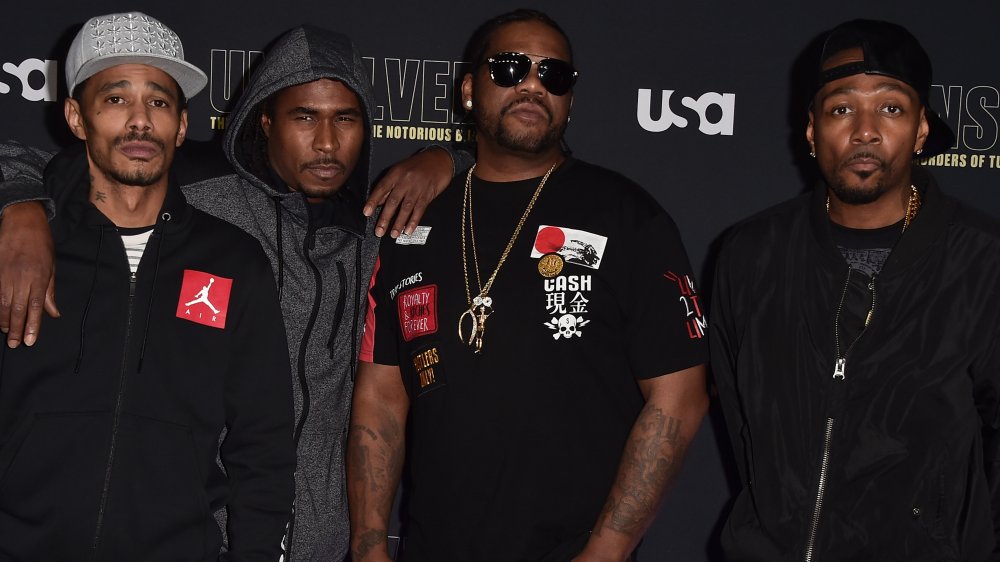
One of the most significant challenges any multi-member brand faces is internal fragmentation. Over the years, the “Bone” brand has dealt with member departures, legal hurdles, and public disputes—most notably involving Bizzy Bone. What happened during these periods was a live-action case study in crisis management and brand flexibility.
Strategic Hiatuses and Solo Brand Ventures
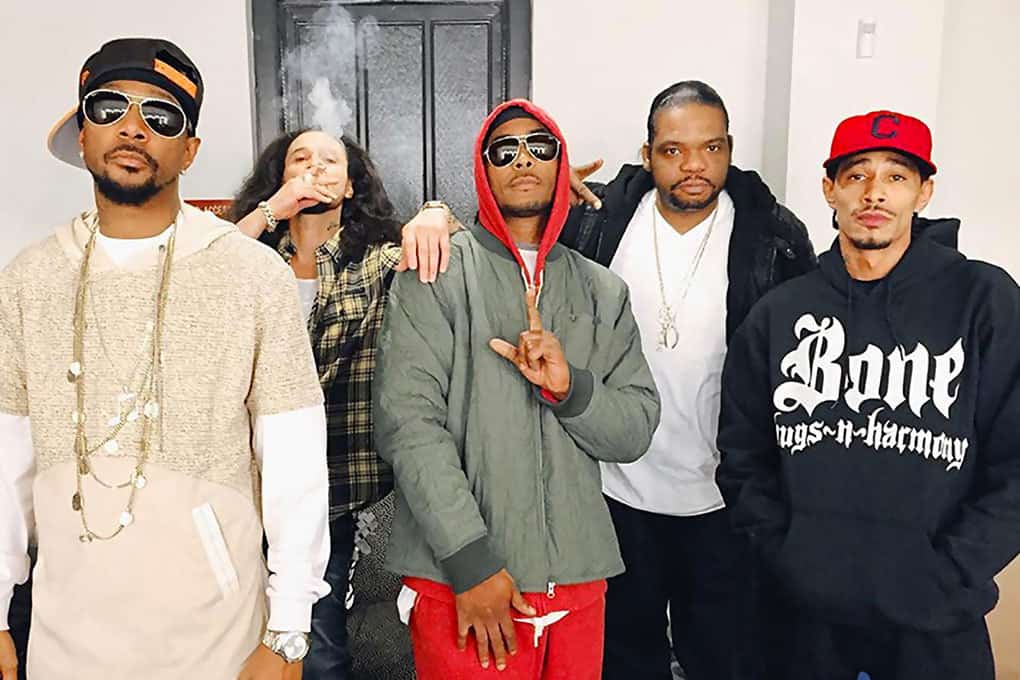
The brand survived by allowing for individual expansion without dismantling the collective identity. Krayzie Bone, Layzie Bone, Wish Bone, Flesh-n-Bone, and Bizzy Bone all pursued solo ventures, which acted as “sub-brands.” These solo projects allowed each member to explore their individual artistic identities, but they inevitably fed back into the primary Bone Thugs-N-Harmony brand. When the group reunited for major events, the “reunion” itself became a marketing event, generating renewed interest and media coverage.
The Bizzy Bone Variable: Managing Unpredictability
In branding, unpredictability is often viewed as a liability. However, for Bone Thugs-N-Harmony, the internal friction—particularly the public “will-they-won’t-they” nature of Bizzy Bone’s involvement—added a layer of narrative tension that kept the brand in the news cycle. While corporate brands seek total consistency, a music brand often thrives on “authentic drama.” The group managed to frame these internal struggles as part of their “outlaw” persona, ensuring that even their controversies felt “on-brand.”
The Modern Era: Strategic Collaborations and The “Legends” Status
If we look at the current state of the group, it is clear that they have successfully navigated the “decline” phase of the product lifecycle and entered the “legendary” phase. This is characterized by a shift from active competition to serving as an industry benchmark.
Verzuz and the Resurgence of Brand Equity
A pivotal moment in the recent history of the Bone Thugs brand was their 2021 Verzuz battle against Three 6 Mafia. This event was a high-stakes brand audit. It allowed the group to showcase the depth of their catalog to a live, global digital audience. The “clash” served as a reminder of their influence, effectively “re-platforming” their brand for the 2020s. The social media engagement surrounding the event proved that the Bone Thugs-N-Harmony brand still possessed significant cultural capital, capable of trending globally despite having no “current” radio hits.
Intellectual Property and the Future of the Bone Franchise
The group has also become more sophisticated in how they manage their name, image, and likeness (NIL). From cannabis lines to clothing brands and independent record labels (such as Krayzie Bone’s “The Life Entertainment”), the members have diversified their brand portfolio. They are no longer just rappers; they are the stewards of a multi-dimensional franchise. This diversification answers the “what happened” question definitively: they evolved from employees of a record label into owners of their own intellectual property.
Conclusion: The Endurance of a Specialized Brand
The story of Bone Thugs-N-Harmony is not one of a group that faded away, but one of a brand that successfully adapted to a changing marketplace. They avoided the “death-by-relevance” trap—where a brand tries so hard to stay current that it loses its soul. Instead, they leaned into their unique identity, managed their internal crises with transparency, and capitalized on the power of nostalgia and digital long-tail economics.
In the final analysis, “what happened” to Bone Thugs-N-Harmony is that they became an institution. They proved that if a brand is built on a truly unique foundation and maintains a high level of authenticity, it can survive the transition from the analog past to the digital future. Their journey serves as a blueprint for any brand seeking longevity: define your niche, protect your intellectual property, and never be afraid to evolve while staying true to your core “harmony.”
aViewFromTheCave is a participant in the Amazon Services LLC Associates Program, an affiliate advertising program designed to provide a means for sites to earn advertising fees by advertising and linking to Amazon.com. Amazon, the Amazon logo, AmazonSupply, and the AmazonSupply logo are trademarks of Amazon.com, Inc. or its affiliates. As an Amazon Associate we earn affiliate commissions from qualifying purchases.