
In the hyper-competitive landscape of Japanese media, few intellectual properties (IPs) have navigated the turbulent waters of market saturation and production shifts as dramatically as Black Clover. Since its debut in 2015, the series has transformed from a criticized “underdog” in the Weekly Shonen Jump lineup to a global powerhouse. However, the recent years have left many casual observers asking: “What happened to Black Clover?” From a branding and strategic marketing perspective, the answer isn’t a story of decline, but rather one of a sophisticated brand pivot designed to ensure long-term IP longevity in a changing digital economy.
The Foundation of the Black Clover Brand Identity
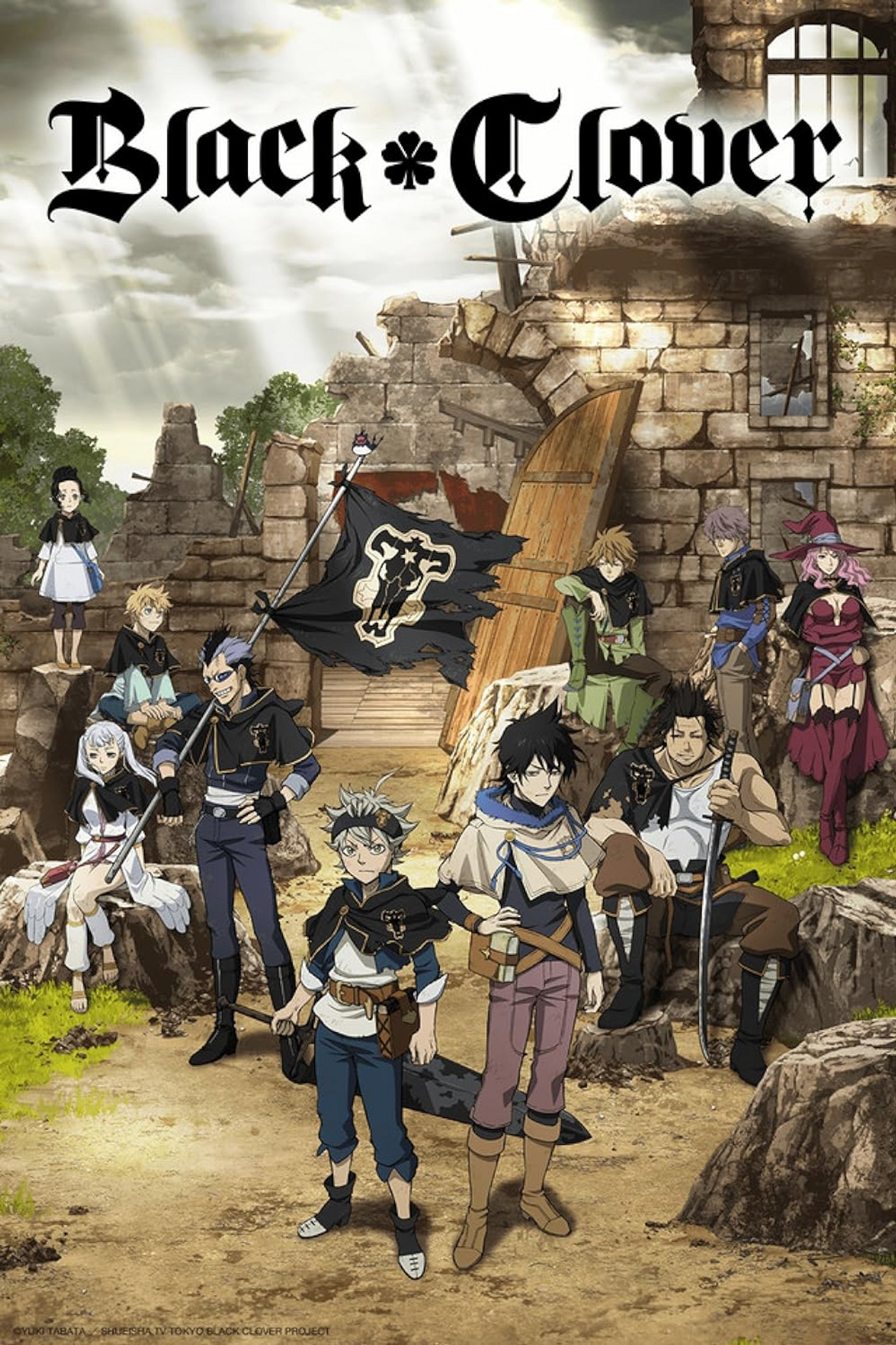
To understand the current state of the series, one must first analyze the core brand identity established by its creator, Yuki Tabata, and Shueisha. In the world of manga and anime, “branding” is often synonymous with the genre tropes that define a series’ marketability. Black Clover was positioned as a “traditional battle shonen,” leaning heavily into established archetypes: the underdog protagonist, a magic-filled world, and the power of friendship.
Overcoming the “Generic” Label
Early in its lifecycle, the Black Clover brand suffered from a perception problem. Critics often labeled it a derivative of Naruto or Bleach. From a brand strategy standpoint, this was a dangerous position; being perceived as a “generic” version of a legacy brand often leads to early cancellation. However, the series engaged in an aggressive rebranding through consistency. By leaning into its “never give up” mantra—not just in the story, but through the relentless output of the manga and anime—the brand carved out a niche for itself as the reliable, high-energy alternative for fans who missed the “Big Three” era of the 2000s.
Market Positioning Against Modern Giants
As the industry shifted toward “prestige shonen”—series like Jujutsu Kaisen and Chainsaw Man that feature darker themes and unconventional pacing—Black Clover maintained its position as the standard-bearer for traditional values. This clear market positioning allowed it to retain a loyal demographic of younger viewers and nostalgic older fans, ensuring that its brand equity remained high even as the “flavor of the month” changed elsewhere in the industry.
Strategic Pivot: From Weekly Sprints to Quarterly Marathons
The most significant event in the recent history of the Black Clover brand was its departure from the flagship Weekly Shonen Jump magazine to the quarterly Jump GIGA. While fans viewed this through the lens of the author’s health and schedule, the move represents a profound strategic shift in how the IP is managed.
Protecting the Intellectual Property
In the modern media environment, an IP’s value is tied to its quality and completion. Forcing a creator to produce weekly content under duress often leads to a decline in artistic quality, which in turn devalues the brand. By moving Black Clover to a quarterly schedule, Shueisha executed a “brand preservation” strategy. This move allows the final chapters of the story to be produced with high-tier art and deliberate pacing, ensuring that the collected volumes (the permanent products of the brand) remain high-quality assets for years to come.
Managing Scarcity and Demand
The shift from weekly to quarterly updates fundamentally changes the consumer’s relationship with the brand. It moves the series from a “commodity” consumed every seven days to an “event” occurring four times a year. This scarcity can actually increase brand engagement among the “hardcore” segment of the audience, as each release becomes a significant milestone. This strategy mirrors how luxury brands or “boutique” media projects operate—prioritizing depth and quality over constant visibility.

Maintaining Brand Equity During Production Hiatuses
The Black Clover anime adaptation by Studio Pierrot faced a similar crossroads. After a continuous run of 170 episodes, the series went on an indefinite hiatus in 2021. From a marketing perspective, a hiatus is a double-edged sword: it prevents brand fatigue, but it also risks “out of sight, out of mind” syndrome.
The Movie as a Brand Bridge
To combat the potential loss of relevance, the production committee released the film Black Clover: Sword of the Wizard King on Netflix. This was a masterclass in brand bridging. By partnering with a global streaming giant, the brand reached an audience outside of the traditional anime simulcast bubble. The film served as a “proof of concept” for the brand’s high-fidelity potential, showcasing what Black Clover could look like with a movie-level budget. This maintained the brand’s “top-of-mind” status even while the weekly series was absent.
Cross-Media Integration and Gaming
The Black Clover brand has also expanded its footprint through digital software and mobile gaming, specifically with the launch of Black Clover M: Rise of the Wizard King. In the current tech-driven landscape, a brand cannot survive on one medium alone. The mobile game acts as a constant touchpoint for consumers, offering interactive engagement with the IP when there is no new manga or anime content to consume. This diversification of the brand portfolio ensures a steady revenue stream and keeps the community active across different digital platforms.
Lessons in Brand Resilience: The Path to the Series Finale
What happened to Black Clover is not an ending, but an evolution. The series is currently in its “Legacy Phase,” where the primary goal is to conclude the narrative in a way that solidifies its place in the history of the genre.
The Importance of a Controlled Conclusion
Brands are often remembered by how they end. A rushed or poorly executed finale can destroy years of brand loyalty (as seen in various high-profile television and manga series). By allowing Yuki Tabata the time to finish the story on his own terms in Jump GIGA, the publishers are prioritizing the “completion value” of the series. A well-regarded ending ensures that the brand remains evergreen, leading to future sales of “Complete Editions,” merchandise, and potential “Next Generation” sequels or reboots.
Brand Loyalty as a Competitive Advantage
The resilience of the Black Clover brand is a testament to the power of community management and brand loyalty. Despite long gaps between manga chapters and years without a television return, the global fanbase remains one of the most vocal on social media. This “earned media” is invaluable; it provides organic marketing that no corporate budget can replicate. The brand’s ability to survive multiple shifts in distribution and frequency highlights the strength of its core identity.

Conclusion: The Future of the Black Clover Identity
As we look toward the future, Black Clover serves as a case study for IP management in the 21st century. It has successfully navigated the transition from a traditional print-first model to a diversified, multi-platform brand. The “disappearance” of the series from the weekly headlines was not a sign of failure, but a tactical retreat to regroup and ensure a high-quality finish.
The brand strategy of Black Clover teaches us that longevity often requires flexibility. Whether it is shifting publication schedules to protect the “creator-brand,” using international streaming to bridge production gaps, or leveraging mobile gaming to maintain daily engagement, the stewards of the Black Clover IP have shown a keen understanding of modern market dynamics. When the series eventually reaches its climax, it will do so not as a burnt-out weekly remains, but as a polished, premium brand that has mastered the art of the pivot. The story of what happened to Black Clover is ultimately a story of brand survival and the strategic pursuit of a lasting legacy.
aViewFromTheCave is a participant in the Amazon Services LLC Associates Program, an affiliate advertising program designed to provide a means for sites to earn advertising fees by advertising and linking to Amazon.com. Amazon, the Amazon logo, AmazonSupply, and the AmazonSupply logo are trademarks of Amazon.com, Inc. or its affiliates. As an Amazon Associate we earn affiliate commissions from qualifying purchases.