
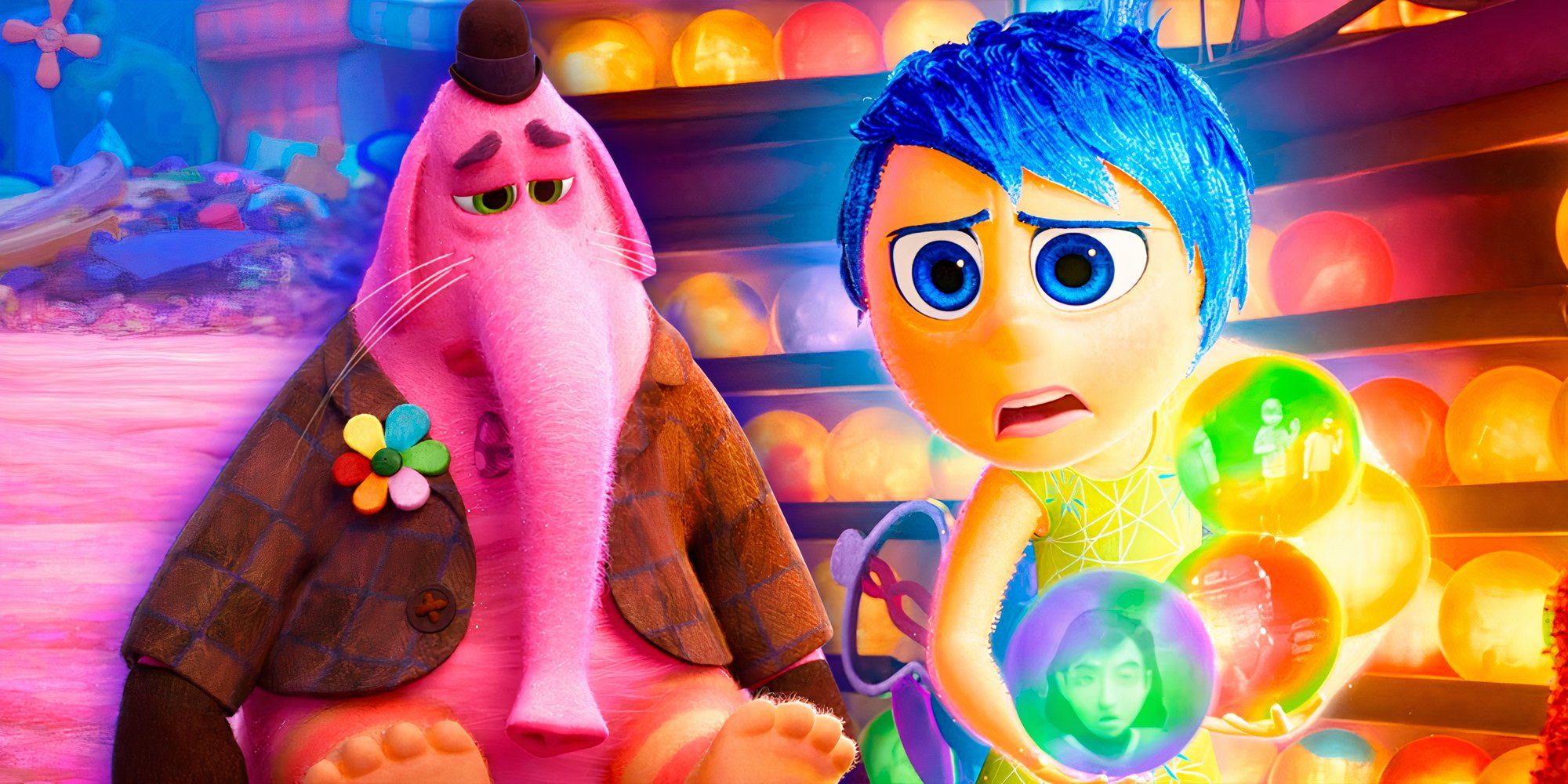
When Inside Out 2 was announced, the collective digital consciousness of moviegoers and brand analysts alike asked one singular, poignant question: “What happened to Bing Bong?” The pink, cotton-candy-bodied elephant-cat-dolphin hybrid was the emotional cornerstone of the original 2015 film. His sacrifice in the Memory Dump remains one of the most effective pieces of brand storytelling in modern cinematic history. However, as the sequel transitioned Riley into the turbulent waters of adolescence, Bing Bong was nowhere to be found.
From a brand strategy perspective, Bing Bong’s absence is not a narrative oversight; it is a masterclass in brand evolution and the discipline of narrative lifecycle management. This article examines why Pixar chose to leave Bing Bong in the past and how this decision reflects deeper truths about brand equity, audience pivot strategies, and the lifecycle of creative intellectual property (IP).
The Branding of Nostalgia: Why Bing Bong’s Absence Was a Strategic Necessity
In the world of corporate identity and brand management, there is a concept known as “brand pruning.” This occurs when a company intentionally retires a beloved but outdated asset to make room for a new direction that resonates with a changing demographic. For the Inside Out franchise, Bing Bong represented the “Early Childhood” brand—a whimsical, chaotic, and fundamentally imaginary asset that no longer fits the “Adolescent” rebranding of Riley’s mind.
The Psychology of “Outgrowing” a Brand
Just as adult consumers eventually graduate from Toys “R” Us to more sophisticated lifestyle brands, Riley’s internal “brand” had to evolve. Bing Bong was the personification of childhood wonder. In Inside Out 2, the brand architecture shifts toward the complexities of social hierarchy and self-consciousness. To bring Bing Bong back, even as a cameo, would have caused “brand confusion” within the narrative. It would have signaled that Riley was still clinging to childhood, undermining the central theme of the sequel: the emergence of a new, more complex identity.
Maintaining Core Brand Values Through Transition
The genius of Pixar’s brand strategy lies in its commitment to emotional authenticity. The “Inside Out” brand value is built on the premise that growing up is difficult and requires loss. If the creators had resurrected Bing Bong through a plot device, they would have devalued the “emotional equity” built during his sacrifice in the first film. In brand terms, this is equivalent to a company reversing a high-stakes strategic decision because of minor customer pushback; it signals a lack of confidence in the new direction. By keeping Bing Bong in the “Memory Dump,” Pixar reinforced its brand promise of delivering honest, bittersweet storytelling.
Character IP and the Lifecycle of Narrative Assets
In the business of franchise filmmaking, every character is a brand asset. Managing these assets requires a delicate balance between “fan service” (giving the audience what they want) and “narrative ROI” (doing what is best for the long-term health of the story). Bing Bong’s permanent retirement is a fascinating case study in managing “emotional debt.”
The “Sacrificial Lamb” Strategy in Franchise Continuity
In marketing, certain campaigns are designed to be “one-offs” that create a massive, singular impact. Bing Bong was designed for a specific lifecycle: to be loved and then lost. From a product development standpoint, his “death” was his most valuable feature. It served as the catalyst for Joy’s growth and the audience’s emotional investment.
To reintroduce him in Inside Out 2 would be a form of “asset inflation.” When you bring back a character who had a definitive ending, you decrease the stakes of all future character arcs. Pixar chose to protect the “scarcity value” of the Bing Bong moment. By not appearing in the sequel, Bing Bong remains a pristine, high-value memory in the minds of the audience, rather than a diluted legacy character appearing for the sake of merchandising.
Managing Fan Expectations and Emotional Debt
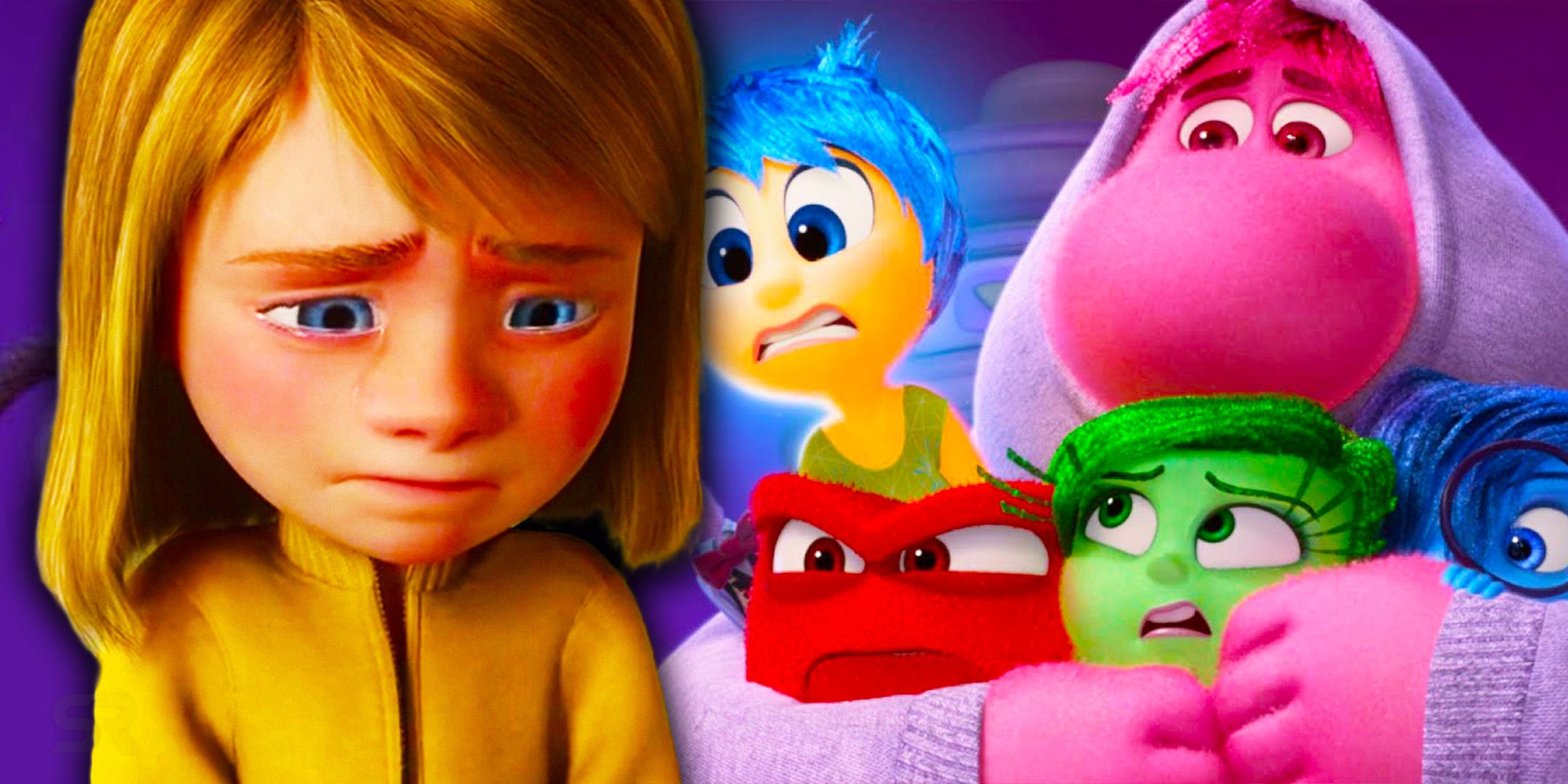
Effective brand communication involves managing expectations. The marketing for Inside Out 2 was very clear about the arrival of “New Emotions.” By focusing the brand’s energy on Anxiety, Envy, and Embarrassment, Pixar successfully pivoted the conversation. They acknowledged the “emotional debt” owed to Bing Bong not by showing him, but by showing the space he left behind—a more mature, cluttered, and often stressful mental landscape where there simply is no room for an imaginary friend.
Inside Out 2 and the Rebranding of Riley’s Mind
The transition from the first film to the second can be viewed as a corporate merger between “Riley’s Childhood Inc.” and “Puberty Global.” The brand identity of the first film was primary colors, simple shapes, and clear-cut emotional outcomes. The sequel introduces a sophisticated, high-stakes rebranding effort.
Anxiety, Envy, and the New Brand Identity of Puberty
If Bing Bong was the “mascot” of the old brand, Anxiety is the “CEO” of the new one. The visual language of Inside Out 2 reflects this shift. The environments are sharper, the stakes are more social than physical, and the brand tone moves from “discovery” to “preservation.”
Anxiety’s role is to project a brand image of Riley that is acceptable to her peers. This is a classic PR and crisis management strategy. In this new corporate structure of the mind, Bing Bong—a character who represents total uninhibited self-expression—is a liability. He doesn’t fit the “cool” brand Riley is trying to project at hockey camp. The absence of Bing Bong serves to highlight the claustrophobic nature of Anxiety’s leadership.
The Design Shift: Visual Language of the Sequel
From a design perspective, the sequel uses more complex textures and lighting. Bing Bong’s design was purposefully “lo-fi”—a mix of various animals and candy. As Riley’s mind becomes more “branded” by social expectations, the whimsical, hand-drawn feel of childhood creations is replaced by the sleek, high-pressure aesthetic of the “Belief System.” The absence of the pink elephant is a visual cue that the “Design Language” of Riley’s soul has moved into a more structured, albeit more anxious, era.
The Commercial Impact of Narrative Finality
While it might seem counterintuitive for a brand to kill off a popular character that could sell millions of dollars in plush toys, the long-term financial health of the Pixar brand relies on its reputation for quality. This is the difference between “short-term gains” and “long-term brand equity.”
Merchandising Longevity vs. Narrative Integrity
Had Bing Bong returned, there would have been a temporary spike in “Bing Bong 2.0” merchandise. However, Pixar’s business model is built on the “Evergreen” status of its films. A film that feels cheap or manipulative loses its re-watch value over decades. By prioritizing narrative integrity, Pixar ensures that Inside Out and Inside Out 2 remain a cohesive, high-quality set that will be sold and streamed for generations. The “Bing Bong” brand remains valuable exactly because it is finite. He is a “Limited Edition” character, which often holds more prestige in a brand portfolio than one that is overexposed.
Lessons for Corporate Storytellers
What can brands learn from Bing Bong’s absence in Inside Out 2?
- Know when to sunset an asset: Even the most beloved campaigns must eventually end to allow for growth.
- Respect the audience’s emotional investment: Don’t undo powerful moments for the sake of easy engagement.
- Align your “cast” with your current brand mission: If your brand is moving into a sophisticated market, your “childhood” mascots might need to stay in the Memory Dump.
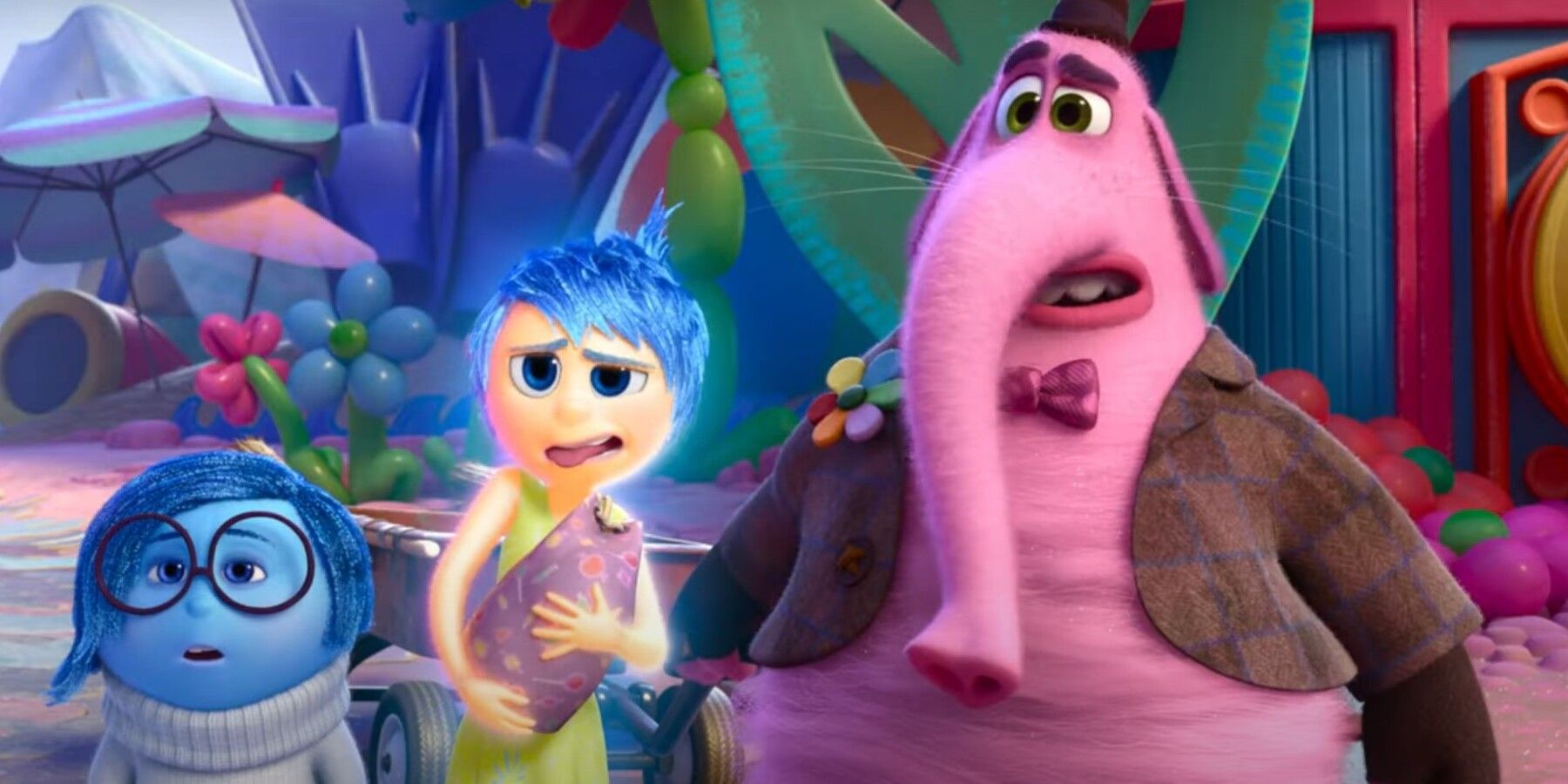
In conclusion, “what happened to Bing Bong” is that he performed his job perfectly. He served his tenure as the emotional heart of a childhood brand, and his absence in the sequel is the ultimate tribute to his impact. Inside Out 2 succeeded precisely because it had the courage to move forward, proving that the most powerful brands are those that aren’t afraid to change, grow, and leave the past—no matter how pink and cotton-candy-scented—behind.
aViewFromTheCave is a participant in the Amazon Services LLC Associates Program, an affiliate advertising program designed to provide a means for sites to earn advertising fees by advertising and linking to Amazon.com. Amazon, the Amazon logo, AmazonSupply, and the AmazonSupply logo are trademarks of Amazon.com, Inc. or its affiliates. As an Amazon Associate we earn affiliate commissions from qualifying purchases.