
The name “Madoff” was once the gold standard of Wall Street. For decades, Bernard L. Madoff Investment Securities (BLMIS) represented the pinnacle of consistent returns, exclusive access, and financial sophistication. However, on December 11, 2008, that veneer shattered when Bernie Madoff confessed to his sons, Mark and Andrew, that his investment advisory business was “one big lie”—a $65 billion Ponzi scheme.
While Bernie was sentenced to 150 years in prison, the fate of his sons remains one of the most tragic and scrutinized chapters in modern financial history. They were never charged with a crime, yet they became the primary targets of civil litigation, public vitriol, and a relentless pursuit of asset recovery. Understanding what happened to Bernie Madoff’s sons requires a deep dive into the financial machinery of the Madoff firm, the aggressive “clawback” lawsuits initiated by the court-appointed trustee, and the ultimate destruction of a family legacy.
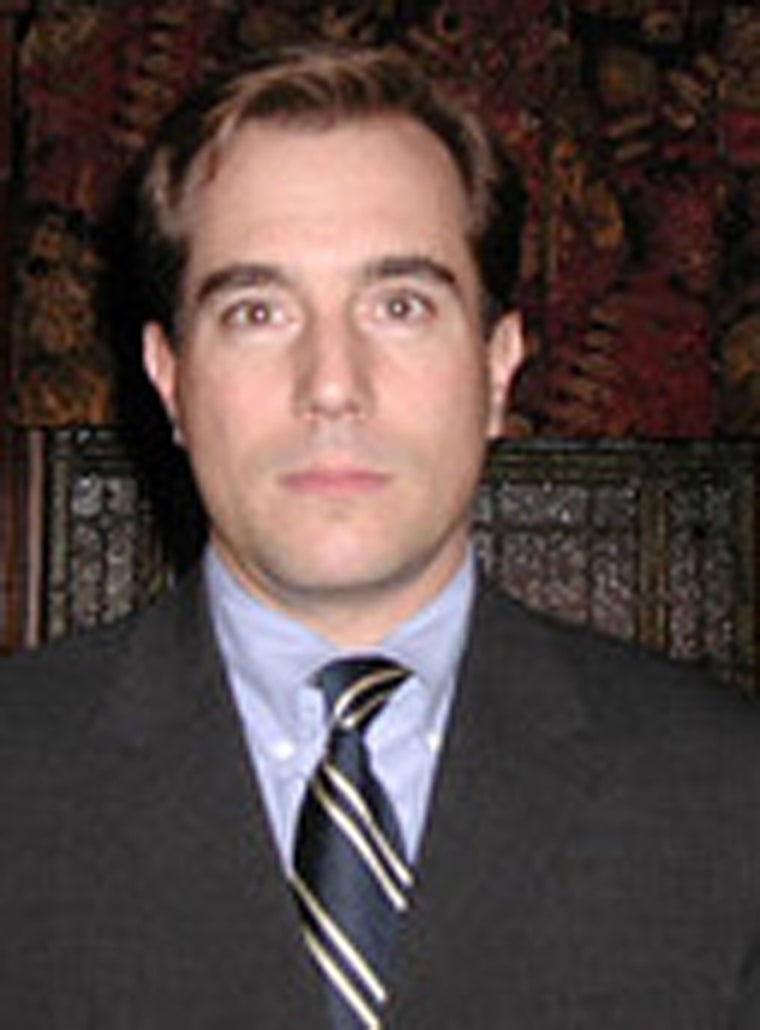
The Financial Implosion and the Roles of Mark and Andrew Madoff
To understand the downfall of the Madoff sons, one must first understand the structure of the Madoff firm. Unlike many Ponzi schemes operated from basements or offshore shells, BLMIS was a legitimate, high-volume market-making and proprietary trading firm. Mark and Andrew Madoff headed the proprietary trading desk on the 18th and 19th floors of the Lipstick Building in Manhattan. The fraudulent investment advisory business, meanwhile, was sequestered on the 17th floor.
The Great Wall of the Lipstick Building
The sons consistently maintained that they were walled off from their father’s fraudulent activities. While they managed billions in legitimate trades, the “black box” of the investment advisory arm was off-limits. However, the financial community and federal investigators struggled to believe that two seasoned traders could remain oblivious to the massive fraud occurring just one floor below. This skepticism formed the basis of the financial scrutiny that would haunt them until their deaths.
The Whistleblowers of Their Own Demise
It is a critical and often overlooked financial fact that Mark and Andrew Madoff were the ones who alerted the authorities. On December 10, 2008, after Bernie confessed the fraud to them, the brothers did not attempt to hide the money or flee. Instead, they contacted a lawyer who immediately notified the Department of Justice and the SEC. By the next morning, Bernie Madoff was in handcuffs. This act of reporting their father, however, did not grant them the financial or social immunity they perhaps expected.
Asset Seizures and the Liquidation of Wealth
Immediately following the arrest, the financial world turned its sights on the Madoff family’s personal wealth. The Securities Investor Protection Corporation (SIPC) and the court-appointed trustee, Irving Picard, began the arduous process of freezing and seizing assets. For Mark and Andrew, this meant their personal bank accounts, real estate holdings, and business interests were suddenly under the microscope of a bankruptcy court.
The Pursuit of Recovery: The Irving Picard Lawsuits
The most significant financial pressure on Mark and Andrew came from Irving Picard, the trustee tasked with recovering funds for Madoff’s victims. Picard filed a massive civil lawsuit against the brothers, seeking more than $198 million. The core of the legal argument was not necessarily that the sons knew of the fraud, but that they had been “unjustly enriched” by it.
The “Clawback” Mechanism
In the world of bankruptcy and financial fraud, a “clawback” is a legal action used to recover money that was distributed shortly before a collapse. Picard argued that the salaries, bonuses, and loans the brothers received from BLMIS were essentially stolen money from the victims. From a financial perspective, this meant that even if Mark and Andrew were innocent of the crime, they were legally liable for the proceeds of that crime.
Scrutiny of Personal Finance
The lawsuits detailed lavish spending that the trustee argued was funded by the Ponzi scheme. This included multi-million dollar apartments in New York City, homes in Nantucket and Greenwich, and high-interest loans that Bernie Madoff had “forgiven” for his sons. The legal battle was not just about the millions; it was an existential threat to their ability to function in the financial world. They were effectively blacklisted from Wall Street, unable to find work or maintain professional licenses.
The Burden of Proof and Reputation
For several years, the brothers fought these lawsuits. They argued that their proprietary trading business was profitable and that their compensation was commensurate with their performance. However, in the court of public opinion and the ruthless environment of civil litigation, the distinction between “fraudulent gains” and “earned income” became blurred. The financial weight of defending these suits cost them millions in legal fees, further eroding their remaining assets.
Mark Madoff: The High Price of Financial Infamy
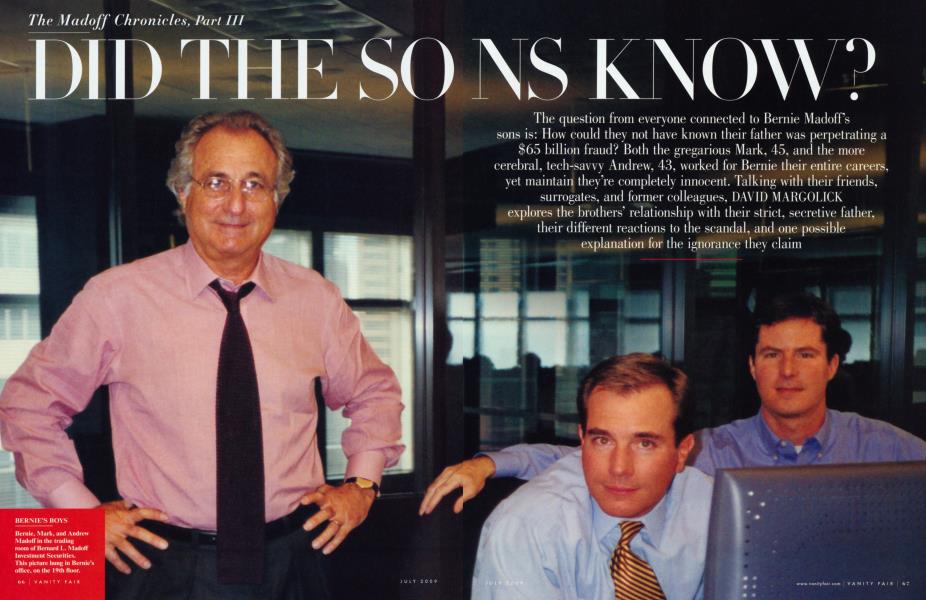
Mark Madoff, the elder son, was particularly devastated by the collapse and the subsequent financial and personal isolation. Having spent his entire career building a reputation in the trading world, he found himself radioactive.
The 2010 Tragedy
On December 11, 2010—the second anniversary of his father’s arrest—Mark Madoff committed suicide in his Manhattan apartment. At 46 years old, he had reached a breaking point. Reports indicated that he was distressed by the ongoing lawsuits, the inability to clear his name, and the looming possibility that his own children’s assets would be seized.
The Financial Aftermath for Mark’s Estate
Even after his death, the financial pursuit did not cease. The trustee continued to go after Mark’s estate to recover funds for the victims. Eventually, a settlement was reached with Mark’s widow and his estate, which involved the forfeiture of millions of dollars in assets. This serves as a stark reminder of the “absolute liability” often found in high-level financial fraud cases; the debt does not disappear with the individual.
Andrew Madoff: The Battle with Legacy and Illness
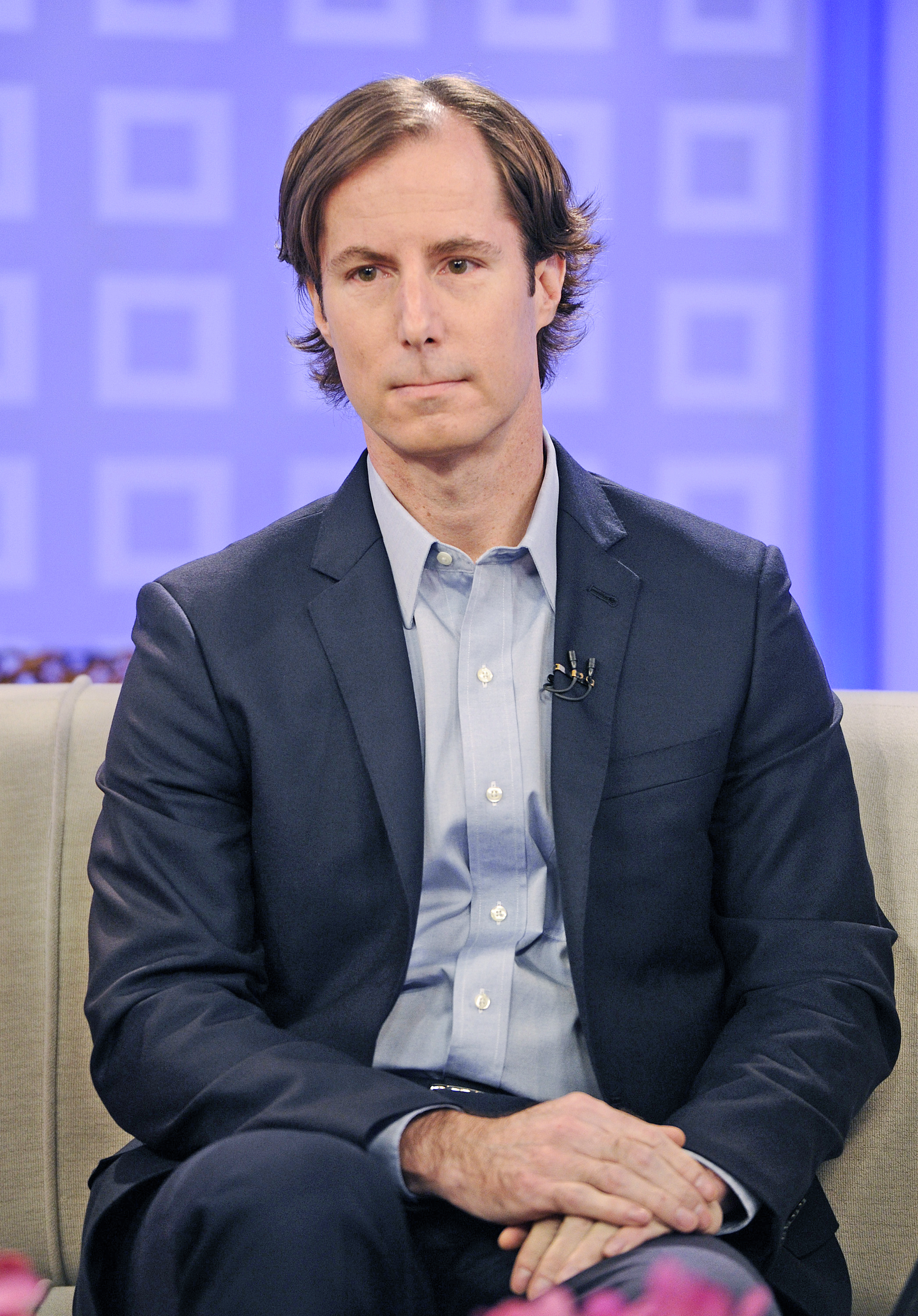
Andrew Madoff survived his brother by nearly four years, but his life was similarly defined by the financial shadow of his father’s crimes. Andrew was more vocal than Mark, granting interviews to maintain his innocence and attempt to rebuild some semblance of a professional life.
Rebuilding Amidst Litigation
Andrew attempted to move into the tech and branding space, focusing on small business ventures unrelated to finance. However, the “Madoff” name remained a barrier to entry. Every business deal was scrutinized, and every potential partner had to weigh the reputational risk of being associated with the Madoff legacy.
The Return of Mantle Cell Lymphoma
Andrew had survived mantle cell lymphoma in 2003, but the stress of the scandal and the relentless legal battles reportedly contributed to its return. He blamed the stress of the scandal for his declining health, famously stating that his father’s crimes had “killed” his brother and were “killing him.”
Final Settlements and Death
Andrew Madoff passed away in September 2014 at the age of 48. Before his death, he and the estate of Mark Madoff eventually reached a global settlement with Irving Picard. In 2017, the estates of both brothers agreed to a combined $23 million settlement. While this was significantly less than the original $198 million sought, it represented the near-total liquidation of their remaining wealth, ensuring that the vast majority of what they possessed was returned to the victims of the Ponzi scheme.
Lessons in Financial Ethics and Due Diligence
The story of the Madoff sons is more than a family tragedy; it is a case study in the systemic failures of the financial industry and the brutal reality of asset recovery.
The Importance of Independent Audits
The Madoff scandal highlighted a massive failure in institutional due diligence. Many of the “feeder funds” that lost billions failed to perform basic checks on Madoff’s operations. The fact that the sons were in charge of the trading desk but had no oversight of the investment advisory arm should have been a red flag for institutional investors.
The Concept of Fiduciary Duty
The Madoff sons held fiduciary responsibilities within their firm. Their inability to detect the fraud—or their choice to ignore the anomalies—raises significant questions about the nature of responsibility in complex financial organizations. For modern investors and financial professionals, the lesson is clear: silence is not a defense when you are part of a regulated financial entity.
The Legacy of the SIPC and the Trustee
The work of Irving Picard in the Madoff case set a precedent for how financial fraud is handled. The aggressive pursuit of “net winners” (those who took out more than they put in) and the relatives of the fraudster changed the landscape of investment security. It proved that in the eyes of the law, the recovery of victim funds takes precedence over the inheritance or personal wealth of those associated with the perpetrator.
In conclusion, the fate of Bernie Madoff’s sons was one of total financial and personal ruin. Mark and Andrew Madoff lost their careers, their reputations, their fortunes, and ultimately their lives in the wake of their father’s unprecedented deception. Their story remains a somber reminder of the far-reaching consequences of financial crime and the cold, calculated nature of the systems designed to rectify it.
aViewFromTheCave is a participant in the Amazon Services LLC Associates Program, an affiliate advertising program designed to provide a means for sites to earn advertising fees by advertising and linking to Amazon.com. Amazon, the Amazon logo, AmazonSupply, and the AmazonSupply logo are trademarks of Amazon.com, Inc. or its affiliates. As an Amazon Associate we earn affiliate commissions from qualifying purchases.