
In the high-stakes world of prestige beauty, few stories are as poignant or as educational as the arc of Becca Cosmetics. Once a titan of the “glow” movement and a pioneer in inclusive shade ranges long before it was a corporate mandate, Becca Cosmetics announced its closure in 2021, sending shockwaves through the industry. For brand strategists and marketing professionals, Becca’s journey—from an Australian indie darling to a multi-million dollar acquisition by Estée Lauder, and finally to its dissolution—offers a masterclass in brand equity, influencer marketing, and the perils of failing to pivot in a rapidly evolving market.
The Foundation of a Cult Identity: Strategic Differentiation
Becca Cosmetics did not start as a global powerhouse; it began with a specific problem-solving philosophy. Founded by Rebecca Williams in Perth, Australia, the brand was built on the premise of “perfection.” While many brands in the early 2000s were focused on heavy coverage and mask-like foundations, Becca prioritized the “lit-from-within” look. This strategic positioning allowed the brand to occupy a niche that was both aspirational and accessible.
The Inclusivity Pioneer
Long before the “Fenty Effect” redefined the industry standards for shade ranges, Becca was quietly leading the charge. Their brand strategy involved a deep commitment to a wide array of skin tones, particularly in their base products. By offering 30+ shades of foundation at a time when competitors offered barely ten, Becca built significant brand loyalty among underserved demographics. This inclusivity wasn’t just a marketing tactic; it was baked into the brand’s DNA, creating a foundation of trust that would sustain the company for nearly two decades.
Product Heroism: The Power of “Champagne Pop”
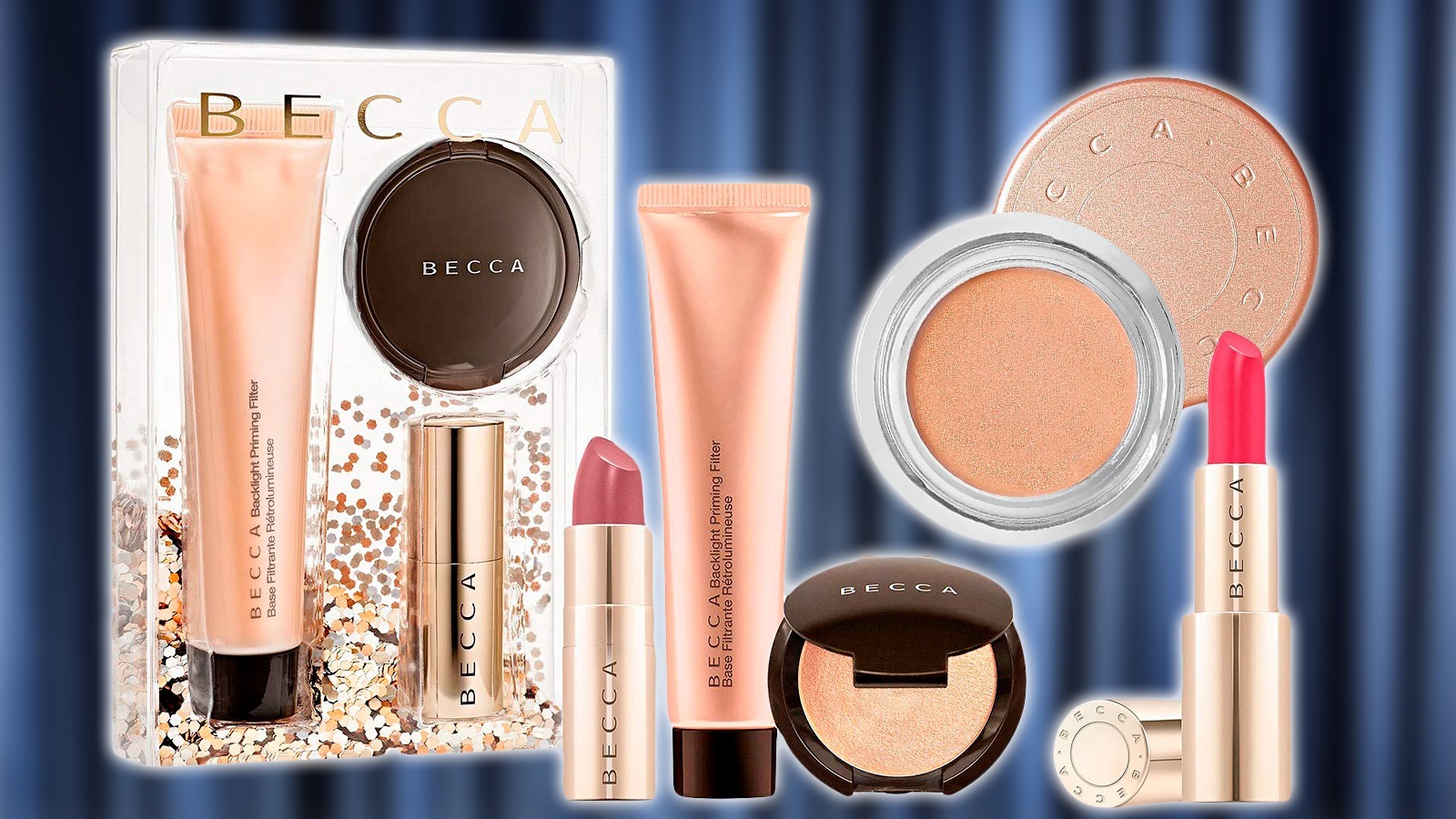
A critical element of Becca’s brand strategy was the development of “hero products.” In the world of marketing, a hero product is a single SKU that carries the brand’s identity and generates the lion’s share of revenue and recognition. For Becca, that was the Shimmering Skin Perfector in “Champagne Pop.”
Created in collaboration with influencer Jaclyn Hill in 2015, the product became a cultural phenomenon. It sold out in 20 minutes upon its initial release on Sephora’s website. This move was a strategic masterstroke in influencer marketing, proving that a symbiotic relationship between a brand’s formulation expertise and an influencer’s reach could disrupt the traditional retail model. However, as we will see, this reliance on a single product category—highlighters—eventually became a strategic vulnerability.
The Acquisition Trap and Scaling Challenges
In 2016, Estée Lauder Companies (ELC) acquired Becca Cosmetics for an estimated $200 million. At the time, the move seemed mutually beneficial. ELC needed a brand that resonated with Millennial and Gen Z consumers, and Becca needed the global infrastructure and capital of a conglomerate to scale. However, the transition from an agile indie brand to a corporate subsidiary often introduces friction that can erode brand essence.
The Estée Lauder Transition
The acquisition brought immediate global expansion. Becca moved into more doors (retail locations) and more international markets than ever before. From a brand strategy perspective, this is the “scaling phase,” where the goal is to maximize market penetration. Yet, with increased scale comes a dilution of exclusivity. When a cult brand becomes available in every department store and airport kiosk, the “insider” feeling that drives high-end brand loyalty can begin to fade.
Maintaining Authenticity Post-Acquisition
One of the most difficult hurdles in corporate branding is maintaining the “soul” of a founder-led company after the founder or the original team departs. Following the acquisition, Becca faced the challenge of staying relevant in a landscape that was shifting away from the heavy, “Instagram-glam” aesthetic that Becca had helped define. The corporate pressure for quarterly growth often leads brands to over-extending their product lines. Becca began launching numerous variations of highlighters and palettes that, while initially successful, eventually led to brand fatigue and “cannibalization” of their own sales.
Strategic Missteps in a Crowded Market

As the 2010s drew to a close, the beauty industry underwent a seismic shift. The “Clean Girl” aesthetic and “Skinimalism” began to replace the heavy contouring and blinding highlighters of the mid-2010s. Becca, unfortunately, was too deeply associated with the “glow” to pivot effectively when consumers began asking for “matte” or “natural” finishes.
The Saturation of the “Glow” Aesthetic
By 2019, every major beauty brand—from drugstore to luxury—had its own version of a liquid or powder highlighter. Becca’s USP (Unique Selling Proposition) was no longer unique. From a competitive strategy standpoint, when a brand loses its USP and fails to innovate in a new category (like skincare or lifestyle), it enters a dangerous commoditization phase. Becca tried to launch skincare-infused primers and foundations, but the market still viewed them primarily as a “highlighter brand.”
Marketing Shifts and Consumer Disconnect
Becca’s later marketing efforts struggled to capture the same magic as the Jaclyn Hill era. While they attempted various collaborations, they often felt reactive rather than trend-setting. The brand’s identity became muddled; it was trying to be both a prestige professional brand and a buzzy, influencer-driven label. In branding, if you try to speak to everyone, you often end up speaking to no one. The loss of a clear, concise marketing message made it difficult for Becca to compete with newer, more agile brands like Glossier or Rare Beauty, which had clearer narrative arcs for the modern consumer.
The Impact of Global Disruptions on Brand Longevity
No analysis of Becca’s closure would be complete without addressing the external factors that accelerated its demise. While strategic flaws were present, the global events of 2020 served as the ultimate stress test for the brand’s business model.
The Pandemic Catalyst
The COVID-19 pandemic was a “Black Swan” event for the color cosmetics industry. With lockdowns in place and mask mandates becoming the norm, the demand for foundation and highlighter plummeted. Consumers shifted their spending toward skincare and self-care products—categories where Becca had a weak presence. For a brand that relied heavily on “the look” of going out and being seen, the pandemic was a catastrophic blow to its revenue stream.
Inventory Management and Operational Strain
From a corporate identity and business finance perspective, Estée Lauder had to make a difficult choice. The pandemic forced conglomerates to trim their portfolios and focus on “growth engines.” Becca, despite its legacy, was struggling with high overhead costs and slow-moving inventory. When a brand’s growth slows while its operational costs remain high, it becomes a liability in a corporate portfolio. In February 2021, ELC made the strategic decision to sunset the brand to “focus on other brands in the portfolio that have more growth potential.”
Lessons for Modern Brand Builders
The story of Becca Cosmetics is not just a story of failure; it is a story of the importance of evolution. For brand builders today, there are several key takeaways from the Becca case study.
Diversification vs. Specialization
Becca proved that while specialization (being the “Queen of Glow”) can build a brand, it can also trap it. A brand must have the strategic foresight to diversify its identity before its core category reaches a saturation point. Successful brands today are those that can transition from a single product (like a lip kit) into a full lifestyle or skincare ecosystem.
The Future of “Zombie” Brands and Intellectual Property
Interestingly, the Becca story didn’t end with the closure of the company. Recognizing the enduring brand equity of Becca’s most famous products, Estée Lauder migrated the “Champagne Pop” highlighter and the “Under Eye Brightening Corrector” over to the Smashbox brand (another ELC property). This is a fascinating branding maneuver. It suggests that while a brand may die, its intellectual property can live on as a “zombie” product within another brand’s ecosystem. This allows the parent company to retain the loyal customer base without the overhead of maintaining a separate corporate entity.

Conclusion
Becca Cosmetics will be remembered as a brand that defined an era of beauty. Its downfall was not due to a lack of quality or a lack of love from its community, but rather a combination of strategic rigidity, the challenges of corporate scaling, and an unprecedented global shift in consumer behavior. For those in the world of brand strategy, Becca serves as a reminder that brand equity is fragile, and the ability to pivot is just as important as the ability to launch. In the end, Becca’s “glow” didn’t fade because of the product; it faded because the brand could no longer find its place in an ever-changing light.
aViewFromTheCave is a participant in the Amazon Services LLC Associates Program, an affiliate advertising program designed to provide a means for sites to earn advertising fees by advertising and linking to Amazon.com. Amazon, the Amazon logo, AmazonSupply, and the AmazonSupply logo are trademarks of Amazon.com, Inc. or its affiliates. As an Amazon Associate we earn affiliate commissions from qualifying purchases.