
The name Barry Seal evokes a complex legacy, one often shrouded in sensationalism and misinformation. Beyond the Hollywood portrayals and whispered conspiracies, Barry Seal was a figure who operated in the nebulous spaces between legitimate enterprise and illicit activity, with a significant emphasis on the financial machinations that underpinned his ventures. This exploration delves into the economic realities and financial strategies that defined Barry Seal’s life, examining how he navigated wealth creation in high-risk environments and the eventual financial consequences that befell him.
The Genesis of a Fortunate Fortune: Early Ventures and Financial Acumen
Barry Seal’s journey into the world of significant wealth was not a sudden windfall, but rather a carefully constructed progression rooted in an early understanding of profitable opportunities and risk assessment. His initial forays into aviation provided the foundational skills and connections that would later be leveraged in more audacious undertakings.
Aviation as a Launchpad for Financial Growth
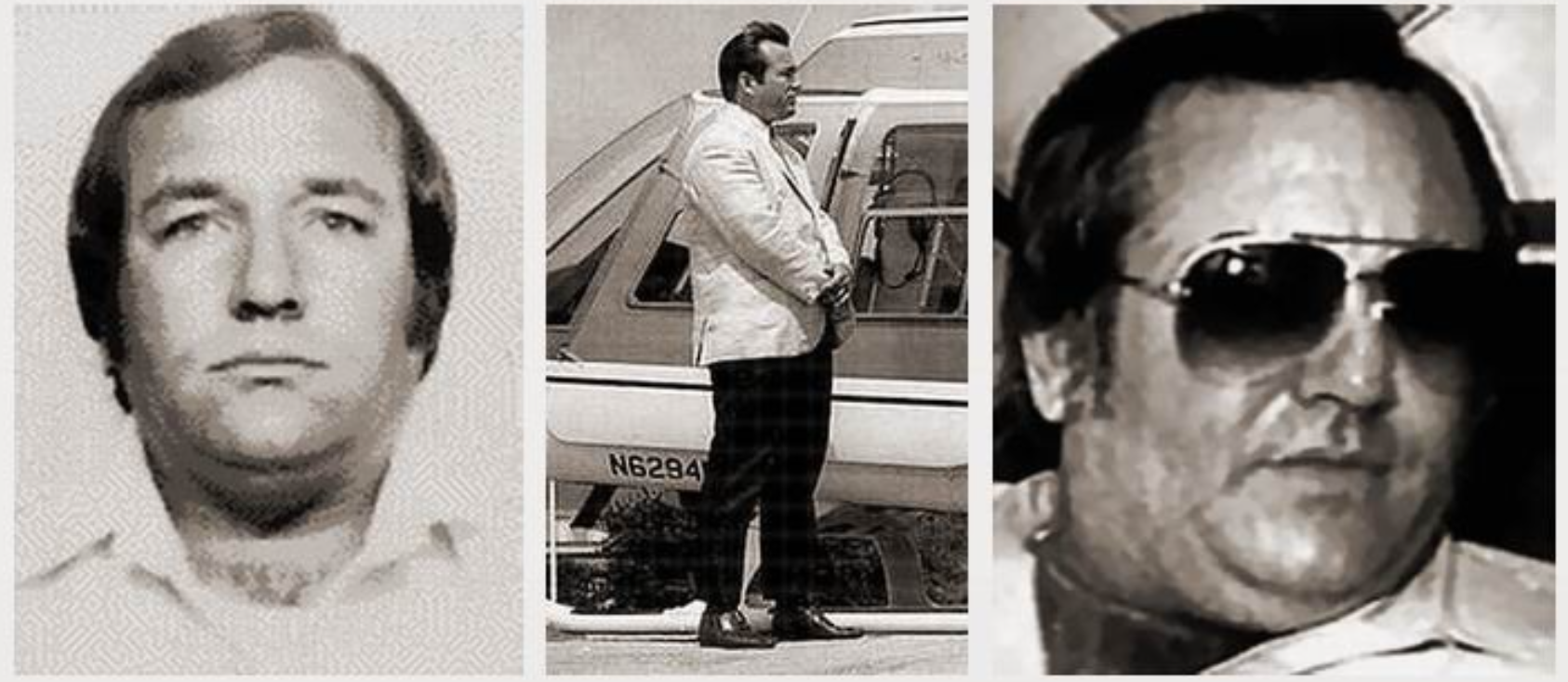
Seal’s passion for flying was more than a hobby; it was a gateway. The skills he acquired as a pilot were in high demand, particularly in industries that required discreet and rapid transportation. Early in his career, he was involved in various aviation-related businesses, some of which were legitimate and others operating in gray areas. These ventures, while not always publicly lauded, provided him with capital, operational experience, and a network of individuals who were comfortable operating outside conventional norms. This period was crucial in shaping his financial mindset, demonstrating how specialized skills could be monetized and how early capital could be reinvested for exponential growth. His ability to manage aircraft, navigate complex logistics, and maintain a low profile were all integral to his burgeoning financial success.
The Art of High-Value Transactions and Risk Mitigation
As Seal’s operations grew, so did the value of the transactions he facilitated. He developed a keen understanding of how to move assets, both legal and otherwise, with efficiency and discretion. This involved not just the physical movement of goods but also the complex financial arrangements required to facilitate and conceal such activities. He mastered the art of managing large sums of money, understanding the flow of funds, and employing methods to obscure ownership and origins. This financial sophistication was not accidental; it was a cultivated skill set born out of necessity in a world where transparency could be detrimental. His capacity to mitigate financial risks, such as potential confiscation or legal scrutiny, became as important as the profitability of the ventures themselves.
Navigating the Underworld Economy: The Financial Infrastructure of Illicit Trade
Barry Seal’s notoriety stems largely from his involvement in drug trafficking, an arena where immense wealth is generated through illicit means. Understanding the financial architecture of these operations is key to comprehending his trajectory. This wasn’t simply about accumulating cash; it was about building a system to manage, launder, and preserve vast, untaxed fortunes.
Money Laundering: The Engine of Untraceable Wealth
The sheer volume of cash generated by drug operations presented a significant challenge: how to integrate it into the legitimate financial system without attracting attention. Seal became a master of money laundering, employing a variety of sophisticated techniques. This included using shell corporations, real estate investments, and businesses with high cash flow to disguise the origin of funds. The primary goal was to create a plausible explanation for the source of the money, making it appear as if it were derived from legitimate business activities. This process required not only ingenuity but also a deep understanding of financial institutions and international banking regulations, allowing him to exploit loopholes and weaknesses.
Diversification and Investment: Securing the Gains

For someone operating in such a high-risk profession, simply accumulating cash was insufficient. Seal understood the importance of diversifying his assets and investing in ventures that could provide both a steady income stream and a means to further obscure his illicit gains. He invested in legitimate businesses, acquiring them outright or establishing new ones. These businesses served multiple purposes: they provided a front for his activities, offered legitimate employment for some of his associates, and, most importantly, acted as vehicles for further money laundering. His investments extended beyond businesses to include significant real estate holdings, art, and other valuable assets, all designed to preserve and grow his wealth beyond the reach of law enforcement. This diversification was a critical financial strategy to insulate him from the volatility and inherent risks of his primary income sources.
The Shadow Economy and the Lure of Offshore Havens
The nature of Barry Seal’s operations demanded a financial infrastructure that operated beyond the reach of domestic regulatory bodies. Offshore financial centers and clandestine banking practices played a pivotal role in his ability to manage and protect his vast wealth.
The Strategic Advantage of Offshore Accounts
Offshore jurisdictions offered a distinct advantage: a lower level of regulatory oversight and greater financial secrecy. Seal, like many involved in the shadow economy, would have utilized offshore bank accounts to hold and move funds with a significant degree of anonymity. These accounts facilitated international transactions, making it more difficult for authorities to trace the flow of money and identify the ultimate beneficiaries. The appeal of these havens lay not only in their secrecy but also in their ability to offer attractive banking services and tax advantages, even for funds derived from questionable sources. The strategic use of offshore entities was fundamental to his ability to operate on a global scale and shield his financial activities from scrutiny.
The Role of Unregulated Markets and Jurisdictional Arbitrage
Beyond formal offshore accounts, Seal’s activities likely involved exploiting unregulated markets and engaging in jurisdictional arbitrage. This means leveraging differences in laws and regulations between countries to his financial advantage. He might have structured transactions to occur in jurisdictions with less stringent reporting requirements or where the enforcement of financial regulations was weaker. This sophisticated understanding of global financial landscapes allowed him to move money and assets in ways that were incredibly difficult to track and prosecute. The shadow economy thrives on such inconsistencies, and Seal’s financial prowess enabled him to exploit these vulnerabilities to amass and secure his considerable fortune.
The Price of Prosperity: Financial Entanglements and Ultimate Downfall
Barry Seal’s incredible financial success, built on a foundation of high-risk enterprises and clandestine operations, ultimately proved unsustainable. The very mechanisms he employed to build his fortune also sowed the seeds of his demise, leading to his eventual confrontation with the legal system and a violent end.
The Consequences of Operating Outside the Law
The core of Barry Seal’s financial strategy was its inherent illegality. While he may have initially operated with a degree of impunity, the accumulation of vast wealth through criminal means inevitably attracts the attention of law enforcement. The very secrecy that protected his assets also made them targets. Investigations into his activities, often initiated due to suspected financial crimes, eventually led to his exposure. The financial infrastructure he so meticulously built became a trail of evidence, a roadmap for authorities seeking to dismantle his operations and seize his illicit gains.
The Inevitable Clash with Financial Authorities and Law Enforcement
Ultimately, Barry Seal’s financial empire collided with the full force of governmental agencies tasked with combating financial crime and drug trafficking. His ability to outmaneuver and evade authorities began to falter as the scale of his operations and the evidence against him grew. The pursuit of his ill-gotten gains led to his arrest, prosecution, and significant financial penalties. The very wealth he worked so hard to amass became a liability, as the government sought to confiscate assets derived from his criminal enterprises. His story serves as a stark reminder that while financial acumen can lead to extraordinary wealth, operating outside the bounds of the law carries an inherent and often fatal risk. The pursuit of untraceable fortunes, while tempting, frequently leads to an unavoidable reckoning.
aViewFromTheCave is a participant in the Amazon Services LLC Associates Program, an affiliate advertising program designed to provide a means for sites to earn advertising fees by advertising and linking to Amazon.com. Amazon, the Amazon logo, AmazonSupply, and the AmazonSupply logo are trademarks of Amazon.com, Inc. or its affiliates. As an Amazon Associate we earn affiliate commissions from qualifying purchases.