
In the landscape of modern entertainment, few transformations have been as swift or as calculated as that of Benito Antonio Martínez Ocasio, known globally as Bad Bunny. To ask “what happened to Bad Bunny” is not to inquire about a disappearance, but rather to analyze a profound metamorphosis. Over the last five years, Bad Bunny has transitioned from a niche Latin trap artist into a premier global brand that transcends music, fashion, and sports.
This evolution provides a masterclass in brand strategy, demonstrating how radical authenticity, strategic scarcity, and calculated market disruption can create a persona that is both commercially dominant and culturally untouchable.
1. Redefining Identity through Radical Authenticity
The core of the Bad Bunny brand is built on a foundation of “unfiltered” identity. In traditional brand strategy, global expansion often requires “sanitizing” a product to appeal to the widest possible audience. Bad Bunny did the opposite. By leaning into his Puerto Rican roots and refusing to record in English, he created a brand value based on uncompromising integrity.
Challenging Gender Norms as a Brand Pillar
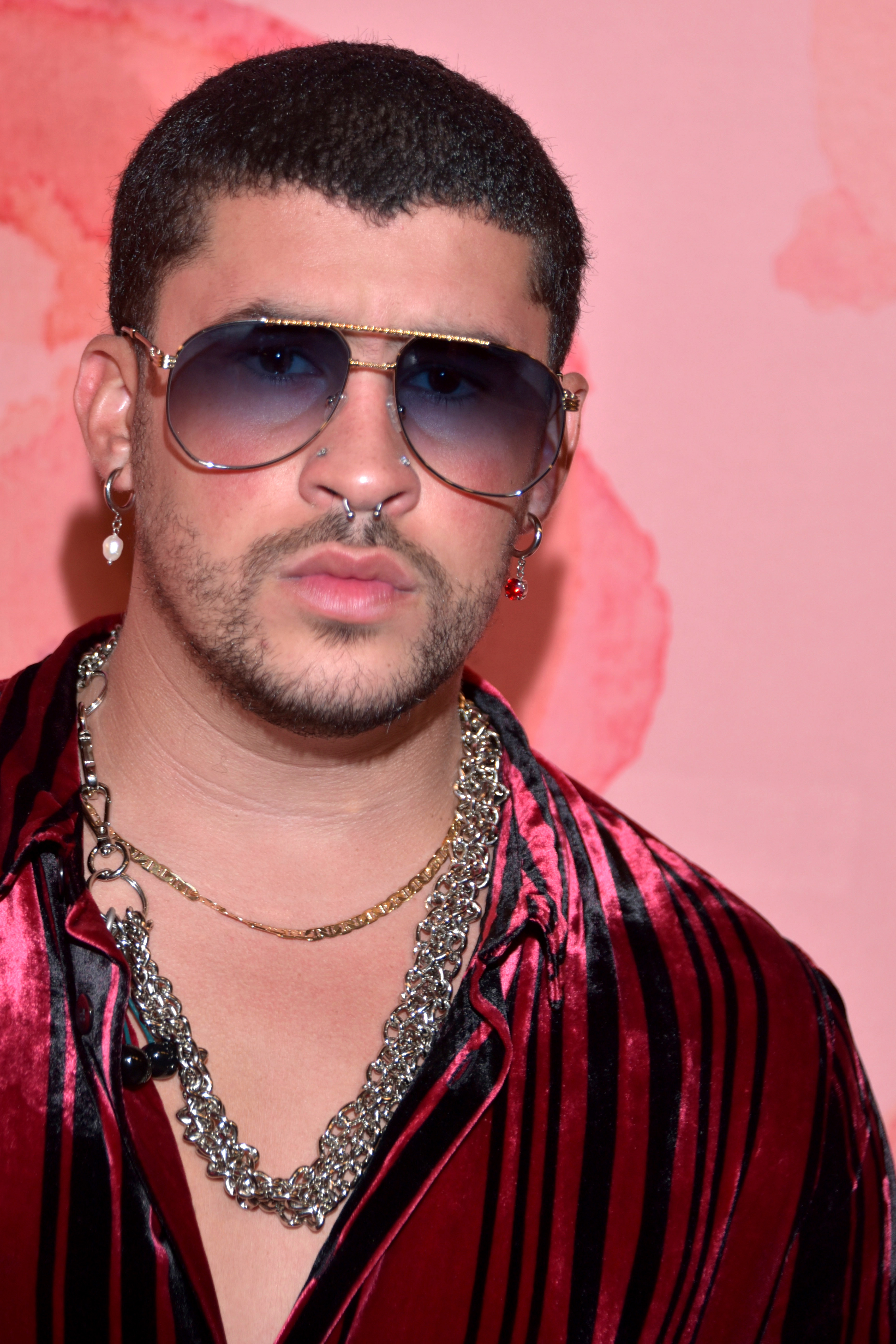
One of the most significant shifts in the Bad Bunny brand identity was his decision to challenge the hyper-masculinity traditionally associated with the reggaeton and trap genres. By embracing gender-fluid fashion, painting his nails, and advocating for LGBTQ+ rights, he expanded his brand’s demographic reach. This wasn’t merely a social statement; it was a strategic positioning that aligned him with Gen Z values. It transformed him from a musician into a symbol of modern inclusivity, allowing his brand to resonate in fashion capitals like Paris and New York just as much as in San Juan.
The Power of Language: Staying Spanish in a Global Market
From a brand management perspective, the decision to remain mono-linguistic in a bilingual industry was a high-risk, high-reward move. Historically, Latin artists like Shakira or Ricky Martin felt the need to “cross over” by releasing English albums. Bad Bunny’s brand strategy flipped this narrative. By maintaining his native tongue, he positioned his brand as an “export” rather than a “conformist.” This created a sense of exoticism and authenticity that forced the global market to come to him, effectively increasing his brand equity by making his content feel like a premium, authentic cultural experience.
2. Strategic Scarcity and Social Media Ecosystems
In the digital age, overexposure is a common brand killer. “What happened to Bad Bunny” often refers to his periodic disappearances from the public eye—a tactic known in marketing as strategic scarcity. Unlike many influencers who maintain a 24/7 presence, Bad Bunny utilizes a “pulse” strategy: intense activity followed by total silence.
The “Ghosting” Method: Building Hype through Absence
Bad Bunny’s social media strategy is erratic by design. He frequently deletes his Instagram posts or deactivates his accounts entirely before a major launch. This creates a vacuum of information that fans and media outlets rush to fill with speculation. By the time he returns, the “brand hunger” is at a fever pitch. This “ghosting” method ensures that every post he makes carries maximum weight, preventing the brand fatigue that often plagues high-output celebrities.
Leveraging Grassroots Connection
Despite his global status, Bad Bunny’s brand retains a “community” feel. He utilizes platforms like WhatsApp channels and TikTok to share behind-the-scenes, low-fidelity content. This creates a “Close Friends” psychological effect with his audience. In branding terms, this bridges the gap between a massive corporate entity and a personal connection. He has successfully scaled his brand without losing the “neighborhood” vibe that first garnered him a loyal following on SoundCloud.
3. Cross-Industry Expansion and the Partnership Flywheel

A brand’s strength is often measured by its ability to translate its value into other verticals. Bad Bunny has moved beyond the “endorsement” phase and into the “collaborator” phase, where his brand name is treated with the same prestige as a luxury fashion house or a sports franchise.
The Adidas Collaboration: Beyond Mere Merchandising
His partnership with Adidas is a quintessential example of successful co-branding. Rather than simply putting his name on an existing shoe, the Bad Bunny x Adidas line reimagined classic silhouettes (like the Forum) with his unique aesthetic. These releases utilize the “drop” model, ensuring secondary market scarcity and high resale value. This has solidified his brand within the “hypebeast” and sneakerhead subcultures, sectors that value exclusivity and design over mainstream popularity.
Diversification into Sports and Film
The Bad Bunny brand has successfully permeated the worlds of professional wrestling (WWE) and Hollywood. His involvement with the WWE was not a one-off gimmick; he trained as an athlete, earning the respect of a notoriously difficult-to-please fanbase. This move was a stroke of brand genius, tapping into a massive, loyal, and blue-collar demographic that might not have been his primary listeners. Similarly, his roles in films like Bullet Train represent a brand extension into “Benito the Actor,” a move that ensures longevity beyond the shelf-life of a pop star.
4. Navigating the Brand Lifecycle and Crisis Management
No brand survives at the top without facing challenges. Part of “what happened” to Bad Bunny involves how his brand handled the transition from the “underdog” to the “establishment.” As a brand grows, it inevitably faces scrutiny, and Bad Bunny’s team has had to navigate several “rebranding” moments to maintain his standing.
Responding to Controversy: The Fan Phone Incident
Every major brand faces a crisis. When a video surfaced of Bad Bunny throwing a fan’s phone into the water, his brand faced its first major backlash. The incident highlighted the tension between “Benito the person” and “Bad Bunny the brand.” The subsequent shift in his public persona—becoming more reserved and protective of his privacy—was a calculated move to recalibrate public expectations. It marked the brand’s transition from “approachable friend” to “enigmatic superstar,” a necessary evolution for someone of his level of fame.
The Transition from Niche to Cultural Icon
As he moved from the “Trap King” to a Coachella headliner, there was a risk of “selling out.” To counter this, his brand strategy involved releasing the album Un Verano Sin Ti, which was a love letter to his roots. By doubling down on his local culture at the height of his global fame, he insulated his brand against accusations of corporate dilution. He proved that a brand can be massive in scale while remaining local in its soul.
5. The Future of the Benito Brand: Sustainability and Legacy
The current state of the Bad Bunny brand is one of consolidation. He is no longer competing with other Latin artists; he is competing with legacy brands like Taylor Swift, Drake, and even non-music entities like Nike or Apple. The “What’s Next” for his brand is centered on legacy and institutional influence.
Investing in the Future: Sports Management
His foray into sports management with the launch of Rimas Sports signals a move into the “founder” stage of his career. By representing Latin American athletes, he is leveraging his personal brand to build a corporate empire that will exist independently of his music career. This is a classic “exit strategy” or “diversification” move seen in high-level brand building, ensuring that the Bad Bunny influence continues through the success of others.

Sustainability in the Digital Age
The Bad Bunny brand is now entering a phase of “curated legacy.” Every move—from the guest list of his tours to his appearances at the Met Gala—is designed to cement his status as a permanent fixture in the cultural zeitgeist. He has moved past the need for constant hits; his brand is now a platform.
In conclusion, “what happened to Bad Bunny” is a story of masterful brand architecture. He has successfully navigated the transition from a viral sensation to a global powerhouse by staying true to a core set of values: authenticity, Puerto Rican pride, and a refusal to follow the traditional industry playbook. By treating his career as a strategic brand rather than just a musical journey, Benito Antonio Martínez Ocasio has rewritten the rules of what a Latin artist—and a modern celebrity—can achieve in the global marketplace.
aViewFromTheCave is a participant in the Amazon Services LLC Associates Program, an affiliate advertising program designed to provide a means for sites to earn advertising fees by advertising and linking to Amazon.com. Amazon, the Amazon logo, AmazonSupply, and the AmazonSupply logo are trademarks of Amazon.com, Inc. or its affiliates. As an Amazon Associate we earn affiliate commissions from qualifying purchases.