
The digital landscape of automotive aftermarket parts and accessories once saw AutoAnything as a prominent, almost ubiquitous, brand. For years, its distinctive blue and white logo and extensive online catalog were a go-to for enthusiasts and casual car owners alike seeking to customize, repair, or upgrade their vehicles. Yet, for many consumers today, the brand’s once-strong presence seems to have diminished, leading to questions about its fate. Understanding what happened to AutoAnything provides a compelling case study in brand evolution, the challenges of e-commerce at scale, and the relentless pressures of a competitive online marketplace.

The Rise of a Digital Powerhouse in Automotive Aftermarket
AutoAnything launched into an emerging e-commerce world in 1999, quickly carving out a niche that leveraged the internet’s power for extensive product catalogs and direct-to-consumer sales. Before its peak, obtaining specific aftermarket parts often involved navigating local specialty shops, bulky physical catalogs, or limited inventory at general automotive stores. AutoAnything changed this paradigm, offering unparalleled convenience and selection.
Early Market Positioning and Brand Identity
From its inception, AutoAnything positioned itself as the definitive online resource for automotive accessories. Its brand identity was built around three core pillars: vast selection, competitive pricing, and a user-friendly online experience. The website’s design, while evolving over the years, consistently prioritized ease of navigation, detailed product descriptions, and intuitive filtering options. This focus created a strong brand perception of reliability and comprehensiveness. They aimed to be the “everything store” for automotive enthusiasts, mirroring the aspirations of larger e-commerce giants within their specific vertical. This clear, consistent brand message resonated with a demographic hungry for choices beyond their local brick-and-mortar limitations.
Digital Marketing Prowess and Customer Acquisition
A key factor in AutoAnything’s early success was its aggressive and effective digital marketing strategy. The brand was an early adopter and master of search engine optimization (SEO) and pay-per-click (PPC) advertising within its category. By dominating search results for a wide array of automotive parts – from truck bed covers to performance exhaust systems – AutoAnything became a first-stop destination for research and purchase. Beyond search, the brand invested heavily in affiliate marketing, content marketing through blogs and guides, and later, social media engagement. This multi-channel approach created a robust customer acquisition funnel, building significant brand awareness and a loyal customer base. The brand’s commitment to customer service, often highlighted through online reviews, further solidified its reputation and encouraged repeat business, transforming first-time buyers into advocates.
Shifting Sands: Market Dynamics and Competitive Pressures
As the 2000s progressed into the 2010s, the e-commerce landscape matured dramatically, presenting new challenges for even established online brands like AutoAnything. The very strategies that propelled its initial growth became increasingly difficult to sustain amidst fierce competition and evolving consumer expectations.
The Amazon Effect and E-commerce Evolution
Perhaps the most significant external pressure came from the “Amazon effect.” Amazon’s relentless expansion into virtually every retail category, including automotive, fundamentally altered consumer expectations regarding pricing, shipping speed, and returns policies. While AutoAnything excelled in its niche, it struggled to compete with Amazon’s logistical scale and ability to absorb thinner margins, especially on commodity items. Other generalist retailers, like Walmart and eBay, also ramped up their automotive offerings, further fragmenting the market. This forced AutoAnything to continually refine its value proposition, emphasizing specialist knowledge and a curated selection over sheer transactional convenience, a subtle but critical shift in its brand messaging. The challenge was maintaining its specialist identity while still needing to be competitive on price and delivery speed, often a difficult tightrope walk for niche players.
Niche vs. Generalist: A Strategic Dilemma
AutoAnything’s original strength lay in its niche focus. However, as the market evolved, this became a strategic dilemma. Should it double down on its specialized offerings, risking reduced market share, or attempt to broaden its appeal, potentially diluting its expert brand identity? Competitors emerged, some even more specialized (e.g., dedicated sites for Jeep accessories), while others, like Summit Racing or JEGS, had strong heritage brands from mail-order catalogs that successfully transitioned online. This intense competition meant AutoAnything had to continuously justify its existence and differentiation. The brand’s marketing needed to articulate why a customer should choose AutoAnything over a generalist giant like Amazon or a more specialized competitor. This often involved highlighting exclusive products, superior product data, or expert customer support – elements crucial for sustaining a premium brand experience in a crowded market.
Strategic Pivots, Acquisitions, and Corporate Restructuring
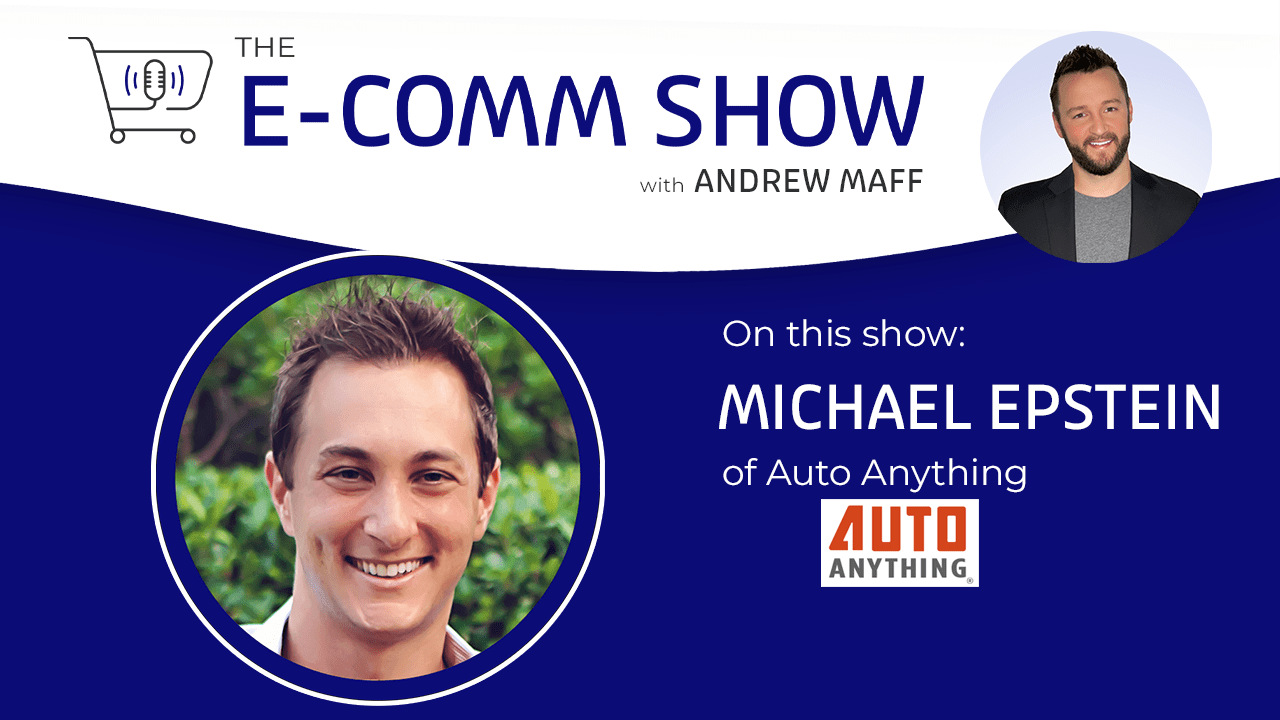
The journey of AutoAnything is also a story of corporate ownership changes and strategic realignments, which profoundly impacted its brand strategy, operational capabilities, and ultimate market presence. These internal shifts often dictate the external perception and viability of a brand.
The Impact of Parent Companies
AutoAnything underwent several changes in ownership, each bringing its own strategic vision and operational directives. Initially independent, it was later acquired by a series of larger entities, including Autopart International (a subsidiary of Advance Auto Parts) and later, in 2018, by F.K.A. Distributing Co., Inc. (which also owned Parts Unlimited, a powersports distributor). These acquisitions were often driven by the parent companies’ desire to expand their digital footprint or diversify their product lines.
However, each change in ownership also brought potential disruptions. New management teams might prioritize integration with existing operations, leading to changes in supply chain, marketing budgets, technology platforms, or even product focus. Sometimes, the unique brand identity and entrepreneurial spirit of the acquired company can be diluted when subsumed into a larger corporate structure. For AutoAnything, this meant navigating different strategic priorities, which could impact its ability to react quickly to market changes, invest in new technologies, or maintain the independent, agile brand image it had cultivated. The challenge for any acquired brand is retaining its distinct value proposition and market position while leveraging the resources of its new owner.
Rebranding and Operational Streamlining Efforts
Under new ownership, there were often efforts to streamline operations, optimize supply chains, and potentially unify branding. These initiatives, while aimed at efficiency and profitability, could inadvertently affect the customer experience or brand perception. For instance, inventory management changes might lead to fewer unique offerings, or efforts to cut costs could impact shipping times or customer service responsiveness.
There were also attempts to re-energize the brand or align it more closely with the parent company’s broader portfolio. However, in a fast-moving e-commerce environment, constant rebranding or operational shifts without clear, consistent communication to the customer base can lead to confusion and erosion of brand loyalty. If a brand’s core offerings or service levels appear inconsistent, customers may perceive a decline in quality or reliability, opting for more stable alternatives. The absence of a strong, continuous narrative around its unique value proposition during these transitions contributed to a gradual fade in the brand’s once-vibrant presence.
The Brand’s Current State and Legacy
Today, AutoAnything’s website remains operational, offering a vast array of parts and accessories. However, its once-dominant visibility and brand equity have demonstrably decreased. It no longer commands the same top-of-mind recall or search engine dominance it once did.
Diminished Visibility and Brand Equity Erosion
The most apparent change for AutoAnything is its diminished market visibility. While the site still functions, it rarely appears with the same frequency in top search results or large-scale digital advertising campaigns. This decline in visibility is a direct symptom of reduced marketing investment, shifting SEO landscapes, and intense competition. When a brand ceases to actively engage and acquire new customers through robust marketing, its organic reach and brand equity naturally begin to erode. For a brand built on e-commerce, being “out of sight” often means being “out of mind.” The unique voice and pervasive presence that once defined AutoAnything have been overshadowed by other players, leaving many to wonder if the brand is still active.

Lessons in Brand Resilience and Adaptation
The story of AutoAnything offers crucial lessons for any brand operating in the digital sphere. It highlights the importance of not just establishing a strong brand identity, but also relentlessly adapting that identity and its underlying strategies to market shifts.
- The Perils of Stagnation: In e-commerce, standing still means falling behind. Brands must continuously innovate, whether in technology, marketing, or supply chain.
- Maintaining Differentiation: As generalists gain power, niche brands must constantly articulate and reinforce their unique value proposition. Why choose them over Amazon or a specialist competitor?
- The Impact of Ownership: Corporate acquisitions can provide resources but also dilute focus or shift strategic priorities away from the core brand mission. Brands must negotiate these transitions carefully to preserve their identity and customer relationships.
- Sustained Marketing Investment: Brand visibility and equity are not static; they require continuous investment and strategic upkeep. A reduction in marketing often directly correlates with a decline in brand awareness.
While AutoAnything hasn’t vanished entirely, its trajectory from a digital pioneer to a less prominent player serves as a powerful reminder that even strong brands require constant strategic oversight, agile adaptation, and unwavering commitment to their core value proposition to thrive in the ever-evolving world of online commerce. Its legacy is one of early innovation, followed by the complex challenges of maintaining relevance in a relentlessly competitive digital ecosystem.
aViewFromTheCave is a participant in the Amazon Services LLC Associates Program, an affiliate advertising program designed to provide a means for sites to earn advertising fees by advertising and linking to Amazon.com. Amazon, the Amazon logo, AmazonSupply, and the AmazonSupply logo are trademarks of Amazon.com, Inc. or its affiliates. As an Amazon Associate we earn affiliate commissions from qualifying purchases.