
The digital media landscape is littered with the remains of viral sensations that burned bright and extinguished quickly. However, few stories offer as poignant a lesson in brand strategy, intellectual property (IP) law, and corporate identity as the rise and dissolution of “All Gas No Brakes” (AGNB). What began as a gonzo-style journalism project hosted by Andrew Callaghan quickly transformed into a cultural phenomenon, only to become a cautionary tale for every modern creator and brand strategist.
The story of “What happened to All Gas No Brakes” is not just a narrative of a YouTube channel ending; it is a complex case study on the importance of brand sovereignty and the inherent risks of decoupling a personal brand from its legal ownership.

The Architecture of a Viral Brand Identity
To understand the downfall of the AGNB brand, one must first analyze the elements that made it a powerhouse of digital identity. At its core, the brand was built on a foundation of raw, unpolished, and hyper-authentic engagement with the fringes of American society.
Guerrilla Content and Visual Minimalism
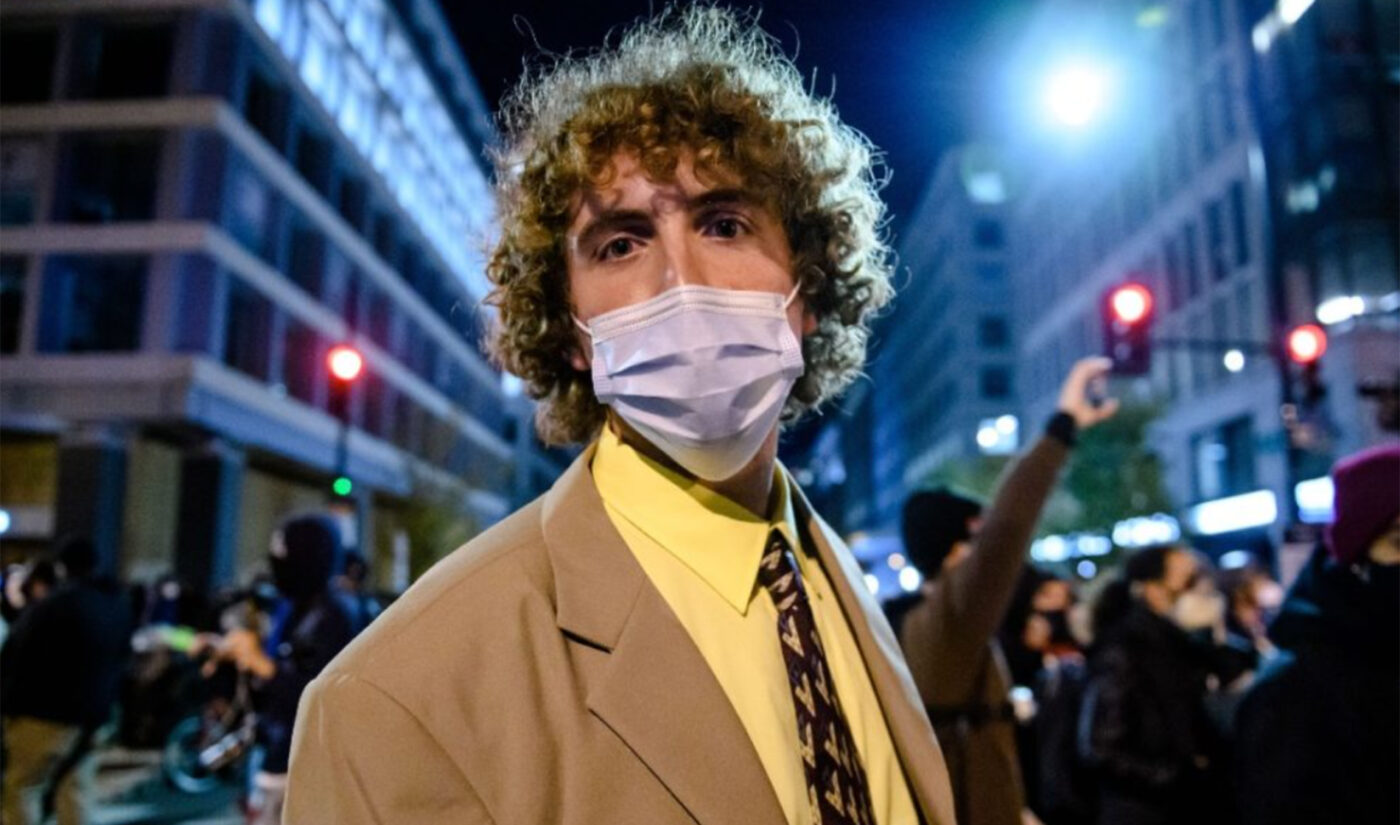
The AGNB brand identity was intentionally low-fidelity. Eschewing the high-production values of traditional news media, the brand utilized a beige suit, a simple microphone, and a massive RV. This “uniform” served as a visual anchor. In brand strategy, consistency is key to recognition. By maintaining a static visual aesthetic amidst the chaos of protests, festivals, and fringe conventions, the brand created a recognizable “safe space” for viewers to explore uncomfortable topics.
The Persona as the Brand Engine
In the world of personal branding, the creator often is the product. Andrew Callaghan’s deadpan delivery and non-judgmental interviewing style became the signature “voice” of the brand. This creates a unique challenge in brand strategy: when the brand is inextricably linked to an individual’s personality, the legal ownership of the brand name becomes a volatile asset. The audience didn’t just subscribe to a channel; they subscribed to a specific perspective. When that perspective is legally owned by a third party, the brand faces an existential crisis.
The Pitfalls of IP Ownership and Predatory Contracts
The primary reason “All Gas No Brakes” effectively ceased to exist in its original form was a catastrophic failure in brand protection and intellectual property strategy. In the early stages of the project, Callaghan and his crew signed a contract with a production company called “Doing Okay.”
The “Doing Okay” Contract: A Case Study in Brand Loss
The contract signed by the creators was remarkably restrictive. It granted the production company full ownership of the “All Gas No Brakes” trademark, the social media accounts, and the creative direction of the project. From a brand management perspective, this is the equivalent of a founder surrendering the keys to their house while agreeing to pay rent to live in the basement.
When creative differences arose regarding the direction of the content—specifically the move toward more serious, politically charged journalism—the creators found themselves locked out of the very brand they built. This serves as a vital lesson for creators: a brand is more than its logo; it is the legal right to control its output.
When Personal Branding Meets Corporate Control
The conflict between AGNB and Doing Okay highlights the tension between creative “talent” and “capital.” In corporate identity, if the “face” of the brand does not own the “name” of the brand, the asset is inherently unstable. The production company owned the name “All Gas No Brakes,” but they did not own the talent’s soul or the audience’s loyalty.
When Callaghan was fired from his own show, the brand “All Gas No Brakes” became a hollow shell. The YouTube channel, boasting millions of subscribers, was suddenly a ghost town because the brand’s essence had departed, leaving only the trademark behind.
The Pivot: Building Channel 5 as a Sovereign Brand
The aftermath of the AGNB collapse led to one of the most successful brand migrations in digital history. Andrew Callaghan and his team launched “Channel 5 with Andrew Callaghan,” a move that necessitated a complete overhaul of their brand strategy.
Decoupling from a Toxic Identity
The transition from AGNB to Channel 5 was a strategic masterstroke in reputation management and brand pivot. Rather than engaging in a decade-long legal battle over a tainted name, the team chose to “fork” the brand. They kept the core aesthetic—the beige suit and the RV—but changed the name. This move signaled to the audience that while the “container” had changed, the “content” remained authentic.
In branding, this is known as a migration strategy. By leveraging their existing personal brands, the creators were able to move over 1 million subscribers to a new platform in a matter of weeks, proving that in the modern economy, community trust is a more valuable asset than a trademarked name.
Community-Driven Branding via Patreon
A significant shift in the Channel 5 brand strategy was the move toward financial independence. By utilizing Patreon, the brand moved away from the “gatekeeper” model of production companies. This allowed the brand to be funded directly by its consumers, ensuring that the editorial voice remained uncompromised. This “Direct-to-Consumer” (DTC) media model is now the gold standard for independent brands looking to maintain 100% IP ownership.
Brand Ethics and the Fragility of Reputation
The story of the brand does not end with the successful launch of Channel 5. Brand strategy must also account for crisis management and the personal conduct of the individuals behind the brand. In early 2023, the brand faced its most significant hurdle yet: allegations of misconduct against Andrew Callaghan.
The Impact of Scandals on Brand Longevity
A brand built on “authenticity” and “the truth” is uniquely vulnerable to allegations of personal impropriety. When the “face” of a brand is accused of violating the ethics that the audience associates with that brand, the brand equity evaporates instantly. Unlike a corporate entity like Coca-Cola, which can survive a scandal by firing a CEO, a personal brand is tied to the DNA of its creator. The “Channel 5” brand underwent a period of silence and internal restructuring, highlighting that brand sovereignty also comes with absolute personal accountability.
Lessons for Modern Content Creators and Strategists
The saga of “All Gas No Brakes” provides several critical takeaways for anyone building a brand in the digital age:
- Own Your IP: Never trade long-term ownership for short-term capital. If you don’t own your trademark and your distribution channels, you don’t own a brand; you own a job.
- The Audience Follows the Value, Not the Name: If a brand migration is handled with transparency, the community will follow the creator. The “name” is secondary to the “voice.”
- Diversify Your Brand Assets: Do not rely on a single platform (like YouTube) or a single financier. Use tools like Patreon or independent websites to ensure your brand can survive a “platform ban” or a legal dispute.
- Brand Integrity is Everything: In an era of radical transparency, the personal ethics of a brand’s leadership are a core part of the brand’s value proposition.
Conclusion: The Legacy of a Fragmented Brand
What happened to “All Gas No Brakes” is a story of evolution. The original brand still exists as a dormant YouTube channel owned by a corporation that can no longer produce the content that made it famous. Meanwhile, the creators moved on to build a more resilient, sovereign identity that eventually faced its own human complexities.
For brand strategists, the takeaway is clear: the most powerful brands of the 21st century are those that balance creative freedom with legal protection. The “All Gas No Brakes” incident redefined how creators approach contracts, emphasizing that in the digital frontier, the person behind the microphone is often more powerful than the company that owns it—provided they have the strategy to protect their IP. The ghost of AGNB remains a digital monument to the importance of owning your narrative, your name, and your future.
aViewFromTheCave is a participant in the Amazon Services LLC Associates Program, an affiliate advertising program designed to provide a means for sites to earn advertising fees by advertising and linking to Amazon.com. Amazon, the Amazon logo, AmazonSupply, and the AmazonSupply logo are trademarks of Amazon.com, Inc. or its affiliates. As an Amazon Associate we earn affiliate commissions from qualifying purchases.