
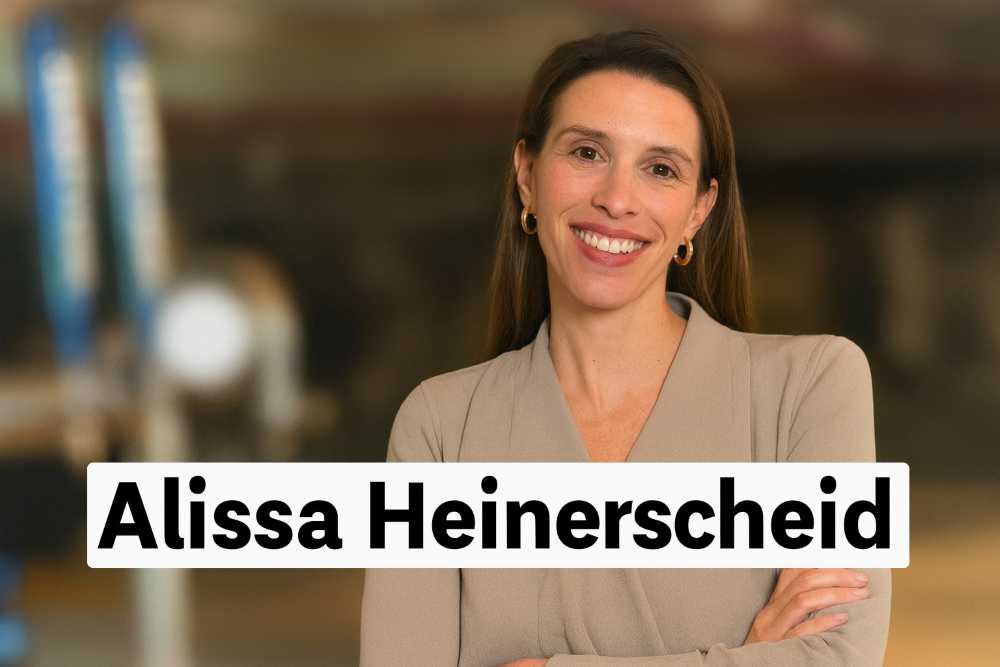
The business and marketing world often buzzes with stories of prominent figures and their career trajectories. In 2024, the question “What happened to Alissa Heinerscheid?” has emerged as a point of curiosity, particularly within the realm of brand strategy and personal branding. Heinerscheid, previously a recognized figure for her work, particularly in the context of Bud Light’s marketing campaigns, has seen shifts in her public presence and professional narrative. This exploration delves into the factors influencing perceptions of her brand, the strategic decisions that may have shaped her recent career path, and the broader implications for individuals navigating high-stakes brand management in the digital age.

The Shifting Sands of Public Perception: A Brand in Transition
Alissa Heinerscheid’s public persona became inextricably linked with Bud Light’s marketing efforts, particularly the campaigns that generated significant debate and controversy. Understanding what happened to her in 2024 requires an analysis of how public perception can dramatically influence an individual’s brand, especially when that brand is tied to a major corporate entity.
The Bud Light Association: A Double-Edged Sword
Heinerscheid’s tenure as Vice President of Marketing for Bud Light saw her at the helm of campaigns that aimed to modernize the brand and appeal to a broader demographic. The collaboration with Dylan Mulvaney, a transgender influencer, was a pivotal moment. While intended by the brand to embrace inclusivity and tap into new consumer segments, the campaign ignited a fierce backlash from a significant portion of Bud Light’s traditional consumer base. This backlash translated into boycotts, declining sales, and extensive negative media coverage.
For Heinerscheid, this association meant her professional reputation became intertwined with the success or failure of these initiatives. The sheer volume of public discourse, both supportive and critical, amplified her visibility but also placed her under intense scrutiny. In the aftermath, questions inevitably arose about her role, her decision-making process, and her future within Anheuser-Busch InBev. The brand she represented, and by extension, her personal brand, became a focal point of cultural and consumer debates, a situation few marketing professionals actively seek.
Navigating the Fallout: Strategic Realignments
Following the intense scrutiny and the business impact of the Bud Light campaign, Heinerscheid’s role and visibility naturally underwent a period of re-evaluation. The intense media attention and the potential for further brand damage meant that her public-facing activities would likely be recalibrated. This isn’t uncommon in corporate environments where significant marketing missteps occur; leadership often makes adjustments to manage both internal and external perceptions.
From a brand perspective, the immediate aftermath likely involved a period of strategic silence or a shift to less visible roles to allow the dust to settle. The focus would shift from proactive brand-building to crisis management and damage control, not just for the corporation but for the individuals most closely associated with the challenged campaigns. The year 2024, in this context, represents a phase where the long-term implications of the Bud Light controversy would continue to shape perceptions of Heinerscheid’s brand and potentially influence her next career steps. It’s a testament to how intertwined personal and corporate brands can become, especially in highly visible marketing roles.
The Evolution of Personal Branding in the Digital Age
Alissa Heinerscheid’s situation highlights the evolving landscape of personal branding, particularly for professionals in the public eye. In 2024, the mechanisms of influence, reputation management, and career progression are more complex than ever, heavily shaped by digital platforms and the rapid dissemination of information.
The Amplification Effect of Social Media and News Cycles

The digital age possesses an unparalleled capacity to amplify both positive and negative narratives. The Bud Light campaign’s fallout was a prime example. Social media platforms became echo chambers for both staunch supporters and vehement critics, creating a polarized public discourse. News outlets, both mainstream and digital, seized upon the story, dissecting every angle and often focusing on the individuals involved.
For Heinerscheid, this meant her personal brand was being shaped in real-time by millions of online interactions and countless news articles. Her professional decisions were subjected to public judgment on a scale rarely seen even a decade ago. This amplification effect is a critical consideration for any brand leader. It underscores the need for robust crisis communication strategies and a deep understanding of how digital sentiment can translate into tangible brand impact, affecting not only corporate brands but also the personal brands of those leading them. In 2024, the echoes of these digital conversations continued to resonate, impacting how Heinerscheid’s professional journey was perceived.
Rebuilding and Repositioning: Long-Term Brand Strategy
The narrative of “what happened to Alissa Heinerscheid” in 2024 is also a story about the potential for rebuilding and repositioning a personal brand after a challenging period. For professionals who have faced significant public scrutiny, the path forward often involves a strategic reassessment of their personal brand narrative. This can manifest in several ways.
Firstly, there might be a deliberate period of stepping back from the limelight to allow for a cooling-off period. This allows public attention to shift to other narratives, creating space for a more measured re-entry. Secondly, the focus might shift to demonstrating expertise in other, less controversial areas. This could involve contributing to industry publications, speaking at more niche professional events, or engaging in thought leadership that emphasizes strategic acumen and innovative thinking, rather than focusing solely on past high-profile campaigns.
In 2024, the question of what happened to Heinerscheid is, in essence, a question about her ongoing brand evolution. It speaks to the resilience required of public-facing professionals and the strategic foresight needed to navigate the choppy waters of brand perception in the modern era. The ability to learn from past experiences, adapt to changing market dynamics, and strategically redefine one’s professional identity is crucial for sustained success. Her journey, observed in 2024, offers a compelling case study in the complexities of personal brand management and the long-term implications of major brand initiatives.
Lessons in Brand Management and Corporate Identity
The story surrounding Alissa Heinerscheid in 2024, particularly in the context of Bud Light, offers significant lessons for brand managers, corporate leaders, and anyone involved in shaping a brand’s identity. The intersection of corporate strategy, personal brand, and public perception is a delicate one, and missteps can have far-reaching consequences.
The Importance of Audience Segmentation and Cultural Relevance
The Bud Light campaign serves as a stark reminder of the critical importance of understanding your target audience and the prevailing cultural landscape. Heinerscheid’s role as VP of Marketing placed her at the helm of a decision that, while perhaps intended to be forward-thinking, failed to resonate with a significant portion of the brand’s established consumer base. This highlights a fundamental principle in brand strategy: innovation must be coupled with an acute awareness of existing brand equity and the values of the core demographic.
In 2024, the ongoing discussion about Heinerscheid prompts reflection on how brands navigate cultural shifts. It’s not enough to simply adopt trendy marketing tactics or embrace popular social causes; these initiatives must be genuinely aligned with the brand’s DNA and authentically communicated to the intended audience. The backlash experienced by Bud Light underscored the potential for miscalculation when brands attempt to pivot too dramatically without adequately understanding the sensitivities and loyalties of their existing customer base. This situation emphasizes that successful brand management requires a nuanced approach to audience segmentation and a deep understanding of cultural relevance, ensuring that marketing efforts build upon, rather than alienate, existing brand loyalty.
The Symbiotic Relationship Between Corporate and Personal Brands
The scrutiny faced by Alissa Heinerscheid in 2024 vividly illustrates the symbiotic and often inseparable relationship between corporate and personal brands, especially for individuals in senior leadership roles. When a major marketing campaign under a leader’s purview becomes a subject of widespread public debate and controversy, that individual’s personal brand inevitably becomes entangled with the corporate entity’s performance and reputation.
Heinerscheid’s professional identity became a focal point for discussions surrounding Bud Light’s marketing direction. This entanglement means that the successes and failures of the corporate brand directly impact the perceived strength and trajectory of the individual’s personal brand. For Heinerscheid, the intense public reaction to the Bud Light campaign meant that her personal brand was, in 2024, still being evaluated through the lens of those events. This highlights a crucial takeaway for brand professionals: their personal reputation is inextricably linked to the brands they manage. Consequently, a proactive and strategic approach to personal branding, alongside corporate brand management, is essential. This includes understanding how public perception can shift, preparing for potential crises, and developing a long-term vision for one’s professional identity that can withstand the pressures of high-profile roles and the dynamic nature of public opinion. The year 2024, in observing Heinerscheid, offers a compelling case study on the enduring influence of corporate brand actions on individual professional narratives.
aViewFromTheCave is a participant in the Amazon Services LLC Associates Program, an affiliate advertising program designed to provide a means for sites to earn advertising fees by advertising and linking to Amazon.com. Amazon, the Amazon logo, AmazonSupply, and the AmazonSupply logo are trademarks of Amazon.com, Inc. or its affiliates. As an Amazon Associate we earn affiliate commissions from qualifying purchases.