
For decades, the trajectory of a Hollywood A-lister followed a predictable, albeit fragile, path: a string of theatrical blockbusters, a transition into “serious” prestige roles to court award bodies, and an eventual decline into legacy cameos or television. However, the question of “what happened to Adam Sandler” reveals a much more sophisticated narrative than a simple career evolution. In the world of marketing and brand strategy, Sandler represents one of the most successful examples of personal brand management, audience retention, and platform-specific pivoting in the 21st century.
While casual observers might wonder why the comedian transitioned away from the traditional summer blockbuster circuit, the reality is that Sandler didn’t disappear; he optimized. By analyzing his shift from a box-office-dependent star to a cornerstone of the streaming era, we can uncover vital lessons in brand equity, niche protection, and the power of controlling one’s own distribution.
The Evolution of the “Sandman” Brand Identity
To understand what happened to Adam Sandler, one must first identify the core pillars of his brand. Unlike many actors who attempt to be “chameleons,” Sandler built his multi-billion-dollar career on a highly specific, recognizable, and relatable archetype: the Everyman with a short fuse. This consistency is a textbook example of maintaining a strong brand identity.
Defining the Brand Archetype
Sandler’s brand is rooted in the “Innocent” and the “Everyman” archetypes. Whether he is playing a hockey player turned golfer or a wedding singer, his characters often represent the underdog who values loyalty, family, and authenticity over societal expectations. This has created a deep emotional resonance with his audience. In marketing terms, Sandler has achieved “Brand Salience”—when consumers think of “comfort comedy,” his name is at the top of the list. He has remained remarkably consistent, which builds trust. While critics may have tired of his tropes, his core demographic knows exactly what they are getting with every “product” launch.
Visual Branding: The Power of Authenticity
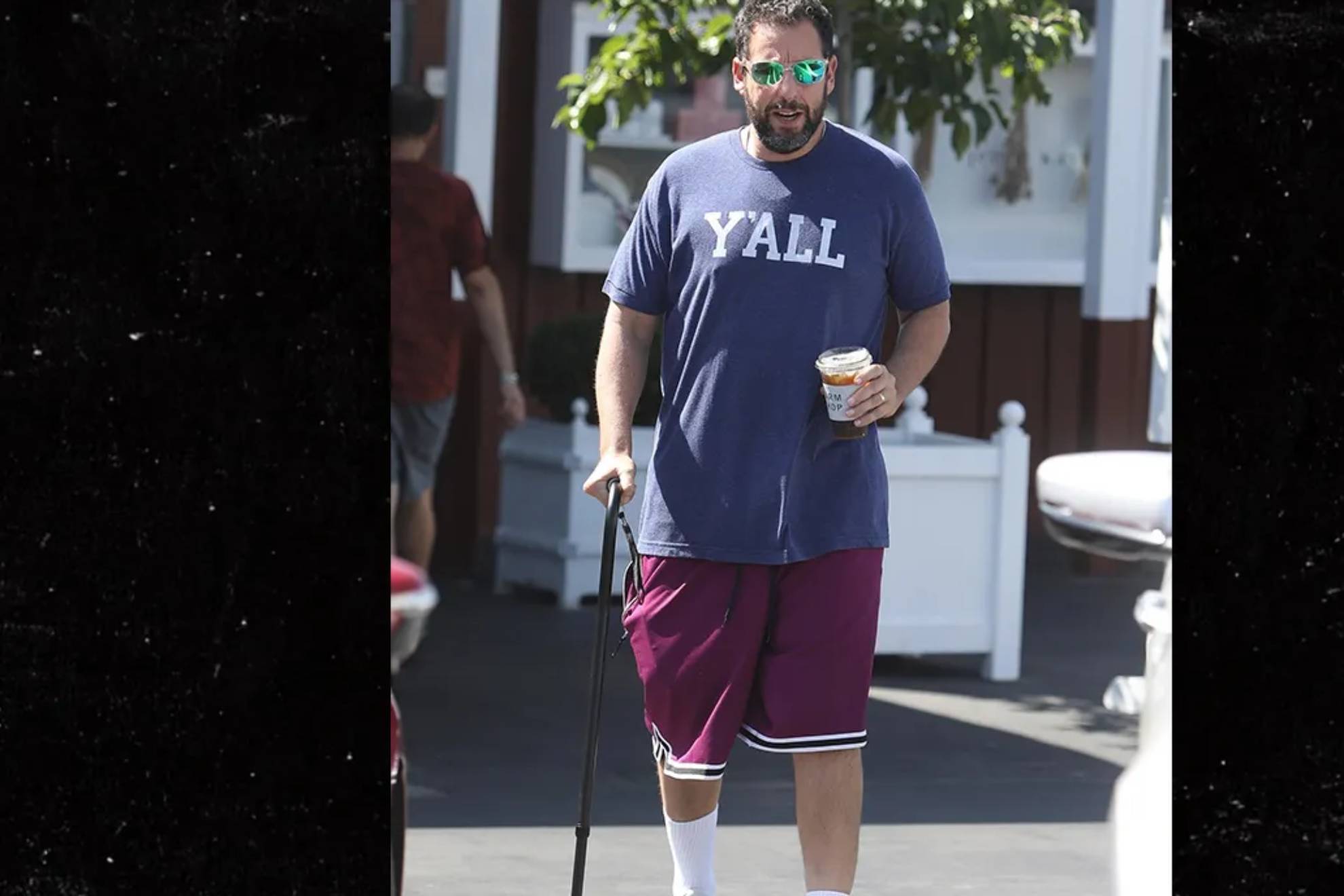
One of the most fascinating aspects of Sandler’s personal brand is his visual identity. In an industry obsessed with curated perfection and high fashion, Sandler’s public image is defined by oversized hoodies, basketball shorts, and sneakers. This is not accidental or lazy; it is a powerful branding tool. By rejecting the Hollywood uniform, he reinforces his brand promise of being “one of us.” This “anti-brand” aesthetic has actually become a viral trend in its own right, resonating with younger generations on platforms like TikTok and Instagram who value authenticity over artifice.
The Netflix Pivot: A Case Study in Platform Partnership
The most significant turning point in the “what happened” narrative occurred in 2014 when Sandler signed a landmark deal with Netflix. At the time, the move was met with skepticism by industry analysts. However, in hindsight, it was a visionary move in brand distribution. Sandler recognized long before his peers that the theatrical model for mid-budget comedies was dying.
Data-Driven Success and Market Penetration
Netflix didn’t sign Sandler because of critical acclaim; they signed him because of data. Their algorithms showed that Sandler’s catalog was consistently among the most-watched content on the platform globally. For Netflix, Sandler wasn’t just an actor; he was a “Customer Acquisition and Retention Tool.”
By moving to streaming, Sandler eliminated the “Box Office Risk.” In the traditional model, a film’s success is judged by its opening weekend. In the streaming model, success is measured by hours watched and subscriber churn prevention. Sandler’s movies, such as The Ridiculous 6 and Murder Mystery, broke viewership records, proving that his brand was better suited for the high-frequency, low-friction environment of the living room rather than the high-cost commitment of the movie theater.

Diversifying the Product Line
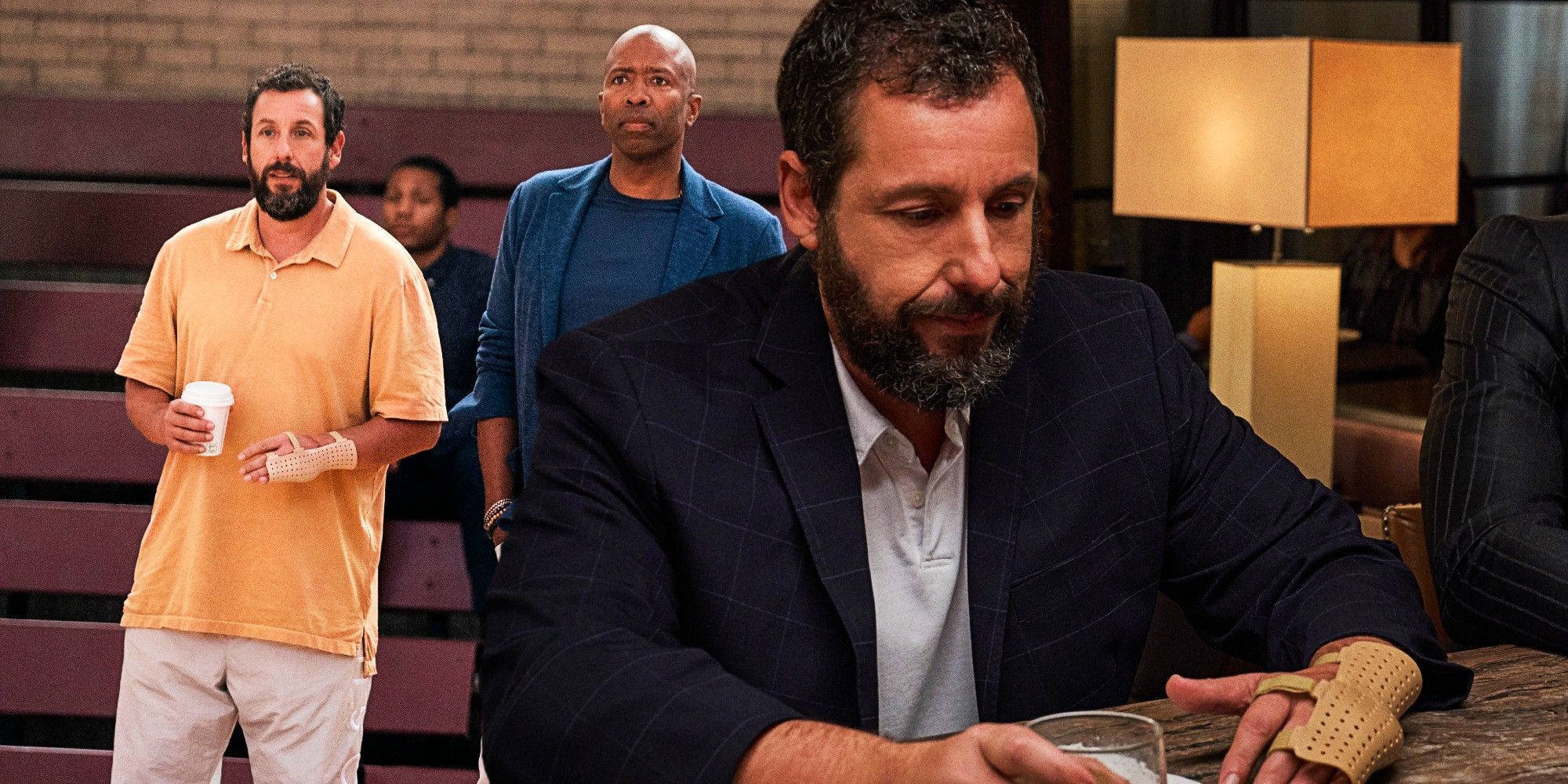
While Sandler’s brand is built on comedy, he has masterfully used his Netflix deal to “stretch” his brand into prestige territory without alienating his base. Projects like The Meyerowitz Stories, Uncut Gems, and Hustle serve as brand extensions. They remind critics and high-brow audiences of his technical skill (Brand Authority), while his standard comedies maintain the “cash cow” portion of his portfolio. This is a classic business strategy: using high-volume, reliable products to fund and provide the freedom for “R&D” or “Luxury” offerings.
Loyalty as a Brand Pillar: The Happy Madison Ecosystem
One cannot discuss the Sandler brand without mentioning Happy Madison Productions. What happened to Adam Sandler is that he became a vertically integrated mogul. He stopped being an “employee” of the studios and became the owner of the entire production ecosystem.
The Collaborative Culture
Sandler’s brand is synonymous with loyalty. By consistently casting his real-life friends (Kevin James, Chris Rock, David Spade, etc.), he has created a “Cinematic Universe” long before the concept was popularized by Marvel. From a branding perspective, this creates a sense of community. The audience feels like they are part of an inner circle. This internal loyalty also reduces production friction; Happy Madison is known for being an efficient, streamlined operation where the “talent” is also the “management.”
Controlling the Supply Chain
By owning the production company, Sandler controls every aspect of his brand’s output. He chooses the scripts, the locations (often vacation spots, which has become a legendary part of his business model), and the marketing strategy. This level of control is rare in Hollywood and has allowed him to insulate his brand from external interference. He is not at the mercy of a studio head’s changing tastes; he is his own studio head.
Resilience and Adaptation in the Digital Age
The story of Adam Sandler is ultimately a story of resilience against “Brand Erosion.” For years, professional critics have panned his work, yet his commercial power only grew. This creates a fascinating case study in “Audience vs. Critic” brand perception.
Navigating Critical Reception vs. Consumer Loyalty
In many industries, negative reviews can be fatal. However, Sandler’s brand is “critic-proof” because his value proposition is not based on artistic innovation, but on emotional reliability. He understands that his primary customers—the fans who have followed him since Saturday Night Live—are looking for escapism and familiarity. By ignoring the critics and focusing entirely on his “Net Promoter Score” among his actual viewers, Sandler has maintained a level of brand loyalty that most corporations would envy.
The Future of the Sandler Brand
As we look forward, the “what happened” to Adam Sandler is that he has evolved into a multi-generational icon. He has successfully transitioned from the “angry young man” of the 90s to the “relatable father figure” of the 2020s. His recent work shows a brand that is maturing but remains fundamentally true to its origins.
The Sandler brand serves as a blueprint for anyone looking to build a long-term career in a shifting digital landscape:
- Identify your “Core Competency” and lean into it unapologetically.
- Own your distribution and don’t be afraid to pivot to new platforms before they become the industry standard.
- Build a “Brand Moat” through loyalty and consistent value delivery.
- Diversify your offerings to capture different market segments without losing your core identity.
In conclusion, Adam Sandler didn’t “fall off” or disappear from the cultural zeitgeist. He simply outmaneuvered the traditional Hollywood system. He recognized the shifting tides of consumer behavior and restructured his entire business model to thrive in the digital age. He transformed himself from a movie star into a global lifestyle brand, proving that in the modern economy, authenticity and strategic positioning are more valuable than a shelf full of trophies. What happened to Adam Sandler is that he won the long game of personal branding.
aViewFromTheCave is a participant in the Amazon Services LLC Associates Program, an affiliate advertising program designed to provide a means for sites to earn advertising fees by advertising and linking to Amazon.com. Amazon, the Amazon logo, AmazonSupply, and the AmazonSupply logo are trademarks of Amazon.com, Inc. or its affiliates. As an Amazon Associate we earn affiliate commissions from qualifying purchases.