
The stock market is a complex, living ecosystem where millions of variables—from geopolitical tensions to minute shifts in consumer spending—converge to dictate the price of a single share. When investors ask “what happened in the stock market today,” they are rarely looking for a simple number. They are seeking an understanding of the narrative driving the price action. Today’s market performance was a masterclass in the tension between macroeconomic data and corporate fundamentals, revealing a landscape where volatility remains the only constant.
Understanding the daily fluctuations of the market requires looking beyond the green and red tickers on a screen. It involves dissecting the interplay between the Federal Reserve’s monetary policy, the health of the labor market, and the earning power of the world’s largest corporations. Today’s session was particularly illustrative of how sensitive global equities have become to the “higher for longer” interest rate narrative and the burgeoning influence of artificial intelligence on growth projections.
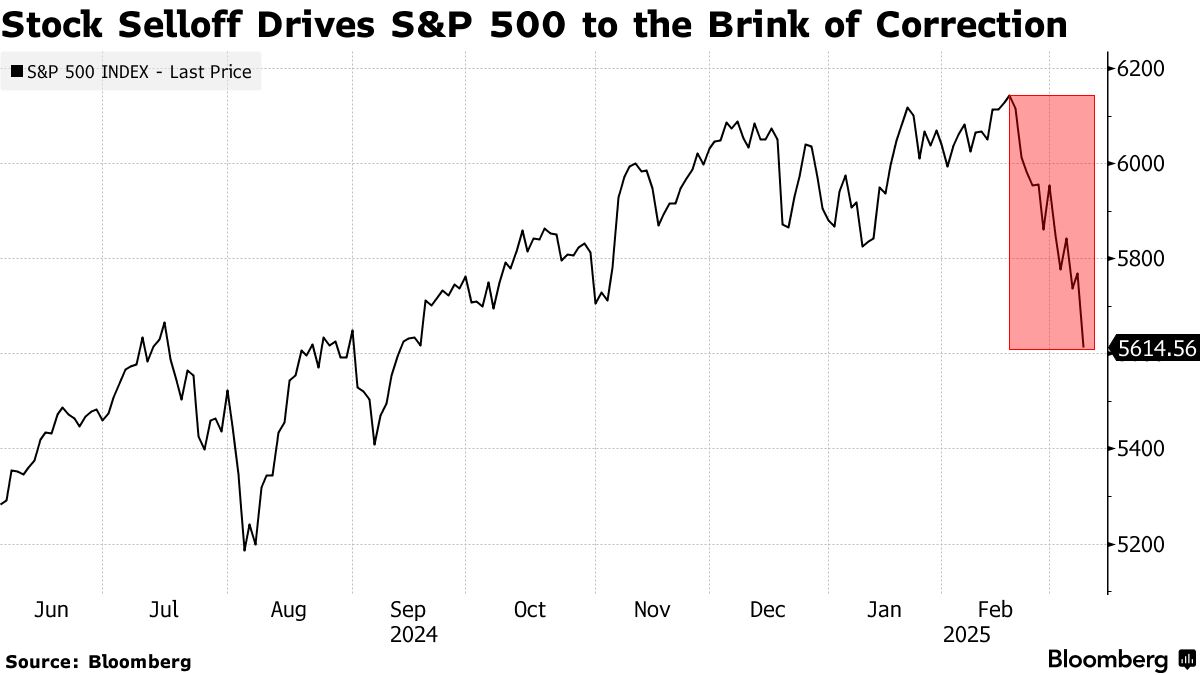
The Pulse of the Indices: Tracking Today’s Major Benchmarks
To understand the broader market health, one must look at the three primary indices: the Dow Jones Industrial Average (DJIA), the S&P 500, and the Nasdaq Composite. Each provides a different lens through which to view the day’s economic activity.
The Tech-Heavy Nasdaq and the Innovation Premium
The Nasdaq Composite, often seen as the barometer for growth and technology stocks, experienced significant movement today. Technology firms are notoriously sensitive to interest rate fluctuations because their valuations are often based on projected future earnings. When discount rates rise, the present value of those future profits diminishes. Today, as Treasury yields edged upward, we saw a concentrated sell-off in high-multiple software and semiconductor stocks. However, the dip was partially mitigated by ongoing enthusiasm for companies positioned at the forefront of the generative AI revolution. This “innovation premium” continues to provide a floor for tech valuations, even when the broader macro environment turns hawkish.
The S&P 500: A Reflection of Broad Economic Health
The S&P 500, representing the 500 largest publicly traded companies in the U.S., offered a more nuanced picture. While the technology sector weighed on the index, defensive sectors like Consumer Staples and Utilities provided a necessary buffer. This “sector rotation”—the movement of capital from high-growth areas to more stable, dividend-paying stocks—is a classic defensive maneuver during periods of uncertainty. Investors today appeared to be rebalancing their portfolios, moving away from “priced-for-perfection” growth names into companies with robust balance sheets and essential products that can withstand a potential economic slowdown.
The Dow Jones and the Industrial Backbone
The Dow Jones Industrial Average, which focuses on 30 blue-chip companies, remained relatively resilient today. This resilience can be attributed to the strong performance of industrial and financial components. As the “old economy” stocks within the Dow are less sensitive to the immediate whims of the tech cycle, they often serve as a safe haven when investors grow weary of high-volatility growth plays. Today’s performance suggests that while the “glamour” stocks are facing headwinds, the industrial backbone of the economy remains on relatively firm footing.
Fundamental Drivers: Interest Rates, Inflation, and the Fed
No discussion of what happened in the market is complete without addressing the “elephant in the room”: the Federal Reserve. The central bank’s dual mandate of price stability and maximum employment remains the primary driver of investor sentiment.
The Yield Curve and Investor Anxiety
A significant portion of today’s market activity was dictated by the bond market. Specifically, the yield on the 10-year Treasury note—a benchmark for everything from mortgages to corporate debt—saw a notable spike. When bond yields rise, they offer a more attractive risk-free return, which lures capital away from the riskier equity markets. This “tightening of financial conditions” was a major headwind for stocks today. Furthermore, the shape of the yield curve continues to be a point of contention among analysts, with many watching for signals of a looming recession versus a “soft landing” managed by the Fed.
Labor Market Resilience vs. Monetary Tightening
Recent data points regarding the labor market have created a paradoxical situation for investors. On one hand, a strong labor market means consumers have money to spend, which is good for corporate earnings. On the other hand, a “hot” labor market suggests that inflation might remain sticky, prompting the Fed to keep interest rates elevated for a longer duration. Today’s market reflected this tug-of-war. Positive employment indicators were met with a lukewarm reception by the markets, as investors weighed the benefits of consumer strength against the risks of a more aggressive central bank.
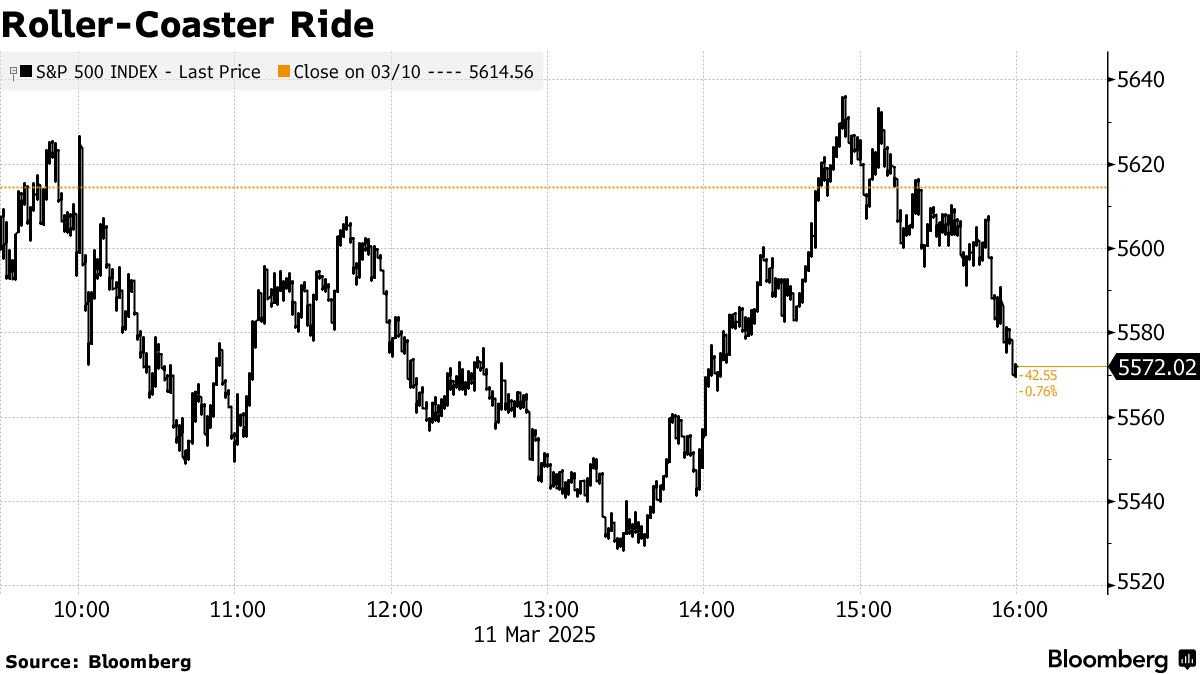
Corporate Catalysts: Earnings Reports and Strategic Shifts
While macroeconomics sets the stage, individual corporate performance provides the script. We are currently in a period where “bottom-up” analysis is becoming just as critical as “top-down” economic forecasting.
The Influence of Mega-Cap Earnings
The “Magnificent Seven”—the group of high-performing tech giants that include Apple, Microsoft, Alphabet, and NVIDIA—continues to hold an outsized influence on daily market direction. Today, news regarding supply chain optimizations and refreshed capital expenditure guidance from these firms sent ripples through the entire tech ecosystem. When these giants indicate they are increasing spending on data centers and AI infrastructure, it serves as a massive tailwind for the semiconductor industry. Conversely, any hint of cooling consumer demand for premium hardware can trigger a broad-based retreat.
The Resurgence of Value and Dividends
An interesting development in today’s trade was the renewed interest in “value” stocks. After years of being overshadowed by growth, companies with low price-to-earnings (P/E) ratios and steady dividend yields are seeing increased inflows. This shift suggests that institutional investors are becoming more disciplined, prioritizing immediate cash flows over speculative future growth. Financial institutions, in particular, saw a boost today as the prospect of higher interest rates promises wider net interest margins, provided the economy avoids a hard landing.
Behavioral Finance: Why the Market Reacted the Way It Did
To understand the stock market, one must understand human psychology. The market is not always a rational machine; it is a collection of human emotions, ranging from exuberant greed to paralyzing fear.
The Psychology of Support and Resistance
Technical analysis played a role in today’s price action. As indices approached key psychological levels—such as round numbers or 200-day moving averages—automated trading algorithms and retail investors alike reacted. These “support levels” act as a floor where buying interest typically increases, while “resistance levels” act as a ceiling where selling pressure intensifies. Much of the intraday volatility we witnessed today was the result of these technical triggers being hit, causing rapid-fire buying and selling that can often disconnect from the underlying fundamental news.
The Role of Institutional vs. Retail Sentiment
There is a distinct divergence between how institutional “smart money” and retail “meme stock” investors are approaching the current market. Institutions are largely focused on hedging and risk management, utilizing options and derivatives to protect their portfolios against downside risk. Retail investors, meanwhile, remain highly focused on momentum. Today’s market saw several “short squeezes” in mid-cap stocks, where retail enthusiasm forced short-sellers to buy back shares, leading to localized price spikes that defied broader market trends.
Investor Takeaways: Positioning Your Portfolio for Tomorrow
What happened today in the stock market is a single data point in a much larger trend. For the disciplined investor, today’s movements offer several key lessons on portfolio construction and risk management.
The Virtue of Patience in High-Volatility Eras
The primary takeaway from today is the importance of maintaining a long-term perspective. Intraday volatility is “noise” for the long-term investor. Those who try to time the market based on daily headlines often find themselves on the wrong side of the trade. Instead, focusing on “time in the market” rather than “timing the market” remains the most proven path to wealth accumulation. Today’s dip in certain sectors may, in hindsight, be viewed as a buying opportunity for those with a five-to-ten-year horizon.

Rebalancing and Risk Mitigation
Today’s market action serves as a reminder to check one’s asset allocation. If a portfolio has become too heavily weighted in a single sector—such as technology or AI-related stocks—today’s volatility was a signal to rebalance. Diversification across asset classes, including international equities, fixed income, and perhaps even alternative assets like commodities or real estate, remains the best defense against the unpredictable nature of the stock market.
In conclusion, what happened in the stock market today was a complex interplay of rising bond yields, corporate earnings expectations, and a recalibration of interest rate forecasts. While the headlines may focus on the point gains or losses, the real story lies in the shifting sentiment of investors as they navigate an economy that is transitioning from a period of “easy money” to a new era of fiscal discipline and technological transformation. By staying informed and focusing on fundamentals, investors can navigate these choppy waters with confidence.
aViewFromTheCave is a participant in the Amazon Services LLC Associates Program, an affiliate advertising program designed to provide a means for sites to earn advertising fees by advertising and linking to Amazon.com. Amazon, the Amazon logo, AmazonSupply, and the AmazonSupply logo are trademarks of Amazon.com, Inc. or its affiliates. As an Amazon Associate we earn affiliate commissions from qualifying purchases.