
The conclusion of the television series Lost remains one of the most polarizing moments in the history of modern media. However, viewed through the lens of brand strategy, “The End” (the series finale) serves as more than just a television milestone; it is a profound case study in narrative management, consumer psychology, and the lifecycle of an intellectual property. When we ask “what happened” in the Lost finale, we are not just asking about the plot—we are asking how a premier global brand navigated the transition from a cult mystery to a mainstream phenomenon, and ultimately, how it managed its final “product delivery” to an audience with unprecedented levels of emotional and intellectual investment.

In the corporate world, a brand is a promise. For Lost, that promise was built on the “Mystery Box” philosophy—a commitment that every question would eventually lead to a satisfying answer. The finale was the moment that promise was called due. What followed was a masterclass in the complexities of brand equity, demonstrating that how a brand “ends” is often more important than how it begins.
The Architecture of Brand Hype: How Lost Built Its Identity
To understand the finale, one must first understand the brand architecture that preceded it. Lost did not just sell a story; it sold an ecosystem of curiosity. This was a “narrative brand” that utilized a multi-platform approach to keep consumers engaged during the “off-hours” of the product cycle.
The “Mystery Box” as a Product Feature
J.J. Abrams, one of the show’s creators, famously championed the “Mystery Box” concept—the idea that the anticipation of a secret is often more valuable than the secret itself. From a branding perspective, this was a brilliant move. It created a “high-involvement” product. Consumers weren’t just passive viewers; they were investigators. This strategy boosted the brand’s “stickiness,” ensuring that the churn rate of viewers remained low because the cost of leaving—not knowing the answers—was too high.
Cultivating Community Through Transmedia Branding
Lost was a pioneer in transmedia storytelling. Through Alternate Reality Games (ARGs) like The Lost Experience, the brand extended its touchpoints beyond the television screen. This created a powerful engagement flywheel. By providing “breadcrumbs” of information across websites, fake commercials, and tie-in novels, the brand fostered a community of “super-users.” These fans became brand ambassadors, creating forums and wikis that served as free marketing and deepened the brand’s cultural penetration. However, this also set a dangerous precedent: it trained the consumer to expect a level of detail and resolution that is difficult for any final product to deliver.
The Crisis of Expectation Management: Why the Finale Polarized the Market
In brand strategy, the “Value Gap” occurs when there is a significant discrepancy between what a brand promises and what it delivers. The Lost finale is perhaps the most famous example of a Value Gap in the entertainment industry. The brand had spent six years signaling that it was a logic-based, sci-fi mystery. When the finale pivoted toward a character-driven, spiritual resolution, many consumers felt a sense of “brand betrayal.”
Feature Creep and Narrative Debt
In software development, “feature creep” occurs when a product becomes overly complex due to the constant addition of new features, eventually making it unstable. Lost suffered from a narrative version of this. Each season added new “features”—the hatch, the numbers, the smoke monster, time travel—without fully “deprecating” or resolving the old ones. By the time of the finale, the brand had accumulated massive “narrative debt.” The creators had to decide whether to pay off that debt with technical explanations or to focus on the emotional “user experience.” They chose the latter, leaving the “technical specs” of the island largely unaddressed.
The Disconnect Between Creators and Consumers
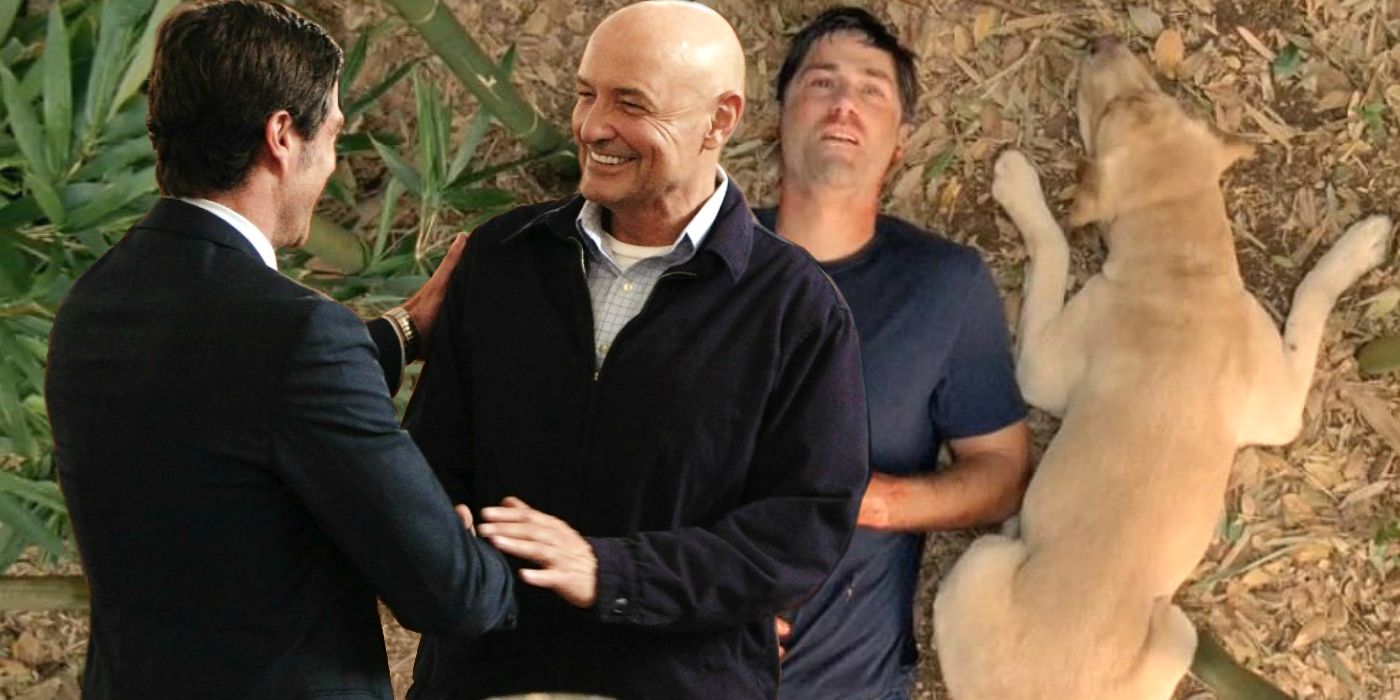
A brand is defined by the consumer’s perception, not the creator’s intent. The showrunners, Damon Lindelof and Carlton Cuse, viewed the brand as a story about people (The “Emotional Brand”). However, a significant segment of the market viewed it as a puzzle to be solved (The “Functional Brand”). What happened in the finale was a collision between these two identities. While the emotional brand loyalists were satisfied by the character reunions in the “Flash Sideways” (the afterlife purgatory), the functional brand loyalists were frustrated by the lack of empirical answers. This highlights a vital lesson for brand managers: if you don’t clearly define your brand’s primary value proposition early on, your audience will define it for you—and they may be disappointed when you don’t meet their self-created expectations.
Post-Finale Brand Equity: Analyzing the Long-Term Impact
When a major product launch or conclusion meets with mixed reviews, the immediate concern is the destruction of brand equity. For years following the finale, Lost was often cited as a cautionary tale of “how not to end a story.” Yet, a decade later, the brand’s standing has undergone a fascinating rehabilitation, offering insights into how brands can survive a controversial “finale.”
Legacy Management and the Streaming Era
The transition of Lost from a weekly broadcast model to a “binge-watch” streaming model changed the way the brand was consumed. On platforms like Netflix and Hulu, the “narrative debt” felt less burdensome because the time between “loan” and “repayment” was compressed. New consumers, who did not have years to build up hyper-inflated expectations, often found the finale to be a poignant and satisfying conclusion. This suggests that the “medium” of delivery can significantly impact the “message” of the brand, and that a controversial ending can be mitigated by changing the consumption context.
The Reputation Cost for the Personal Brands of Creators
In the modern economy, the personal brands of creators are inextricably linked to their products. The backlash to the Lost finale had a tangible impact on the “market value” of Lindelof and Cuse for a time. Lindelof, in particular, became the target of significant online scrutiny. However, he successfully pivoted by leaning into the lessons learned. His subsequent projects, like The Leftovers and Watchmen, were marketed with more transparency regarding their themes, effectively “rebranding” himself as a creator who focuses on the “why” rather than the “how.” This is a classic example of brand recovery through transparency and consistent delivery in subsequent “product cycles.”
Universal Branding Lessons from the Island
The story of “what happened” in the Lost finale provides several high-level takeaways for brand strategists, marketing executives, and content creators. Whether you are launching a new tech gadget or concluding a decade-long marketing campaign, the principles of narrative closure remain the same.
The Importance of a Clear “North Star”
A brand needs a “North Star”—a singular guiding principle that informs every decision. If Lost had been more consistent in signaling that it was a spiritual journey rather than a scientific puzzle, the finale would have felt more “on-brand.” For companies, this means ensuring that your marketing (the promise) is always in alignment with your R&D and product delivery (the reality). If you market your brand as “the most reliable,” your “finale” (the end-of-life support for a product) cannot be buggy or dismissive.
Exit Strategies in Product Development
Every product has a lifecycle. A successful brand strategy includes a clear exit plan. In the case of Lost, the creators eventually negotiated a fixed end date with ABC, which allowed them to begin the “sunsetting” process of the brand. This was a strategic win. It allowed for a controlled wind-down rather than an abrupt cancellation. However, the lesson remains: the way you exit the market or end a product line dictates the “aftertaste” your brand leaves in the consumer’s mouth. Sticking the landing requires a balance of honoring the legacy of the brand while providing a clear path forward for the consumer.

Integrity vs. Innovation in Product Conclusions
Finally, the Lost finale teaches us about the tension between staying true to a vision (Brand Integrity) and pivoting to meet market demands (Innovation). The creators chose integrity, sticking to the ending they felt was right for the characters, despite knowing it would be controversial. In the short term, this hurt the brand’s “approval rating.” In the long term, it gave the brand a distinct, uncompromising identity that continues to generate discussion and viewership today. In brand strategy, sometimes the “wrong” move for the current market is the “right” move for the historical legacy.
In conclusion, “what happened” in the Lost finale was a complex interplay of high-stakes storytelling and brand management. It demonstrated that in an age of hyper-connectivity and intense consumer ownership, a brand’s conclusion is not just an end—it is a permanent part of the brand’s value proposition. By understanding the mechanics of the Lost finale, modern brands can better navigate their own narratives, ensuring that when their “The End” arrives, the audience isn’t just left with questions, but with a lasting sense of brand loyalty.
aViewFromTheCave is a participant in the Amazon Services LLC Associates Program, an affiliate advertising program designed to provide a means for sites to earn advertising fees by advertising and linking to Amazon.com. Amazon, the Amazon logo, AmazonSupply, and the AmazonSupply logo are trademarks of Amazon.com, Inc. or its affiliates. As an Amazon Associate we earn affiliate commissions from qualifying purchases.