
When most people reflect on the 1960s in America, they picture the cultural upheaval, the space race, or the seismic shifts in social policy. However, beneath the surface of the “Summer of Love” and the moon landing, a profound financial transformation was taking place. The 1960s represented a pivotal era for the American economy, marking the transition from the cautious, post-Depression mindset of the 1950s to the aggressive, performance-driven world of modern finance. Known in financial circles as the “Go-Go Years,” this decade birthed the concepts of growth-stock investing, the modern credit economy, and the macroeconomic pressures that would eventually dismantle the gold standard.

The Era of Unprecedented Prosperity and the Growth of the Middle Class
The beginning of the 1960s saw the United States at the pinnacle of its post-World War II economic dominance. The early part of the decade was characterized by low inflation, high employment, and a standard of living that was the envy of the world. For the American consumer, “what happened” in the 1960s was the realization of a financial dream that had been building since 1945.
The 1964 Tax Cuts and Keynesian Success
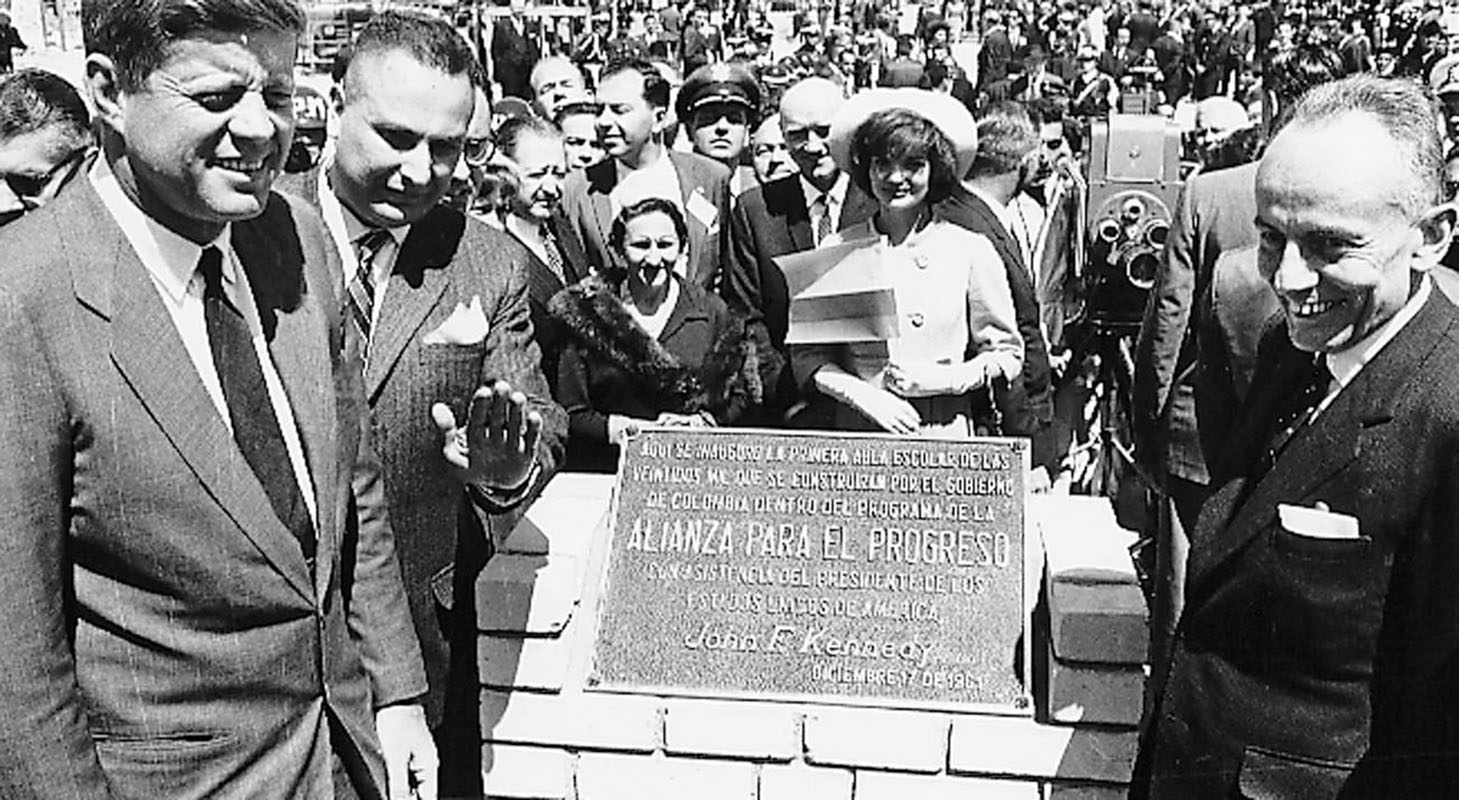
One of the most significant financial catalysts of the decade was the Revenue Act of 1964. Proposed by President John F. Kennedy and ushered through by Lyndon B. Johnson, these sweeping tax cuts reduced the top individual income tax rate from 91% to 70% and lowered corporate rates. The goal was to stimulate investment and consumer spending through Keynesian economic theory. The result was a massive surge in GDP growth, which averaged nearly 5% annually during the mid-60s. This policy move proved that fiscal stimulus could drive private sector wealth, a lesson that would shape American economic policy for decades to come.
Real Estate and the Suburban Wealth Engine
During the 1960s, homeownership became the primary vehicle for personal wealth accumulation for the American middle class. Low-interest rates and the continued expansion of the 30-year fixed-rate mortgage allowed millions of families to build equity. As suburbs expanded, the appreciation of residential real estate created a “wealth effect,” encouraging higher levels of consumer spending. This decade solidified the American belief that a primary residence was not just a shelter, but a core financial asset.
The Rise of the Institutional Investor
Before the 1960s, the stock market was largely the playground of wealthy individuals. However, the 1960s saw the explosion of pension funds and mutual funds. As corporations grew, so did their benefit packages. The influx of institutional capital into the markets provided the liquidity necessary for the massive corporate expansions of the era, but it also began the professionalization of the investment industry, moving away from “gut feeling” toward data-driven analysis.
The “Go-Go Years” and the Birth of Modern Stock Speculation
As the decade progressed, the conservative “buy and hold” strategy of the 1950s gave way to a new, aggressive form of investing. Financial historian John Brooks famously dubbed this era the “Go-Go Years.” It was a time when the “Cult of Equity” took hold, and the pursuit of rapid capital gains replaced the desire for steady dividends.
The Glamour Stocks and the “Nifty Fifty”
In the mid-to-late 1960s, investors became obsessed with a group of stocks known as the “Nifty Fifty.” These were high-growth companies like Xerox, Polaroid, IBM, and Disney. They were considered “one-decision” stocks: you bought them and never sold them, regardless of the price-to-earnings (P/E) ratio. This period marked the birth of growth-stock fever, where investors were willing to pay a massive premium for future earnings potential. While this created immense wealth for early adopters, it also set the stage for a speculative bubble that would eventually burst in the early 1970s.
Gerald Tsai and the Performance Fund Revolution
Perhaps no figure embodied the 1960s financial spirit more than Gerald Tsai. He pioneered the “performance fund” through the Manhattan Fund, which focused on rapid trading and momentum rather than long-term value. Tsai’s approach was a radical departure from the staid investment philosophy of the past. His success (and eventual downfall) signaled a shift in American finance toward short-termism and “beating the market,” a mindset that remains a dominant force in Wall Street culture today.
The Conglomerate Craze
The 1960s was also the decade of the “Conglomerate.” Companies like LTV, ITT, and Gulf+Western used their highly valued stock as “currency” to acquire unrelated businesses in various industries. The logic was that superior management could apply financial discipline to any sector, from meatpacking to movie studios. This corporate engineering allowed companies to show consistent earnings growth through acquisitions, even if their underlying businesses were stagnant. It was a sophisticated financial shell game that eventually collapsed when interest rates rose and the stock market cooled.

Macroeconomics: The “Guns and Butter” Dilemma
While Wall Street was booming, the federal government was navigating a precarious financial tightrope. President Lyndon B. Johnson’s “Great Society” programs sought to eliminate poverty and improve social welfare, but this occurred simultaneously with the escalating costs of the Vietnam War. This dual spending became known as the “Guns and Butter” policy.
The Seeds of Inflation
To fund both domestic programs and a foreign war without significantly raising taxes, the U.S. government turned to deficit spending and an accommodative monetary policy. By the late 1960s, the “Goldilocks” economy of the early decade—characterized by low inflation and high growth—began to overheat. Inflation, which had been under 2% for years, began to creep toward 5% and 6%. This was the beginning of the end for the price stability that had defined the post-war era.
The Strain on Bretton Woods and the Gold Standard
The 1960s saw the first major cracks in the Bretton Woods system, which pegged the U.S. dollar to gold at $35 per ounce. As the U.S. ran large deficits to fund its global and domestic commitments, foreign central banks began to lose confidence in the dollar. They started demanding gold in exchange for their dollar holdings. This “gold drain” forced the U.S. to take drastic measures, such as the creation of the London Gold Pool. The financial tension of the late 1960s directly led to the “Nixon Shock” of 1971, where the gold standard was finally abandoned, ushering in the era of floating fiat currencies.
The Rise of the Eurodollar Market
As a byproduct of U.S. capital controls and the increasing global presence of American corporations, the “Eurodollar” market emerged in the 1960s. These were U.S. dollars held in banks outside the United States, primarily in London. This market allowed banks to bypass domestic regulations and reserve requirements, creating a massive, unregulated pool of global liquidity. The birth of the Eurodollar market was a crucial step in the globalization of finance, linking international capital markets in ways that had never before been possible.
The Revolution in Personal Finance and Credit
For the average American, “what happened” in the 1960s was the democratization of financial tools. The decade transformed how people spent, saved, and managed their personal balance sheets, moving away from cash-only transactions toward a credit-based lifestyle.
The Credit Card Explosion
Although the Diners Club card existed in the 1950s, the 1960s saw the birth of the general-purpose credit card. In 1966, the BankAmericard (which later became Visa) and the Interbank Card Association (which became Mastercard) were launched. This was a revolutionary shift in consumer finance. For the first time, consumers had a revolving line of credit that they could use at a variety of merchants. It fundamentally changed American consumption patterns, allowing people to “buy now and pay later” on a scale previously unimaginable.
The Birth of Modern Portfolio Theory (MPT)
On the academic side of money, the 1960s was the decade when Harry Markowitz’s earlier work on “Modern Portfolio Theory” began to gain mainstream traction. Investors started to understand the mathematical relationship between risk and return. This led to the concept of “diversification” as a formal strategy rather than just a common-sense suggestion. The development of the Capital Asset Pricing Model (CAPM) in the mid-60s provided the tools for investors to quantify risk, laying the groundwork for the index funds and ETFs that dominate the financial landscape today.
The Shift Toward Employee-Directed Retirement
While the 401(k) wouldn’t arrive until 1978, the 1960s saw the beginning of the decline of the traditional “defined benefit” pension and the rise of “defined contribution” thinking. High-profile corporate failures in the 60s (such as the Studebaker pension collapse) highlighted the fragility of traditional pensions. This led to increased calls for pension reform, eventually resulting in ERISA (the Employee Retirement Income Security Act) in the early 70s. The financial anxiety of the late 60s prompted a shift in how Americans thought about retirement, moving the responsibility of wealth accumulation from the employer to the individual.
Conclusion: The Lasting Financial Legacy of the 1960s
The 1960s in America was far more than a cultural movement; it was a decade of profound financial maturation and excess. It was an era that proved the power of fiscal stimulus but also warned of the dangers of inflationary spending. It introduced the glamour of high-growth investing while demonstrating the volatility of speculative bubbles.
From the introduction of the credit card to the birth of performance-based fund management, the financial innovations of the 1960s continue to dictate how we interact with money today. We live in a world built on the foundations laid during those “Go-Go Years”—a world of globalized capital, credit-driven consumption, and the relentless pursuit of market-beating returns. Understanding what happened in the 1960s is essential for any modern investor or business professional, as it remains the blueprint for the modern financial system.
aViewFromTheCave is a participant in the Amazon Services LLC Associates Program, an affiliate advertising program designed to provide a means for sites to earn advertising fees by advertising and linking to Amazon.com. Amazon, the Amazon logo, AmazonSupply, and the AmazonSupply logo are trademarks of Amazon.com, Inc. or its affiliates. As an Amazon Associate we earn affiliate commissions from qualifying purchases.