
The Evolving Economic Landscape of the Land of Enchantment
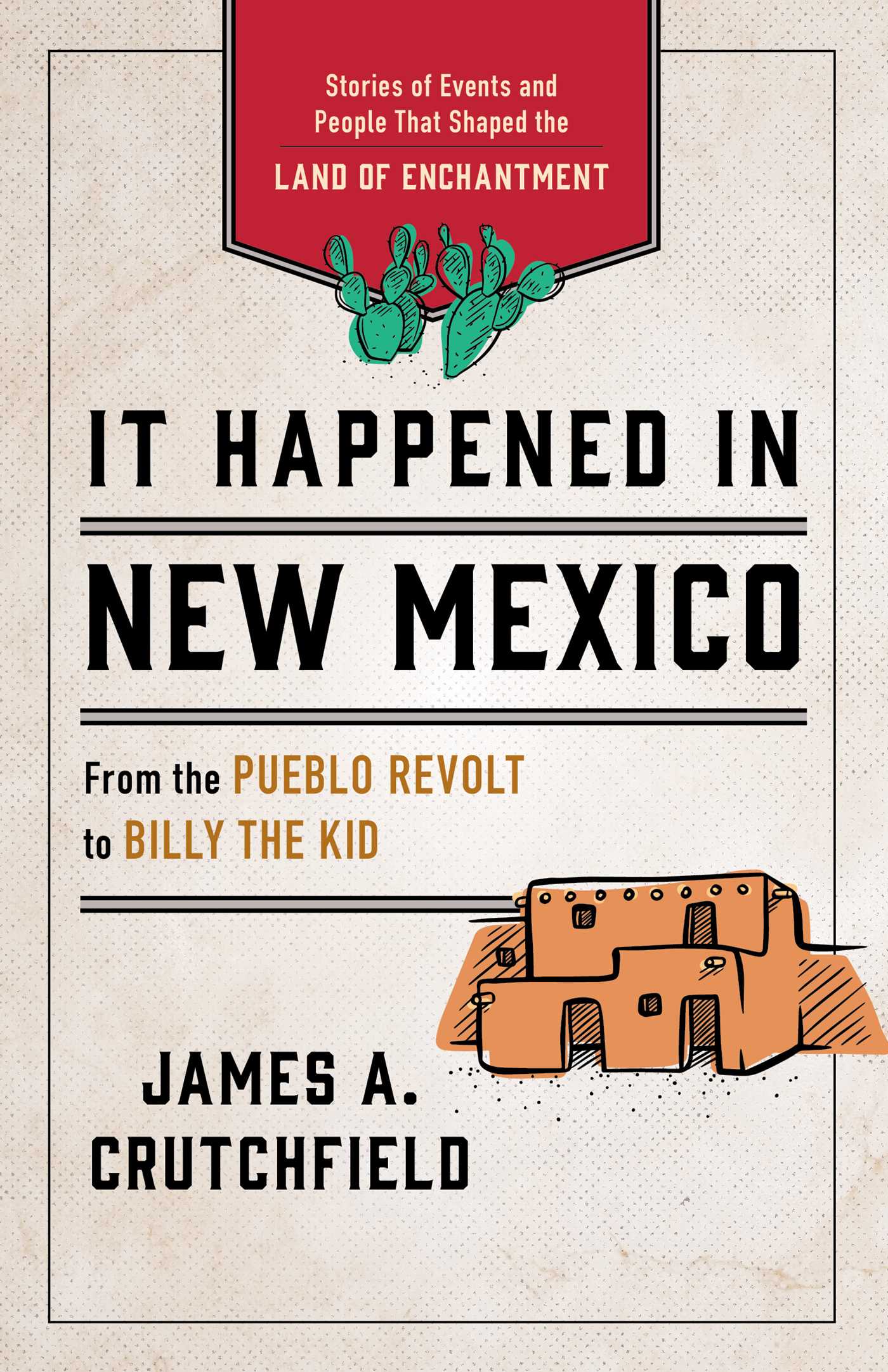
New Mexico, often celebrated for its stunning natural beauty and rich cultural heritage, has been quietly undergoing a significant economic transformation. Over the past few years, “what happened in New Mexico” from a financial perspective is a story of strategic diversification, robust investment, and a concerted effort to build a more resilient and dynamic economy. Historically, the state’s economic pillars included federal government spending (largely due to national laboratories like Los Alamos and Sandia), oil and gas extraction, and tourism. While these sectors remain vital, a pivot towards high-growth industries, fueled by both public and private investment, is reshaping the financial outlook for businesses and residents alike.
Beyond Traditional Pillars: Diversification Drives Growth
The inherent volatility of commodity markets and the cyclical nature of federal contracts have long spurred New Mexico to seek greater economic stability. Recent efforts have intensely focused on cultivating sectors that offer sustainable growth, higher-wage jobs, and a broader base for tax revenue. One of the most prominent success stories has been the film and television industry. Through aggressive tax incentives and the establishment of world-class production facilities, New Mexico has emerged as a major hub for Hollywood South. This boom translates into significant direct spending on local crews, catering, lodging, and construction, creating a ripple effect across numerous small businesses and stimulating job creation in related trades.
Beyond entertainment, the state is strategically nurturing its aerospace and spaceport industry. Anchored by Spaceport America and a growing ecosystem of aerospace companies, New Mexico is positioning itself at the forefront of commercial space travel, satellite development, and advanced aerospace manufacturing. This sector attracts highly skilled labor and substantial capital investment, fostering innovation and attracting ancillary businesses focused on engineering, logistics, and research and development. Furthermore, the state’s abundant sunshine and strong winds make it an ideal location for renewable energy development. Significant investments in solar farms, wind power projects, and energy storage solutions are not only contributing to national clean energy goals but also generating thousands of construction jobs and long-term operational roles, while attracting green technology firms.
Strategic Investments Fueling New Sectors
The impetus for New Mexico’s economic evolution isn’t purely organic; it’s heavily influenced by strategic public and private investments. The state government has implemented various incentive programs, grants, and infrastructure projects designed to lower barriers for new businesses and encourage expansion for existing ones. These range from tax credits for job creation to funding for workforce training programs tailored to the needs of emerging industries. Private equity and venture capital firms have also taken notice, with an increasing flow of funds directed towards promising startups and established companies within New Mexico’s burgeoning tech, bioscience, and manufacturing sectors. This influx of capital is critical for innovation, research commercialization, and scaling operations, directly impacting the state’s GDP and fostering a more competitive business environment.
Navigating New Mexico’s Investment Frontier
For investors, New Mexico presents a unique set of opportunities and considerations. The state’s economic transformation is creating new avenues for capital appreciation, particularly in real estate and the venture capital landscape. Understanding these dynamics is key to making informed financial decisions within the Land of Enchantment.
Real Estate Dynamics: A Tale of Two Markets
The real estate market in New Mexico reflects the broader economic shifts. Urban centers, particularly Albuquerque and Santa Fe, have experienced significant growth in property values, driven by increased demand from new residents and investors attracted by job growth and a lower cost of living relative to other booming Western states. Residential real estate in these areas has seen robust appreciation, making homeownership a substantial personal finance asset for many. However, the market isn’t uniform. Rural areas, while offering affordability and expansive landscapes, may experience more subdued growth, underscoring the importance of localized market analysis.
Commercial real estate is also witnessing a resurgence, fueled by the needs of expanding industries. The film industry requires sound stages and production offices; aerospace companies need manufacturing and research facilities; and renewable energy projects necessitate vast tracts of land for solar arrays and wind farms. This demand has spurred development in industrial parks, specialized facilities, and mixed-use commercial properties, attracting investors interested in long-term income generation and capital gains from appreciating assets. Developers are also keenly focused on sustainable building practices and energy-efficient designs, aligning with global trends and catering to environmentally conscious tenants.
Venture Capital and Startup Ecosystem Maturation
New Mexico’s startup ecosystem, historically modest, is rapidly maturing. The presence of world-class research institutions and national labs creates a fertile ground for innovation and technology transfer. Initiatives aimed at connecting these innovations with capital and entrepreneurial talent are bearing fruit. Early-stage companies in sectors like clean energy, advanced materials, cybersecurity, and health tech are increasingly attracting attention from both in-state and out-of-state venture capital funds. The state’s supportive regulatory environment and access to specialized talent from the national labs also make it an attractive location for tech entrepreneurs looking to commercialize cutting-edge research.
For angel investors and venture capitalists, New Mexico offers opportunities to invest in high-growth potential companies often at more competitive valuations than in traditional tech hubs. This emerging market segment contributes significantly to job creation and economic diversification, providing a pathway for local entrepreneurs to scale their businesses and for investors to realize substantial returns.

Personal Finance and Prosperity: Opportunities for Residents
The economic changes in New Mexico directly impact the personal finance prospects of its residents. As new industries take root and expand, the job market evolves, and with it, opportunities for income growth, career advancement, and wealth building.
Job Market Rebound and Wage Growth
The diversification efforts have led to a more dynamic job market. While traditional sectors like oil and gas continue to provide employment, the rapid expansion of film and media, aerospace, and renewable energy has created thousands of new jobs, many of which are high-skilled and high-wage. This shift is not only providing new opportunities for the existing workforce but also attracting talent from other states, further enriching the economic fabric. Data suggests a consistent trend of job growth exceeding national averages in several key sectors, leading to a tightening labor market and upward pressure on wages. For New Mexicans, this means better employment prospects, increased earning potential, and a stronger foundation for personal financial planning, including retirement savings and discretionary spending.
The demand for specialized skills in these new industries has also spurred significant investment in workforce development programs. Community colleges and universities are collaborating with industry leaders to design curricula that directly address the needs of employers, ensuring a pipeline of qualified talent. This focus on upskilling and reskilling benefits individuals by enhancing their employability and earning power, making education a powerful tool for financial advancement within the state.
Entrepreneurship and the Gig Economy in the Desert Southwest
New Mexico is also witnessing a surge in entrepreneurial activity. The supportive business environment, coupled with a vibrant cultural scene and a strong sense of community, encourages individuals to launch their own ventures. From artisan crafts and sustainable agriculture to tech startups and service-based businesses, the entrepreneurial spirit is thriving. State and local programs designed to assist small businesses with funding, mentorship, and market access are contributing to this growth, empowering individuals to create their own income streams and contribute to the local economy.
Furthermore, the rise of the gig economy has found fertile ground in New Mexico. Remote work opportunities have expanded access to national and international job markets, allowing residents to earn competitive wages while enjoying the state’s quality of life. For those seeking flexibility or supplementary income, the gig economy offers diverse avenues, from freelance creative work (often related to the film industry) to delivery services and online consulting. This blend of traditional employment growth, robust entrepreneurship, and flexible gig work provides a multifaceted approach to personal income generation and financial independence for New Mexico’s residents.
Policy, Incentives, and the Future of Business Finance
The strategic vision for New Mexico’s economic future is deeply rooted in policy decisions and a proactive approach to attracting and retaining businesses. For business owners and investors, understanding these foundational elements is crucial for navigating the financial landscape.
State-Level Support for Economic Development
The New Mexico Economic Development Department (NMEDD) plays a central role in shaping the state’s business finance environment. Through a suite of programs, NMEDD offers incentives such as the Local Economic Development Act (LEDA), which provides public funds for economic development projects creating new jobs, and various tax credits for new private-sector jobs, renewable energy projects, and film production. These incentives significantly reduce the cost of doing business in New Mexico, making it an attractive location for companies looking to expand or relocate.
Furthermore, the state has invested in developing critical infrastructure, including broadband expansion and transportation improvements, which are essential for modern businesses. These investments not only support existing industries but also lay the groundwork for future growth, ensuring that businesses have the necessary resources to operate efficiently and connect with markets.
Attracting and Retaining Key Industries
The long-term financial health of New Mexico hinges on its ability to continually attract new businesses and ensure existing ones thrive. This involves more than just financial incentives; it requires fostering a business-friendly regulatory environment, ensuring a skilled workforce, and cultivating a high quality of life that attracts top talent.
The state’s commitment to clean energy, for example, is not just an environmental initiative; it’s an economic development strategy designed to draw in companies aligned with the global shift towards sustainability. Similarly, the continued investment in the film industry, including dedicated studios and robust training programs, signals a long-term commitment to a sector that has proven highly successful. By focusing on these strategic industries, New Mexico aims to create clusters of expertise and interconnected businesses that can drive sustained economic growth and financial prosperity for years to come. “What happened in New Mexico” is, in essence, a dynamic story of strategic financial evolution, transforming the state into a burgeoning economic frontier.
aViewFromTheCave is a participant in the Amazon Services LLC Associates Program, an affiliate advertising program designed to provide a means for sites to earn advertising fees by advertising and linking to Amazon.com. Amazon, the Amazon logo, AmazonSupply, and the AmazonSupply logo are trademarks of Amazon.com, Inc. or its affiliates. As an Amazon Associate we earn affiliate commissions from qualifying purchases.