
The Flint Water Crisis stands as a stark and tragic testament to the failure of governmental oversight, infrastructure neglect, and the devastating human cost that can result from such systemic breakdowns. While the immediate story revolves around lead contamination in drinking water, a deeper examination reveals a complex interplay of decisions and circumstances that led to a public health emergency. This crisis wasn’t a sudden, inexplicable event; it was a gradual unfolding of policy choices, cost-cutting measures, and a disturbing disregard for the well-being of a vulnerable population. The ramifications continue to be felt years later, underscoring the profound importance of robust public infrastructure and transparent governance in safeguarding citizens.

The Decision to Switch Water Sources: A Cost-Cutting Measure with Catastrophic Consequences
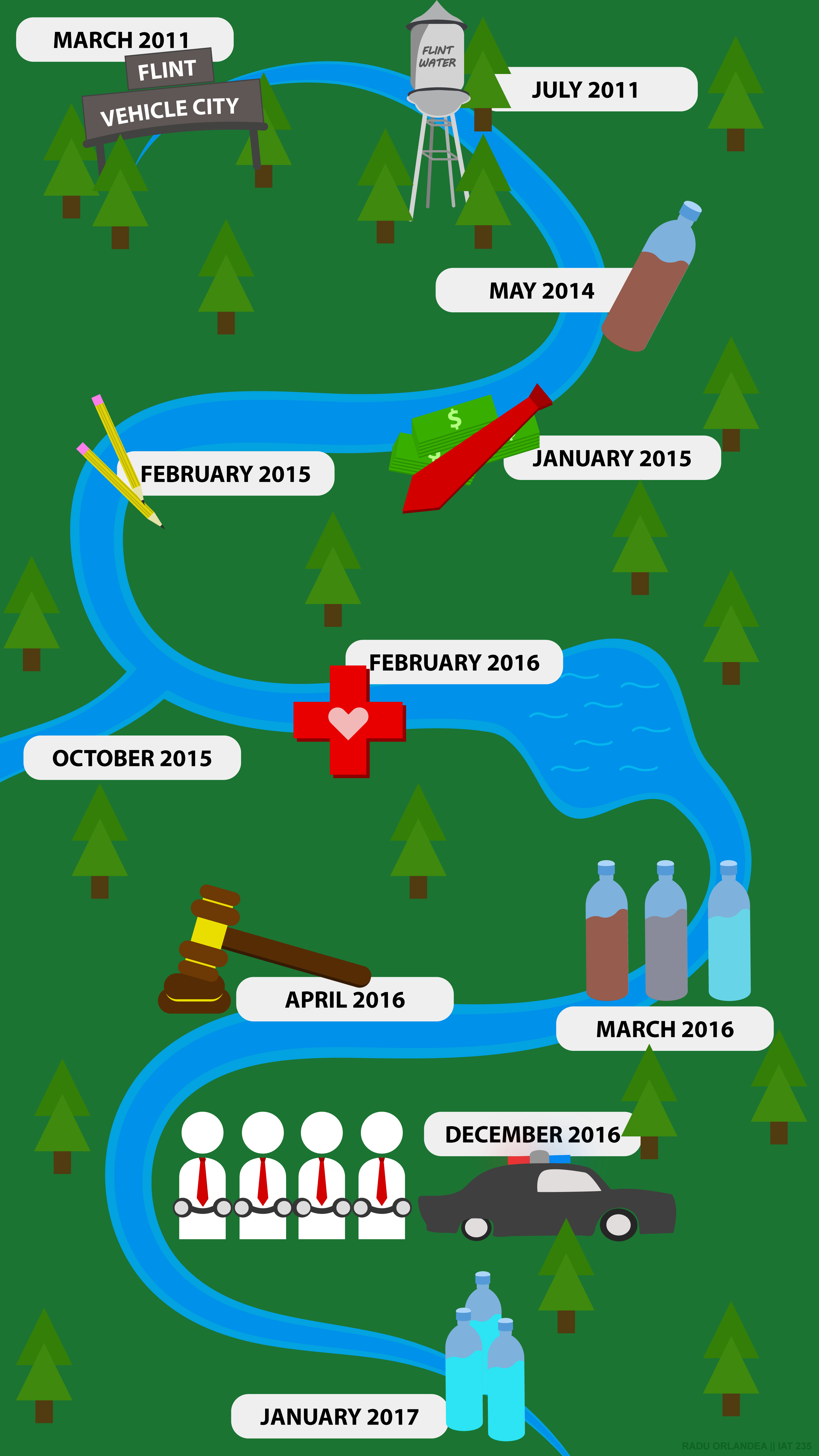
The genesis of the Flint Water Crisis can be traced back to a deliberate decision made by state-appointed emergency managers to change the city’s water source as a cost-saving measure. This decision, driven by fiscal pressures, ultimately bypassed established public health protocols and set the stage for a looming disaster.
The Financial Imperative and the Emergency Manager System
In 2011, Michigan enacted Public Act 436, which created a framework for emergency managers to take control of financially distressed municipalities. Flint, facing a significant budget deficit, was placed under emergency management. The primary objective of these managers was to stabilize the city’s finances, often through drastic measures. One of the most significant financial burdens for Flint was its reliance on purchasing treated water from Detroit. The city was in the process of planning for a new regional water pipeline, the Karegnondi Water Authority (KWA), which promised to be more cost-effective in the long run. However, this transition would take time, and in the interim, the city needed a temporary water source.
The Detour Through the Flint River
Faced with the immediate need for a water supply and the desire to avoid continued payments to Detroit, the emergency managers, with the approval of the state, made the fateful decision to switch Flint’s water source from the well-treated Detroit Water and Sewerage Department (DWSD) to the Flint River. This was not an unprecedented move; Flint had drawn water from the Flint River in the past, but that was before a significant industrial decline in the region and before the necessary upgrades to treat its water effectively. The Flint River was known to be a more corrosive source, requiring specific treatment processes to prevent it from leaching metals from aging pipes.
The Failure of Initial Water Treatment
The core of the problem lay in the inadequate treatment of the Flint River water at the city’s water treatment plant. Crucially, the water was not treated with corrosion inhibitors. In many older cities like Flint, the water distribution system consists of lead service lines, lead solder in plumbing, and other lead-containing materials. Without a protective coating inside the pipes, corrosive water can leach lead, copper, and other harmful substances directly into the drinking water supply. The Michigan Department of Environmental Quality (DEQ), which was responsible for overseeing water quality, failed to ensure that the Flint Water Treatment Plant implemented the necessary corrosion control treatment, a requirement mandated by the federal Lead and Copper Rule. This oversight was a critical lapse that directly contributed to the contamination.
The Unseen Contamination: Lead Leaching into Homes
The immediate consequence of the untreated Flint River water was the leaching of lead from aging water infrastructure into the tap water consumed by residents. This slow-moving crisis, initially unnoticed or downplayed by authorities, began to manifest in disturbing ways.
The Chemical Reaction: Corrosion and Lead Release
The Flint River water, being more corrosive than the treated water from DWSD, began to eat away at the lead pipes and solder throughout the city’s water distribution system. As the protective scales within the pipes were eroded, lead was released into the water. This process is known as lead leaching. The concentration of lead in the water spiked dramatically after the switch. Residents began to report unusual smells, colors, and tastes in their water. Children, whose developing bodies are particularly susceptible to the neurotoxic effects of lead, were disproportionately exposed.
The Invisible Threat: The Dangers of Lead Exposure
Lead is a potent neurotoxin that can cause irreversible damage, especially in children. Exposure to lead can lead to a range of severe health problems, including:
- Developmental Delays: Lead exposure can impair cognitive development, leading to lower IQ scores, learning disabilities, and behavioral problems.
- Neurological Damage: It can affect the central nervous system, causing issues with attention, impulse control, and academic achievement.
- Physical Health Problems: Lead can also contribute to anemia, hearing loss, kidney damage, and growth deficiencies.
For adults, lead exposure can result in high blood pressure, kidney problems, and reproductive issues. The insidious nature of lead contamination is that it is invisible, odorless, and tasteless at many dangerous levels, making it difficult for residents to detect the threat on their own.

Early Warnings and Dismissed Concerns
Despite the growing number of anecdotal reports from residents about the deteriorating water quality, their concerns were often dismissed or inadequately addressed by city and state officials. Residents complained about rashes, hair loss, and a metallic taste in the water. Independent researchers and community activists, however, began to conduct their own water testing, which revealed alarmingly high levels of lead. These findings were initially met with skepticism and even hostility from some government officials, who insisted the water was safe.
The Unfolding of the Crisis: Investigations, Legal Battles, and Accountability
As the evidence mounted, the Flint Water Crisis could no longer be ignored. A confluence of factors – dedicated journalists, persistent activists, independent scientists, and legal challenges – brought the scope of the disaster to light, leading to a long and arduous process of investigation, litigation, and attempts at accountability.
The Role of Independent Research and Citizen Activism
A pivotal moment in uncovering the truth came from the work of Dr. Marc Edwards, a professor of civil engineering at Virginia Tech, and his students. They conducted extensive, independent testing of Flint’s water, finding lead levels that were far higher than reported by official sources. Their findings, coupled with the tireless advocacy of local residents, particularly groups like the Flint Democracy Defense League and Hurley Medical Center pediatrician Dr. Mona Hanna-Attisha, created irrefutable evidence of the crisis. Dr. Hanna-Attisha’s independent study confirmed elevated blood lead levels in Flint children, directly linking the water switch to the public health emergency.
Official Investigations and Government Failures
The growing scientific and public outcry forced state and federal authorities to launch investigations. These investigations, including those by the Environmental Protection Agency (EPA) and the U.S. Department of Justice, gradually revealed a pattern of negligence and miscommunication across multiple government agencies, including the Michigan DEQ and the county health department. Reports highlighted a culture of denial, a failure to follow established protocols, and a prioritization of cost-saving over public health. The EPA, in particular, was criticized for its delayed response and for not intervening sooner to force the state to address the contamination.
Legal Repercussions and Settlements
The Flint Water Crisis has resulted in numerous lawsuits, both criminal and civil. Many former city and state officials, as well as DEQ employees, faced criminal charges related to their roles in the crisis. While the legal processes have been complex and have faced setbacks, a significant settlement was reached in 2021. The $626 million settlement, approved by a federal judge, was designed to compensate Flint residents who were exposed to lead-contaminated water. This settlement is one of the largest in a case involving government failure to protect its citizens. However, it’s important to note that this compensation aims to address some of the damages but cannot undo the harm caused by lead exposure.
The Lasting Legacy: Rebuilding Trust and Preventing Future Disasters
The Flint Water Crisis has left an indelible mark on the city and serves as a powerful cautionary tale for communities nationwide. The long-term consequences extend beyond the immediate health impacts, encompassing profound damage to public trust and a stark realization of the vulnerabilities within aging infrastructure.
Infrastructure Investment and Public Health
The crisis highlighted the critical importance of investing in and maintaining public water infrastructure. Aging lead pipes, a common problem in many older American cities, pose a significant health risk when not properly managed. The Flint experience spurred increased federal and state funding for lead pipe replacement projects across the country. However, the scale of this problem is immense, and the process of replacing all lead service lines will take years and substantial financial commitment. Ensuring safe drinking water requires continuous vigilance, robust monitoring systems, and proactive maintenance.
Restoring Trust and Community Resilience
One of the most challenging aspects of the Flint Water Crisis has been the erosion of trust between the residents and their government. Years of perceived neglect and dishonesty have created a deep chasm. Rebuilding this trust is a slow and ongoing process. Community-led initiatives, transparent communication, and genuine efforts to involve residents in decision-making are crucial steps. The resilience of the Flint community, however, has been remarkable. Residents have organized, advocated for their rights, and supported one another through this ordeal, demonstrating the strength of collective action in the face of adversity.
Broader Implications for Environmental Justice
The Flint Water Crisis is often cited as a prime example of environmental injustice. The predominantly Black and low-income population of Flint bore the brunt of the crisis, raising questions about systemic racism and how disadvantaged communities are disproportionately affected by environmental hazards. This aspect of the crisis has fueled a broader conversation about environmental justice, advocating for equitable environmental protection and equal access to safe resources for all communities, regardless of their socioeconomic status or racial composition. The lessons learned from Flint continue to inform policy discussions and activism aimed at preventing similar tragedies and ensuring that all citizens have the right to clean, safe drinking water.
aViewFromTheCave is a participant in the Amazon Services LLC Associates Program, an affiliate advertising program designed to provide a means for sites to earn advertising fees by advertising and linking to Amazon.com. Amazon, the Amazon logo, AmazonSupply, and the AmazonSupply logo are trademarks of Amazon.com, Inc. or its affiliates. As an Amazon Associate we earn affiliate commissions from qualifying purchases.