
The date December 21, 2012, is etched into the collective consciousness of the digital age, not for the cataclysmic “end of the world” prophesied by misinterpretations of the Mayan Long Count calendar, but for what it represented in the evolution of technology. While the world did not end, the way humanity consumed information, engaged with social platforms, and navigated the burgeoning “Big Data” landscape changed forever. Looking back, 2012 was a pivotal year for the tech industry—a year where the infrastructure of the modern internet was being stress-tested by global hysteria and rapid innovation.

In this deep dive, we explore the technological underpinnings of the 2012 phenomenon, examining how the digital landscape handled the first truly global viral event, the shift in mobile computing, and the lessons learned for today’s AI-driven information security.
The First Global Viral Event: Social Media’s Role in Mass Propagation
December 21, 2012, served as a case study for the power—and the danger—of decentralized information. By 2012, the “Web 2.0” era was in full bloom. Facebook had recently surpassed one billion active users, and Twitter had established itself as the world’s real-time news ticker. Unlike previous historical panics, the “Mayan Apocalypse” was the first global event to be curated, debated, and debunked entirely in the digital sphere.
The Rise of the Real-Time Feed
Before 2012, news moved at the speed of the editorial cycle. However, as the “end of the world” approached, the velocity of information reached a breaking point. Twitter’s infrastructure was forced to scale rapidly to accommodate the surge in hashtags like #Doomsday and #MayanCalendar. This period marked a transition where the “feed” became the primary source of truth for millions, bypassing traditional journalistic gatekeepers. For tech developers, this was a wake-up call regarding the scalability of real-time data streaming and the necessity of robust API management.
The Gamification of Misinformation
In 2012, we witnessed the early stages of what we now call “engagement algorithms.” YouTube, which was still refining its recommendation engine, found that doomsday content generated massive watch times. This created a feedback loop: the more users searched for “December 21,” the more the platform served up sensationalist content. This was a precursor to the modern challenges of AI-driven radicalization and echo chambers. Tech companies began to realize that their algorithms weren’t just neutral tools; they were active participants in shaping global sentiment.
The Infrastructure of 2012: Data Centers and the Mobile Pivot
While the public was focused on ancient prophecies, the tech industry was undergoing a massive physical transformation. 2012 was the year the world moved decisively toward the “Mobile First” philosophy. This shift required a total overhaul of digital infrastructure, from server capacity to software architecture.
The Year of the Mobile Breakthrough
In late 2012, Apple released the iPhone 5, and Samsung was gaining ground with the Galaxy S3. These gadgets were more than just phones; they were the primary lenses through which the “apocalypse” was viewed. For software developers, December 21, 2012, was a deadline of a different sort: the need to optimize websites for mobile responsiveness. The 2012 phenomenon proved that if a digital service couldn’t handle a sudden, massive influx of mobile traffic, it would become irrelevant. This led to the widespread adoption of “Responsive Web Design” as an industry standard.
Big Data and Cloud Computing Maturity
To handle the petabytes of data generated by global conversations in December 2012, the concept of “The Cloud” had to graduate from a buzzword to a necessity. Amazon Web Services (AWS) and Google Cloud were expanding their footprint. The “Doomsday” traffic spike served as a practical stress test for cloud elasticity. Tech giants learned how to distribute server loads across the globe to prevent localized crashes—a blueprint that remains essential for modern digital security and site reliability engineering (SRE).

Legacy Systems and “Y2K Lite”
Technologists also faced a minor technical hurdle reminiscent of the Y2K bug. Some legacy software systems, which used specific date-handling formats, had to be checked for potential glitches related to the 13.0.0.0.0 b’ak’tun transition in the Mayan calendar. While it didn’t cause a global blackout, it prompted a renewed focus on “temporal programming” and the importance of standardizing Unix timestamps to ensure long-term software stability.
Digital Security and the Evolution of Fact-Checking Tools
Perhaps the most lasting legacy of December 21, 2012, is the impact it had on digital security and the fight against “fake news.” In the lead-up to the date, NASA and other scientific organizations were forced to launch massive digital campaigns to debunk rumors. This was a turning point for how tech platforms manage “verified” information.
From Manual Debunking to Algorithmic Verification
In 2012, debunking a viral hoax required manual intervention by experts. Following the 2012 phenomenon, there was a surge in the development of automated fact-checking software and AI tools designed to identify patterns of misinformation. Developers began building “trust layers” into search engines. Today’s Google Knowledge Graph, which provides verified snippets of information at the top of search results, traces its lineage back to the need to combat the rampant misinformation of the 2012 era.
The Birth of Digital Literacy as a Security Protocol
Digital security shifted its focus from merely protecting against malware to protecting against “social engineering” on a mass scale. The 2012 hoax showed that an entire population could be manipulated by digital narratives. Tech education began to emphasize digital literacy—teaching users how to scrutinize sources, check metadata, and understand the provenance of a digital claim. This era saw the rise of browser extensions and security apps aimed at identifying “spam” or “hoax” sites, a technology that has since evolved into sophisticated AI-based phishing protection.
Lessons for the AI Era: Beyond the Apocalypse
As we look back at what happened on December 21, 2012, through the lens of technology, we see the foundation of our current AI-driven world. The “end of the world” was a catalyst for technological maturation, forcing the industry to address issues of scale, veracity, and user behavior.
The Shift Toward Predictive Analytics
The massive amount of data harvested during the 2012 phenomenon fueled the rise of predictive analytics. Companies realized they could monitor global sentiment in real-time to predict everything from market crashes to public health crises. The tools developed to track the “Doomsday” trend are the ancestors of the sophisticated AI models used today for trend forecasting and consumer behavior analysis.
The Resilience of Modern Software
Ultimately, December 21, 2012, proved that the global digital infrastructure was more resilient than many feared. Despite the unprecedented traffic, the internet did not “break.” This gave tech leaders the confidence to push the boundaries of interconnectedness, leading to the Internet of Things (IoT) and the seamless synchronization we enjoy today. The focus shifted from “will the system hold?” to “how can we make the system smarter?”
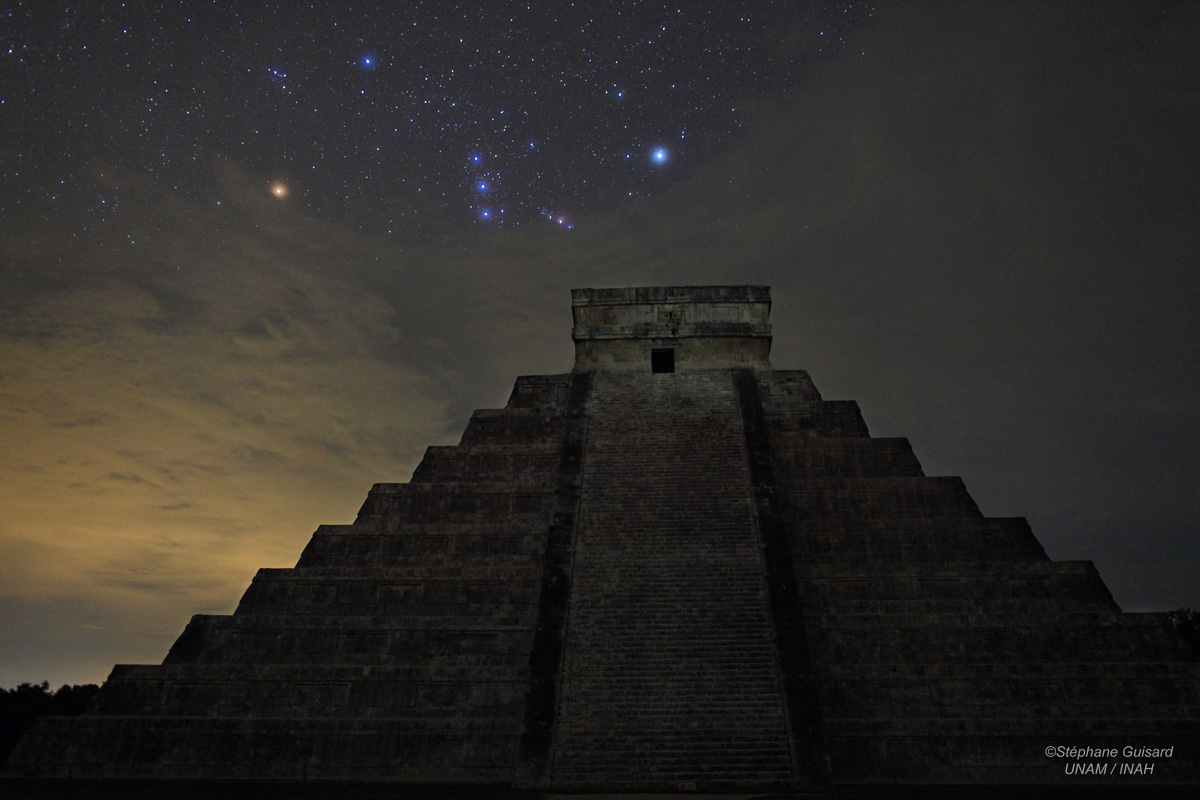
The Legacy of the 2012 Tech Pulse
In conclusion, December 21, 2012, was a landmark moment in tech history. It was the year we learned how a global digital community reacts to a shared narrative. It forced software engineers to build for unprecedented scale, compelled social media platforms to reckon with their influence, and pushed security experts to treat misinformation as a systemic threat.
While the ancient Mayans might not have predicted the end of the physical world, the date certainly marked the end of the “early” internet. We emerged into a more robust, mobile-centric, and data-aware era. The lessons learned during those frantic days in December 2012 continue to inform how we build apps, secure our data, and develop the next generation of artificial intelligence. In the tech niche, 2012 wasn’t an ending; it was a high-speed reboot that set the stage for the digital decade that followed.
aViewFromTheCave is a participant in the Amazon Services LLC Associates Program, an affiliate advertising program designed to provide a means for sites to earn advertising fees by advertising and linking to Amazon.com. Amazon, the Amazon logo, AmazonSupply, and the AmazonSupply logo are trademarks of Amazon.com, Inc. or its affiliates. As an Amazon Associate we earn affiliate commissions from qualifying purchases.