
The public separation of Kyle Richards and Mauricio Umansky has dominated entertainment headlines for months, but beneath the tabloid speculation lies a complex financial narrative. For over two decades, the couple wasn’t just a mainstay of reality television; they were a burgeoning financial powerhouse. With a combined net worth estimated to be north of $100 million, the dissolution of their partnership represents more than a personal shift—it is a massive deconstruction of a real estate and media empire.
Understanding what happened between Kyle and Mauricio requires a deep dive into the mechanics of high-net-worth asset division, the valuation of a global real estate brokerage, and the fiscal implications of “brand” as a tangible asset. This is not merely a story of a marriage ending; it is a case study in the financial restructuring of a multi-hyphenate business portfolio.
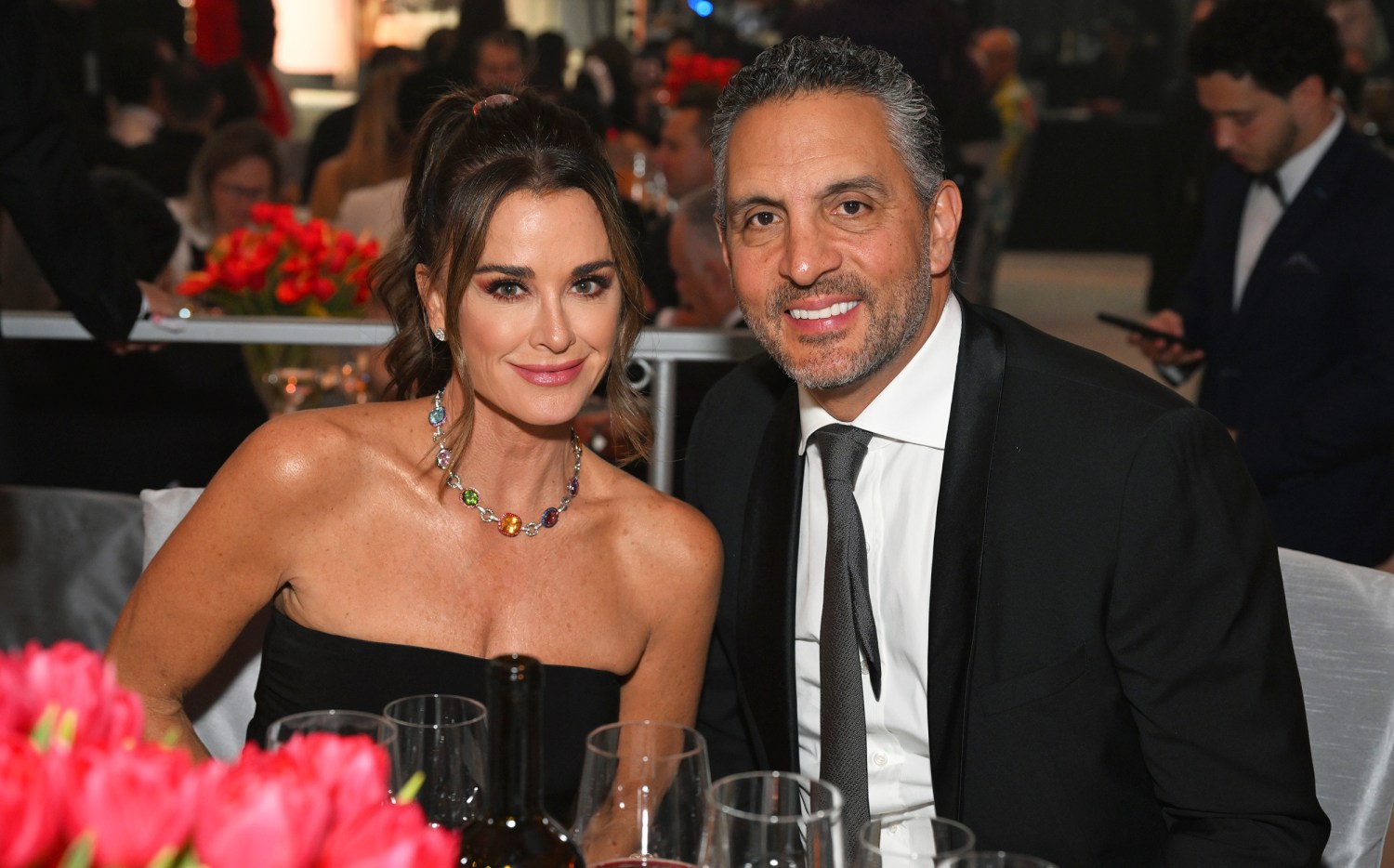
The Architecture of an Empire: Mapping the Richards-Umansky Portfolio
To understand the financial stakes of their separation, one must first audit the scale of the wealth they built together. When they married in 1996, Mauricio was working in the garment industry before transitioning into real estate under the tutelage of Kyle’s brother-in-law, Rick Hilton. Since then, the couple has leveraged their visibility to create a diversified portfolio of liquid and non-liquid assets.
The Agency: A Disruptor in Luxury Real Estate
The crown jewel of the Umansky-Richards portfolio is undoubtedly The Agency. Founded by Mauricio in 2011, the firm was designed to disrupt the traditional, staid world of luxury brokerage. Unlike legacy firms, The Agency utilized a “culture-first” approach, emphasizing collaboration and high-octane marketing. Today, the firm has expanded to over 100 offices globally, with billions of dollars in annual sales volume.
From a financial perspective, The Agency is a complex entity. It isn’t just a local office; it is a global brand with franchise models, internal tech platforms, and a massive headcount of independent contractors. Valuing such a firm during a separation involves calculating future earnings, brand equity, and the proprietary technology the firm uses to manage its listings.
Real Estate Holdings and Residential Assets
Beyond their business interests, the couple’s personal real estate holdings are significant. Their primary residence in Encino, California—the historic Smokey Robinson estate—was purchased for upwards of $8 million and has seen substantial appreciation. Additionally, their vacation property in La Quinta and various high-end flips over the years have served as a way to “park” capital in appreciating physical assets. In the world of high finance, these are not just homes; they are collateral and tax-advantaged vehicles that require careful liquidation or buyout strategies during a split.
Navigating the Financial Complexity of a High-Net-Worth Separation
When a couple of this financial caliber separates, the legal process is less about “who gets what” and more about the technical valuation of “what exists.” In California, which is a community property state, the lack of a prenuptial agreement—as has been widely reported in this case—creates a unique set of challenges for asset division.
Equitable Distribution vs. Community Property
In a community property jurisdiction, assets acquired during the marriage are generally split 50/50. Given that the vast majority of Mauricio’s success with The Agency and Kyle’s peak earnings from The Real Housewives of Beverly Hills occurred during their 27-year marriage, almost the entirety of their wealth is subject to equal division.
However, “equal” does not always mean “half of every house.” It often involves a sophisticated “offsetting” strategy. One party may retain full ownership of the business (The Agency) while the other receives an equivalent value in liquid cash, stocks, or real estate holdings. This prevents the forced sale of a functioning company, which could damage its market value.
The Valuation of Non-Liquid Assets and Intellectual Property
A significant portion of Kyle and Mauricio’s wealth is tied up in intellectual property and “goodwill.” For Kyle, this includes her production deals, residual income from acting, and her various clothing lines. For Mauricio, it is the trademark and reputation of The Agency.
Valuing these assets requires forensic accountants to project future income based on current fame and market trends. The “Richards-Umansky” name itself has a monetary value; it has secured television contracts (like Netflix’s Buying Beverly Hills) and brand partnerships. Decoupling these names can lead to a “brand dilution” cost, which must be factored into the final financial settlement.

The Impact on The Agency: Corporate Stability and Brand Equity
The separation of a founder and his high-profile spouse often sends ripples through the corporate structure of their primary business. The Agency has long marketed itself as a “family-run” business, often featuring the couple’s daughters—Alexia, Sophia, and Farrah—as key players.
Executive Leadership and Public Perception
In the luxury sector, perception is reality. High-net-worth clients often choose a brokerage based on the lifestyle and stability the brand projects. The Richards-Umansky “power couple” image was a central pillar of The Agency’s marketing strategy. With that image shifting, the firm must pivot its messaging to ensure that the personal lives of its leadership do not suggest institutional instability.
Fortunately for the firm, Mauricio remains the driving force behind its operations. However, the financial decoupling could necessitate a restructuring of the board or a search for new private equity investment if a large settlement requires a liquidity event (such as selling a portion of the company to pay out a spouse).
Investor Confidence and the “Family Business” Narrative
The Agency has been the subject of rumors regarding an Initial Public Offering (IPO) or further institutional funding. Investors looking at the firm will scrutinize the “key person risk” associated with Mauricio. If a divorce settlement results in a significant shift in ownership or a massive cash drain on the founder’s personal finances, it can occasionally affect the firm’s credit rating or the terms of its debt. The challenge for The Agency is to prove that its growth trajectory is independent of the “Kyle and Mauricio” celebrity narrative.
Wealth Management Strategies for Celebrity Moguls
What happened between Kyle and Mauricio serves as a masterclass in the necessity of ongoing wealth management. As their assets grew from a single-family income to a global empire, the strategies required to protect that wealth became increasingly sophisticated.
Post-Separation Financial Restructuring
In the wake of a split, both parties must undergo a radical financial restructuring. This often involves moving from joint tax filings to individual filings, which can significantly alter their tax bracket and deduction capabilities. For Kyle and Mauricio, this might also involve the creation of new trusts to ensure that their four daughters remain the primary beneficiaries of the family’s legacy, regardless of how the parents’ individual portfolios are divided.
Diversification and Long-term Income Protection
One of the smartest moves the couple made during their marriage was diversification. They didn’t just rely on television salaries; they invested in tech, fashion, and international real estate franchises. This diversification provides a safety net during a separation. Even if the real estate market takes a downturn or a television show is canceled, the breadth of their investments ensures that neither party will face a “financial cliff.”
As they move forward separately, the focus will likely shift to “passive income” vehicles. For Mauricio, this means growing the franchise side of The Agency, which generates royalty-style income with lower overhead. For Kyle, it likely involves expanding her role as a producer, where she can earn a percentage of a show’s backend revenue without needing to be on-screen indefinitely.

The Financial Legacy of a 27-Year Partnership
Ultimately, the story of Kyle and Mauricio is a reminder that in the upper echelons of wealth, a marriage is both a romantic union and a massive commercial merger. The “breakup” is, in financial terms, a corporate spin-off.
While the emotional aspects are for the tabloids to dissect, the financial reality is a testament to the empire-building capabilities of the modern celebrity-entrepreneur. By leveraging reality TV as a 60-minute weekly commercial for their real estate business, they created a feedback loop of wealth that will likely survive their separation.
The Agency remains a powerhouse, Kyle Richards remains a television icon with significant production leverage, and their combined assets provide a fortress of financial security. What happened between them may be the end of a domestic chapter, but it marks the beginning of two distinct, equally formidable financial legacies. As the dust settles on their legal filings, the Richards-Umansky empire will likely be remembered as one of the most successful examples of wealth creation in the era of “personality-driven” business models.
aViewFromTheCave is a participant in the Amazon Services LLC Associates Program, an affiliate advertising program designed to provide a means for sites to earn advertising fees by advertising and linking to Amazon.com. Amazon, the Amazon logo, AmazonSupply, and the AmazonSupply logo are trademarks of Amazon.com, Inc. or its affiliates. As an Amazon Associate we earn affiliate commissions from qualifying purchases.