
In the world of brand strategy, few symbols have undergone a more radical or high-stakes transformation than the Louisiana Superdome. In August 2005, as Hurricane Katrina ravaged the Gulf Coast, this iconic architectural marvel—once a symbol of New Orleans’ modernity and ambition—became a global visual shorthand for systemic failure, human suffering, and institutional collapse. For any corporate entity or municipal brand, such a catastrophic association would typically signal a terminal decline. However, the story of what happened at the Superdome is not just a tale of a natural disaster; it is one of the most significant case studies in brand resilience and strategic identity recovery in modern history.
The Branding of a Crisis: How the Superdome Became a Global Symbol of Failure
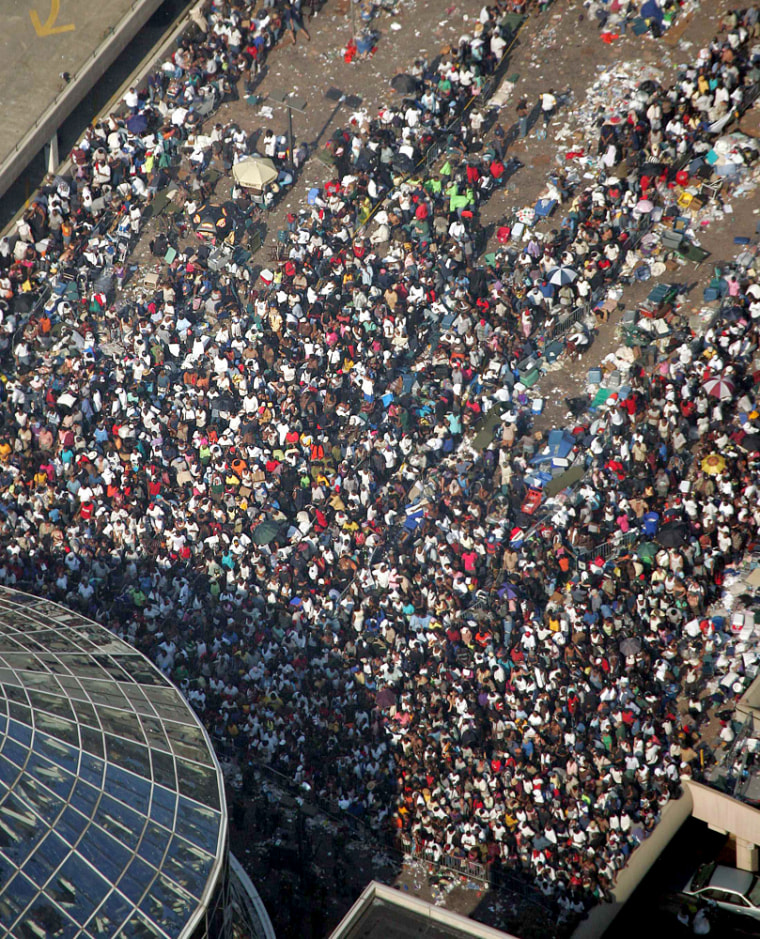
To understand the magnitude of the Superdome’s brand recovery, one must first analyze the depth of its brand erosion during Hurricane Katrina. Before the storm, the Superdome was a premier venue, a “category killer” in the sports and entertainment world. After the levees broke, it became a “shelter of last resort,” and subsequently, a site of international scrutiny.
The Visual Identity of a Disaster
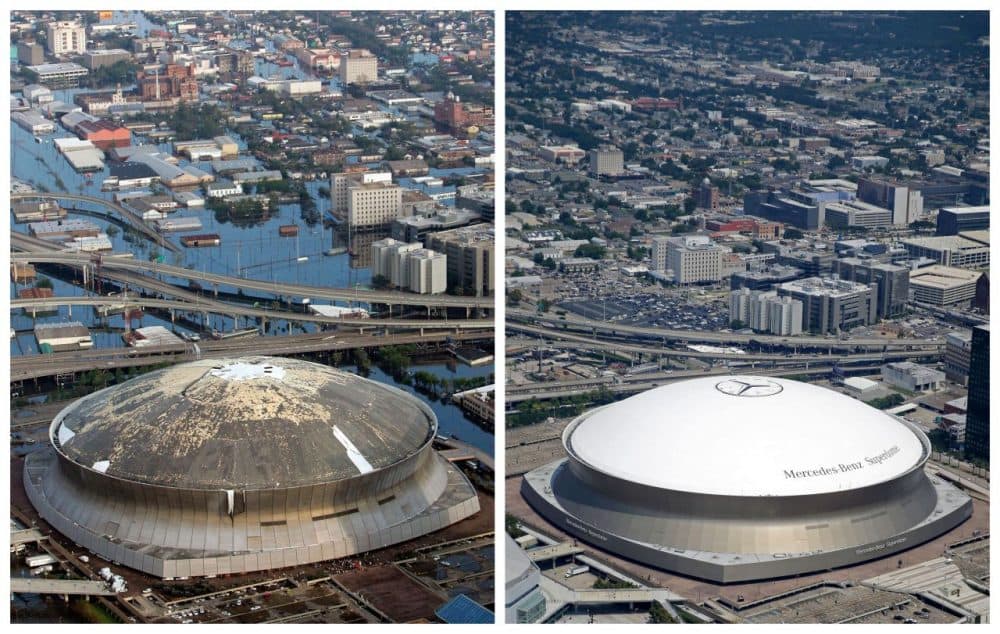
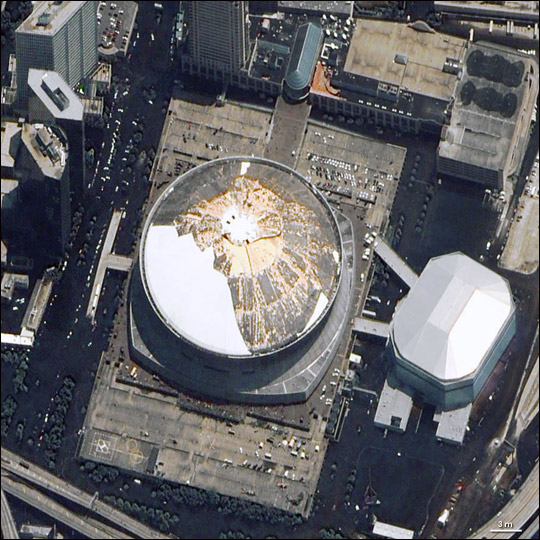
From a brand perspective, the Superdome suffered a total loss of control over its visual narrative. The image of the stadium’s white roof being shredded by wind, exposing the dark interior, became a metaphor for the vulnerability of the city itself. In branding, consistency and safety are paramount; the Superdome, overnight, became associated with the exact opposite: chaos, lack of resources, and a breakdown of the social contract. News cycles featured the “Superdome” brand alongside headlines of despair, effectively rebranding the structure from a place of joy to a place of trauma.
Stakeholder Perception and the Erosion of Trust
Brand equity is built on trust between the institution and its stakeholders. In the case of the Superdome, those stakeholders included the citizens of New Orleans, the NFL, and the global tourism industry. When the facility’s infrastructure failed—clogged plumbing, lack of electricity, and insufficient supplies—the “Superdome” brand was viewed as a failed promise. The challenge for brand managers post-Katrina was not just to fix the roof, but to restore the belief that the venue could ever again be a place of prestige and celebration.
Crisis Communications and Strategic Pivot: The Immediate Response
The immediate aftermath of Katrina required a delicate balance of crisis communication. The brand could not simply ignore the tragedy; it had to acknowledge the past while aggressively charting a path toward a new identity. This phase was critical for preventing the “permanent staining” of the corporate and municipal identity.
Managing the Narrative in Real-Time
The leaders of the Louisiana Stadium and Exposition District (LSED) and the management firm SMG had to move from disaster response to reputation management. The decision to prioritize the Superdome’s reconstruction was a strategic brand pivot. By framing the renovation as the “heartbeat” of New Orleans’ recovery, the brand managers shifted the conversation from “what went wrong” to “what we are building for the future.” This is a classic move in brand strategy: repositioning a liability as a beacon of hope.
The Role of Public Relations in Structural Assessment
During the reconstruction, every milestone was treated as a major PR event. The goal was to replace the images of the 2005 “refugees” with images of engineers, architects, and workers. By focusing on the technical excellence and the “unbreakable” nature of the new roof, the management sought to reassure stakeholders that the Superdome brand was synonymous with strength. They utilized transparent communication regarding the $336 million renovation, ensuring that every dollar spent was marketed as an investment in the city’s brand value.
Rebuilding the Brand: From “Shelter of Last Resort” to World-Class Venue
The physical reconstruction of the Superdome served as a tangible manifestation of a brand relaunch. To move past the Katrina era, the venue needed more than just a fresh coat of paint; it needed a fundamental upgrade that signaled a “Premium” status.
The $336 Million Reinvestment as a Brand Statement
The scale of the investment was a clear signal to the market. In brand strategy, a massive capital injection is often used to signal a “New Era.” The renovations included expanded concourses, luxury suites, and modernized lighting—features that moved the brand away from its “shelter” association and back toward its “luxury entertainment” roots. The objective was to create a sensory experience so superior that it would overwrite the negative memories of the past.
Naming Rights and the Validation of Corporate Partners
Perhaps the most significant milestone in the Superdome’s brand recovery was the acquisition of naming rights by Mercedes-Benz in 2011. For a global luxury brand like Mercedes-Benz to put its name on the building was the ultimate corporate validation. It signaled to the world that the “Superdome” was once again a safe, prestigious, and high-value asset. This partnership was a masterstroke in brand association, effectively “washing” the remaining negative connotations by aligning the venue with a brand synonymous with German engineering and excellence.
The Cultural Connection: Leveraging Local Identity to Restore the Brand
A brand is only as strong as its emotional connection to its audience. The Superdome’s recovery was inextricably linked to the New Orleans Saints, transforming the building from a mere structure into a symbol of cultural defiance.
The New Orleans Saints and the Emotional Rebrand
The “Rebirth” game on September 25, 2006, is often cited as the turning point for the city and the Superdome brand. When the Saints returned to the Dome to play the Atlanta Falcons, the event was marketed not just as a football game, but as a cultural resurrection. Steve Gleason’s blocked punt became the iconic image of the “New Superdome.” This moment successfully hijacked the brand narrative; the Superdome was no longer the place where the storm happened—it was the place where the city fought back.
Symbolism of the “Gleaming Shield”
Post-renovation, the Superdome’s aesthetic was polished to emphasize its resilience. The bronze-colored exterior and the gleaming white roof were marketed as a “shield” for the city. In branding, symbols matter. By leaning into the iconography of the dome as a protective and dominant presence in the skyline, the brand managers turned a former vulnerability into a core strength. The Superdome became an “anchor brand” for the entire New Orleans tourism industry, proving that the city was “open for business.”
Lessons in Brand Resilience: What Corporations Can Learn from the Superdome
The journey of the Superdome from the depths of Katrina to its current status as a premier global venue offers invaluable lessons for brand strategists and corporate leaders facing their own crises.
Transparency and Long-Term Vision
One of the key takeaways is the importance of a long-term vision. The managers of the Superdome did not look for a “quick fix.” They understood that the brand damage was deep and required a multi-year, multi-phase strategy. They were transparent about the challenges, which helped in regaining public trust. For any brand in crisis, the lesson is clear: honesty about the damage, combined with a clear roadmap for excellence, is the only way to rebuild equity.
The Importance of a “Resurrection” Narrative
Humans are hardwired for stories of redemption. The Superdome’s brand managers tapped into this by creating a narrative arc that included a “dark night of the soul” followed by a triumphant return. By aligning the brand with the spirit of the people of New Orleans, they made the Superdome’s success a matter of civic pride. Brands that can successfully tie their recovery to the values and identity of their community are often the most resilient.
Today, the Superdome stands not as a monument to a disaster, but as a testament to the power of strategic rebranding and institutional perseverance. It remains a cornerstone of the New Orleans economy, hosting Super Bowls, Final Fours, and international concerts. The “what happened at the Superdome” story has evolved: it is no longer just a story of what went wrong in 2005, but a story of what went right in the decade that followed. It is a reminder that even when a brand is at its absolute nadir, a combination of capital investment, strategic partnerships, and emotional storytelling can lead to a spectacular second act.
aViewFromTheCave is a participant in the Amazon Services LLC Associates Program, an affiliate advertising program designed to provide a means for sites to earn advertising fees by advertising and linking to Amazon.com. Amazon, the Amazon logo, AmazonSupply, and the AmazonSupply logo are trademarks of Amazon.com, Inc. or its affiliates. As an Amazon Associate we earn affiliate commissions from qualifying purchases.