
In the world of brand strategy and corporate identity, a physical asset often serves as the most potent symbol of a brand’s promise. For New Orleans, the Louisiana Superdome—now the Caesars Superdome—was more than just a stadium; it was a cornerstone of the city’s identity, a marvel of 1970s engineering, and a brand synonymous with American spectacle. However, when Hurricane Katrina made landfall in August 2005, the Superdome became the center of a different kind of narrative. It transformed from a symbol of sporting excellence into a global case study for brand crisis, logistical failure, and, eventually, an unprecedented story of brand resilience.
Understanding what happened at the Superdome during Hurricane Katrina requires looking beyond the meteorological event and analyzing it through the lens of brand management and institutional accountability. For any organization, the Superdome serves as a stark reminder of how quickly a brand promise can be eroded when infrastructure fails to meet the needs of its stakeholders during a time of extreme crisis.
The Broken Brand Promise: When “Safe Haven” Becomes a Crisis
Every brand is built on a promise. In the days leading up to Hurricane Katrina, the Superdome’s brand promise was “safety.” It was designated as a “shelter of last resort,” an identity that suggested a fortress capable of protecting the city’s most vulnerable citizens from the elements. However, the events that unfolded between August 28 and September 4, 2005, showcased a catastrophic disconnect between a brand’s intended identity and its operational reality.
The Logistics of a Reputation in Peril
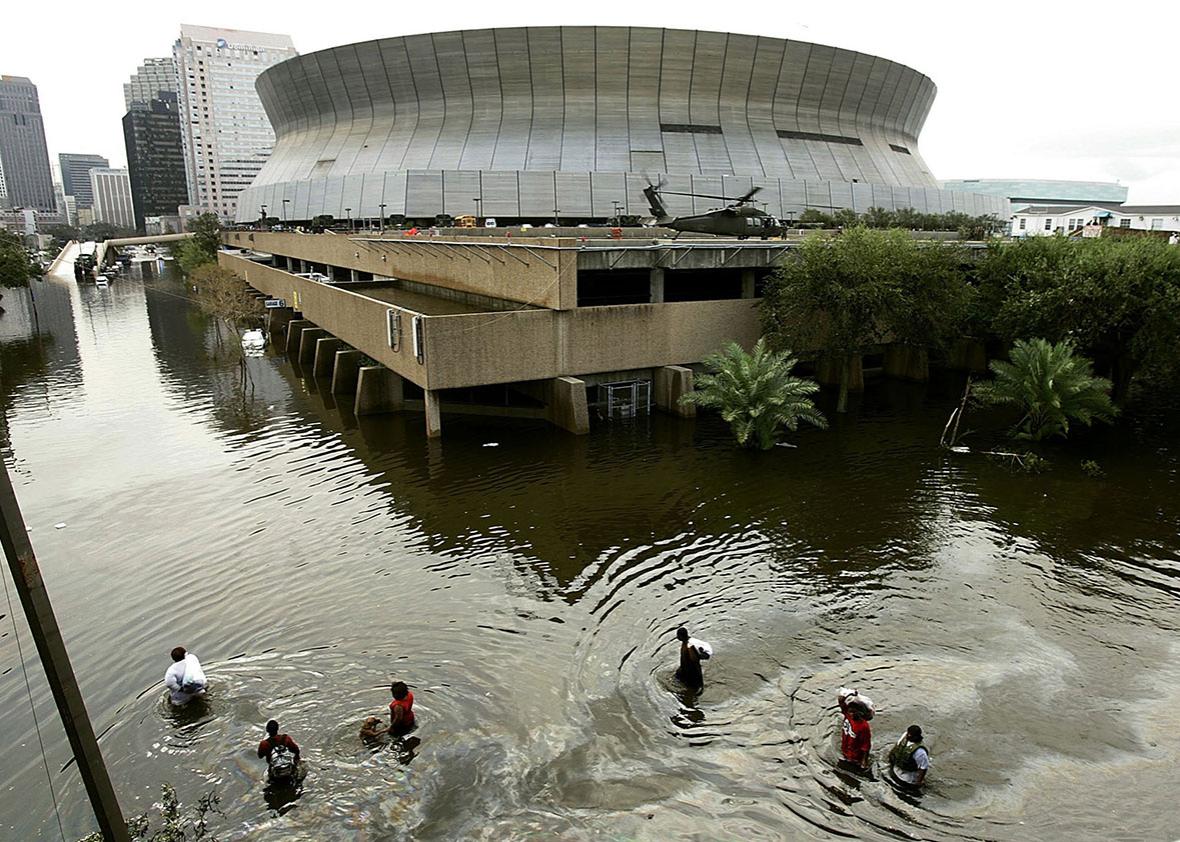
As the storm approached, an estimated 25,000 to 30,000 people sought refuge within the stadium. From a brand management perspective, the “customer journey” for these individuals began with the expectation of basic human necessities: shelter, security, and sustenance. The reality was a logistical breakdown. The facility, designed for four-hour football games, was suddenly tasked with being a 24-hour-a-day residential complex for tens of thousands.
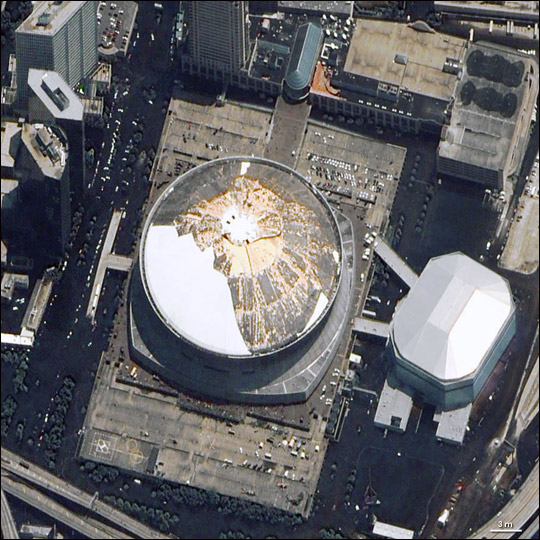
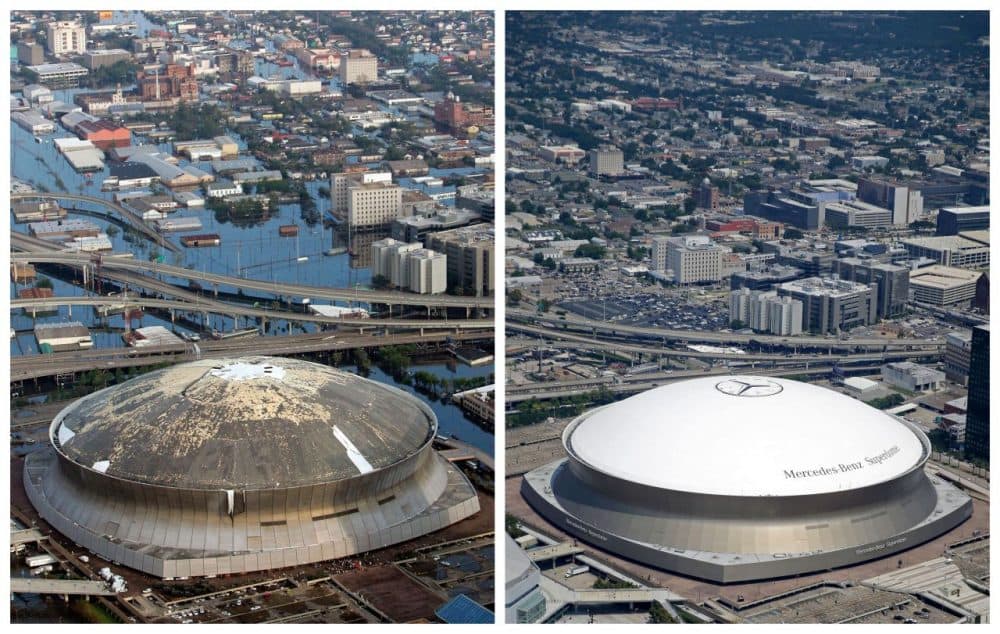
The first major blow to the Superdome’s brand identity occurred when the storm’s winds peeled back sections of the stadium’s iconic white roof. This was not just a structural failure; it was a visual metaphor for a brand losing its ability to protect. As water poured into the stands, the image of the “impenetrable fortress” was shattered, broadcast to millions of viewers worldwide.
Infrastructure as a Brand Asset
A brand’s physical assets are its most visible ambassadors. At the Superdome, the infrastructure failed in rapid succession. The loss of primary power was followed by the failure of backup generators, plunging the interior into darkness and disabling the air conditioning system. In the humid New Orleans heat, temperatures inside soared, creating a toxic environment that the brand was never designed to handle.
Furthermore, the failure of the plumbing system became a defining element of the crisis. When a facility’s “service delivery”—in this case, sanitation—collapses, the brand’s reputation suffers immediate and often irreparable damage. The Superdome, once a place of luxury suites and high-end hospitality, became synonymous with squalor, highlighting the danger of failing to invest in the “back-end” operations that support a brand’s “front-end” image.
Crisis Management Under the Global Microscope
In the digital age, a brand crisis is rarely localized. During Hurricane Katrina, the Superdome was under a global microscope, and the management of that crisis (or lack thereof) provided a masterclass in how institutional brands can lose control of their narrative. For several days, the Superdome was the focal point of international news cycles, and the brand was defined by images of suffering, chaos, and institutional abandonment.
Media Narrative and Brand Damage
Brand strategy relies heavily on narrative control. During the crisis, the Superdome lost all control over its story. Reports of violence, some later found to be exaggerated or unverified, dominated the headlines. Because there was no centralized communication strategy from the facility’s managers or the city officials, the vacuum was filled by rumors and raw footage of desperate conditions.
This period illustrates the “negative feedback loop” in crisis management. When a brand fails to provide timely, accurate updates, the public (and the media) will construct their own reality. For the Superdome, this resulted in the brand being associated with lawlessness and despair, a reputation that many believed would prevent the stadium from ever hosting a professional event again.
Communication Breakdowns at the Institutional Level
A key pillar of corporate identity is transparency. During the occupation of the Superdome, there was a profound lack of communication between the people inside the stadium and the agencies responsible for their evacuation. This breakdown led to a “brand betrayal.” People felt abandoned by the institutions they were told to trust. From a strategic standpoint, this is the most difficult type of brand damage to repair. When the “consumer” (in this case, the citizens) feels that a brand has fundamentally failed in its duty of care, the path to re-establishing trust is long and arduous.
Rebranding After a Catastrophe: The Road to Redemption
In the aftermath of Katrina, many experts suggested that the Superdome should be demolished. The brand was seen as “toxic,” a permanent reminder of a national tragedy. However, the stakeholders—including the State of Louisiana and the New Orleans Saints—chose a different path: a massive $185 million renovation and a strategic rebranding effort that would reposition the stadium as a symbol of the city’s resilience.
The Power of Strategic Partnerships
One of the most effective ways to rehabilitate a damaged brand is through strategic association. The “rebranding” of the Superdome was inextricably linked to the New Orleans Saints. On September 25, 2006, the Superdome reopened for a Monday Night Football game against the Atlanta Falcons. This event was meticulously crafted as a “brand relaunch.”
The image of Steve Gleason blocking a punt early in the game became the new visual identity of the Superdome. It effectively replaced the images of the torn roof and the crowds in the dark. By aligning the stadium’s identity with the Saints’ “Underdog/Survivor” narrative, the brand was able to borrow equity from the team’s emotional connection with the public.
Transforming a Symbol of Tragedy into a Symbol of Triumph
The post-Katrina renovation was not just about fixing the roof; it was about changing the brand’s “vibe.” Modernized concourses, improved lighting, and eventually, a naming rights deal with Mercedes-Benz (and later Caesars) helped to transition the venue from a public utility to a high-end corporate asset. The naming rights deals were crucial; they signaled to the market that global, prestigious brands were willing to put their name on the building, effectively “cleansing” the brand of its previous associations with failure.
Strategic Takeaways for Brand Leaders
The story of what happened at the Superdome during Hurricane Katrina offers several vital lessons for modern brand strategists, marketing executives, and corporate leaders. While few brands will face a literal hurricane of this magnitude, the principles of resilience and crisis management remain the same across all industries.
Preparing for “Black Swan” Brand Events
A “Black Swan” event is an unpredictable occurrence that has severe consequences. For the Superdome, the storm was the event, but the failure was the lack of a contingency brand strategy. Organizations must conduct “stress tests” on their brand promise. If your brand promises reliability, what is the protocol when the primary service goes offline? Identifying these vulnerabilities before a crisis occurs is the hallmark of a sophisticated brand strategy.
The Importance of Authentic Corporate Identity
The Superdome’s recovery was successful because the rebranding was authentic. It didn’t try to hide from the history of Katrina; instead, it integrated the story of survival into the new identity. Authenticity is the currency of modern branding. When a brand admits its failures, invests in genuine improvements, and aligns itself with the values of its community, it can achieve a level of loyalty that is even stronger than it was before the crisis.
Conclusion: The Resilient Asset
Today, the Superdome stands as a premier venue, hosting Super Bowls, Final Fours, and international concerts. Its journey from a site of humanitarian crisis to a top-tier corporate brand is a testament to the power of strategic reinvestment and narrative control. What happened at the Superdome during Hurricane Katrina was a tragedy of infrastructure and communication, but its subsequent evolution remains one of the most significant case studies in the history of brand management and corporate resilience. For any organization, the lesson is clear: your brand is not defined by the crises you face, but by how you rebuild in their wake.
aViewFromTheCave is a participant in the Amazon Services LLC Associates Program, an affiliate advertising program designed to provide a means for sites to earn advertising fees by advertising and linking to Amazon.com. Amazon, the Amazon logo, AmazonSupply, and the AmazonSupply logo are trademarks of Amazon.com, Inc. or its affiliates. As an Amazon Associate we earn affiliate commissions from qualifying purchases.