
The digital distribution of media has undergone a massive transformation over the last decade. While subscription-based streaming services like Netflix and Disney+ once promised a unified solution to content consumption, the fragmentation of the market has led to a resurgence in Peer-to-Peer (P2P) file sharing. At the heart of this ecosystem was—and is—Torrent Galaxy (TGx). Known for its robust community and high-quality “GalaxyTV” releases, the site recently sent shockwaves through the tech world when it suddenly went dark without warning.
For many users, the disappearance of Torrent Galaxy wasn’t just the loss of a website; it was a signal of a shifting tide in how digital assets are hosted, protected, and accessed. This article explores the technical nuances of the Torrent Galaxy outage, the underlying infrastructure of modern torrent indexes, and the broader implications for digital security and the future of P2P technology.
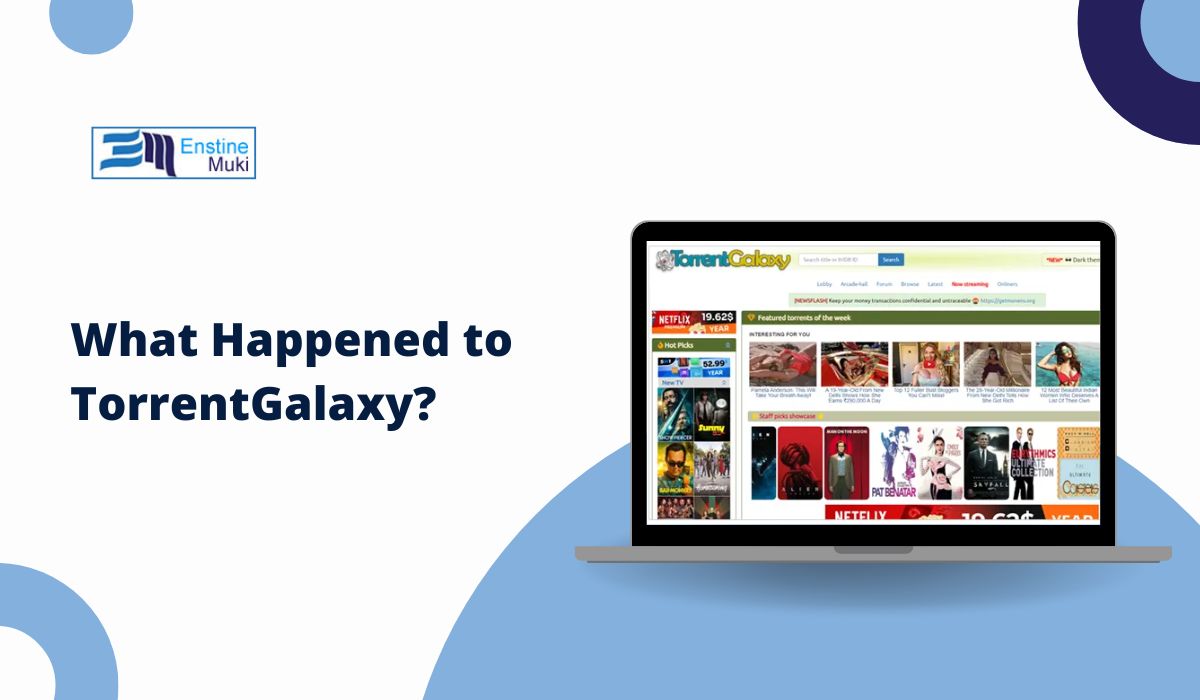
The Disappearance and Return: Technical Breakdown of the Outage
When Torrent Galaxy displayed a “503 Service Unavailable” error followed by a total DNS failure in mid-2024, the tech community immediately began speculating. In the world of high-traffic web platforms, a 503 error usually points to a backend server being unable to handle the request, often due to maintenance or overloading. However, when the downtime extended into days, the conversation shifted toward more permanent threats.
Analyzing the “Vanishing Act”
The disappearance occurred shortly after several major industry crackdowns on digital piracy. However, the technical signature of the TGx outage didn’t match the typical “seizure” notice usually seen when the FBI or Interpol intervenes. Instead, the site’s nameservers were pulled, and the domain became unresponsive. From a networking perspective, this suggested one of three things: a strategic migration to evade detection, a catastrophic hardware failure at the host level, or a voluntary “retirement” by the administrators—similar to the sudden closure of RARBG a year prior.
The Return and the “New Normal”
After a period of silence, Torrent Galaxy returned with a cryptic message from the staff, suggesting that the downtime was necessary for “internal reasons.” In the tech world, “internal reasons” often translate to a complete overhaul of server architecture or a shift in hosting providers to a “bulletproof” offshore location. The return of the site highlighted the resilience of the platform but also exposed the fragility of centralized indexes in a decentralized protocol environment.
The Role of Database Integrity
One of the most significant risks during an outage of this scale is database corruption. Torrent Galaxy functions as an indexer, meaning it maintains a massive SQL database of magnet links and metadata. When the site went down, the primary concern was whether the community-contributed metadata—comments, trust ratings, and verified upload histories—had been backed up. The successful restoration of the site proved that the administrators were utilizing redundant off-site backups, a standard best practice in high-availability web engineering.
The Evolving Architecture of Modern Torrent Indexes
To understand what happened to Torrent Galaxy, one must understand the complex tech stack required to keep such a platform operational. Unlike a standard blog or e-commerce site, a torrent index exists in a state of perpetual technical siege, facing DDoS attacks, legal scrapers, and massive traffic spikes.
Backend Infrastructure and Load Balancing
Modern P2P indexes utilize sophisticated load balancing to manage millions of concurrent users. Platforms like TGx often use Nginx or similar high-performance web servers configured as reverse proxies. This masks the actual IP address of the “origin server,” making it difficult for external actors to pinpoint the physical location of the hardware. When an outage occurs, it is often the proxy layer that has failed or been compromised, rather than the core database itself.
The Shift to Magnet Links over .torrent Files
Historically, torrent sites hosted physical .torrent files on their servers. This was storage-intensive and created a clear “paper trail” of copyrighted material. Torrent Galaxy, like many modern successors, relies almost exclusively on Magnet Links. From a technical standpoint, a Magnet Link is a URI (Uniform Resource Identifier) containing a cryptographic hash of the content. This allows the indexer to remain “content-neutral” in a technical sense—hosting only strings of text rather than files. This architectural shift has made sites like TGx much lighter and faster to mirror during outages.

Community-Driven Moderation Algorithms
A key tech feature of Torrent Galaxy is its user-tier system. The site employs automated scripts and moderation tools that track the “health” of a file. By analyzing seed-to-peer ratios and user reports in real-time, the platform’s backend can automatically flag or prune malicious uploads. This algorithmic approach to quality control is what separated TGx from older, unmoderated platforms that became “swamps” of malware and fake files.
Digital Security and the Risks of Piracy Platforms
The downtime of a major indexer like Torrent Galaxy often drives users toward “mirrors” or clone sites. This creates a massive cybersecurity risk. When a primary site goes down, malicious actors often launch “copycat” domains that look identical to the original but serve malware-laden files or execute phishing attacks.
The Proliferation of “Faux-Mirrors”
During the TGx outage, search engine results were flooded with sites like torrentgalaxy.to.security or tgx-mirror.com. These sites often use JavaScript injection to steal browser cookies or prompt users to download “required” codecs that are actually trojans. From a digital security perspective, the volatility of the P2P market is a primary vector for malware distribution. Users who do not verify the SHA-256 hash of their downloads or who fail to use sandboxed environments (like Virtual Machines) are at high risk.
ISP Throttling and Deep Packet Inspection (DPI)
Beyond the risks of malware, the tech behind P2P sharing is constantly battling Internet Service Provider (ISP) interference. ISPs use Deep Packet Inspection to identify the “handshake” of a BitTorrent protocol. Even if a site like Torrent Galaxy is online, an ISP can throttle the traffic to unusable speeds. This has led to the widespread adoption of encrypted P2P tunnels and specialized VPN protocols (like WireGuard) designed to obfuscate traffic patterns, making the “what happened” of a site outage often a localized issue of network interference rather than a global site failure.
The Importance of Browser Security
Modern P2P sites are notorious for aggressive advertising scripts. Torrent Galaxy utilizes several ad-networks that frequently trigger “malvertising” alerts. For the tech-savvy user, navigating these platforms requires a stack of security extensions: uBlock Origin for script blocking, NoScript for granular control, and a privacy-focused browser like Firefox or Brave. The evolution of these sites has forced a parallel evolution in user-side security software.
The Future of Decentralized Media Distribution
The saga of Torrent Galaxy is a microcosm of the larger battle for digital sovereignty. As streaming platforms become more expensive and content becomes more fragmented, the technology behind P2P continues to iterate, moving toward a future that may not rely on centralized websites at all.
Moving Toward Fully Decentralized Indexes
The primary vulnerability of Torrent Galaxy is its centralized domain. Tech innovators are currently working on DHT (Distributed Hash Table) search engines that exist entirely within the BitTorrent client itself. In this model, there is no “site” to go down. The index is shared among all users simultaneously. While this tech is still in its infancy regarding user experience, the TGx outage has accelerated interest in serverless indexing.
The Impact of Web3 and IPFS
InterPlanetary File System (IPFS) and Web3 technologies offer another path forward. By hosting an index on a peer-to-peer hypermedia protocol, the data becomes permanent and resistant to censorship. If Torrent Galaxy were to migrate its database to an IPFS-based frontend, “what happened” would no longer be a question of a site going offline, but rather a question of network persistence.

Why P2P Technology Remains Relevant
Despite the rise of legal streaming, P2P technology remains a cornerstone of the internet’s architecture. It is used by companies like Blizzard and Microsoft for software updates and by researchers to share massive datasets. The drama surrounding Torrent Galaxy’s uptime highlights a fundamental truth: the demand for efficient, decentralized data transfer is permanent. As long as there is a technical barrier to accessing content, developers will find ways to circumvent those barriers through clever engineering and resilient networking.
In conclusion, the brief disappearance of Torrent Galaxy was a reminder of the fragility of the current P2P ecosystem. It highlighted the importance of redundant server architecture, the necessity of vigilant digital security, and the ongoing evolution of file-sharing protocols. Whether through TGx or its eventual successors, the technology of the torrent will continue to adapt, ensuring that the “galaxy” of digital content remains accessible, even as the platforms that host it face constant pressure.
aViewFromTheCave is a participant in the Amazon Services LLC Associates Program, an affiliate advertising program designed to provide a means for sites to earn advertising fees by advertising and linking to Amazon.com. Amazon, the Amazon logo, AmazonSupply, and the AmazonSupply logo are trademarks of Amazon.com, Inc. or its affiliates. As an Amazon Associate we earn affiliate commissions from qualifying purchases.