
Gas Monkey Garage, once the boisterous epicenter of Discovery Channel’s hit show Fast N’ Loud, captured the imagination of millions with its fast-paced car builds, audacious personalities, and the tantalizing prospect of turning rusty relics into gleaming gold. For a decade, from 2012 to 2022, Richard Rawlings and his crew epitomized the American dream of combining passion with profit, transforming a niche automotive customization business into a global brand. Yet, as the cameras ceased rolling and the reality TV spotlight dimmed, a fundamental question emerges for anyone tracking the intersection of media fame and business longevity: what truly happened to Gas Monkey Garage from a financial perspective?
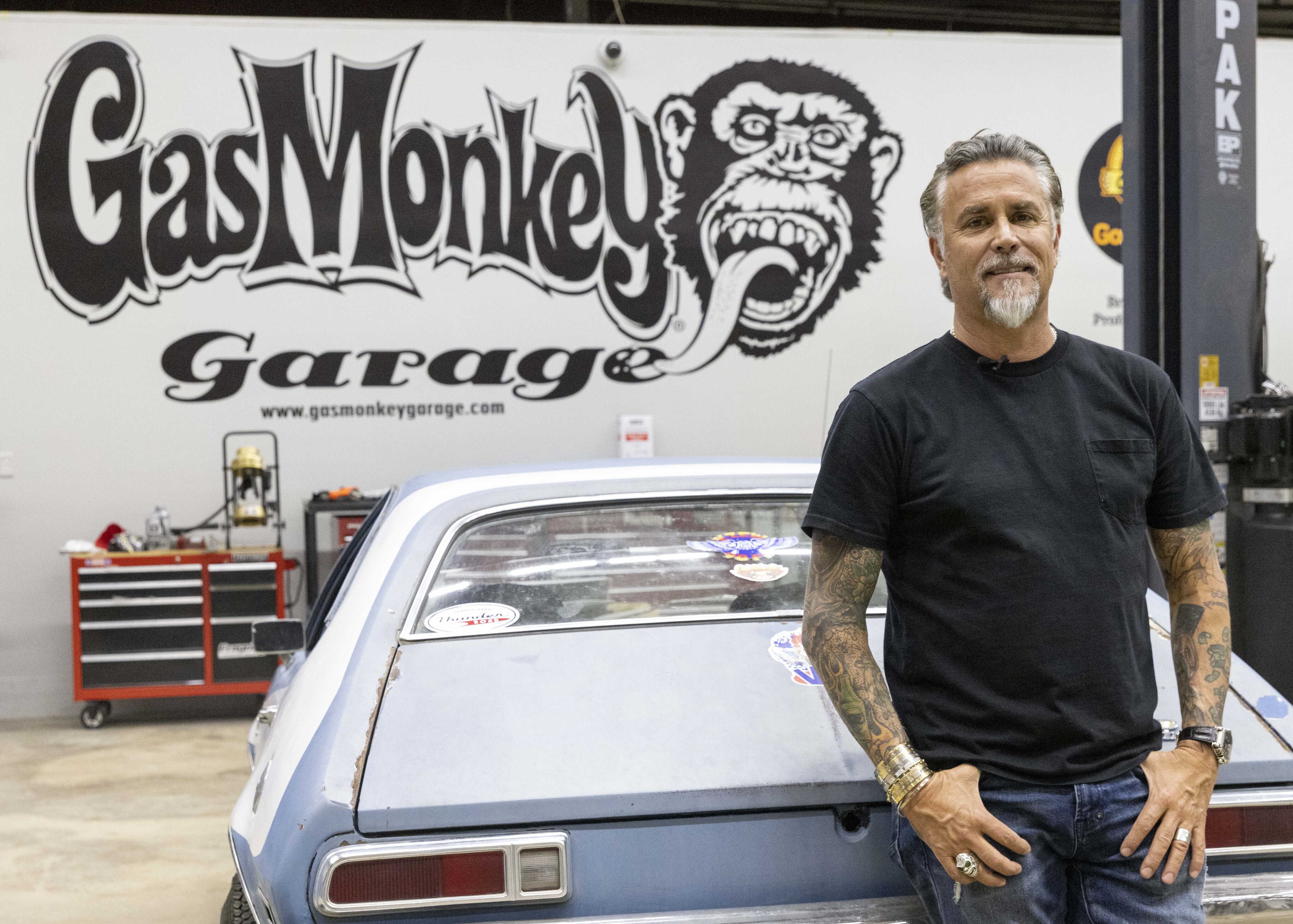
The journey of Gas Monkey Garage serves as a compelling case study in business finance, illustrating the opportunities and pitfalls of monetizing sudden fame, the challenges of sustaining diverse revenue streams beyond a primary media channel, and the strategic adaptations required for long-term survival in a competitive market. This exploration delves into the financial strategies, revenue diversification attempts, and operational realities that have shaped the garage’s trajectory since its television heyday, offering insights into the complex financial ecosystem of a celebrity-led enterprise.
The Gold Rush of Reality TV: Monetizing Media Exposure
The advent of Fast N’ Loud on Discovery Channel was, for Gas Monkey Garage, akin to striking oil in the automotive world. The show provided an unprecedented marketing platform, catapulting a Dallas custom car shop into international recognition. This exposure translated directly into a significant financial windfall, drastically altering the garage’s revenue landscape.
From Garage to Global Brand: The Initial Revenue Surge
Before Fast N’ Loud, Gas Monkey Garage was a successful but relatively localized custom car business. The show’s premise—buying, restoring, and selling classic cars for a profit—resonated with a vast audience, turning Richard Rawlings into a household name and the Gas Monkey logo into an instantly recognizable emblem. This media visibility served as an invaluable, essentially free, global advertising campaign, driving substantial increases in key revenue streams:
-
Custom Build Commissions: The most direct financial impact was a surge in demand for custom car builds. Wealthy enthusiasts and collectors, eager to own a piece of the Gas Monkey legacy, commissioned high-value projects, significantly boosting the garage’s primary service income.
-
Merchandise Sales: The Gas Monkey skull logo became a commercial powerhouse. T-shirts, hats, accessories, and memorabilia flew off the shelves, both online and from the physical garage. Merchandise represented a high-margin revenue stream, leveraging brand recognition without requiring intensive labor or specialized automotive skills.
-
Appearance Fees & Endorsements: Richard Rawlings, as the face of the brand, commanded substantial fees for public appearances, speaking engagements, and brand endorsements. These opportunities provided additional income that flowed back into the broader Gas Monkey enterprise or enriched Rawlings’ personal financial portfolio, further solidifying the brand’s financial foundation.
-
Television Deal Royalties: While specific figures are typically confidential, reality TV shows often involve licensing fees, production budgets, and potential profit-sharing agreements that provide direct financial compensation to the featured business and its principal figures. This steady income stream helped stabilize operations and fund expansion initiatives.
Diverse Income Streams: Beyond the Build
Recognizing the ephemeral nature of television fame, Richard Rawlings and his team shrewdly leveraged their newfound visibility to diversify their financial portfolio beyond car builds and merchandise. This strategy aimed to create multiple, semi-independent revenue streams that could sustain the brand even if the show’s popularity waned.
-
Gas Monkey Bar N’ Grill: Capitalizing on the brand’s edgy, rock-and-roll persona, the Gas Monkey Bar N’ Grill was established. This venture tapped into the hospitality sector, generating revenue through food and beverage sales, live music events, and a themed dining experience that attracted fans and tourists alike.
-
Gas Monkey Live: An ambitious expansion into the music venue business, Gas Monkey Live aimed to host larger concerts and events, further diversifying the brand’s entertainment offerings. This venture sought to capture a share of the live entertainment market, leveraging the Gas Monkey name to draw audiences.
-
Licensing Agreements & Partnerships: The Gas Monkey brand extended its reach through licensing agreements for products ranging from automotive parts to branded beverages. These partnerships generated royalty income, allowing the brand to monetize its equity without direct operational involvement in manufacturing or distribution.
This aggressive diversification strategy was a testament to a sound financial mindset, understanding that relying solely on custom car builds or TV revenue was a precarious long-term plan. The goal was to build a multi-faceted business empire with interwoven financial interests.
Navigating the Post-TV Landscape: Sustaining Business Momentum
The conclusion of Fast N’ Loud in 2022 marked a pivotal moment for Gas Monkey Garage. While the show had cemented its legacy, it also removed a primary, highly visible marketing channel. The challenge then shifted from capitalizing on fame to sustaining financial viability without constant media exposure.
The Inevitable Dip: Managing Decreased Visibility
The ending of Fast N’ Loud brought about an undeniable reduction in the brand’s day-to-day public visibility. For many businesses reliant on media exposure, this can lead to a significant drop in customer engagement and revenue.
-
Impact on Merchandise Sales: While the Gas Monkey logo remains popular, the sheer volume of impulse purchases driven by weekly television exposure naturally declined. Maintaining merchandise revenue required a more focused e-commerce strategy, robust digital marketing, and the cultivation of a loyal fan base rather than relying on passive viewership.
-
Reduced Foot Traffic and Bar/Grill Patronage: The Bar N’ Grill and Live venues, while successful in their prime, likely experienced a decrease in casual visitors who were drawn by the show’s novelty or the hope of spotting Richard Rawlings. Sustaining these establishments demanded higher operational efficiency, innovative marketing, and a focus on local repeat customers rather than solely on transient fans.
-
Shifting Custom Build Inquiries: While the reputation for quality remained, the immediate influx of build inquiries driven by the show’s excitement would have tapered off. The garage had to rely more heavily on word-of-mouth, its established reputation, and direct marketing efforts to secure high-value projects in a competitive market.
High Overhead, Niche Market: Core Business Financial Pressures
At its heart, Gas Monkey Garage is a custom car shop—a business model characterized by high overheads and a relatively niche market. Regardless of media fame, these inherent financial pressures persist.
-
Labor Costs: Custom car building requires highly skilled technicians, fabricators, painters, and mechanics. These specialized professionals command significant wages, representing a substantial fixed cost for the business.
-
Parts and Materials: Sourcing vintage parts, specialized components, and high-quality materials for custom builds can be expensive and time-consuming. Inventory management and supplier relationships are crucial for cost control and project profitability.
-
Facility and Equipment Costs: Operating a fully equipped automotive shop demands significant investment in real estate, specialized tools, lifts, paint booths, and machinery. Maintenance, insurance, and utilities add further to operational expenses.
-
Market Demand Volatility: The market for high-end custom cars and collector vehicles can be susceptible to economic fluctuations. Discretionary spending on luxury items like custom cars often decreases during economic downturns, impacting sales volume and pricing power.
Successfully navigating these inherent pressures post-TV required rigorous financial management, cost optimization, and a clear understanding of market dynamics to ensure that each project remained profitable.
The Evolution of the Gas Monkey Empire: Strategic Shifts and Asset Management

The post-TV era necessitated a strategic reassessment of the Gas Monkey financial portfolio. This involved making difficult decisions about underperforming assets, consolidating strengths, and doubling down on new avenues for revenue generation.
Consolidating Assets: The Fate of Ancillary Ventures
Not all diversification efforts prove equally successful. In the world of business finance, strategic divestment is often as crucial as strategic investment.
-
Closure of Gas Monkey Live: The decision to close Gas Monkey Live, the larger music venue, was a significant financial pivot. Operating a large-scale music venue is notoriously challenging, characterized by high operational costs, fierce competition, and reliance on touring acts. The closure likely represented a pragmatic financial choice to cut losses, reduce overhead, and reallocate capital or focus energy on more profitable ventures. This move underscores the importance of regularly evaluating the return on investment (ROI) of each business unit.
-
Sale of Gas Monkey Bar N’ Grill: Similarly, the sale of the original Gas Monkey Bar N’ Grill indicated a strategic divestment from parts of the hospitality sector. While the brand still licenses its name to other bar concepts, selling the flagship location allowed Rawlings to offload operational complexities and capital investment associated with running a restaurant, potentially freeing up resources for other initiatives or personal investments.
These actions demonstrate a matured business acumen, prioritizing long-term financial health and operational efficiency over maintaining every asset acquired during the peak of media exposure.
Richard Rawlings’ Personal Brand as a Financial Asset
Perhaps one of the most significant and enduring financial assets born from Gas Monkey Garage is Richard Rawlings himself. His charismatic personality and business savvy have cultivated a personal brand that transcends the original TV show and even the physical garage.
-
Continued Media Presence: Rawlings has maintained a strong presence on social media platforms, particularly YouTube, where he shares behind-the-scenes content, car reviews, and business insights. This digital content creates new avenues for monetization through advertising revenue, sponsorships, and direct fan engagement, all of which indirectly feed back into the Gas Monkey brand.
-
Book Deals and Speaking Engagements: His status as a celebrity entrepreneur has led to opportunities for book deals (e.g., “Fast N’ Loud: Blood, Sweat and Beers”) and lucrative speaking engagements, where he shares his business philosophy and personal journey. These activities generate direct income and enhance his personal net worth, reinforcing his role as the driving force behind the Gas Monkey identity.
-
New Ventures and Partnerships: Rawlings continues to explore new business ventures and partnerships, leveraging his brand equity to attract investors and collaborators. This flexibility allows him to adapt to changing market trends and pursue opportunities beyond the traditional automotive customization space.
His personal brand acts as a crucial, ongoing marketing engine and revenue generator, ensuring the Gas Monkey name remains relevant and financially active.
Online Dominance: E-commerce and Digital Content Monetization
In the digital age, a robust online presence is indispensable for business longevity. Gas Monkey Garage has increasingly leaned into its digital platforms for sustained revenue.
-
E-commerce Expansion: The official Gas Monkey Garage website functions as a comprehensive e-commerce platform for merchandise, branded parts, and occasionally even finished cars. Optimizing the online shopping experience, implementing effective digital marketing campaigns, and efficiently managing logistics are critical for maximizing this revenue stream.
-
YouTube and Social Media Monetization: Beyond simply promoting the brand, Gas Monkey Garage’s YouTube channel and other social media accounts are direct sources of income. Ad revenue from video views, sponsored content partnerships, and affiliate marketing all contribute to the bottom line, turning content creation into a valuable business activity.
-
Direct-to-Consumer Model: By fostering a direct relationship with its global fanbase online, Gas Monkey Garage can bypass intermediaries, potentially increasing profit margins on merchandise and fostering a more engaged customer base for future offerings.
This shift towards digital monetization highlights an essential adaptation for businesses born in traditional media, ensuring relevance and financial fluidity in an evolving consumption landscape.
The Enduring Legacy: A Realistic Look at Business Longevity
Ultimately, the story of Gas Monkey Garage is one of remarkable adaptability and financial resilience. It moves beyond the sensationalism of reality television to reveal the practical challenges and strategic triumphs of building and sustaining a profitable business.
Beyond the Hype: Sustained Profitability vs. Peak Earnings
The financial peak for Gas Monkey Garage undoubtedly coincided with the height of its television fame. It’s crucial to distinguish between extraordinary, media-driven earnings and the long-term, sustainable profitability of a core business. While the show provided a period of unprecedented cash flow, the true measure of Gas Monkey Garage’s financial success lies in its ability to generate consistent profits and maintain positive cash flow in the years after the cameras have gone home.
The current Gas Monkey Garage operations, while perhaps less outwardly flashy than their TV heyday, likely represent a leaner, more focused, and financially disciplined enterprise. The core business of custom car builds, coupled with a diversified but streamlined portfolio of licensing, merchandise, and digital content, aims for steady profitability rather than the meteoric but potentially unsustainable growth driven by prime-time television.

Lessons in Business Finance from Gas Monkey Garage
The financial journey of Gas Monkey Garage offers several invaluable lessons for entrepreneurs and established businesses alike:
-
Leverage Media, Don’t Depend on It: While reality TV can provide an incredible launchpad, it’s a temporary phenomenon. Businesses must strategically leverage this exposure to build lasting brand equity and diversify revenue streams that are not reliant on ongoing media attention.
-
Diversification is Key, but So is Focus: Expanding into multiple ventures can spread risk, but it also dilutes focus and capital. Strategic evaluation and, if necessary, divesting from underperforming assets are crucial for financial health.
-
The Brand is an Asset: Cultivating a strong brand identity, both for the business and its founder, creates intangible value that can be monetized in countless ways, from merchandise to licensing and personal appearances.
-
Adaptation is Survival: The ability to pivot, embrace new technologies (like e-commerce and digital content), and adjust to market changes is paramount for long-term financial viability.
-
Understand Your Core Economics: Regardless of external factors, a clear understanding of operational costs, profit margins, and market demand for your core product or service is fundamental to sustained profitability.
In conclusion, Gas Monkey Garage didn’t “disappear.” Instead, it underwent a significant financial transformation. It transitioned from a business propelled by the rocket fuel of reality television to a more mature, strategically managed enterprise. Its journey underscores that the true measure of success in business finance isn’t just about how high you fly, but how skillfully you navigate the descent and continue to thrive on the ground, adapting, innovating, and meticulously managing your financial resources. Richard Rawlings and Gas Monkey Garage serve as a testament to the enduring power of a strong brand coupled with shrewd business and financial acumen.
aViewFromTheCave is a participant in the Amazon Services LLC Associates Program, an affiliate advertising program designed to provide a means for sites to earn advertising fees by advertising and linking to Amazon.com. Amazon, the Amazon logo, AmazonSupply, and the AmazonSupply logo are trademarks of Amazon.com, Inc. or its affiliates. As an Amazon Associate we earn affiliate commissions from qualifying purchases.