
Forever 21, once a ubiquitous fixture in shopping malls and a darling of fast-fashion enthusiasts, has undergone a dramatic transformation. The brand, which defined a generation’s approach to trendy, affordable clothing, has experienced significant financial turbulence, multiple ownership changes, and a strategic pivot. This decline and subsequent reinvention offer a compelling case study in the challenges and opportunities facing legacy retail brands in an era of rapid e-commerce growth and evolving consumer preferences. Understanding “what happened” to Forever 21 requires an examination of its past triumphs, the missteps that led to its near demise, and the strategic decisions guiding its present and future.
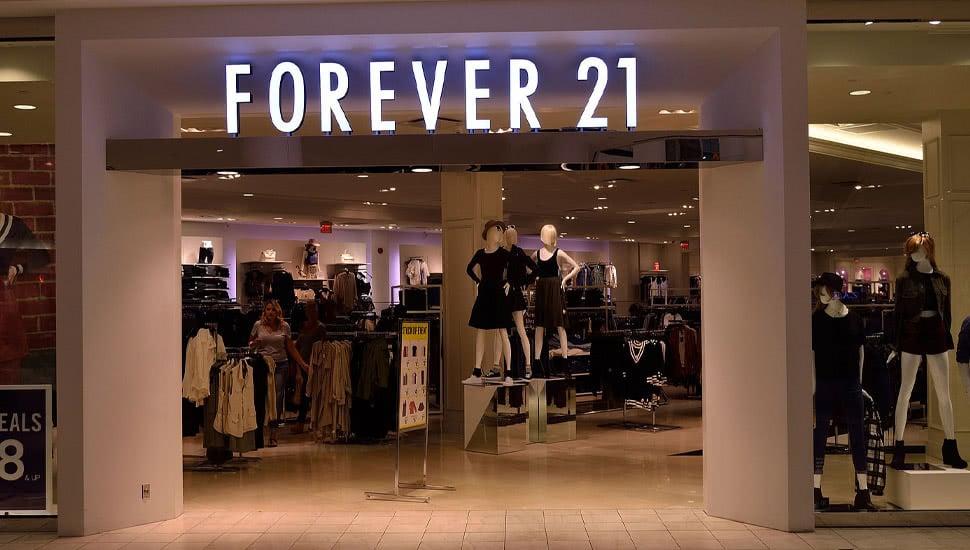
The Zenith of Fast Fashion: Building a Retail Empire
Forever 21’s meteoric rise in the late 20th and early 21st centuries was nothing short of spectacular. Its success was built on a shrewd understanding of the fashion cycle and an agile business model.
Lightning-Fast Trend Adoption
The core of Forever 21’s appeal lay in its uncanny ability to translate runway trends into affordable garments at breakneck speed. While established brands grappled with seasonal collections and longer production cycles, Forever 21 operated on a weekly replenishment model. This meant stores were constantly refreshed with new styles, catering to consumers who craved the latest looks without breaking the bank. This “see now, buy now” ethos resonated deeply with its target demographic.
Aggressive Expansion and Prime Real Estate
Fueled by this demand, Forever 21 embarked on an aggressive expansion strategy. The brand secured prime retail locations in high-traffic shopping malls across the globe. Its massive stores, often spanning tens of thousands of square feet, became destinations in themselves, offering an overwhelming array of trendy apparel, accessories, and footwear. This physical footprint was crucial to its brand visibility and accessibility.
The “Treasure Hunt” Experience
Beyond just the product, Forever 21 cultivated a unique shopping experience. Its stores were known for their densely packed racks, eclectic displays, and an energetic, almost chaotic, atmosphere. This “treasure hunt” element encouraged customers to spend more time browsing, discovering unique pieces, and engaging with the brand. The affordability meant that impulse purchases were common, further driving sales volume.
The Cracks Begin to Show: External and Internal Pressures
Despite its seemingly invincible position, a confluence of factors began to erode Forever 21’s dominance. The retail landscape was shifting, and the brand’s traditional strengths started to become liabilities.
The E-commerce Tidal Wave
The most significant disruptive force was the rise of e-commerce. Online retailers offered unparalleled convenience, wider selections, and often more competitive pricing. While Forever 21 did establish an online presence, it struggled to compete with the agility and reach of pure-play e-commerce giants and even other fast-fashion online retailers who were digital natives. Its reliance on brick-and-mortar stores, while once a strength, became a significant overhead and a vulnerability as foot traffic declined.
Shifting Consumer Values and Sustainability Concerns
As consumer awareness grew, so did concerns about the environmental and ethical implications of fast fashion. The industry’s notoriously wasteful practices, labor conditions, and the sheer volume of discarded clothing began to draw criticism. Forever 21, a poster child for rapid, disposable fashion, found itself increasingly under scrutiny. Younger consumers, in particular, started to prioritize sustainability and ethical sourcing, values that the brand struggled to authentically integrate into its business model.
Brand Dilution and Competition
The very success of Forever 21’s model inspired a host of imitators. Numerous online retailers, often with lower overheads and a more nimble digital strategy, emerged, offering similar styles at even lower price points. This increased competition, coupled with a perception that Forever 21’s quality had declined over the years, led to brand dilution and a loss of its unique selling proposition. The sheer volume of clothing also meant that styles could become outdated quickly, leading to excess inventory.
Operational Inefficiencies and Debt
While the brand was expanding, its operational structure, heavily reliant on physical stores, began to buckle under the weight of increasing costs. Long-term leases, significant inventory management challenges, and a failure to adapt quickly enough to the digital shift contributed to mounting debt. The company’s private ownership structure also meant less transparency and potentially slower decision-making in response to market changes.
The Restructuring and Rebirth: A New Chapter
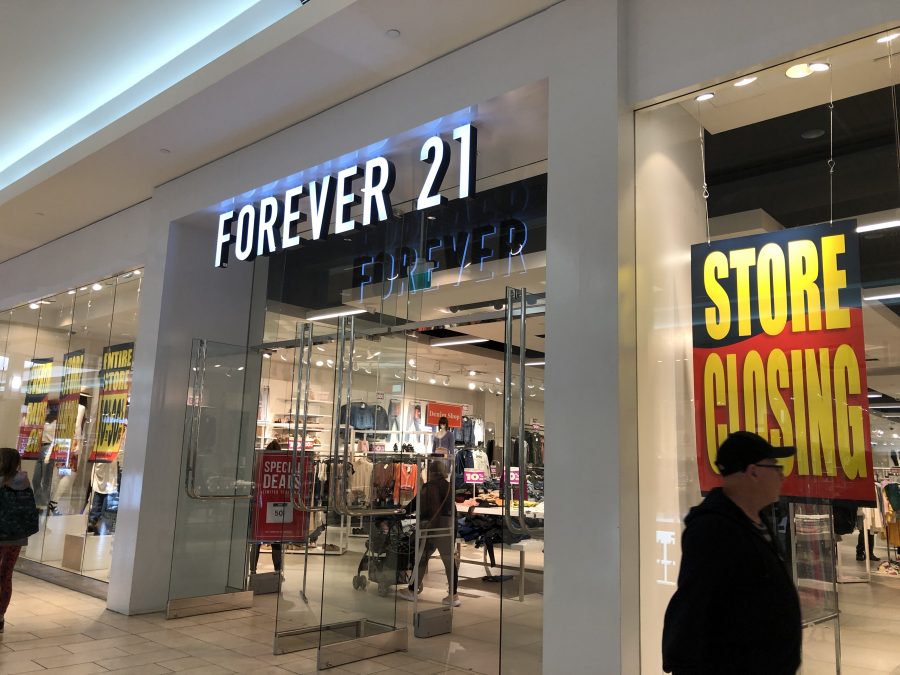
The challenges culminated in Forever 21 filing for Chapter 11 bankruptcy protection in September 2019. This marked a painful but necessary turning point, leading to a significant restructuring and a change in ownership.
The Bankruptcy and Acquisition
The bankruptcy filing allowed Forever 21 to shed unprofitable stores, renegotiate leases, and streamline its operations. A consortium of buyers, including Authentic Brands Group (ABG), Simon Property Group, and Brookfield Capital Partners, acquired the company out of bankruptcy. This new ownership structure brought fresh capital and a renewed strategic vision, with a strong emphasis on leveraging digital channels and modernizing the brand.
A Renewed Focus on E-commerce and Omnichannel Strategy
A key pillar of the post-bankruptcy strategy has been a robust investment in e-commerce. This includes enhancing the website’s user experience, optimizing online marketing, and developing a seamless omnichannel approach. The aim is to meet consumers where they are, whether they prefer shopping online, in-store, or a combination of both. This involves integrating online and offline inventory, offering click-and-collect options, and providing a consistent brand experience across all touchpoints.
Reimagining the Physical Store Experience
While the digital realm is paramount, physical stores remain an important part of the strategy. The new Forever 21 is focused on creating more curated and engaging in-store experiences, rather than the overwhelming, high-volume model of the past. This might involve smaller store footprints, pop-up shops, and a greater emphasis on brand storytelling and community building within the retail space. The goal is to make store visits more intentional and impactful.
Adapting to Evolving Consumer Demands
The new leadership is keenly aware of the shift in consumer values. While Forever 21 will likely continue to offer affordable fashion, there’s a greater emphasis on incorporating more sustainable materials, ethical sourcing practices, and transparent communication about the brand’s efforts. This involves carefully selecting suppliers, exploring eco-friendly production methods, and educating consumers about responsible consumption. The brand is also working to refresh its image to appeal to a broader demographic, including Gen Z, while retaining its core appeal of trend-driven fashion.

Strategic Partnerships and Brand Extensions
The acquisition by ABG, a company known for its expertise in brand management and licensing, has opened doors for strategic partnerships and brand extensions. This could involve collaborations with influencers, other fashion brands, or even venturing into new product categories. These partnerships are designed to inject new energy into the brand, expand its reach, and tap into new revenue streams.
Forever 21’s journey is a powerful illustration of the dynamic nature of the retail industry. What happened to the brand was a complex interplay of market forces, technological disruption, and evolving consumer behavior. Its survival and subsequent strategic reimagining demonstrate that even iconic brands can find a path forward by embracing change, investing in digital transformation, and staying attuned to the shifting values and preferences of their target audience. The future of Forever 21 hinges on its ability to consistently deliver on its core promise of accessible fashion while adapting to a more conscious and digitally-driven marketplace.
aViewFromTheCave is a participant in the Amazon Services LLC Associates Program, an affiliate advertising program designed to provide a means for sites to earn advertising fees by advertising and linking to Amazon.com. Amazon, the Amazon logo, AmazonSupply, and the AmazonSupply logo are trademarks of Amazon.com, Inc. or its affiliates. As an Amazon Associate we earn affiliate commissions from qualifying purchases.