
In the world of high-stakes decision-making, few environments mirror the complexities of the financial markets as closely as the poker table. While many novices view poker as a game of luck or a casual pastime, professional players and financial analysts recognize it as a sophisticated exercise in capital allocation, probability, and risk management. To succeed, one must move beyond the basic mechanics of the game and treat the deck like a diversified portfolio.
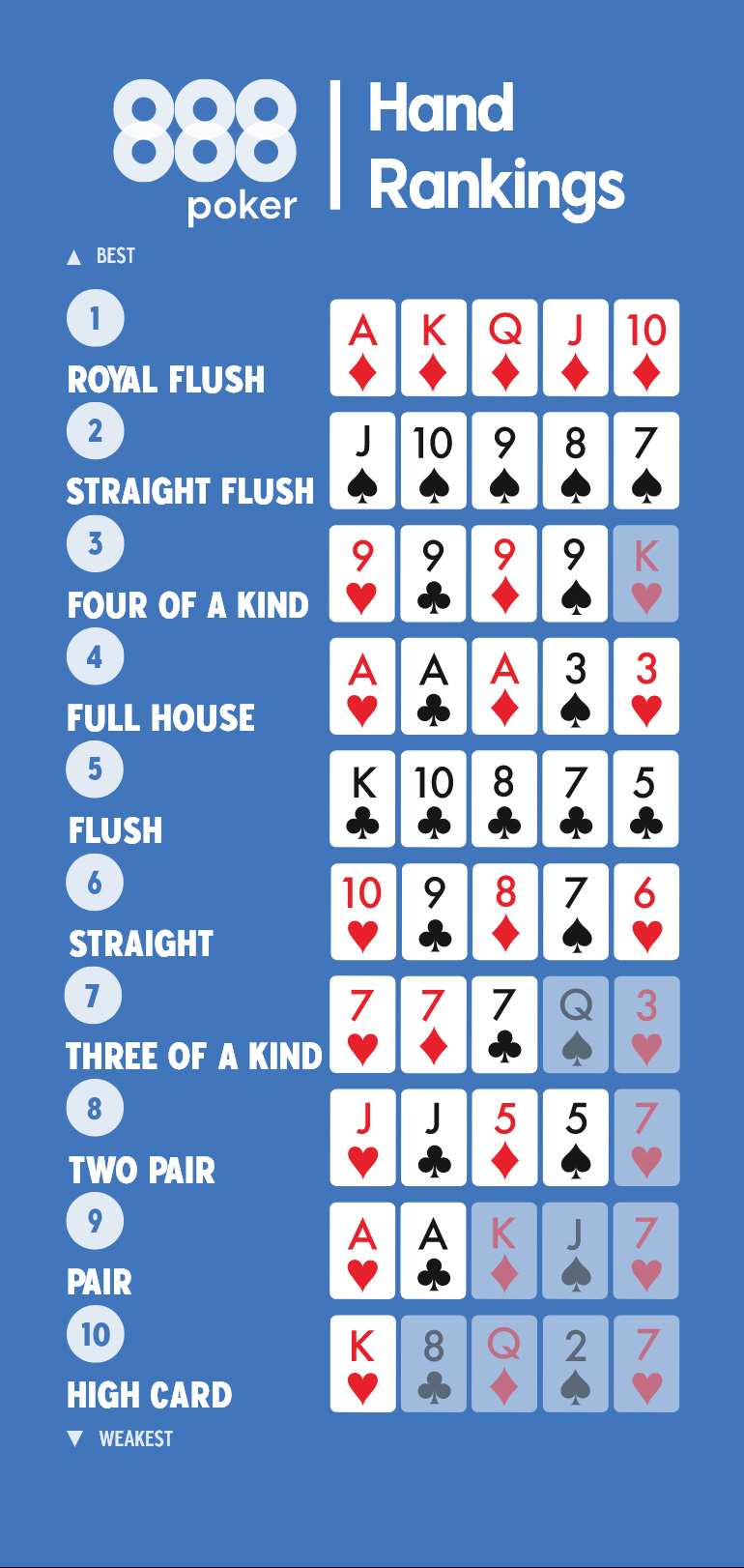
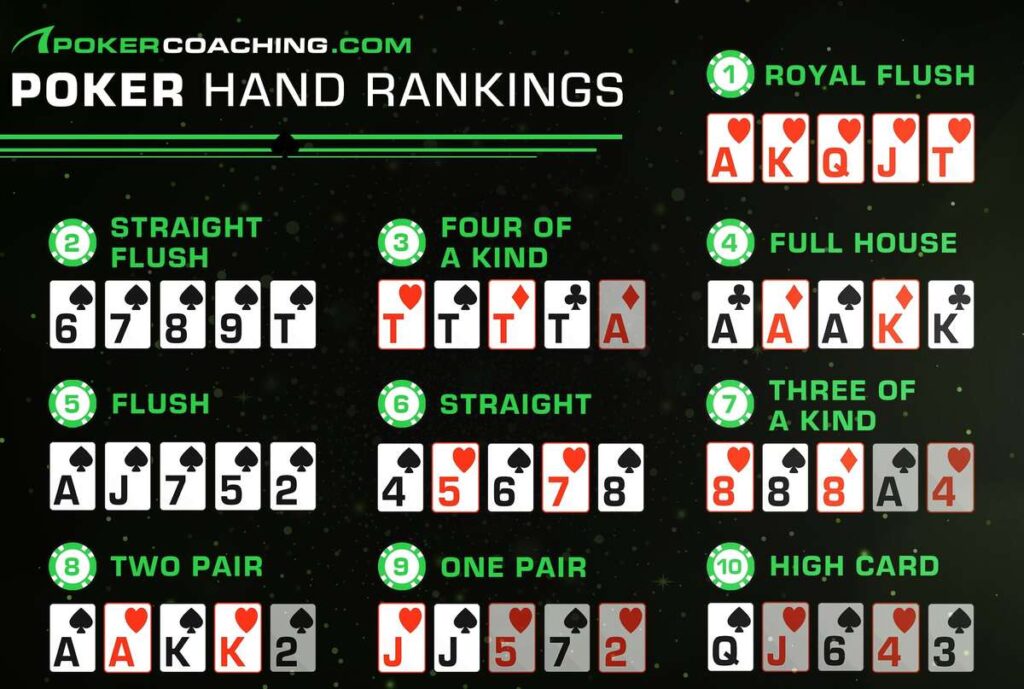
The foundation of this financial discipline begins with a fundamental question: “What hands beat what in poker?” Understanding the hierarchy of hands is not just about memorizing a chart; it is about understanding the relative value of your assets in an ever-changing market. This guide treats poker as a business venture, exploring the hand rankings through the lens of investment strategy, expected value, and long-term wealth preservation.
The Hierarchy of Value: Understanding Poker Hand Rankings as Assets
In any financial system, assets are categorized by their liquidity, rarity, and potential for return. In poker, the hand rankings serve as the ultimate ledger of value. Knowing which hand beats which is the equivalent of knowing the market capitalization of a stock before placing a trade.
The Premium Tier: Royal Flushes and the “Sure Thing”
At the pinnacle of the hierarchy sits the Royal Flush (A, K, Q, J, 10 of the same suit), followed by the Straight Flush. In the world of finance, these are your “blue-chip” assets during a bull market—they are virtually untouchable. Statistically, a Royal Flush is so rare that it represents a “perfect” investment scenario. When you hold these hands, your objective shifts from risk mitigation to profit maximization. The challenge is not whether you will win the pot, but how much “yield” you can extract from your opponents before the hand concludes.
The Growth Tier: Four of a Kind, Full Houses, and Flushes
Below the ultra-rare flushes lie the “growth stocks” of poker: Four of a Kind, Full Houses, and Flushes. These are high-value holdings that will win the majority of encounters. However, they carry a degree of “market risk.” For instance, a Flush (five cards of the same suit) is a formidable hand, but it can be liquidated instantly by a Full House (three of a kind plus a pair). In a professional context, playing these hands requires a keen eye on the “market indicators”—the community cards on the board—to ensure that a superior competitor isn’t lurking with a higher-tier asset.
The Speculative Tier: Straights, Three of a Kind, and Two Pair
These hands represent the “mid-cap” investments of the poker world. They have significant potential but are vulnerable to volatility. A Straight (five consecutive cards) is a strong hand, but in a multi-way pot, the probability of an opponent holding a Flush increases. Navigating this tier requires “hedging”—betting enough to protect your equity without overcommitting your capital to a hand that might be second-best.
Expected Value (EV) and the Mathematics of the Showdown
In finance, the most critical metric is Expected Value (EV). This is the projected gain or loss on an investment over time, considering all possible outcomes. In poker, determining which hand beats which is only the first step; the second step is calculating whether the “price” of the bet justifies the “equity” of the hand.
Calculating Pot Odds vs. Equity
Professional poker players view every chip as a unit of investment. If the pot contains $100 and an opponent bets $50, you are being offered “3-to-1” odds on your money. To make this a profitable “investment,” your hand must have a mathematical probability of winning (equity) that exceeds the cost of the call. If you hold a “Flush Draw” (four cards of the same suit, needing one more to complete the hand), you are essentially looking at a speculative venture. If the mathematical probability of hitting that flush is 20%, but the pot odds offer you a 25% return, the investment has a “Negative EV” and should be liquidated (folded).
Risk Mitigation: When High-Value Hands Face Marginal Returns
One of the most common pitfalls for amateur players is the inability to “divest” from a strong hand when the market conditions change. This is known as “attachment bias.” For example, holding “Top Pair” with an Ace kicker is a strong starting position. However, if the community cards suggest a Straight or a Flush is possible for an opponent, that Top Pair loses its relative value. In a business sense, this is the equivalent of a company’s stock price dropping due to a fundamental shift in the industry. A professional recognizes that a hand that was “winning” five minutes ago may now be a liability, and they are willing to cut their losses to preserve their bankroll for a better opportunity.
Bankroll Management: Protecting Your Capital in High-Stakes Environments
No matter how well you understand hand rankings, you cannot survive in the poker “market” without strict bankroll management (BRM). In personal finance, this is known as capital preservation. It ensures that a single “market crash” (a bad beat) does not lead to total insolvency.
The 5% Rule: Diversifying Your Table Presence
A common rule among professional players is never to bring more than 2% to 5% of their total liquid net worth (their poker bankroll) to a single table. This diversification strategy ensures that “variance”—the natural fluctuations of luck—does not result in “ruin.” By spreading risk across multiple sessions and thousands of hands, the player allows the “law of large numbers” to take effect, ensuring that their mathematical edge eventually results in a positive ROI (Return on Investment).
Emotional Discipline and the Sunk Cost Fallacy
In both investing and poker, the “Sunk Cost Fallacy” is a primary driver of financial ruin. This occurs when a player continues to put money into a pot simply because they have already invested a significant amount, regardless of whether their hand is likely to win. Professionally, this is a failure of logic. Once money is in the pot, it no longer belongs to you; it belongs to the pot. Every subsequent decision must be based on the current probability of winning the total amount, not a desire to “recover” what has already been spent. Mastering the hierarchy of hands allows a player to remain objective, treating each “betting round” as a fresh financial analysis.
The Business of Poker: Professionalism and Long-term Growth
To truly treat poker as a financial endeavor, one must look beyond the individual hand and focus on the “fiscal year.” This involves rigorous data tracking, tax considerations, and continuous education.
Treating the Table Like a Portfolio
A successful player views their sessions not as “gambling trips,” but as hours logged in a high-performance workspace. This includes tracking “win rates” (typically measured in Big Blinds per 100 hands) and analyzing “leakage”—areas where money is being lost due to sub-optimal strategy. Much like a corporate audit, a professional player will review their hand histories to identify patterns of over-investment in weak assets (low-tier hands) or under-investment in “premium” hands.
Tax Implications and Financial Tracking for the Modern Player
In many jurisdictions, professional poker is treated as a business. This means income is taxable, but losses and expenses (such as travel, software, and coaching) may be deductible. Maintaining a “clean” financial record is essential. By separating poker capital from personal living expenses, a player can accurately gauge their “business” growth. This level of organization is what separates the “hobbyist” who wonders why they are losing money from the “pro” who understands exactly which hands are driving their profit margins.
Conclusion: The Convergence of Strategy and Finance
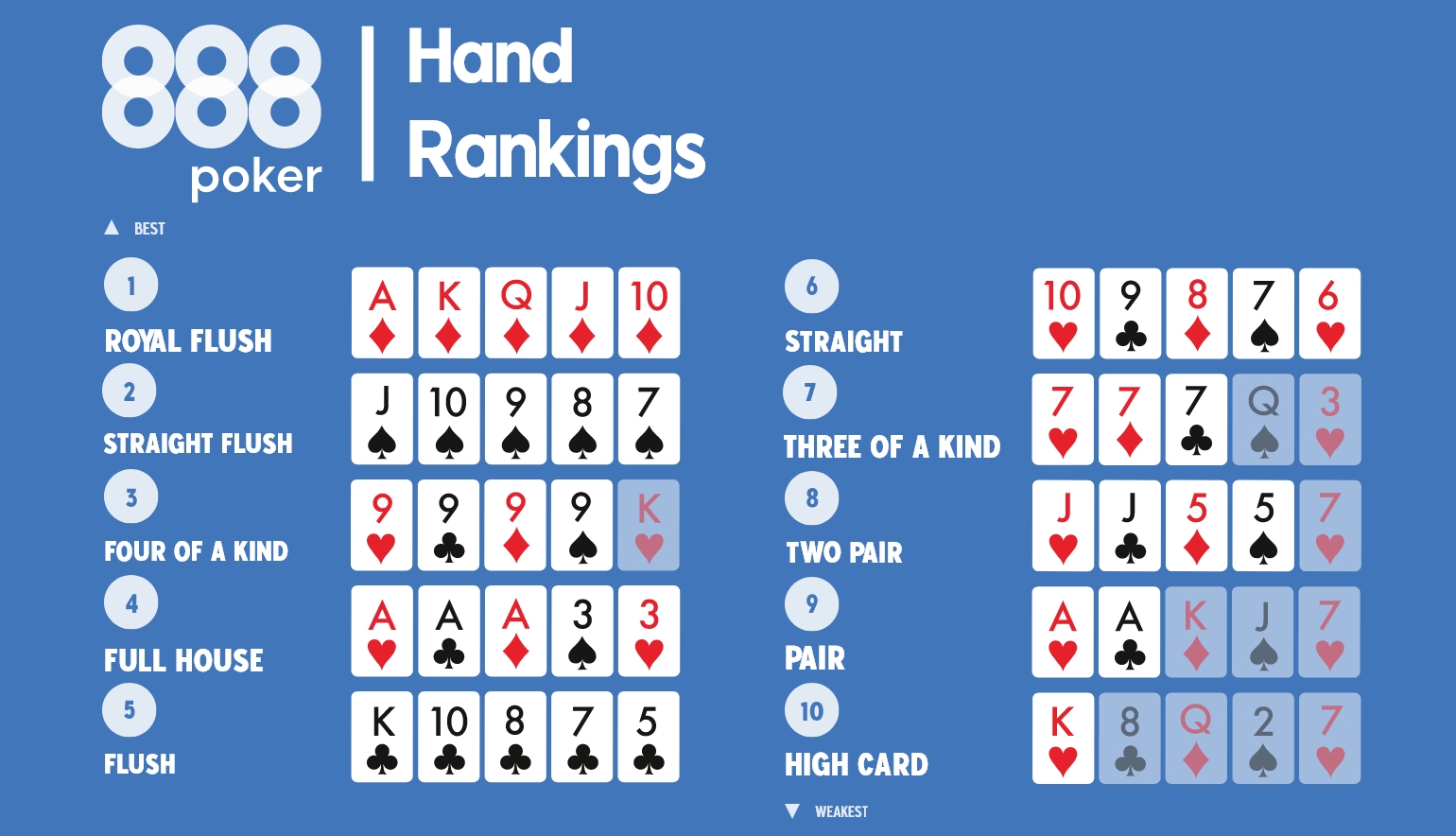
At its core, “what hands beat what in poker” is a question of relative value. However, the mastery of the game lies in the application of that knowledge within a broader financial framework. By viewing poker hands as assets, bets as capital allocations, and the bankroll as a corporate treasury, an individual can transform a game of cards into a disciplined pursuit of profit.
The most successful individuals in this space—much like the most successful hedge fund managers—are those who can remain clinical in the face of uncertainty. They understand that a Royal Flush is a rare windfall, but consistent wealth is built on the marginal gains of correctly played middle-tier hands and the disciplined folding of “bad investments.” In the high-stakes intersection of cards and currency, the person who understands the math of the deck will always have an advantage over the person who only understands the thrill of the gamble.
aViewFromTheCave is a participant in the Amazon Services LLC Associates Program, an affiliate advertising program designed to provide a means for sites to earn advertising fees by advertising and linking to Amazon.com. Amazon, the Amazon logo, AmazonSupply, and the AmazonSupply logo are trademarks of Amazon.com, Inc. or its affiliates. As an Amazon Associate we earn affiliate commissions from qualifying purchases.