
The seemingly simple question of which hand to wear your wedding ring on opens a surprisingly complex conversation, touching upon deeply ingrained cultural traditions, personal beliefs, and even subtle financial implications. While many assume a universal answer, the reality is far more nuanced, with practices varying significantly across the globe and throughout history. This article delves into the rich tapestry of reasons behind the placement of a wedding ring, exploring the historical, cultural, and even psychological factors that influence this deeply personal decision, all through the lens of a financial and personal well-being perspective.

The Historical and Cultural Tapestry of Ring Placement
The tradition of exchanging rings as a symbol of commitment predates Christianity, with ancient Romans and Egyptians both practicing forms of betrothal and marriage adornments. However, the specific tradition of wearing the wedding ring on a particular finger and hand has evolved over centuries, influenced by a blend of superstition, religious doctrine, and practicality.
The “Vena Amoris” and Ancient Beliefs
One of the most romantic and enduring explanations for wearing the wedding ring on the left ring finger is the ancient Roman belief in the vena amoris, or “vein of love.” This supposed vein ran directly from the fourth finger of the left hand to the heart. While anatomically inaccurate, the sentiment captured the imagination and became a widely accepted reason for this particular placement. The symbolism is powerful: a direct, unadulterated connection between the ring, representing marital commitment, and the seat of love and emotion.
In a modern context, understanding the historical roots of this tradition can provide a richer appreciation for the significance of the wedding ring. From a financial perspective, this historical weight imbues the ring with a value that transcends its material worth. It becomes a tangible representation of an emotional and financial partnership, a commitment to shared future and mutual support. While not a direct financial asset in itself, the ring symbolizes the foundational trust and shared aspirations that underpin successful financial planning within a marriage.
Religious and Spiritual Interpretations
Different religions and denominations have also contributed to the discourse on ring placement. In Christianity, the traditional practice of placing the ring on the left ring finger is often linked to the vena amoris. However, some Christian traditions, particularly in Eastern Europe and parts of Scandinavia, favor the right hand. This divergence can be attributed to historical interpretations of scripture or the influence of local customs that became intertwined with religious practice.
For instance, in some Orthodox Christian traditions, the wedding ceremony might involve placing the ring on the right hand initially, signifying a promise or betrothal, and then transferring it to the left hand after the marriage is solemnized. This shift can be seen as a symbolic movement from a preparatory stage to a finalized union.
From a financial viewpoint, understanding these religious variations is crucial when navigating interfaith marriages or when dealing with individuals from diverse cultural backgrounds. It highlights that even within seemingly universal traditions, there’s room for personal and community interpretation. This openness to interpretation mirrors the flexibility required in personal finance. Just as couples must adapt financial strategies to their unique circumstances, understanding and respecting differing cultural and religious norms surrounding marriage symbols is vital for building strong, harmonious relationships. The ring, regardless of its hand, serves as a constant reminder of the shared responsibility and commitment that are paramount in managing joint finances.
Practicality and Social Customs
Beyond the mystical and religious, practical considerations have also played a role. In many cultures, the dominant hand is the right hand, and wearing a precious ring on this hand might have been seen as more prone to damage or wear and tear during daily activities. This could have led to the tradition of wearing the ring on the less dominant left hand.
Social customs, once established, tend to perpetuate themselves. As more people adopted the practice of wearing the ring on a particular finger, it became the norm, and deviating from it could even be perceived as unusual or indicative of a different marital status. This social reinforcement is powerful and shapes expectations, even in modern, secular societies.
Considering the financial angle, the longevity and preservation of valuable assets are always a concern. While the wedding ring is primarily symbolic, it is often a significant financial investment. Understanding the historical reasons for its placement can offer insights into the care and attention people have historically given to such items. This translates to modern financial prudence: safeguarding valuable possessions, whether they are tangible assets like jewelry or intangible ones like investments, is a cornerstone of responsible financial management. The choice of hand, therefore, can be seen as a subtle nod to the importance of preserving and cherishing important commitments, much like safeguarding one’s financial future.
The Modern Landscape: Personal Choice and Evolving Traditions
While historical and cultural influences are undeniable, contemporary society increasingly emphasizes personal choice and individual expression. The question of which hand to wear a wedding ring on is no longer a rigid dictate but an opportunity for couples to make a decision that resonates with them personally.
The Left Hand: The Dominant Tradition in Many Western Cultures
In much of the Western world, including the United States, Canada, the United Kingdom, Australia, and many European countries, the left ring finger remains the most common placement for a wedding ring. This tradition is deeply rooted in the historical belief of the vena amoris and has been reinforced by generations of cultural practice and media portrayal. For many, it’s simply the “done thing,” and the idea of wearing it on the right hand might feel unfamiliar or even incorrect.
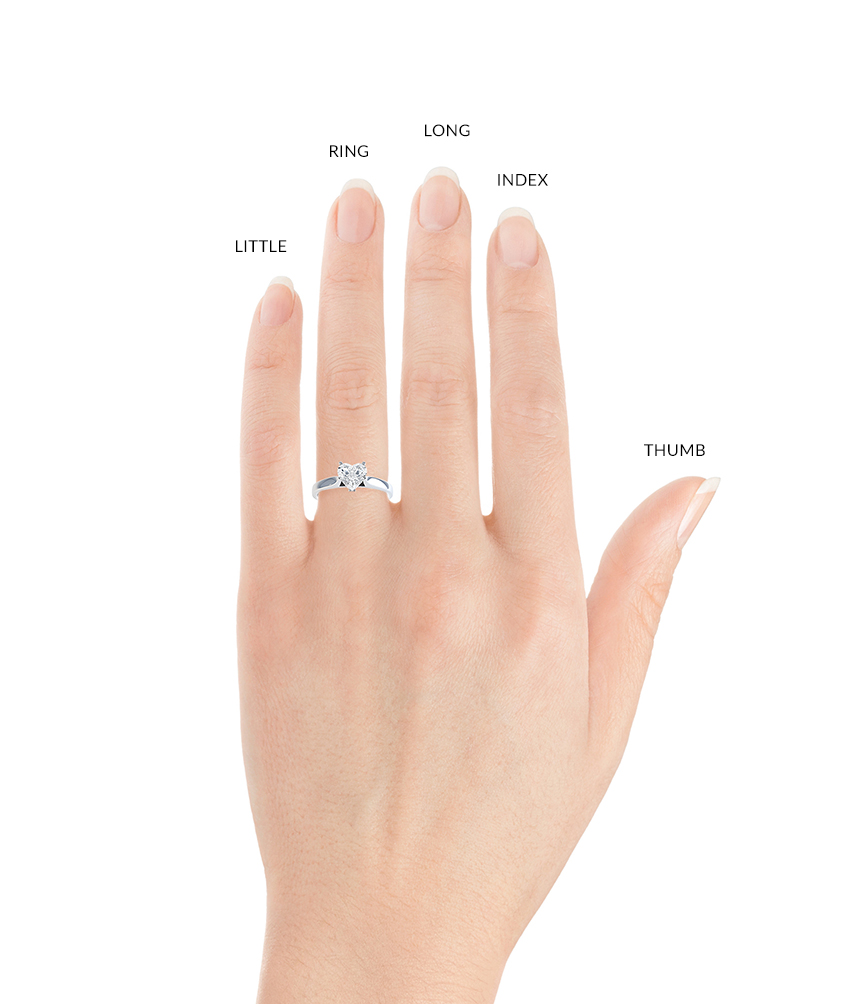
From a financial planning perspective, the widespread adoption of the left-hand tradition means that for individuals in these regions, adhering to it incurs no social or practical penalty. It aligns with societal expectations and avoids potential confusion. When couples are establishing their financial journey together, maintaining consistency with widely accepted social norms can simplify certain aspects of life, allowing them to focus on more complex financial decisions. The ring on the left hand becomes a familiar symbol of a committed partnership that is understood and recognized by their community.
The Right Hand: Embracing Alternative Traditions and Personal Meaning
Conversely, in several countries, particularly in Eastern Europe (such as Russia, Poland, and Ukraine) and parts of Latin America, the right hand is the traditional choice for wedding rings. This preference is often linked to religious beliefs or distinct cultural histories. For example, in some Orthodox traditions, the right hand is considered the hand of blessing, making it a fitting choice for a symbol of a holy union.
The growing global interconnectedness and increased travel and migration have led to a greater awareness and acceptance of diverse traditions. For some couples, choosing the right hand is a deliberate embrace of their heritage or a personal statement against established norms. It can be a way to honor a particular cultural background or to express a unique approach to marriage.
Financially, the choice to wear a ring on the right hand is generally inconsequential. However, it’s worth noting that in some cultures where the right hand is the norm, using the left hand might be perceived as unusual. This could lead to minor social interactions or questions, but it rarely has any direct financial impact. The financial strength of a marriage is built on communication, shared goals, and sound management, not on the specific finger adorned with a ring. For couples from these regions, choosing the right hand is as natural and unproblematic as choosing the left is for others.
The Freedom of Choice: Modern Couples and Personal Significance
In today’s increasingly individualistic society, many couples are choosing to make their wedding ring placement a matter of personal preference, often discussed and decided upon together. This could be influenced by a variety of factors:
- Dominant Hand Preference: Some individuals prefer to wear their rings on their non-dominant hand to avoid potential damage or discomfort during daily activities, regardless of cultural norms.
- Family Traditions: A couple might choose to follow a specific family tradition, whether it’s from one side or the other, or even create their own hybrid approach.
- Aesthetic and Comfort: The fit and feel of a ring on a particular finger might influence the decision. Some find a ring more comfortable or visually appealing on a different finger.
- Symbolic Meaning: The decision might be imbued with a personal symbolic meaning that resonates uniquely with the couple, independent of historical or cultural interpretations.
From a financial planning perspective, this freedom of choice underscores the principle of informed decision-making. Just as couples must make informed choices about their investments, insurance, and budgeting, they also have the agency to make personal decisions that reflect their values and preferences. The act of discussing and agreeing on ring placement can be a small but significant exercise in marital communication and compromise, skills that are vital for navigating more complex financial discussions and decisions. The shared understanding and mutual respect involved in this personal choice can lay a strong foundation for shared financial responsibility.
The Ring as a Symbol of Shared Financial Goals and Commitment
Regardless of which hand or finger a wedding ring adorns, its primary role remains that of a potent symbol of commitment, love, and partnership. In the context of personal finance, this symbolism extends to the shared aspirations and responsibilities that a married couple undertakes.
Building a Financial Future Together
A wedding ring is often worn by individuals who are embarking on a shared journey, which prominently includes building a financial future together. This journey involves joint decision-making, shared sacrifices, and collective goal-setting. Whether it’s saving for a down payment on a house, planning for retirement, or navigating the expenses of raising a family, the ring serves as a constant, visible reminder of this shared endeavor.
The act of wearing a wedding ring can subtly influence financial behavior. It can foster a greater sense of accountability towards one’s partner, potentially leading to more responsible spending habits and a stronger commitment to collective financial goals. The idea that one is not just managing their own money but also contributing to a shared pool of resources and future security can be a powerful motivator. This is akin to the diligence required in managing joint investment portfolios, where the success of one is intertwined with the success of the other.
The Ring as a Reminder of Financial Resilience and Support
Marriage is not only about shared joys but also about navigating challenges, and financial difficulties can be significant stressors. In times of economic uncertainty, job loss, or unexpected expenses, the wedding ring can serve as a tangible symbol of the unwavering support and commitment between partners. It’s a reminder that they are in this together, and that they can rely on each other for emotional and, often, financial fortitude.
The shared commitment symbolized by the ring encourages open communication about financial matters, even when they are difficult. Couples who feel secure in their partnership, as represented by their rings, are more likely to discuss debt, budget shortfalls, or investment risks openly, allowing them to tackle problems collaboratively rather than in isolation. This mutual support and shared problem-solving are critical components of building long-term financial resilience.

Stewardship and Legacy: A Financial Perspective
Beyond immediate financial management, the wedding ring can also symbolize the couple’s role as stewards of their resources, with a view towards building a legacy for future generations. This could involve planning for inheritance, charitable giving, or simply leaving a stable financial foundation for their children. The ring, a symbol of enduring commitment, can inspire a similar commitment to long-term financial planning and responsible wealth management.
The decision of which hand to wear the wedding ring on, while seemingly minor, is a personal one with a rich history. From the romantic notion of the vena amoris to the practical considerations of everyday life and the evolving landscape of personal choice, each placement carries its own significance. Ultimately, the true value of a wedding ring lies not in its position, but in the profound commitment and shared journey it represents – a journey that, for many, is deeply intertwined with the pursuit of financial security and shared prosperity.
aViewFromTheCave is a participant in the Amazon Services LLC Associates Program, an affiliate advertising program designed to provide a means for sites to earn advertising fees by advertising and linking to Amazon.com. Amazon, the Amazon logo, AmazonSupply, and the AmazonSupply logo are trademarks of Amazon.com, Inc. or its affiliates. As an Amazon Associate we earn affiliate commissions from qualifying purchases.