
In the professional world of salon-grade hair coloring, the industry relies on a standardized numbering system to ensure consistency, predictability, and precise color results. When a client or a stylist refers to the number “2” in the context of hair color, they are specifically speaking about the deepest end of the natural level system. Understanding this numerical language is the foundation of professional color theory and essential for any brand positioning itself as an authority in the beauty and personal grooming industry.
The International Level System and the Number 2
The hair color level system is a universal language used by manufacturers to categorize the depth of natural hair color. This scale typically ranges from 1 to 10, with 1 representing the darkest possible shade and 10 representing the lightest, palest blonde.

Defining Level 2
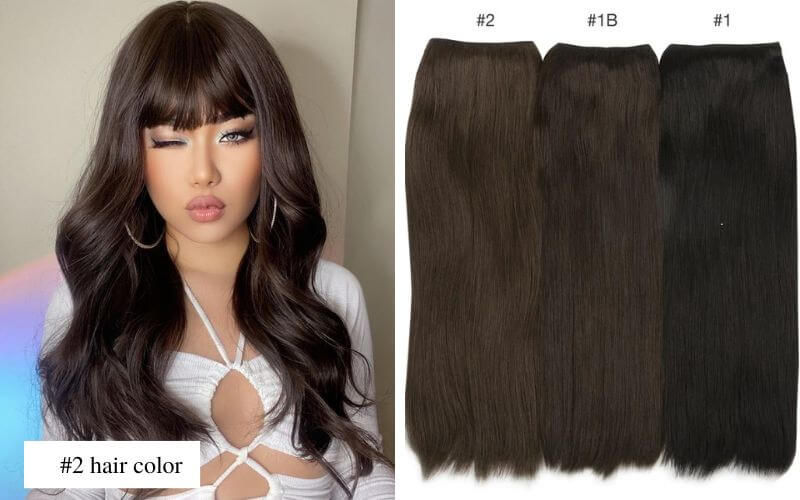
Level 2 is classified as “Black” or “Darkest Brown.” While the casual observer might perceive level 2 as jet black, in color theory, a level 1 is considered “Blue-Black” or “Absolute Black,” which contains no visible warmth or undertones. Level 2, by comparison, is a very dense, deep dark brown. It is often described as having the richness of espresso or dark midnight charcoal.
Why the Numbering Matters for Brand Consistency
For professional hair care brands, maintaining these definitions is a matter of corporate identity and consumer trust. When a customer purchases a box of “Level 2” dye, they expect the result to align with the industry standard. If a brand’s level 2 leans too far into brown or too far into black, it creates a discrepancy in the user experience. Achieving brand loyalty in the beauty sector requires that a company’s color charts be scientifically accurate and replicable across different hair types and porousness levels.
The Chemistry Behind Dark Pigmentation
To understand level 2, one must delve into the science of melanin. Human hair contains two primary types of melanin: eumelanin and pheomelanin. Eumelanin is responsible for brown and black pigments, while pheomelanin contributes to red and yellow tones.
High Eumelanin Concentration
Level 2 hair is characterized by a very high concentration of eumelanin. This density is what provides the hair with its deep, light-absorbing qualities. From a chemical manufacturing standpoint, formulating a level 2 permanent color requires a precise balance of oxidative dyes. Because level 2 is so dark, the challenge for manufacturers is to create a pigment that appears deep and rich without resulting in an “opaque” or “flat” plastic-like appearance.
The Role of Undertones
When a professional stylist works with a level 2 base, they must account for the underlying pigment that will inevitably be exposed if the hair is lightened. As a level 2 undergoes the lifting process, it travels through a series of “warm” stages—red, red-orange, and orange. Marketing a product for level 2 hair requires brands to provide educational collateral that explains these chemical transitions to the consumer, reinforcing the brand’s role as an expert advisor rather than just a product provider.
Strategic Marketing of Darker Shades

Within the beauty industry, marketing shades that sit at the level 1 and level 2 mark requires a specific strategy that emphasizes sophistication, depth, and health. Unlike lighter shades that are often marketed through “brightness” or “sun-kissed” imagery, level 2 is marketed through the lens of luxury and intensity.
Positioning Level 2 as a Premium Choice
Brands often use words like “Raven,” “Midnight,” “Obsidian,” or “Deep Espresso” to describe level 2 shades. This elevates the consumer’s perception of the product. Corporate branding strategies for these shades frequently involve minimalist design, high-contrast imagery, and associations with timeless elegance. By positioning level 2 as a high-fashion choice rather than just a “black dye,” brands can command higher price points and increase their profit margins on what is essentially a staple, high-demand product.
Educational Content as Brand Strategy
One of the most effective ways to build a brand in the professional color space is through comprehensive digital education. Since level 2 is the starting point for many chemical services, brands that provide tutorials on how to color-correct, tone, or transition away from level 2 position themselves as thought leaders. By creating content that addresses the common pain points—such as the difficulty of lifting out black dye or how to maintain the shine of dark hair—companies foster a community of informed consumers who trust the brand’s technical efficacy.
Technical Applications and Salon Integration
From a professional standpoint, level 2 serves as a critical anchor in the colorist’s toolkit. It is the canvas upon which depth and dimension are often built.
The Art of Dimension
Rarely do top-tier colorists apply a flat level 2 dye without considering depth. A professional approach often involves “lowlighting,” where level 2 or 3 tones are woven into lighter hair to create the illusion of thickness and shadow. This technical skill—the ability to manipulate levels—is what separates a commodity-grade salon experience from a luxury one. Brands that supply these products must ensure their level 2 formulas are blendable, allowing for subtle transitions that look natural under various lighting conditions.
Addressing Gray Coverage
A significant portion of the market for level 2 products consists of consumers looking to cover gray or white hair. Level 2 is an incredibly effective tool for gray coverage due to its high pigment density. From a corporate product development perspective, this means the formula must have a robust enough “base” (usually a neutral or warm tone) to ensure that when the dye hits gray hair, it does not turn an unwanted shade of green or blue. Mastering the “neutralization” aspect of a level 2 formula is a benchmark for quality in the professional hair care industry.
Future Trends in Dark-Level Formulations
As the industry shifts toward “clean beauty” and high-performance synthetic alternatives, the formulation of level 2 dyes is evolving. We are seeing a move away from harsh ammonia-based formulas toward oil-based delivery systems and high-pigment plant-based dyes.
Sustainability and Pigment Longevity
Modern consumers are increasingly concerned with the sustainability of their beauty products. Future-proofing a color brand means investigating how to achieve the intensity of a level 2 without compromising the structural integrity of the hair fiber. This requires investment in R&D to develop dyes that anchor to the cuticle more effectively, reducing the frequency of color applications and thereby appealing to the eco-conscious consumer.
Data-Driven Personalization
With the rise of AI in beauty, we are seeing the emergence of hyper-personalized color formulas. Brands that integrate digital tools—allowing users to scan their hair and receive a recommendation for exactly how to mix a level 2 dye to match their unique undertones—will dominate the market share. By leveraging the level system as a standardized data point, companies can bridge the gap between digital interaction and physical product performance, creating a seamless omnichannel experience.
In summary, while the number “2” may appear simple on the surface, it represents a sophisticated intersection of chemistry, color theory, and strategic branding. Whether it is being used to define a product line, educate a consumer base, or formulate a new salon-grade treatment, level 2 remains one of the most critical variables in the professional hair care economy. Understanding its nuances is not just a technical requirement—it is a competitive necessity for any brand aiming to lead in the modern beauty landscape.
aViewFromTheCave is a participant in the Amazon Services LLC Associates Program, an affiliate advertising program designed to provide a means for sites to earn advertising fees by advertising and linking to Amazon.com. Amazon, the Amazon logo, AmazonSupply, and the AmazonSupply logo are trademarks of Amazon.com, Inc. or its affiliates. As an Amazon Associate we earn affiliate commissions from qualifying purchases.