
Selecting the optimal guitar strings for an acoustic instrument is less about personal preference and more about understanding the intricate interplay of material science, engineering specifications, and acoustic physics. Far from a simple accessory, strings are a crucial component that profoundly influences an instrument’s sonic output, playability, and longevity. This technical deep dive explores the various technologies, materials, and design considerations that define the performance characteristics of acoustic guitar strings, guiding enthusiasts and professionals towards an informed selection.
The Technical Anatomy of Acoustic Guitar Strings
Acoustic guitar strings are precision-engineered systems designed to convert mechanical vibration into complex sound waves. Their construction involves several critical elements, each contributing significantly to the string’s overall performance profile.
Core Materials and Winding
The foundation of an acoustic guitar string is its core wire. The most prevalent core geometry is the hexagonal core, offering a superior grip for the outer winding wire, which prevents slippage and enhances tuning stability. This design ensures consistent tension and a more focused tone. While less common for acoustic guitars, round cores provide a more flexible string with a slightly different vibrational pattern, often favored for vintage tones due to their historically accurate construction and characteristic sustain.
The winding wire, typically wrapped tightly around the core, is where much of a string’s unique sonic signature originates. The tightness and consistency of this winding are paramount; advanced manufacturing techniques ensure uniform tension and minimal micro-gaps, which could otherwise introduce undesirable overtones or dampening.
Gauges: Precision in Playability
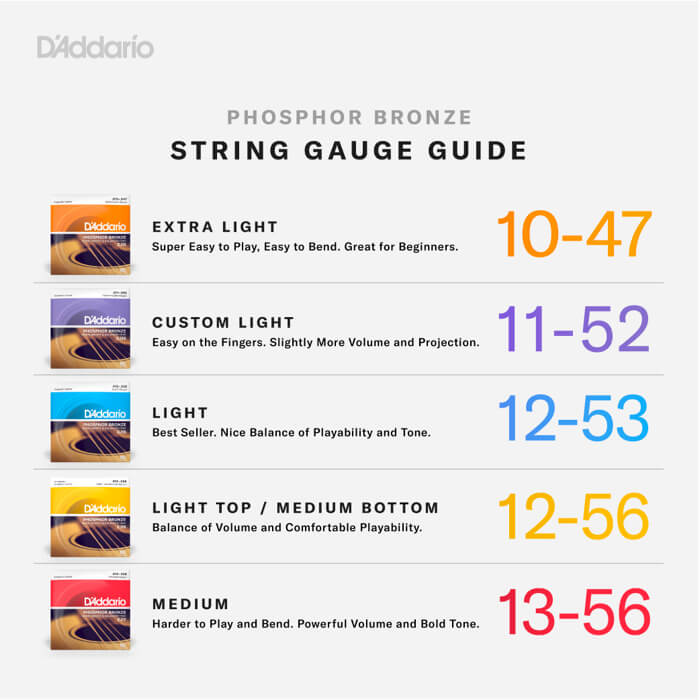
String gauge refers to the diameter of each string, measured in thousandths of an inch. A comprehensive set typically ranges from “extra light” (.010-.047) to “heavy” (.014-.059), with numerous variations in between. This seemingly minor difference in diameter has profound implications for an instrument’s performance:
- Tension: Heavier gauge strings exert greater tension on the guitar neck. This increased tension often translates to higher volume and greater sustain, as the string has more mass to vibrate. However, it also demands more finger strength for fretting and bending notes. Lighter gauges are easier to play, reducing finger fatigue, but may offer less projection.
- Tone: Generally, heavier gauges produce a richer, fuller, and often brighter tone with more pronounced bass frequencies. Lighter gauges tend to yield a thinner, more delicate sound, which can be desirable for intricate fingerstyle playing or instruments with a naturally resonant top.
- Intonation and Action: Optimal string gauge selection can influence a guitar’s action (string height above the fretboard) and intonation. Heavier strings, with their greater tension, can sometimes necessitate minor adjustments to the neck relief or saddle height to maintain ideal playability and accurate pitch across the fretboard.
Coating Technologies for Enhanced Durability
The most significant technological advancement in guitar strings over the past few decades has been the introduction of advanced coating polymers. These ultra-thin layers are applied to the winding wire, sometimes even the core, to create a barrier against corrosive elements. The primary technical benefits include:
- Corrosion Resistance: Human sweat, skin oils, and atmospheric moisture are highly corrosive to string metals. Polymer coatings, often applied using proprietary nanotechnology processes, significantly reduce the rate of oxidation and buildup of grime, extending string life by several multiples.
- Tone Preservation: Uncoated strings rapidly lose their brightness and clarity as corrosion accumulates, dampening their vibrational efficiency. Coated strings maintain their original tonal characteristics for much longer, providing a more consistent playing experience.
- Reduced Finger Noise: Some players report that coated strings produce less “squeak” or finger noise when sliding across the fretboard, a desirable acoustic property for recording or live performance.
While early generations of coated strings sometimes faced criticism for a perceived reduction in brightness or a “slippery” feel, modern coating technologies have largely overcome these issues, offering near-transparent tonal characteristics and improved tactile feedback. Brands employ diverse polymer compounds and application methods, each with slightly different outcomes in terms of feel, flexibility, and sonic impact.
Deciphering Tonal Signatures: Material Science in Action
The choice of metal alloy for the winding wire is the single most defining factor for an acoustic string’s inherent tonal properties. Each alloy possesses unique metallurgical and acoustic characteristics.

Bronze Alloys: The Brightness Equation
The most common and historically significant alloy for acoustic guitar strings is 80/20 Bronze, also known as “Brass” or “Bronze” strings. This alloy consists of 80% copper and 20% zinc.
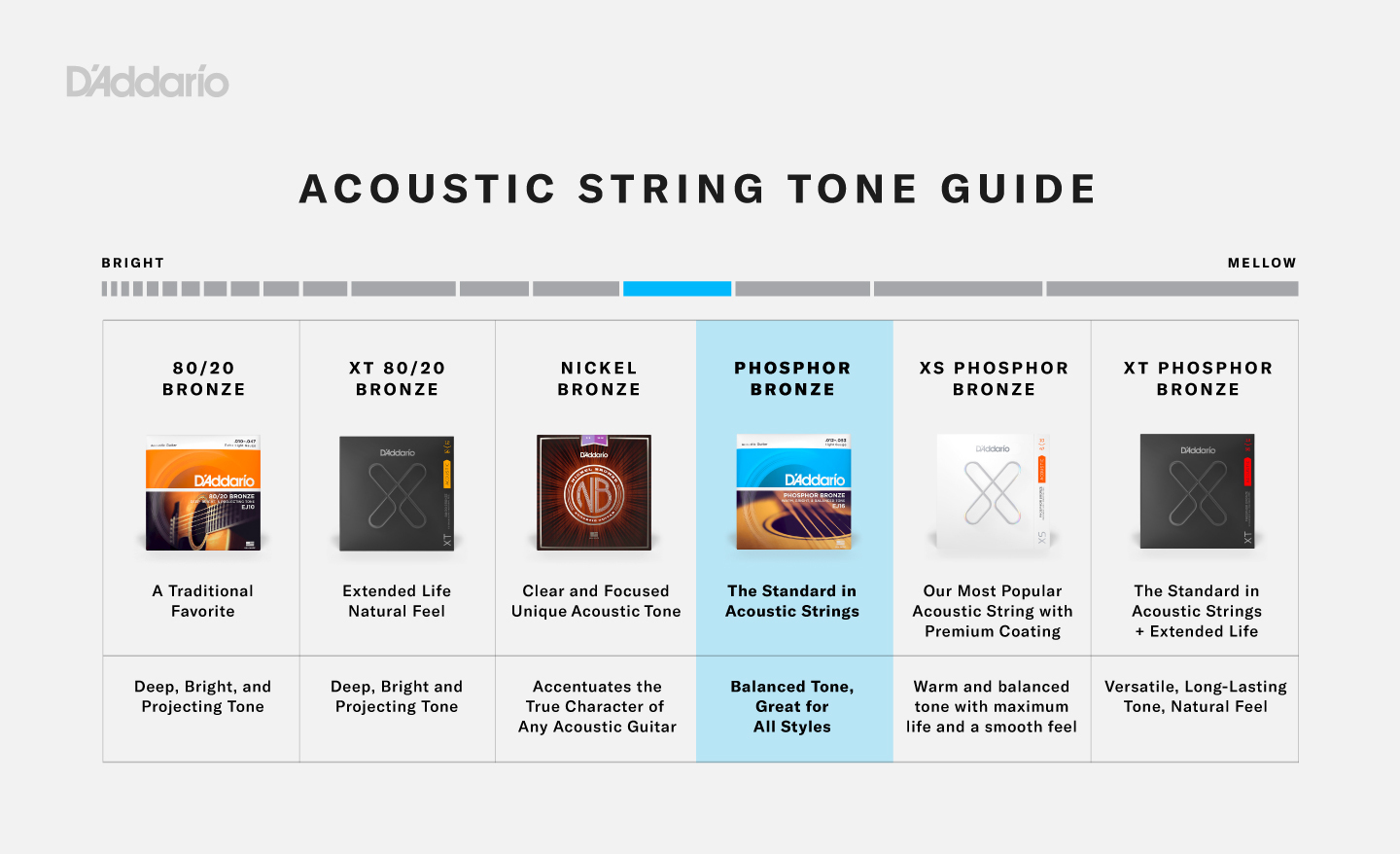
- Technical Profile: 80/20 Bronze strings are renowned for their vibrant, bright, and cutting tone. The higher zinc content contributes to a more pronounced high-frequency response. This makes them particularly effective for guitars that might otherwise sound dull or for players seeking a very articulate and sparkling sound.
- Acoustic Properties: They offer excellent projection and a strong initial attack. However, due to their zinc content, they are more susceptible to oxidation and corrosion, meaning their bright tone tends to degrade more quickly than other alloys if left unprotected.
Phosphor Bronze: Warmth and Longevity
Introduced in the 1970s, Phosphor Bronze strings quickly gained popularity for their balanced tone and extended lifespan. This alloy typically consists of 92% copper and 8% tin, with a small addition of phosphorus.
- Technical Profile: The inclusion of tin and phosphorus provides greater resistance to corrosion compared to 80/20 Bronze. This metallurgical advantage translates directly into a longer-lasting string that maintains its tonal integrity for an extended period.
- Acoustic Properties: Phosphor Bronze strings are characterized by a warmer, richer, and more mellow tone than 80/20 Bronze. They offer a balanced frequency response, with a strong mid-range presence and sweet, resonant overtones. This makes them a versatile choice suitable for a wide array of musical genres and ideal for guitars that benefit from added warmth and complexity.
Other Materials: Exploring Nuances
While 80/20 and Phosphor Bronze dominate the market, other specialized alloys are engineered for specific tonal palettes:
- Nickel-Plated Steel/Pure Nickel (for acoustic electric): Often found on guitars designed primarily for amplification, these strings offer a smoother feel and a warmer, less metallic tone, complementing magnetic pickups. Their acoustic projection is typically less than bronze alloys.
- Silk and Steel (Composite): These strings feature a silk or nylon filament wrapped around the steel core before the outer winding. This composite construction drastically reduces string tension, offering exceptional playability and a very mellow, subdued tone. They are ideal for vintage instruments with delicate bracing or for players seeking a softer acoustic voice.
Optimizing for Performance: Matching Strings to Style and Instrument
The “best” string is a relative term, representing an optimized match between the string’s technical characteristics, the player’s ergonomic requirements, and the instrument’s inherent acoustic properties. This optimization process can be approached systematically.
Genre-Specific Considerations
- Fingerstyle Jazz/Classical: Players often prioritize warmth, sustain, and precise articulation. Phosphor Bronze, or even composite silk and steel strings, in lighter to medium gauges, can provide the necessary tonal nuance and ease of play.
- Bluegrass/Folk (Strumming): High volume, bright attack, and powerful projection are key. Medium to heavy gauge 80/20 Bronze strings, particularly with advanced coatings, can cut through a mix effectively.
- Singer-Songwriter (Versatile): A balanced tone that supports vocals without overpowering them is crucial. Medium gauge Phosphor Bronze strings offer versatility, providing both warmth for chords and clarity for melodic lines.
Instrument Voicing and Resonance
Every acoustic guitar possesses a unique sonic signature, influenced by its tonewoods, bracing patterns, body size, and construction.
- Bright Guitars (e.g., Maple back & sides, Spruce top): To balance a naturally bright instrument, Phosphor Bronze strings can add warmth and depth, rounding out the high-end.
- Warm Guitars (e.g., Mahogany back & sides, Cedar top): Conversely, 80/20 Bronze strings can enhance the clarity and sparkle, preventing the tone from becoming overly dark or muddy.
- Smaller Body Guitars (e.g., Parlor, Concert): These instruments often benefit from lighter gauge strings to prevent over-tensioning the top and to allow it to vibrate more freely, maximizing their inherent resonance.
Maintenance and Longevity: Extending Your String’s Tech Life
Even the most technologically advanced strings require proper care to maintain their peak performance and maximize their operational lifespan.
Cleaning Protocols
After each playing session, wiping down strings with a clean, dry micro-fiber cloth removes sweat, skin oils, and environmental residues. Specialized string cleaners, typically formulated with non-corrosive solvents, can further enhance longevity by dissolving stubborn grime without damaging the string’s metallurgy or coatings.
Storage and Environmental Factors
Extreme fluctuations in temperature and humidity can accelerate string degradation and even affect string tension. Storing guitars in environments with stable climate control and utilizing humidity packs can protect both the instrument and the strings from premature wear. For replacement string sets, keeping them sealed in their original, often hermetically sealed, packaging prevents oxidation before installation.
The Future of Acoustic String Technology
Research and development in acoustic string technology continue to push boundaries. Innovations are focusing on areas such as:
- Advanced Alloy Development: Exploring novel metal composites and rare earth elements to achieve previously unattainable tonal characteristics and extended lifespan without relying solely on coatings.
- Smart Materials: Incorporating materials with piezoelectric properties or other active elements that could dynamically adjust tension or dampening, potentially leading to self-tuning or adaptive tonal strings.
- Sustainable Manufacturing: Developing more environmentally friendly production processes and recyclable string materials to address ecological concerns.
The quest for the “best” acoustic guitar strings is an ongoing journey through materials science, precision engineering, and acoustic optimization. By understanding the technical specifications and their real-world implications, players can select components that not only enhance their playing experience but also unlock the full sonic potential of their instrument.
aViewFromTheCave is a participant in the Amazon Services LLC Associates Program, an affiliate advertising program designed to provide a means for sites to earn advertising fees by advertising and linking to Amazon.com. Amazon, the Amazon logo, AmazonSupply, and the AmazonSupply logo are trademarks of Amazon.com, Inc. or its affiliates. As an Amazon Associate we earn affiliate commissions from qualifying purchases.