
When the name Brian May is mentioned, an unmistakable sound springs to mind – the soaring, operatic guitar solos that defined Queen’s legendary anthems. But behind that distinctive tone lies an equally iconic instrument, a guitar that isn’t just a tool but a veritable extension of the artist himself: the Red Special. This isn’t a tale of a typical artist endorsing a mass-produced instrument. Instead, the story of Brian May’s guitar is a testament to ingenuity, meticulous craftsmanship, and a deep understanding of how technology and individual vision can converge to create something truly extraordinary.
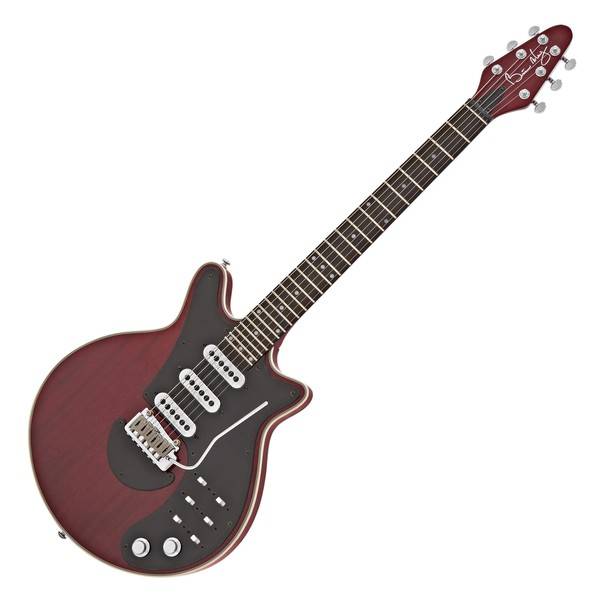
While the title “What Guitar Does Brian May Play?” might seem straightforward, delving into the Red Special reveals a narrative far richer than a simple brand name. It’s a story that resonates deeply with the core tenets of our website: the power of Tech to innovate, the enduring strength of a unique Brand, and the often-unseen Money involved in creating and sustaining artistic legacies.
The Genesis of an Icon: A Tech Masterclass in DIY
The Red Special is not a Gibson, a Fender, or any commercially produced guitar. It is, in essence, a handcrafted masterpiece, born from necessity, passion, and an astonishingly forward-thinking application of available technology. Brian May, alongside his father, Harold May, embarked on a project when Brian was just a teenager in the early 1960s. Their goal was to build a guitar that could rival, and even surpass, the professional instruments of the era, all within a remarkably limited budget. This endeavor was a profound exercise in Tech exploration, utilizing repurposed materials and ingenious engineering.
From Scrapheap to Sonic Marvel: The Materials and Mechanics
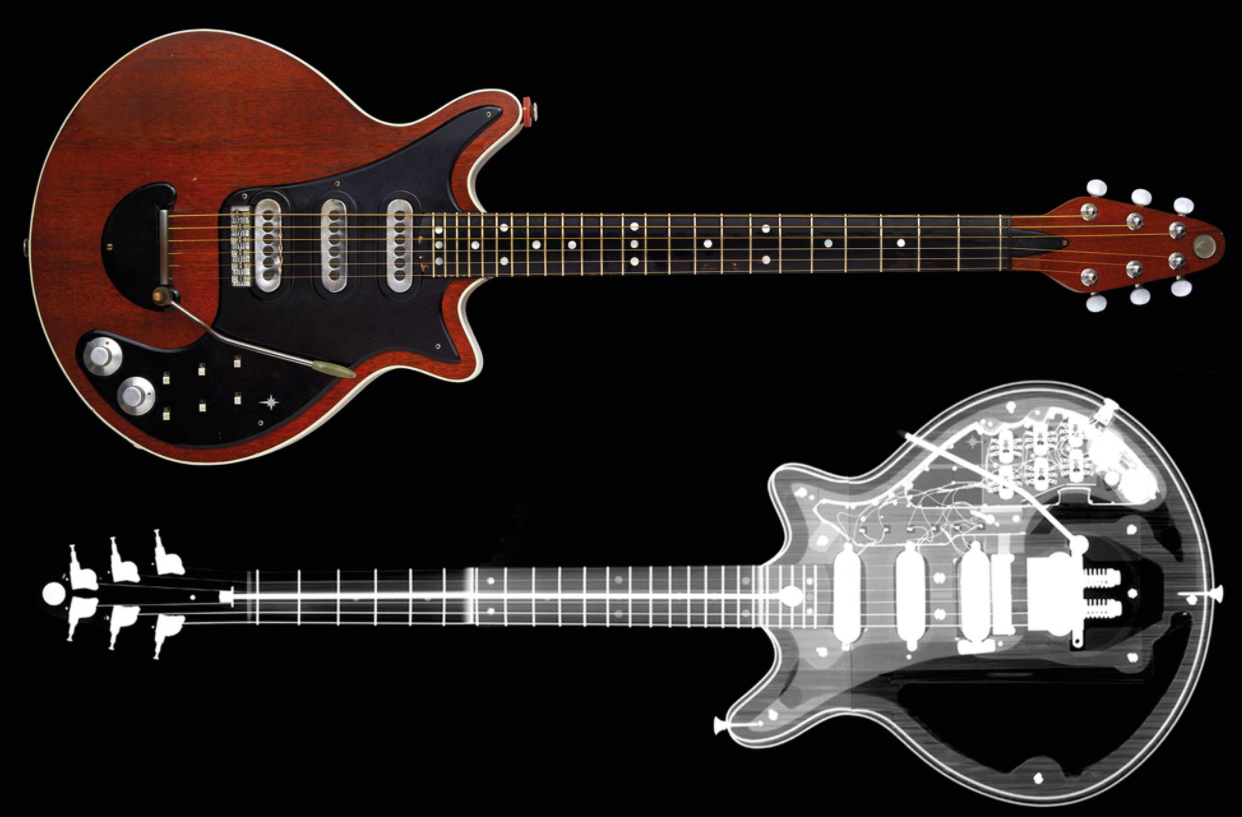
The very foundation of the Red Special is a testament to their resourcefulness. The neck was carved from the fireplace mantelpiece of an old Victorian house, chosen for its rich, aged mahogany, believed to possess superior tonal qualities. The body was constructed from a piece of oak, also salvaged, with a core of solid blockboard for stability and resonance. This wasn’t simply about saving money; it was a deliberate choice to experiment with materials known for their acoustic properties.
The Tech involved in shaping these raw materials was rudimentary by today’s standards but executed with remarkable precision. Hand tools, meticulous measurement, and a deep understanding of woodworking were paramount. The fretboard, for instance, was made from an old, discarded piano, its ivory key tops painstakingly cut and shaped for the frets. This attention to detail, a hallmark of true craftsmanship, allowed them to achieve a level of playability and intonation that was exceptional for a homemade instrument.
The Electronics: A Symphony of Innovation
Where the Red Special truly showcases its pioneering Tech is in its unique electronics. Brian May, with his background in physics, approached the guitar’s circuitry with a scientist’s mind. The instrument features three specialized single-coil pickups, each wired with its own on/off and phase-reverse switch. This seemingly simple innovation offers an astonishing array of tonal possibilities. By selectively engaging and reversing the phase of these pickups, May can generate a vast spectrum of sounds, from the biting attack of a Stratocaster to the thick, sustain-rich roar of a Les Paul, and sounds entirely unique to the Red Special.
This modular approach to pickup switching was incredibly advanced for its time. It allowed for unprecedented control over the guitar’s sonic output, pre-dating many commercially available switching systems that would emerge years later. The wiring itself was a complex undertaking, involving intricate soldering and a deep understanding of electrical circuits. The goal wasn’t just to make noise; it was to sculpt sound with an engineer’s precision, a concept that resonates strongly with modern Tech trends in customizable audio interfaces and digital signal processing.
The Red Special as a Brand: Beyond the Instrument
The Red Special is more than just a guitar; it is the central pillar of Brian May’s artistic Brand. Its unique appearance, its story of creation, and the inimitable sound it produces are all intrinsically linked to his identity as a musician. In the world of personal branding and corporate identity, consistency and authenticity are key, and the Red Special embodies both.
The Visual Identity: A Palette of Red and Gold
The striking crimson hue of the Red Special, a result of the dyes used in its creation, has become an instantly recognizable visual identifier. Coupled with the intricate binding and the overall, slightly unconventional aesthetic, the guitar is as visually iconic as the music it produces. This visual distinctiveness is crucial for Brand recognition. Think of other legendary artists and their signature instruments – Jimi Hendrix and his Stratocaster, BB King and “Lucille.” The Red Special occupies a similar space, becoming synonymous with Brian May’s persona.
The choice of colors and materials wasn’t purely functional; it contributed to the guitar’s unique character and ultimately, to May’s Brand as an artist who eschewed the ordinary. This meticulous attention to visual identity, from the instrument to his stage presence, has cemented his place in music history. It’s a case study in how a singular, well-defined element can become a powerful symbol, reinforcing the artist’s message and leaving an indelible mark on the audience.
The Sonic Signature: A Brand’s Unique Voice
The sound of the Red Special is arguably its most potent Brand asset. Brian May’s guitar playing is characterized by its melodic sensibility, its sustain, and its rich, harmonically complex tone. This unique sonic signature is not solely attributable to his skill; the Red Special plays an indispensable role. The way the instrument interacts with his amplifier (often a treble booster and a Vox AC30) and his distinctive finger vibrato creates a sound that is instantly identifiable as Brian May.
In marketing and Brand strategy, having a unique selling proposition (USP) is vital. For Brian May, the Red Special and its resulting sound are his ultimate USP. It’s not just another guitar tone; it’s the Brian May tone. This consistency in sonic identity has allowed him to build a loyal fanbase who are drawn to the familiar, yet always surprising, sounds of his instrument. This is a powerful lesson for any brand: cultivate your unique voice and ensure it is consistently delivered.
Case Study: The Enduring Appeal of Authenticity
The Red Special is a perfect Case Study in the power of authenticity in Brand building. In an era where many musicians are associated with sleek, mass-produced signature models, May’s dedication to his homemade instrument speaks volumes. It demonstrates a commitment to his craft, a rejection of conventional pathways, and a deep personal connection to his tools. This authenticity resonates with audiences on a profound level, fostering a deeper appreciation for his artistry. It’s not just about playing notes; it’s about the narrative and the unwavering dedication that lie behind them.
The Financial Tapestry: Investment, Legacy, and the Red Special’s Value
The story of the Red Special also offers fascinating insights into the Money aspect of music creation and artistic legacy. While initially built on a shoestring budget, the instrument has become an invaluable asset, both artistically and, arguably, financially.
The “Investment” in Time and Skill
The initial “cost” of the Red Special wasn’t measured in dollars but in countless hours of labor, meticulous planning, and the acquisition of specialized skills. Brian May and Harold May invested their time, expertise, and ingenuity – forms of capital that are often overlooked but are crucial in the creation of unique value. This is akin to the early stages of many successful startups or Side Hustles, where the primary investment is human capital and dedication.
The Money saved by building the guitar themselves was significant, allowing Brian to access a professional-grade instrument without the prohibitive cost of buying one off the shelf. This early financial pragmatism, coupled with a willingness to invest in learning and experimentation, laid the groundwork for a career defined by sonic excellence.
The Value of a Unique Asset
While it’s difficult to put a precise monetary figure on the Red Special itself, its value is undeniable. It is a priceless artifact of music history, an instrument that has shaped the sound of one of the world’s most beloved bands. Its value extends beyond the tangible; it lies in its historical significance, its artistic impact, and its unique provenance.
For collectors and enthusiasts, a “Brian May replica” or even an instrument built with similar artisanal principles can command significant prices. This demonstrates the economic ripple effect of exceptional craftsmanship and a compelling narrative. The Money invested in creating something truly unique and authentic can, in turn, generate substantial cultural and, indirectly, financial value.
The Business of Legacy: Replicas and Endorsements
Over the years, Brian May, recognizing the immense interest in his guitar, has collaborated with manufacturers like Brian May Guitars and Burns Guitars to produce authorized replicas. This is a shrewd business move that leverages his Brand and the enduring appeal of the Red Special. These replicas allow a wider audience to experience a taste of May’s iconic sound and aesthetic, creating an additional revenue stream and further solidifying his legacy.
This aspect touches upon Brand licensing and the monetization of artistic intellectual property. The Money generated from these ventures not only supports May’s ongoing musical career but also helps preserve and propagate the legacy of the Red Special, ensuring its influence continues to be felt for generations to come. It’s a sophisticated interplay between artistic creation and commercial enterprise, demonstrating how even the most personal of creations can have a significant financial dimension.

Conclusion: A Symphony of Tech, Brand, and Money
The answer to “What guitar does Brian May play?” is not simply “the Red Special.” It’s a Red Special that represents a profound convergence of Tech, Brand, and Money. It’s a testament to the power of innovation through accessible technology, the enduring strength of an authentic and distinctive artistic Brand, and the often-unseen financial considerations that underpin creative legacies. From its humble origins as a teenage project born from salvaged materials and a desire for sonic excellence, the Red Special has become an undisputed icon, a living testament to Brian May’s genius and a story that continues to inspire musicians, engineers, and entrepreneurs alike. It’s a reminder that true innovation often lies in looking beyond the conventional, embracing resourcefulness, and crafting something that is not only functional but deeply personal and profoundly influential.
aViewFromTheCave is a participant in the Amazon Services LLC Associates Program, an affiliate advertising program designed to provide a means for sites to earn advertising fees by advertising and linking to Amazon.com. Amazon, the Amazon logo, AmazonSupply, and the AmazonSupply logo are trademarks of Amazon.com, Inc. or its affiliates. As an Amazon Associate we earn affiliate commissions from qualifying purchases.