
Kroger’s expansive presence in the American grocery landscape is undeniable. While many consumers are familiar with the Kroger banner itself, the reality of its market dominance extends far beyond a single brand. The company operates a complex and strategically curated portfolio of grocery chains, each serving distinct regional markets, demographics, and consumer needs. Understanding this multi-brand strategy is crucial for grasping Kroger’s immense influence on the retail sector, its competitive positioning, and its impact on how Americans shop for food. This exploration delves into the various grocery chains under Kroger’s ownership, examining the strategic rationale behind this diversification and its implications for both consumers and the broader business landscape.
The Strategic Imperative of a Multi-Brand Approach
Kroger’s decision to acquire and operate a diverse array of grocery store banners is not an arbitrary one. It is a cornerstone of its long-term business strategy, designed to maximize market penetration, cater to varied consumer preferences, and insulate itself from the hyper-competitive retail environment. This approach allows Kroger to effectively compete in different geographic regions and with distinct customer segments without diluting the brand equity of its flagship name.
Mitigating Market Saturation and Competition
The grocery industry is notoriously fragmented and intensely competitive. By owning multiple brands, Kroger can establish a significant footprint in markets where a single brand might struggle to gain traction or face overwhelming local competition. For instance, in a metropolitan area where a strong regional chain already commands loyalty, Kroger might acquire that chain rather than attempt to build a new Kroger-branded store from scratch. This acquisition strategy allows them to instantly inherit a customer base, established supply chains, and local market knowledge. Furthermore, operating different banners under one corporate umbrella can prevent direct cannibalization. If a customer prefers the specific offerings or shopping experience of, say, Ralphs, they will shop there rather than a potentially competing QFC or Fred Meyer, both of which are also Kroger-owned. This strategic segmentation ensures that Kroger captures a larger share of the overall grocery spending within a given market, even if individual brands are not directly competing against each other in the same consumer’s basket.
Catering to Diverse Consumer Needs and Preferences
Consumer tastes and shopping habits are far from monolithic. What appeals to a budget-conscious shopper in one region might be entirely different from the preferences of a shopper seeking premium organic products in another. Kroger’s multi-brand strategy is a sophisticated response to this reality. Each acquired or developed brand often carries its own unique value proposition, product assortment, pricing strategy, and store format. This allows Kroger to target a wider spectrum of consumers, from those seeking the lowest prices to those prioritizing convenience, specialty items, or a more upscale shopping experience. For example, a shopper looking for everyday essentials and value might gravitate towards a Food 4 Less banner, while another seeking a broader selection of natural and organic foods, along with household goods, might prefer a Fred Meyer. This careful calibration of brands ensures that Kroger can meet a broader array of consumer demands across its vast operational territory.
Leveraging Operational Synergies and Economies of Scale
While operating distinct brands, Kroger still benefits from significant operational synergies and economies of scale at the corporate level. Centralized functions such as procurement, distribution, technology infrastructure, and corporate governance can be leveraged across all its banners. This means that Kroger can negotiate better prices with suppliers due to the sheer volume of goods purchased across all its stores. Similarly, its sophisticated logistics and supply chain management systems can be applied to a wider network, optimizing efficiency and reducing costs. While the front-facing brands might appear independent, the back-end operations often share significant commonalities, leading to cost savings that can be reinvested in pricing, store improvements, or further brand development. This dual approach – distinct brand identities coupled with centralized operational efficiency – is a powerful driver of Kroger’s financial success.
A Glimpse into Kroger’s Diverse Grocery Portfolio
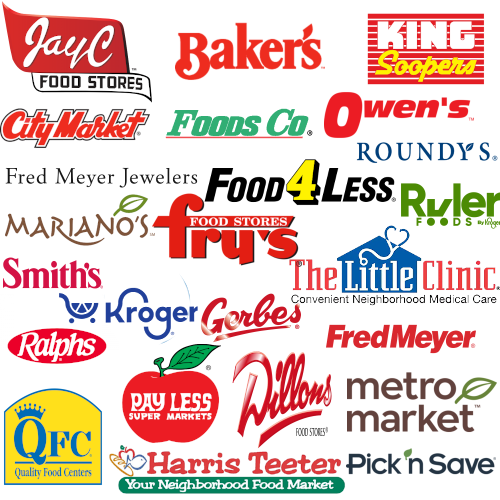
Kroger’s ownership extends across a remarkable number of grocery store banners, each with its own history, regional identity, and target audience. This diverse portfolio is a testament to its strategic acquisitions and organic growth over decades. Understanding the breadth of these brands provides a clearer picture of Kroger’s national retail footprint.
The Flagship: Kroger and Its Regional Counterparts
The Kroger banner itself is the largest and most recognizable. It operates primarily in the Midwest and Southern United States, known for its consistent value, wide selection, and strong private label offerings. However, Kroger’s ownership often manifests through brands that are regional extensions or historically significant local players.
- Kroger: The foundational brand, with a broad appeal, offering a full-service grocery experience.
- Dillons: A prominent banner in Kansas and surrounding areas, closely resembling the Kroger model in terms of product assortment and value.
- Fred Meyer: A unique “superstore” concept, particularly strong in the Pacific Northwest, that combines groceries with general merchandise, including apparel and electronics. This model aims to be a one-stop shop for families.
- King Soopers: The dominant Kroger banner in Colorado, known for its expansive stores and community focus.
- Ralphs: A long-standing and popular chain in Southern California, serving a diverse demographic with a wide range of products.
- Smith’s Food & Drug: Primarily serving Utah and surrounding states, it offers a comprehensive grocery selection alongside pharmacy services.
- QFC (Quality Food Centers): A more upscale grocery chain, primarily found in the Pacific Northwest, catering to consumers seeking premium products and a refined shopping experience.

Value-Oriented and Discount Brands
Recognizing the importance of price-sensitive consumers, Kroger also operates several banners that focus on delivering exceptional value and affordability. These brands often feature a more streamlined shopping experience, with a focus on essential items and competitive pricing.
- Food 4 Less: A warehouse-style discount grocer, operating in regions like California, Nevada, and Illinois. It emphasizes lower prices through a no-frills approach and bulk purchasing.
- Foods Co.: Similar to Food 4 Less, Foods Co. is a discount grocery chain primarily operating in California, offering aggressive pricing on a wide selection of staples.
Specialty and Niche Market Brands
Beyond the mainstream and discount segments, Kroger has strategically acquired and maintained brands that cater to more specific consumer preferences or geographic niches, often with a focus on quality or unique product offerings.
- Harris Teeter: A popular chain predominantly in the Southeastern United States, known for its strong customer service, high-quality private label products, and a blend of national brands and specialty items. It often targets a more affluent demographic seeking a superior shopping experience.
- Marianos: Operating primarily in the Chicago metropolitan area, Mariano’s positions itself as a premium grocery store offering a wide array of fresh foods, prepared meals, and specialty international items, alongside a strong emphasis on local sourcing.
- Pick ‘n Save: A Wisconsin-based chain that, while offering a broad grocery selection, often includes a significant emphasis on private label brands and value pricing, similar to other Kroger discount banners.
- Metro Market: Also located in Wisconsin, Metro Market is a more upscale counterpart to Pick ‘n Save, focusing on a wider selection of gourmet, organic, and specialty products, catering to a discerning customer base.
The Impact of Kroger’s Ownership on the Grocery Landscape
Kroger’s extensive reach and multi-brand strategy have a profound impact on the grocery industry, influencing competition, consumer choice, and operational standards across the nation. Its sheer scale allows it to shape market dynamics in ways that smaller competitors cannot.
Competitive Dynamics and Market Consolidation
Kroger’s aggressive acquisition strategy has been a significant factor in the consolidation of the grocery market. By acquiring established regional players, Kroger strengthens its market share and often reduces direct competition within those regions. This can lead to fewer independent grocery options for consumers in certain areas. However, it also forces remaining competitors to innovate and improve their offerings to stay relevant. The presence of a large, diversified operator like Kroger incentivizes other chains to enhance their own value propositions, whether through price, quality, customer service, or unique product assortments. This competitive pressure, while sometimes leading to consolidation, can ultimately benefit consumers by driving improvements across the industry.
Consumer Choice and Shopping Experience
While the underlying corporate ownership might be the same, the consumer experience at each Kroger-owned banner can be vastly different. This diversity of brands provides consumers with a spectrum of choices, allowing them to select the store that best aligns with their budget, lifestyle, and immediate needs. A shopper might visit a Fred Meyer for weekly groceries and household items, then opt for a QFC for a special occasion or a more curated selection of organic produce. This brand segmentation allows Kroger to capture a larger share of a consumer’s overall food budget by catering to different shopping missions. Furthermore, Kroger’s continuous investment in technology and store modernization across its banners, from self-checkout options to sophisticated loyalty programs, aims to enhance the overall shopping experience, regardless of the specific banner chosen.
Supply Chain and Private Label Dominance
The collective purchasing power of Kroger’s numerous banners allows it to wield significant influence over its supply chain. This scale enables them to negotiate favorable terms with national brands and, crucially, to develop and expand their own extensive private label offerings. Kroger’s private label brands, such as Simple Truth (organic and natural) and Private Selection (premium), are strategically positioned across its various banners to offer competitive alternatives to national brands, often at a lower price point. This dominance in private label production not only enhances Kroger’s profit margins but also provides consumers with more affordable, yet often high-quality, options, further shaping consumer purchasing habits and brand loyalty.
Conclusion: A Masterclass in Retail Strategy
Kroger’s ownership of a multitude of grocery chains is far more than a simple collection of stores; it is a meticulously crafted retail empire built on a foundation of strategic diversification and operational excellence. This multi-brand approach allows Kroger to navigate the complexities of the modern grocery market with remarkable agility, serving a vast array of consumer needs across diverse geographies. From its flagship Kroger banner to specialized chains like Harris Teeter and discount formats like Food 4 Less, each brand plays a vital role in the company’s overarching strategy to capture market share, foster customer loyalty, and drive profitability. By understanding the breadth and depth of Kroger’s brand portfolio, one gains a comprehensive appreciation for its enduring influence on how America shops for food and the intricate strategies that underpin success in the competitive world of retail.
aViewFromTheCave is a participant in the Amazon Services LLC Associates Program, an affiliate advertising program designed to provide a means for sites to earn advertising fees by advertising and linking to Amazon.com. Amazon, the Amazon logo, AmazonSupply, and the AmazonSupply logo are trademarks of Amazon.com, Inc. or its affiliates. As an Amazon Associate we earn affiliate commissions from qualifying purchases.