
The art of brewing coffee, particularly with a French Press, often belies a sophisticated interplay of variables, where technology, precision, and technique converge to create the perfect cup. While seemingly a simple immersion method, achieving an exceptional French Press brew hinges significantly on one critical technical parameter: the coffee grind. This isn’t merely about breaking down beans; it’s about a highly technical process of particle size distribution, uniformity, and the subsequent impact on extraction kinetics. In the realm of coffee, the grind isn’t just a step; it’s a foundational technological specification that dictates flavor, body, and clarity. Understanding and mastering this element, often with the aid of specific grinding technologies and precise methodologies, transforms a good cup into an extraordinary one.
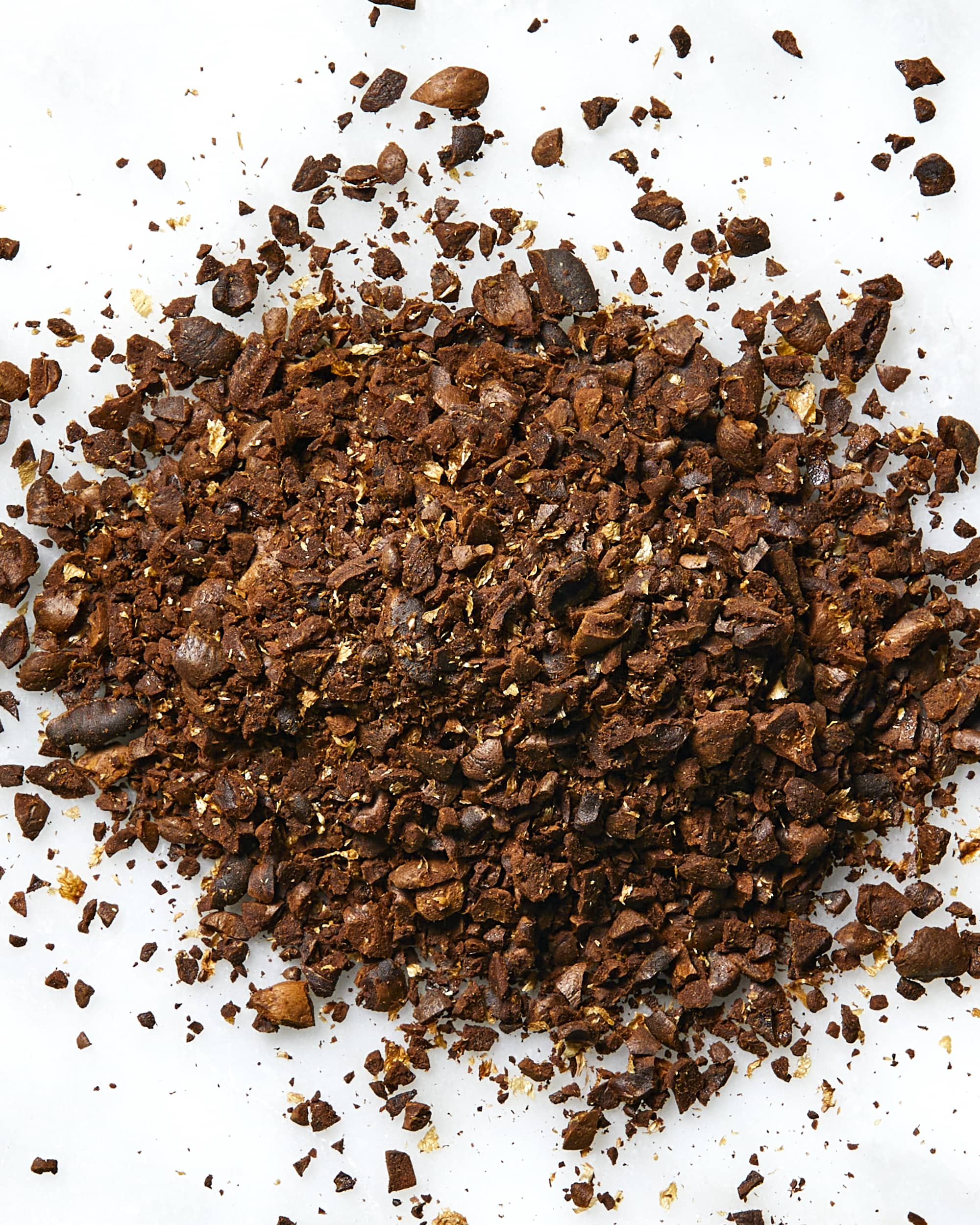
The Foundational Technology of French Press Brewing
At its core, the French Press is a marvel of simplicity in brewing technology, yet its effectiveness is deeply rooted in specific physical principles. Unlike pour-over methods that rely on gravity and flow rate, the French Press employs a full immersion technique, where ground coffee and hot water steep together before separation. This technological difference fundamentally alters the demands on the coffee grind.
Simplicity Meets Scientific Precision: Understanding the Immersion Method
The immersion method, while seemingly basic, is a highly efficient form of solvent extraction. Hot water acts as the solvent, dissolving soluble compounds from the coffee grounds over a specific duration. The coarse mesh filter of the French Press, a key piece of its filtering technology, is designed to separate the spent grounds from the brewed coffee without stripping away the beneficial oils and micro-fines that contribute to the characteristic full body and rich mouthfeel of a French Press brew. This direct, prolonged contact between water and coffee particles means that the surface area of the coffee grounds, directly controlled by the grind size, becomes a paramount factor in extraction efficiency and overall flavor development. Too fine, and over-extraction, bitterness, and sediment become technological failures; too coarse, and under-extraction, weakness, and sourness indicate a suboptimal interaction between the coffee particles and the brewing liquid.
The Critical Role of Grind Size in Extraction Dynamics
The grind size for a French Press is not arbitrary; it’s a meticulously calculated technical specification. The primary objective is to achieve a particle size that allows for optimal extraction within the typical 4-minute steep time, without allowing excessive amounts of fine particles to pass through the mesh filter. A coarser grind means less surface area exposed to the water, slowing down extraction and preventing over-extraction during the extended steeping period. Conversely, a finer grind accelerates extraction, which, in the context of full immersion, rapidly leads to the dissolution of undesirable bitter compounds.
Furthermore, grind consistency—the uniformity of particle sizes—is a critical technical attribute. A grinder that produces a wide range of particle sizes (bimodal or multimodal distribution) will lead to an uneven extraction. The finer particles will over-extract rapidly, contributing bitterness and astringency, while the coarser particles will under-extract, leading to sourness and weakness. The ideal French Press grind, therefore, is not just coarse, but consistently coarse, ensuring that all coffee particles extract at a similar rate, yielding a balanced and harmonious flavor profile. This demands sophisticated grinding technology capable of delivering uniform particle distribution.
Demystifying Grind Technology: Burr vs. Blade
The choice of grinding equipment is perhaps the single most impactful technological decision a French Press enthusiast can make. The market offers a range of devices, but two primary technologies dominate: blade grinders and burr grinders. Understanding their operational principles and performance characteristics is crucial for achieving the desired French Press grind.
The Superiority of Burr Grinders for Consistency
Burr grinders represent the gold standard in coffee grinding technology, particularly for brewing methods like the French Press that demand high consistency. These devices operate by crushing coffee beans between two abrasive surfaces, known as burrs, which are typically made of steel or ceramic. The distance between these burrs is precisely adjustable, allowing for meticulous control over the final particle size. As beans pass through the burrs, they are progressively broken down into uniformly sized particles. This uniform particle distribution is critical for a French Press, as it ensures an even extraction and minimizes the production of “fines”—tiny, dust-like particles that can lead to over-extraction, bitterness, and a muddy cup. Investing in a quality burr grinder is an investment in brewing precision and flavor control. Its design is a testament to engineering focused on consistent output and user control over a key brewing parameter.
Blade Grinders: A Cautionary Tale in Particle Distribution
In stark contrast to burr grinders, blade grinders employ a spinning blade, similar to a propeller, to chop and smash coffee beans. While more affordable and readily available, this technology is fundamentally flawed for achieving a consistent grind. Instead of crushing, blade grinders create a chaotic mixture of ultra-fine dust and large, uneven chunks. This wide variance in particle size is detrimental to French Press brewing. The fine particles will inevitably over-extract, imparting bitterness and turbidity to the coffee, while the larger chunks will under-extract, leading to a weak and sour taste. The result is a cup that lacks balance, clarity, and the rich complexity that a properly ground French Press can offer. For serious coffee enthusiasts, especially those committed to the French Press, blade grinders are a technological compromise that ultimately undermines the quality of the brew. They represent a lower-tier technology ill-suited for the precision required.
Manual vs. Electric Burr Grinders: Balancing Control and Convenience
Within the category of burr grinders, consumers face another technological choice: manual or electric. Manual burr grinders, often compact and portable, offer a hands-on approach. They require physical effort to turn a crank, grinding the beans slowly. This method often generates less heat, which can preserve delicate coffee aromas, and provides a direct, tactile connection to the grinding process. Many manual grinders, especially higher-end models, offer excellent grind consistency, making them a superb choice for French Press, particularly for those who value quiet operation and portability.
Electric burr grinders, conversely, prioritize convenience and speed. They come in various forms, from entry-level models to sophisticated, app-controlled machines with multiple settings and features. While offering unparalleled ease of use, the primary considerations for electric models are motor quality, burr design, and heat generation. Higher-end electric burr grinders often incorporate advanced motor technologies and burr geometries to minimize heat and maximize consistency, ensuring the integrity of the coffee during the grinding process. For those who brew frequently or in larger quantities, an electric burr grinder is a time-saving technological asset, provided it delivers the requisite grind quality.
The “Coarse” Grind Specification: A Technical Deep Dive
Defining “coarse” for a French Press goes beyond a simple descriptor; it’s a technical specification with discernible visual, tactile, and functional benchmarks. Achieving this specific grind is paramount for a successful brew.
Visual and Tactile Benchmarks for Optimal Coarseness
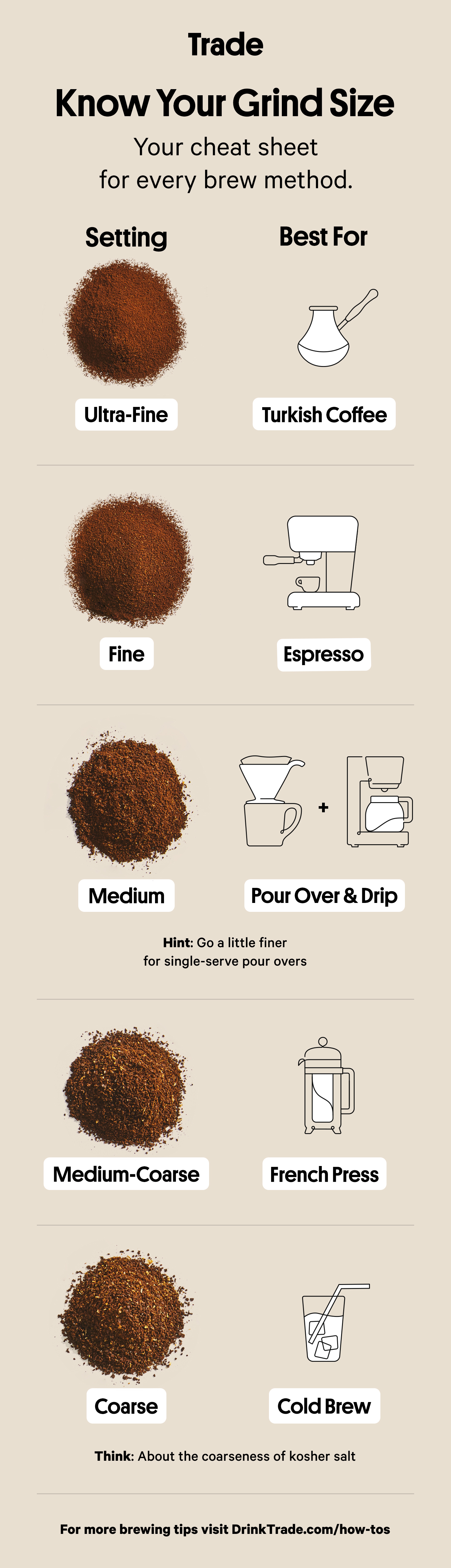
The ideal French Press grind should resemble coarse sea salt or breadcrumbs. Visually, the particles should be distinct and visibly chunky, not fine powder. There should be a noticeable lack of dust-like particles. Tactilely, when you rub the ground coffee between your fingers, it should feel granular and sandy, not smooth or silty. If it feels like flour or fine sand, it’s too fine. If it contains large, unbroken pieces of beans, it’s too coarse (or your grinder needs recalibration/maintenance). This precise visual and tactile feedback loop is a key part of the technical skill involved in coffee preparation, often refined through experience and comparison. Many advanced brewers even use digital calipers or specialized sieves to ensure their grind consistency meets specific micron-level requirements.
Preventing Fines: The Enemy of a Clean French Press
Fines are arguably the greatest technological challenge in French Press brewing. These ultra-small particles, produced even by good burr grinders to some extent, are problematic for several reasons. Due to their extremely high surface area, they over-extract almost instantly, introducing bitterness and astringency. More critically, their diminutive size allows them to easily pass through the French Press’s mesh filter, resulting in a murky, “muddy” cup with a gritty mouthfeel. Advanced techniques and gadgets exist to address this. Coffee sieves, for example, are specialized tools used to physically separate fines from the desired coarse particles, thereby improving clarity and reducing bitterness. This extra step, while adding complexity, showcases a commitment to technical precision in pursuit of the perfect brew.
Impact of Grind Size on Brew Time and Flavor Profile
The grind size for French Press directly dictates the optimal brew time and the resulting flavor profile. A properly coarse grind allows for the full 4-minute steeping period without over-extraction. During this time, the water slowly and evenly extracts the desirable compounds—sugars, acids, and aromatics—that contribute to sweetness, balance, and complexity. If the grind is too fine, the extraction rate accelerates dramatically, leading to the rapid dissolution of bitter compounds and an overall muddled, over-extracted taste, often requiring a significantly shorter brew time. Conversely, if the grind is excessively coarse, the extraction is insufficient, resulting in a weak, watery, and often sour cup due to the under-extraction of vital flavor components. Adjusting the grind is a calibration process, fine-tuning the interaction between water and coffee to achieve a specific chemical extraction over a set time, a true exercise in brewing technology.
Advanced Techniques and Gadgets for Grind Perfection
For those pursuing the zenith of French Press brewing, incorporating advanced techniques and leveraging specialized gadgets can elevate grind consistency and overall brew quality, transforming coffee preparation into a more scientific and reproducible process.
Leveraging Smart Scales and Timers for Reproducibility
Consistency is the hallmark of any refined technical process, and coffee brewing is no exception. Smart scales, often integrated with brewing apps, offer unparalleled precision in measuring coffee bean weight and water volume. By accurately weighing beans before grinding, brewers can ensure a consistent coffee-to-water ratio, a critical variable alongside grind size. Digital timers are equally essential, allowing for precise control over steeping duration. The combination of exact measurements and timing minimizes variability, making it easier to replicate exceptional brews and troubleshoot less successful ones. Some advanced scales even feature flow rate measurement and pour-over guides, although for French Press, their utility lies in precise mass and time data logging. These gadgets transform the brewing process from an intuitive art to a data-driven science.
Sifting and De-fining: Enhancing Grind Purity
For the ultimate pursuit of clarity in a French Press, the technique of sifting, or “de-fining,” has gained traction among enthusiasts. This involves using specialized sieves—often with multiple mesh sizes—to remove unwanted fines after grinding. By passing the ground coffee through a sieve with a mesh size slightly smaller than the desired coarse particles, the fines are separated, leaving behind a remarkably uniform, “clean” grind. While time-consuming, this meticulous step dramatically reduces bitterness and sediment, resulting in an exceptionally clean, vibrant, and sweet French Press. This technique highlights the micro-technological aspect of grind analysis and refinement, pushing the boundaries of what’s achievable with standard equipment.
The Evolution of Grinder Technology: From Manual to Smart
The trajectory of grinder technology reflects a broader trend towards automation, precision, and connectivity. From basic hand-cranked burr grinders, we’ve seen the evolution to robust electric models with sophisticated motor controls and increasingly precise burr sets. The latest frontier includes “smart” grinders integrated with apps that can adjust grind settings based on bean type, desired brew method, and even user preferences, leveraging cloud data for optimal parameters. These intelligent devices often feature digital displays, memory functions for favorite settings, and even automatic dosing mechanisms based on weight. This technological leap allows for unprecedented consistency and ease of use, making the complex science of grind optimization accessible to a wider audience and transforming the home brewing station into a high-tech lab.
Troubleshooting Common Grind-Related Tech Issues
Even with the best equipment and intentions, grind-related issues can arise. Understanding how to diagnose and rectify these problems is a crucial aspect of mastering French Press technology.
When Your Coffee Tastes “Muddy”: Identifying Too Many Fines
A common complaint with French Press is a “muddy” or “gritty” cup. This is almost invariably a technical failure related to an excess of fines in your grind. These tiny particles bypass the mesh filter, contributing to turbidity and a gritty mouthfeel.
Diagnosis:
-
Visual Inspection: Examine your spent grounds; if you see a significant amount of very fine powder, or if the coffee in your cup settles quickly to a thick sludge.
-
Taste Profile: Characterized by excessive bitterness, astringency, and a heavy, often unpleasant mouthfeel.
Solution:
-
Adjust Grinder Setting: Coarsen your grinder setting. Even a small adjustment can make a big difference.
-
Improve Grinder Quality: If using a blade grinder, consider upgrading to a burr grinder. If using an entry-level burr grinder, it may be producing too many fines even at its coarsest setting, suggesting a need for a higher-quality model or burr replacement.
-
Sifting: Employ a coffee sieve to physically remove fines after grinding.
-
Gentle Plunge: A vigorous plunge can disturb the settled fines and force them through the filter; plunge slowly and steadily.
When Your Coffee Tastes “Weak” or “Sour”: Adjusting Coarseness
Conversely, a weak, watery, or sour French Press often indicates under-extraction, which can be due to an overly coarse grind. Sourness, in particular, is a hallmark of under-extracted coffee, as the desirable sugars haven’t fully dissolved, leaving behind unpleasantly acidic compounds.
Diagnosis:
-
Visual Inspection: Grounds may appear too large and chunky, with many particles visibly intact or only lightly fractured.
-
Taste Profile: Lacks body, depth, and sweetness; often described as thin, watery, or unpleasantly acidic/sour.
Solution:
-
Adjust Grinder Setting: Fine-tune your grinder to a slightly finer setting. Experiment with small increments until the desired flavor profile is achieved.
-
Increase Steep Time: While grind adjustment is primary, a slightly longer steep time (e.g., 5-6 minutes) can sometimes compensate for a slightly coarser grind if fine-tuning isn’t possible. However, prioritize grind adjustment first.
-
Ensure Freshness: Old beans extract poorly regardless of grind; use freshly roasted coffee.

Maintaining Your Grinding Equipment for Peak Performance
Like any piece of precision technology, coffee grinders require regular maintenance to perform optimally. Accumulated coffee oils and fine particles can clog burrs, reduce grinding efficiency, and impart stale flavors.
Maintenance Best Practices:
-
Regular Cleaning: Disassemble and clean your burrs frequently (weekly for heavy use, bi-weekly for moderate). Use a brush to remove loose grounds and a specialized grinder cleaner (like grinder cleaning tablets) or a soft cloth to remove oil buildup.
-
Burr Alignment and Wear: Periodically check the alignment of your burrs (if adjustable) and inspect them for signs of wear. Worn burrs can lead to inconsistent grinds and increased fines.
-
Manufacturer Guidelines: Always follow the manufacturer’s specific cleaning and maintenance instructions for your grinder model.
By understanding the technical nuances of grind size, investing in appropriate grinding technology, and employing meticulous techniques, French Press enthusiasts can consistently achieve a superior brew. The journey from bean to cup is a testament to how precision in technical execution elevates a simple daily ritual into a truly refined sensory experience.
aViewFromTheCave is a participant in the Amazon Services LLC Associates Program, an affiliate advertising program designed to provide a means for sites to earn advertising fees by advertising and linking to Amazon.com. Amazon, the Amazon logo, AmazonSupply, and the AmazonSupply logo are trademarks of Amazon.com, Inc. or its affiliates. As an Amazon Associate we earn affiliate commissions from qualifying purchases.