
In the traditional halls of high finance, the “greenhouse effect” was once relegated to the realm of atmospheric science—a topic for meteorologists and environmentalists, not portfolio managers. However, the tide has shifted. Today, the question “What greenhouse effect?” is no longer a query about the science of warming; it is a critical inquiry into the valuation of assets, the viability of business models, and the future of global capital.
The financial world is currently undergoing a “Great Reallocation.” As the physical and regulatory realities of climate change settle in, the greenhouse effect has transformed from a scientific phenomenon into a primary driver of market risk and opportunity. For the modern investor, understanding this transition is not merely an ethical choice; it is a fiduciary necessity.

The Economics of Climate Change: Why the Greenhouse Effect is a Market Signal
For decades, the global economy operated on a model that treated carbon emissions as an “externality”—a cost not reflected on the balance sheet. That era is coming to a close. The greenhouse effect is now being internalized into the global economy through policy, litigation, and market demand.
The Social Cost of Carbon and Fiscal Policy
Central banks and governments are increasingly utilizing the “Social Cost of Carbon” (SCC) to quantify the economic damage caused by each ton of CO2 emitted. This metric is moving from theoretical research into actual fiscal policy. As governments implement carbon taxes and “cap-and-trade” systems, the greenhouse effect becomes a direct line item in corporate expenses. For businesses in the energy, manufacturing, and transport sectors, the ability to minimize their carbon footprint is now directly correlated with their ability to maintain profit margins.
Regulatory Shifts and Disclosure Requirements
Regulatory bodies, such as the SEC in the United States and the EBA in Europe, are mandating stricter climate-related disclosures. Investors are no longer satisfied with vague “sustainability reports.” They demand granular data on “Scope 1, 2, and 3” emissions. This transparency is forcing a repricing of assets. Companies that fail to account for their contribution to the greenhouse effect are increasingly viewed as high-risk, leading to higher costs of capital and potential divestment from institutional giants.
ESG Investing: Beyond Buzzwords to Bottom-Line Results
Environmental, Social, and Governance (ESG) investing has matured from a niche strategy into a dominant force in the financial markets. When we ask “What greenhouse effect?” in the context of ESG, we are looking at how environmental stewardship translates into financial outperformance.
Risk Mitigation Through Sustainable Asset Allocation
The core of ESG-focused money management is risk mitigation. The greenhouse effect introduces two types of financial risk: physical and transitional. Physical risks include the damage to assets from extreme weather events, while transitional risks involve the sudden loss of value in “stranded assets”—such as coal mines or oil reserves that can no longer be exploited due to regulation. By integrating ESG metrics, investors can identify companies that are better prepared for these shifts, effectively future-proofing their portfolios against the volatility of a changing climate.
Identifying the “Alpha” of Sustainability
There is a growing body of evidence suggesting that companies with high environmental ratings often exhibit higher “alpha” (excess returns). These firms tend to be more innovative, more efficient in their resource usage, and more resilient to regulatory shocks. In this niche, the greenhouse effect serves as a filter: it helps investors weed out legacy companies that are resistant to change and identify the forward-thinking enterprises that will lead the next industrial revolution.
The Carbon Credit Market: Trading Air for Profit
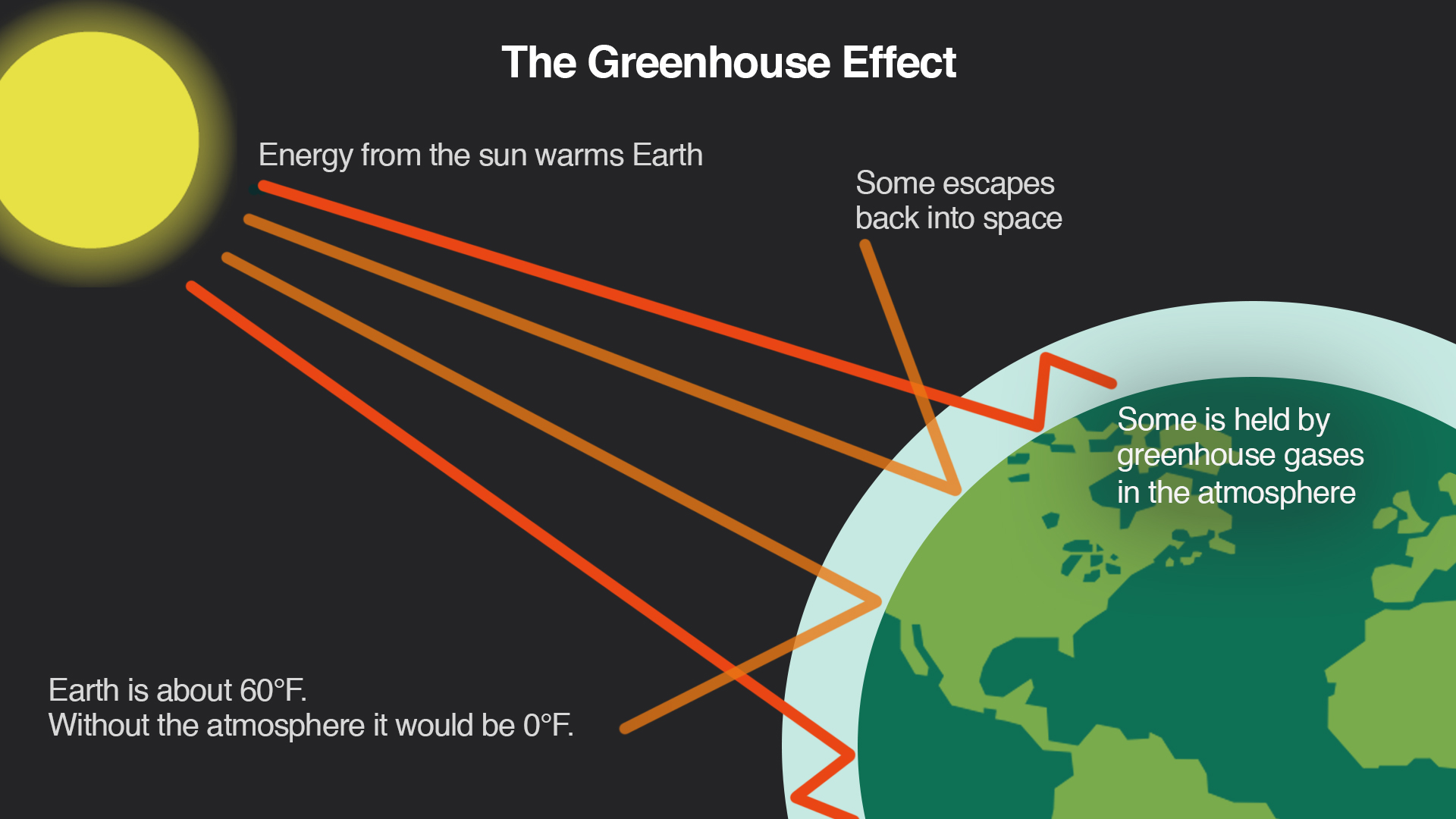
Perhaps the most direct financial manifestation of the greenhouse effect is the birth of the carbon economy. Carbon is no longer just a gas; it is a commodity. The voluntary and compliance carbon markets allow businesses to trade the right to emit or the credit for sequestering CO2.
How Voluntary Carbon Markets Work
In the voluntary market, corporations seeking to hit “Net Zero” targets purchase carbon offsets from projects that reduce or remove greenhouse gases. This has created a massive influx of capital into forestry, regenerative agriculture, and renewable energy projects in the developing world. For the savvy investor, this represents a new asset class. Investing in the developers of these projects—or in the platforms that facilitate their trading—offers a unique entry point into the “Money” side of the greenhouse effect.
The Rise of Carbon Sequestration Technology
As the price of carbon credits rises, the financial viability of Carbon Capture and Storage (CCS) technology increases. What was once a prohibitively expensive tech play is now becoming a lucrative business opportunity. Major energy firms are investing billions into “direct air capture,” betting that the future of the global economy will involve a massive market for removing CO2 from the atmosphere. In this sector, the greenhouse effect isn’t just a problem; it’s the primary driver of a multi-billion dollar industry.
Green Real Estate and Infrastructure: Investing in Resilience
The greenhouse effect has a profound impact on tangible assets. Real estate and infrastructure are the front lines of climate change, and the financial markets are responding by placing a premium on “green” buildings and resilient infrastructure.
The “Green Premium” in Commercial Real Estate
Modern tenants, particularly in the corporate sector, are increasingly demanding LEED-certified or Net-Zero office spaces to satisfy their own ESG commitments. This has led to a “green premium,” where sustainable buildings command higher rents, experience lower vacancy rates, and hold their value better than their “brown” counterparts. Conversely, older buildings that require massive retrofitting to meet new energy standards face “brown discounts,” making them potentially toxic assets in a real estate portfolio.
Infrastructure for a Changing Climate
Public and private money is pouring into “resilient infrastructure.” This includes everything from sea walls and improved drainage systems to decentralized smart grids that can withstand extreme weather. For investors, this opens up opportunities in municipal bonds, infrastructure funds, and specialized construction firms. The greenhouse effect is essentially mandating a global rebuild of our physical world, creating a long-term investment cycle that rivals the post-WWII reconstruction.
Future-Proofing Your Portfolio: Strategies for the Transition
As we conclude the exploration of “What greenhouse effect?”, it is clear that the financial implications are pervasive. To succeed in this environment, investors and business owners must move from a reactive to a proactive stance.
Diversification in the Age of Renewables
The energy transition is not a zero-sum game that happens overnight, but the trajectory is clear. A balanced portfolio in the current decade must account for the decline of fossil fuel dominance and the rise of electrification. This means looking beyond just “solar and wind” to the entire value chain: lithium and copper mining for batteries, semiconductor manufacturing for power electronics, and the software systems that manage energy distribution.
Identifying “Greenwashing” in Financial Products
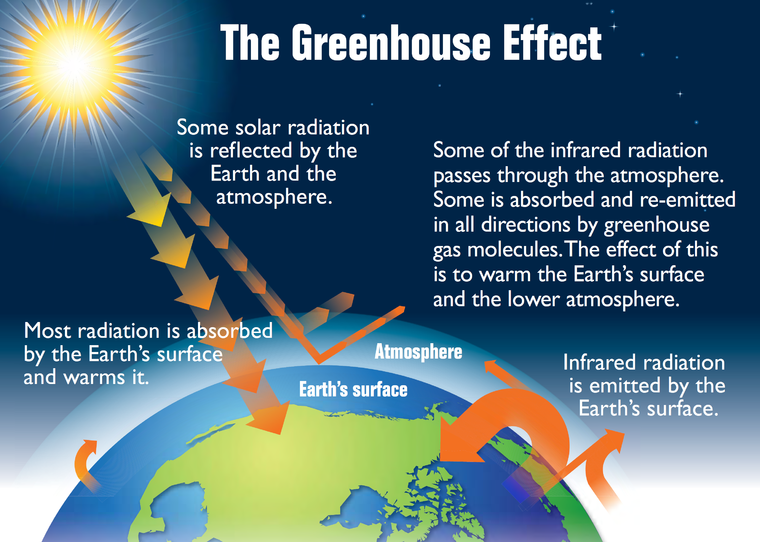
As “Green” becomes a lucrative marketing term, “greenwashing”—the practice of making misleading claims about the environmental benefits of a product or investment—has become a significant financial risk. Investors must perform rigorous due diligence, looking past the marketing brochures to the underlying data. Understanding the “What greenhouse effect” question requires a sharp eye for detail: Are the company’s targets validated by science-based initiatives? Is their carbon accounting transparent? Is their executive compensation tied to sustainability goals?
In summary, the greenhouse effect is no longer an abstract concept for the scientific community. It is a fundamental force shaping the flow of money in the 21st century. Whether through the lens of regulatory compliance, the boom of the carbon markets, or the shifting value of real estate, the greenhouse effect is the new “north star” for strategic financial planning. Those who ignore it do so at their own financial peril; those who understand it find themselves at the forefront of the greatest economic transition in human history.
aViewFromTheCave is a participant in the Amazon Services LLC Associates Program, an affiliate advertising program designed to provide a means for sites to earn advertising fees by advertising and linking to Amazon.com. Amazon, the Amazon logo, AmazonSupply, and the AmazonSupply logo are trademarks of Amazon.com, Inc. or its affiliates. As an Amazon Associate we earn affiliate commissions from qualifying purchases.