
The political structure of Russia is a complex and often debated topic. Officially, the Russian Federation is a federal semi-presidential republic. However, the practical application of this structure, the balance of power between its branches, and the historical trajectory of its governance reveal a system that deviates significantly from idealized democratic models. Understanding the nuances of Russia’s government requires delving into its constitutional framework, the dominant role of the executive, the functioning of its legislature and judiciary, and the pervasive influence of the ruling party.
The Constitutional Framework: A Semi-Presidential Republic on Paper
The Constitution of the Russian Federation, adopted in 1993, establishes a framework for a federal state with a separation of powers. It outlines three main branches of government: the executive, the legislative, and the judicial.
The Executive Branch: A Powerful Presidency
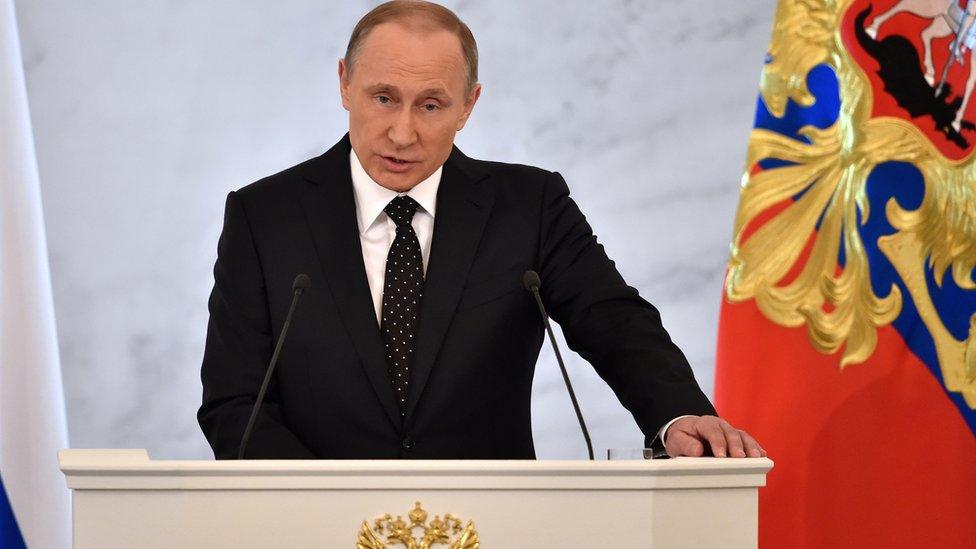
At the apex of the Russian government sits the President. The constitution grants the President significant powers, including the authority to appoint the Prime Minister (with the Duma’s approval), dismiss the government, issue decrees with the force of law, and serve as the commander-in-chief of the armed forces. The President also plays a pivotal role in foreign policy and national security. In practice, the presidency in Russia has consolidated immense authority, often overshadowing the other branches of government. This concentration of power is a defining characteristic of the Russian political system, stemming from both constitutional provisions and the historical tendency towards strong centralized leadership.
The President appoints and dismisses the Prime Minister, who heads the government and oversees the day-to-day administration of the country. The Prime Minister and the cabinet are accountable to both the President and the State Duma. However, the President’s ability to influence or bypass the Duma, particularly through presidential decrees, significantly amplifies the executive’s dominance. The concept of “managed democracy” has been used to describe a system where formal democratic institutions exist but are heavily influenced and controlled by the executive.
The Legislative Branch: The Federal Assembly
The legislative power is vested in the Federal Assembly, a bicameral parliament consisting of the State Duma and the Federation Council.

The State Duma: The Lower House
The State Duma, the lower house, is composed of 450 deputies elected for five-year terms. Its primary functions include passing federal laws, approving or rejecting the Prime Minister’s appointment, and exercising oversight over the government. While the Duma plays a crucial role in the legislative process, its effectiveness and independence have been subjects of considerable scrutiny. The dominance of a single political party, often aligned with the executive, has led to a legislative agenda largely dictated by the Kremlin. Debates and amendments, while occurring, often serve to legitimize pre-determined outcomes rather than shaping policy autonomously. The electoral system, which has evolved over time, has also been criticized for favoring larger, established parties, thus limiting genuine political competition and the emergence of a robust opposition within the parliament.
The Federation Council: The Upper House
The Federation Council, the upper house, represents Russia’s federal subjects – its republics, oblasts, and krais. Each federal subject sends two representatives to the Council. Its responsibilities include approving presidential decrees on the imposition of martial law or a state of emergency, resolving disputes between the houses, and approving the use of Russian armed forces outside the country. The Federation Council typically plays a more deliberative and less politically charged role than the State Duma, often serving as a chamber of regional representation and providing a platform for consensus-building among federal entities. However, its decisions are also heavily influenced by the broader political dynamics dominated by the executive branch.
The Judicial Branch: Independence Under Scrutiny
The judicial branch in Russia is constitutionally independent, with the Supreme Court and the Constitutional Court as its highest bodies. The courts are responsible for interpreting and applying laws, adjudicating criminal and civil cases, and reviewing the constitutionality of laws. However, the independence of the judiciary has been a persistent concern. Reports from international observers and human rights organizations frequently highlight instances of political interference, pressure on judges, and a lack of due process, particularly in politically sensitive cases. The ability of the judiciary to act as a true check on executive power is therefore often limited, contributing to the perception of a system where legal outcomes can be influenced by political considerations.
The Dominant Role of United Russia and Political Parties
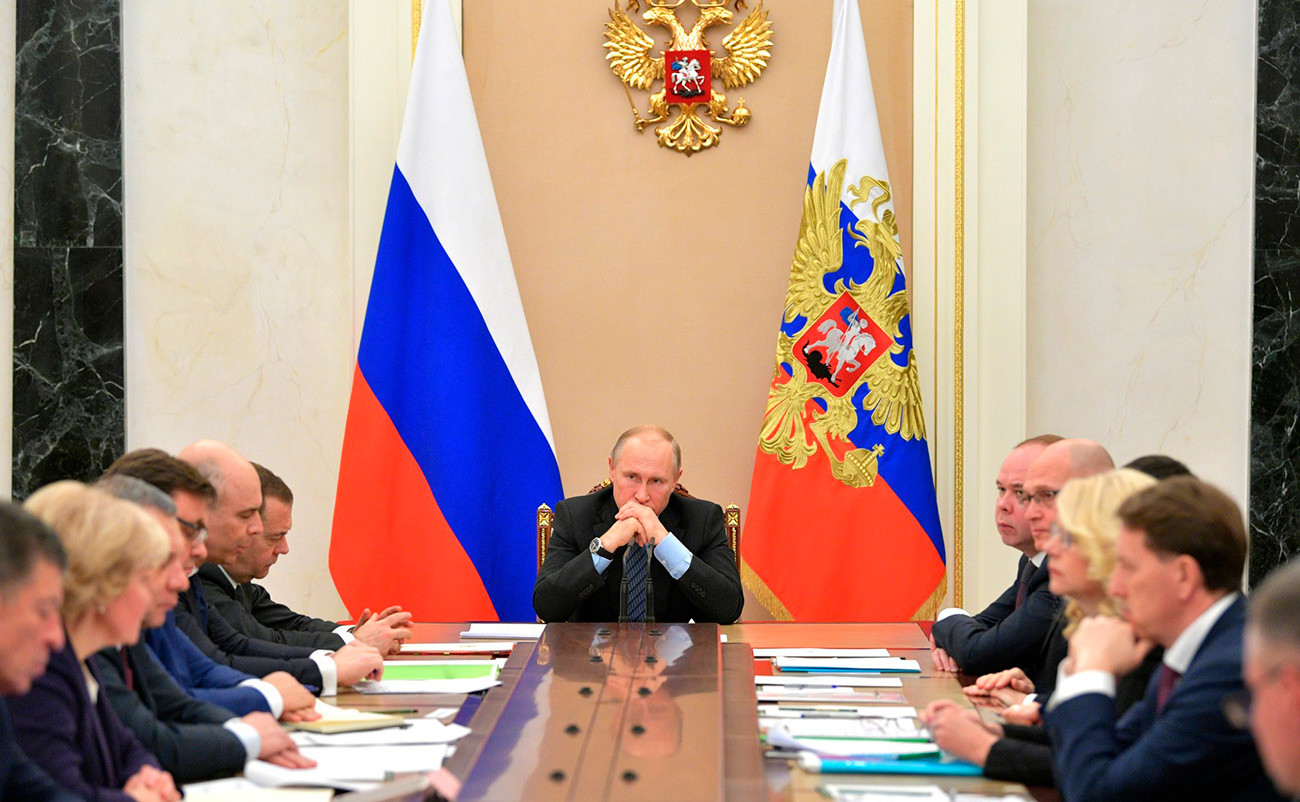
While Russia has a multi-party system, the political landscape is overwhelmingly dominated by United Russia, the ruling party that has consistently supported the executive branch. The existence of other parties, such as the Communist Party, the Liberal Democratic Party (LDPR), and A Just Russia, provides a semblance of political pluralism, but their ability to significantly challenge the ruling party or the executive’s agenda is limited.
United Russia, often referred to as the “party of power,” enjoys significant advantages in terms of resources, media access, and administrative support, which enables it to maintain its electoral dominance. This dominance ensures a broad base of support for the government’s initiatives within the legislature, further solidifying the executive’s control over the political process. The opposition parties, while vocal, often operate within predefined boundaries, and their influence on policy-making is typically marginal. The electoral system and the administrative apparatus of the state contribute to a political environment where genuine competition is curtailed, and the alignment of power remains consistently in favor of the incumbent leadership.
The evolution of Russia’s political system since the collapse of the Soviet Union has been characterized by a gradual centralization of power. While the initial years saw attempts at democratic reform, a subsequent trend towards stronger executive authority has shaped the current governmental structure. Understanding “what government does Russia have” necessitates looking beyond the formal constitutional arrangements to the practical realities of power distribution, the influence of key political actors, and the historical context that has shaped its development. The Russian Federation is, by constitutional definition, a federal semi-presidential republic, but its operational reality is one of a highly centralized system with a preponderant executive branch.
aViewFromTheCave is a participant in the Amazon Services LLC Associates Program, an affiliate advertising program designed to provide a means for sites to earn advertising fees by advertising and linking to Amazon.com. Amazon, the Amazon logo, AmazonSupply, and the AmazonSupply logo are trademarks of Amazon.com, Inc. or its affiliates. As an Amazon Associate we earn affiliate commissions from qualifying purchases.