
Mexico’s economic landscape is intrinsically linked to its northern neighbor, the United States. This robust trade relationship, underpinned by agreements like the United States-Mexico-Canada Agreement (USMCA), facilitates a massive flow of goods across the border. For businesses operating within the United States, understanding the spectrum of Mexican exports is not just an academic exercise; it’s a strategic imperative for sourcing, market analysis, and identifying potential investment opportunities. The sheer volume and diversity of these exports highlight Mexico’s integral role in North American supply chains, impacting everything from consumer prices to manufacturing efficiency.
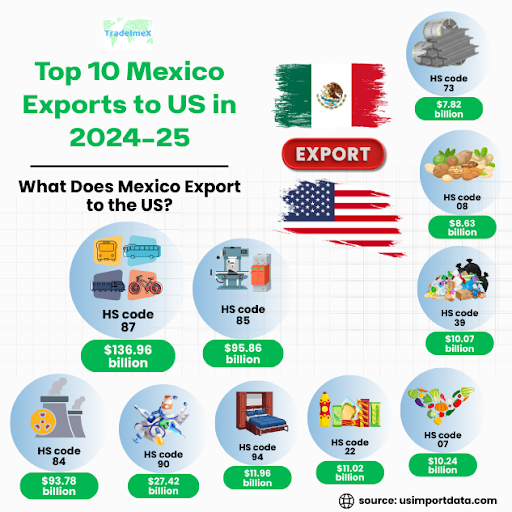
This exploration delves into the primary categories of goods that Mexico exports to the US, examining their significance, underlying drivers, and the economic implications for both nations. We will dissect the major sectors contributing to this trade, from the perennial strength of manufactured goods to the dynamic growth in agriculture and energy. Understanding these export flows provides a crucial lens through which to view the interconnectedness of the North American economies and the strategic advantages Mexico offers as a trading partner.
Manufactured Goods: The Backbone of Bilateral Trade
The overwhelming majority of Mexico’s exports to the US comprises manufactured goods. This sector has benefited immensely from geographical proximity, competitive labor costs, and the integration of supply chains facilitated by trade agreements. The USMCA, in particular, has solidified Mexico’s position as a manufacturing powerhouse, drawing significant foreign direct investment and fostering a sophisticated industrial base. Within this broad category, several sub-sectors stand out due to their sheer volume and strategic importance.
Automotive Sector Dominance
The automotive industry is arguably the most prominent and impactful sector in Mexico’s export profile to the US. Mexico is a global hub for automotive manufacturing, producing a wide array of vehicles, from passenger cars to heavy-duty trucks, as well as a vast number of automotive parts and components. Major global automakers have established extensive manufacturing facilities in Mexico, leveraging its skilled workforce, proximity to the US market, and favorable trade terms to produce vehicles that are predominantly destined for American consumers.
- Vehicle Assembly: Mexico exports millions of finished vehicles to the US annually. This includes a diverse range of models, from popular sedans and SUVs to more specialized vehicles. The efficiency and scale of Mexican assembly plants allow for competitive pricing, making them a critical supplier to US dealerships.
- Automotive Parts and Components: Beyond finished vehicles, Mexico is a leading exporter of a comprehensive range of automotive parts. This includes engines, transmissions, electrical systems, interior components, and chassis parts. The interconnectedness of the automotive supply chain means that many US-made vehicles contain a significant proportion of parts manufactured in Mexico. This interdependence highlights the vulnerability of the US auto market to disruptions in Mexican production.
- Strategic Importance: The automotive sector’s significance extends beyond mere trade volume. It represents high-value manufacturing, employs a substantial workforce in Mexico, and is a key driver of technological adoption and skill development. The health of this sector is a barometer for the broader economic relationship between the two countries.
Electronics and Machinery Exports
Another cornerstone of Mexico’s manufacturing exports to the US is the electronics and machinery sector. This category encompasses a wide array of sophisticated products, reflecting Mexico’s growing capacity in higher-value manufacturing and technological assembly. The proximity to the US market, coupled with a commitment to quality and efficiency, has made Mexico an attractive location for companies in these industries to establish production facilities.
- Consumer Electronics: Mexico is a significant producer and exporter of various consumer electronics, including televisions, audio equipment, and other household electronic devices. Companies often establish assembly operations in Mexico to serve the North American market efficiently.
- Computers and Peripherals: The export of computers, laptops, tablets, and their associated peripherals represents a substantial portion of Mexico’s manufactured goods. Many global tech companies utilize Mexican facilities for assembly and manufacturing due to cost efficiencies and access to the US market.
- Industrial Machinery and Equipment: Mexico also exports a range of industrial machinery and equipment, catering to various sectors within the US economy. This can include manufacturing equipment, tools, and specialized machinery, underscoring Mexico’s growing capabilities in producing complex industrial goods.
- Medical Devices: In recent years, Mexico has emerged as a significant exporter of medical devices. This sector benefits from stringent quality control, skilled labor, and the demand for medical supplies in the US market. The production of everything from syringes and catheters to more complex diagnostic equipment contributes to this growing export category.
Textiles and Apparel
While perhaps not as dominant as automotive or electronics, the textile and apparel sector remains a consistent and important contributor to Mexico’s exports to the US. Driven by both traditional manufacturing and evolving trends in fast fashion, this sector leverages Mexico’s production capabilities to meet American consumer demand.
- Clothing and Garments: Mexico exports a wide variety of clothing items, including shirts, pants, dresses, and outerwear. The country’s ability to produce at scale and respond to fluctuating fashion trends makes it a reliable supplier.
- Fabrics and Finished Goods: Beyond finished apparel, Mexico also exports various fabrics and other textile-based products, further integrating it into the broader textile supply chain for North America.
- Nearshoring Advantage: The geographical proximity offers a significant advantage for the textile industry, allowing for faster turnaround times and reduced shipping costs compared to sourcing from more distant regions. This “nearshoring” trend has become increasingly attractive to US retailers looking to optimize their supply chains.
Agricultural Products: Feeding the American Market
Beyond manufactured goods, Mexico’s agricultural sector plays a vital role in supplying a significant portion of the fresh produce and food products consumed in the United States. The diverse climates and agricultural expertise within Mexico allow for the year-round production and export of a wide array of fruits, vegetables, and other food items, significantly impacting American grocery shelves and consumer choices.
Fruits and Vegetables: A Consistent Flow
Mexico is a leading global supplier of fresh fruits and vegetables to the US, with certain categories experiencing particularly strong export volumes. The demand for these products is driven by consumer preferences for healthy eating, the year-round availability of certain items, and the competitive pricing offered by Mexican producers.
- Avocados: Mexico, particularly the state of Michoacán, is the world’s largest producer and exporter of avocados, with the vast majority of these destined for the US market. Avocados have become a staple in American diets, and Mexico’s consistent supply is crucial for meeting this demand.
- Tomatoes: Tomatoes are another cornerstone of Mexican agricultural exports to the US. From common round tomatoes to Roma and cherry varieties, Mexico provides a substantial portion of the tomatoes consumed in the US, especially during the colder months when domestic production is limited.
- Berries: Strawberries, blueberries, raspberries, and blackberries from Mexico are increasingly found in US supermarkets. The country’s ability to produce high-quality berries, often using advanced agricultural techniques, has made it a significant supplier.
- Citrus Fruits: Oranges, limes, and grapefruits are also important Mexican exports. Their availability throughout the year supplements domestic US production and ensures a steady supply for consumers.
- Other Key Produce: Beyond these staples, Mexico also exports a wide range of other produce, including bell peppers, cucumbers, onions, mangoes, and papayas, demonstrating the breadth of its agricultural offerings.
Beverages and Alcoholic Drinks
The beverage sector, particularly alcoholic beverages, represents another significant agricultural export category for Mexico. The global popularity of certain Mexican drinks has translated into substantial trade volumes with the United States.
- Beer: Mexican beer brands have gained immense popularity in the US, becoming a leading import category. The strong presence of Mexican breweries in the US market highlights the cultural influence and consumer appeal of these products.
- Tequila and Mezcal: As the origins of these iconic spirits, Mexico is the sole legal source of authentic tequila and mezcal for the US market. The demand for these traditional Mexican beverages has seen consistent growth, making them a significant export commodity.
- Non-Alcoholic Beverages: While less prominent than their alcoholic counterparts, certain non-alcoholic beverages, often with a focus on natural ingredients or specific flavor profiles, also contribute to Mexico’s export portfolio.

Energy and Raw Materials: Fueling and Supplying Industries
While manufactured goods and agricultural products often dominate the discussion, Mexico’s exports also include vital energy resources and raw materials that are essential for the US economy. These exports play a crucial role in meeting American energy demands and providing raw materials for various industrial processes.
Crude Oil and Petroleum Products
Historically, crude oil has been a significant export from Mexico to the US. While the dynamics of global energy markets and US domestic production have influenced these figures, Mexico remains an important supplier of petroleum.
- Crude Oil: Mexico exports substantial quantities of crude oil to the US, which is then refined into gasoline, diesel, and other petroleum products. This flow of crude oil is integral to the energy security and supply chain of the United States.
- Refined Petroleum Products: In addition to crude oil, Mexico also exports some refined petroleum products, further contributing to the US energy market’s needs. The interconnectedness of energy infrastructure means that disruptions in these exports can have a direct impact on fuel availability and prices in the US.
Natural Gas
Natural gas has also become an increasingly important energy export from Mexico to the US. As both countries continue to develop their natural gas resources, this trade has grown in significance.
- Pipeline Exports: The majority of natural gas exports from Mexico to the US occur through extensive pipeline networks. This efficient mode of transport facilitates a consistent and large-scale flow of this crucial energy commodity.
- Growing Demand: The demand for natural gas in the US, driven by its use in power generation and industrial processes, makes Mexico a key supplier in this market.
Minerals and Other Raw Materials
Beyond energy, Mexico exports a variety of minerals and other raw materials that serve as essential inputs for American manufacturing and construction industries.
- Precious Metals: Mexico is a significant producer of precious metals like silver and gold. A substantial portion of this output is exported to the US, where it is used in jewelry, electronics, and investment markets.
- Industrial Minerals: Various industrial minerals, such as lead, zinc, and copper, are also exported from Mexico. These materials are critical for the production of a wide range of goods, from batteries and electrical wiring to construction materials.
- Other Raw Materials: This category can also include lumber, certain chemicals, and other raw materials that support various industrial sectors in the United States.
The Future of Mexico’s Exports to the US
The trade relationship between Mexico and the US is dynamic and constantly evolving. Several factors are likely to shape the future trajectory of Mexican exports to the US, presenting both opportunities and challenges. Understanding these trends is crucial for businesses seeking to navigate this vital economic partnership.
Nearshoring and Reshoring Trends
The global push towards “nearshoring” and “reshoring” has significantly benefited Mexico. Companies are increasingly looking to bring their manufacturing and supply chains closer to home, reducing reliance on distant global suppliers and mitigating risks associated with geopolitical instability and long transit times. Mexico, with its geographical advantage, established industrial base, and favorable trade agreements, is a prime beneficiary of this trend. This is likely to lead to increased investment in Mexican manufacturing, particularly in sectors like electronics, automotive, and medical devices, further boosting export volumes to the US.
Technological Advancements and Automation
The adoption of advanced technologies and automation in Mexican manufacturing is poised to enhance productivity and competitiveness. As Mexican industries embrace Industry 4.0 principles, including AI, robotics, and data analytics, the quality and efficiency of their exports are expected to rise. This will allow Mexico to compete more effectively in higher-value manufacturing segments and attract further investment from US companies seeking sophisticated production capabilities.
Diversification of Export Products
While current export staples are strong, Mexico is also actively working to diversify its export portfolio. This includes focusing on new growth areas such as renewable energy components, specialized agricultural products, and advanced technology services. This diversification strategy aims to reduce reliance on a few key sectors and create a more resilient and robust export economy.
Sustainability and Ethical Sourcing
Increasingly, US consumers and businesses are prioritizing sustainability and ethical sourcing. Mexican exporters are facing growing pressure to adopt environmentally friendly production practices, ensure fair labor conditions, and adhere to stringent quality and safety standards. Companies that can demonstrate a commitment to these principles will likely gain a competitive advantage in the US market. The USMCA includes provisions related to labor and environmental standards, further reinforcing this trend.
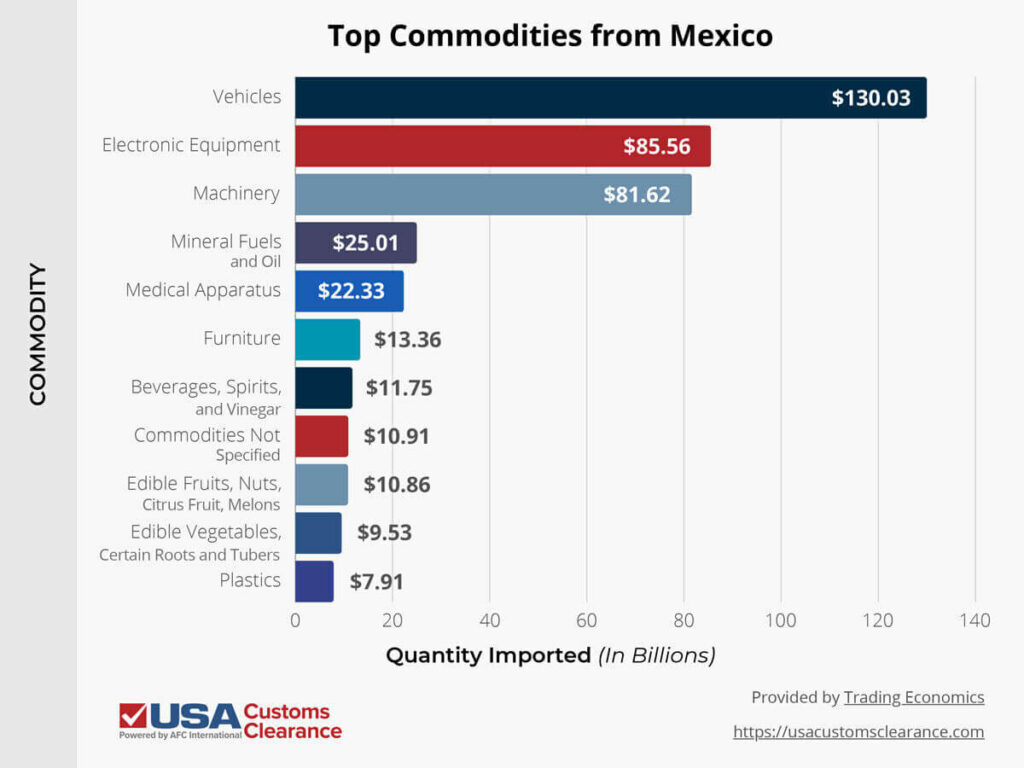
Challenges and Opportunities
Despite the positive outlook, challenges remain. Fluctuations in global commodity prices, potential trade policy shifts, and the need for continuous infrastructure development are factors that could influence export performance. However, the fundamental strengths of Mexico’s export sector – its skilled workforce, strategic location, and deep integration with the US economy – provide a solid foundation for continued growth and a vital role in supplying the US market for years to come. The ongoing collaboration and adaptation between the two nations will be key to unlocking the full potential of this critical trade relationship.
aViewFromTheCave is a participant in the Amazon Services LLC Associates Program, an affiliate advertising program designed to provide a means for sites to earn advertising fees by advertising and linking to Amazon.com. Amazon, the Amazon logo, AmazonSupply, and the AmazonSupply logo are trademarks of Amazon.com, Inc. or its affiliates. As an Amazon Associate we earn affiliate commissions from qualifying purchases.