
The allure of gleaming hardwood floors is undeniable, a timeless aesthetic that adds warmth and value to any property. However, the true strength and longevity of a wood floor don’t just lie in the planks themselves, but in the critical, often unseen, components that reside beneath them. For property owners and investors, understanding “what goes under wood flooring” isn’t merely a construction detail; it’s a pivotal financial decision impacting everything from initial outlay and long-term maintenance costs to energy efficiency and ultimate property value. This deep dive explores the economic implications of subfloor preparation, underlayment selection, and installation techniques, framing these choices as crucial financial investments in your asset.
The Foundation of Your Flooring Investment: Understanding Subfloor Essentials
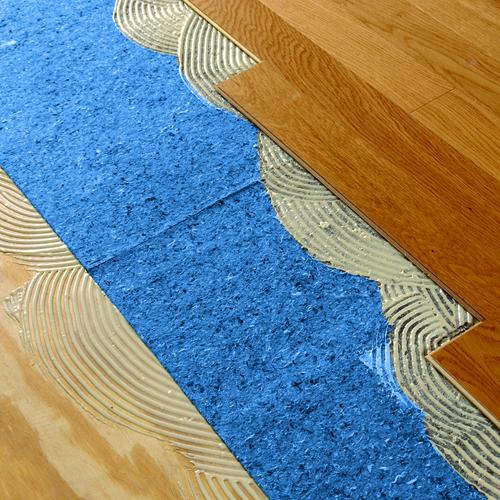
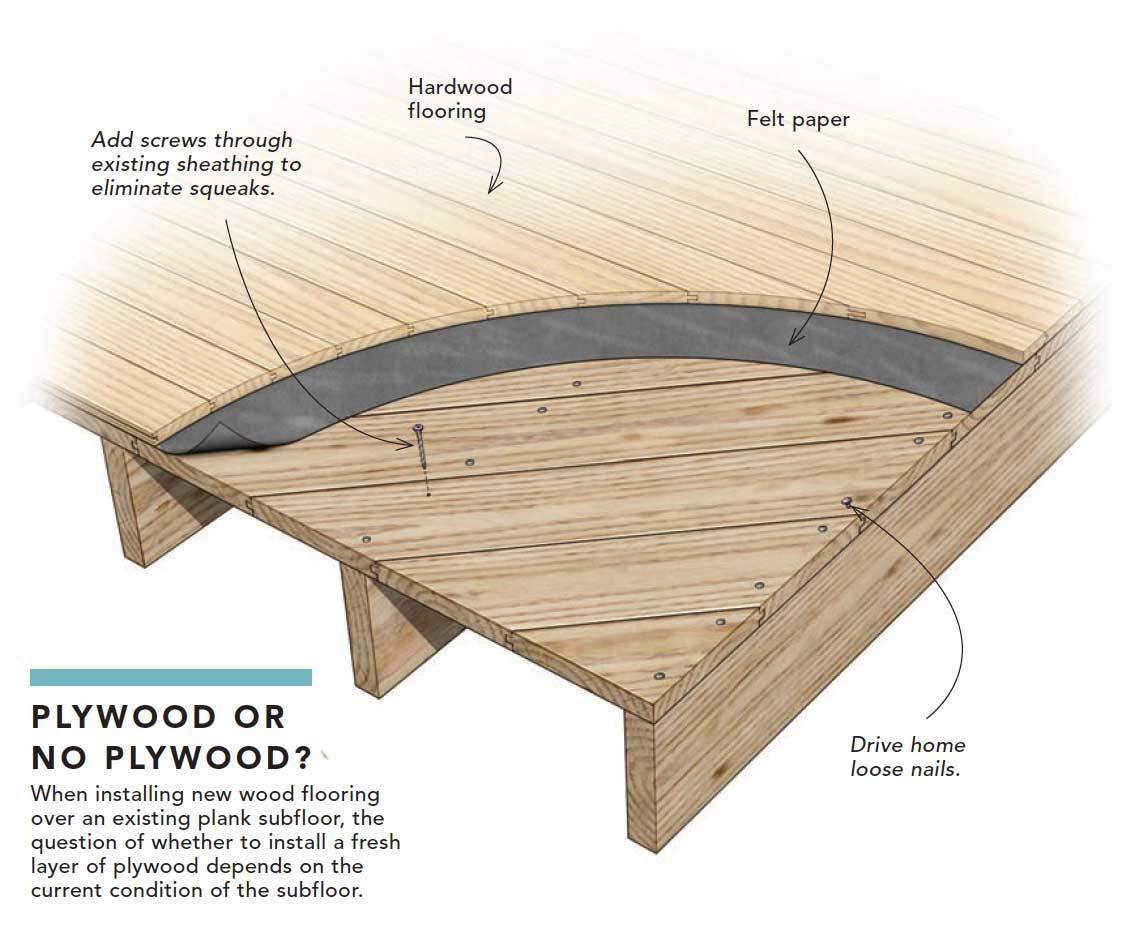
Before a single plank of wood flooring is laid, the condition and type of the subfloor itself represent the first and most critical financial checkpoint. The subfloor is the structural base that supports the finished flooring, typically made from plywood, OSB (oriented strand board), or concrete. Any deficiencies here will translate into significant future costs, making thorough preparation a non-negotiable investment.
Assessing Subfloor Condition: Preventing Costly Repairs
An uneven, damaged, or moisture-compromised subfloor is a ticking financial time bomb. Investing in a professional assessment to identify these issues before installation can save thousands in future repairs, subfloor replacement, or even premature failure of the new wood flooring. For instance, repairing a water-damaged subfloor due to a prior leak might involve drying, treating for mold, and replacing sections of material. Ignoring these can lead to structural integrity issues, health hazards, and significantly devalue your property. The upfront cost of remediation, while seemingly high, is a protective investment against exponentially larger future expenses.
Subfloor Leveling: A Precision Investment
An uneven subfloor creates instability, leading to squeaks, gaps, and eventual damage to the wood planks themselves. Leveling an existing subfloor, whether through sanding high spots or applying self-leveling compounds to low spots, is a precise and often labor-intensive process. While adding to the initial budget, this investment ensures the longevity and performance of the wood flooring. Financially, an improperly leveled subfloor can void warranties on flooring materials, necessitate costly future repairs, and diminish the aesthetic appeal, thereby impacting resale value. Consider it an insurance policy for your aesthetic and structural investment.
Underlayment Choices: Balancing Performance, Durability, and Your Budget
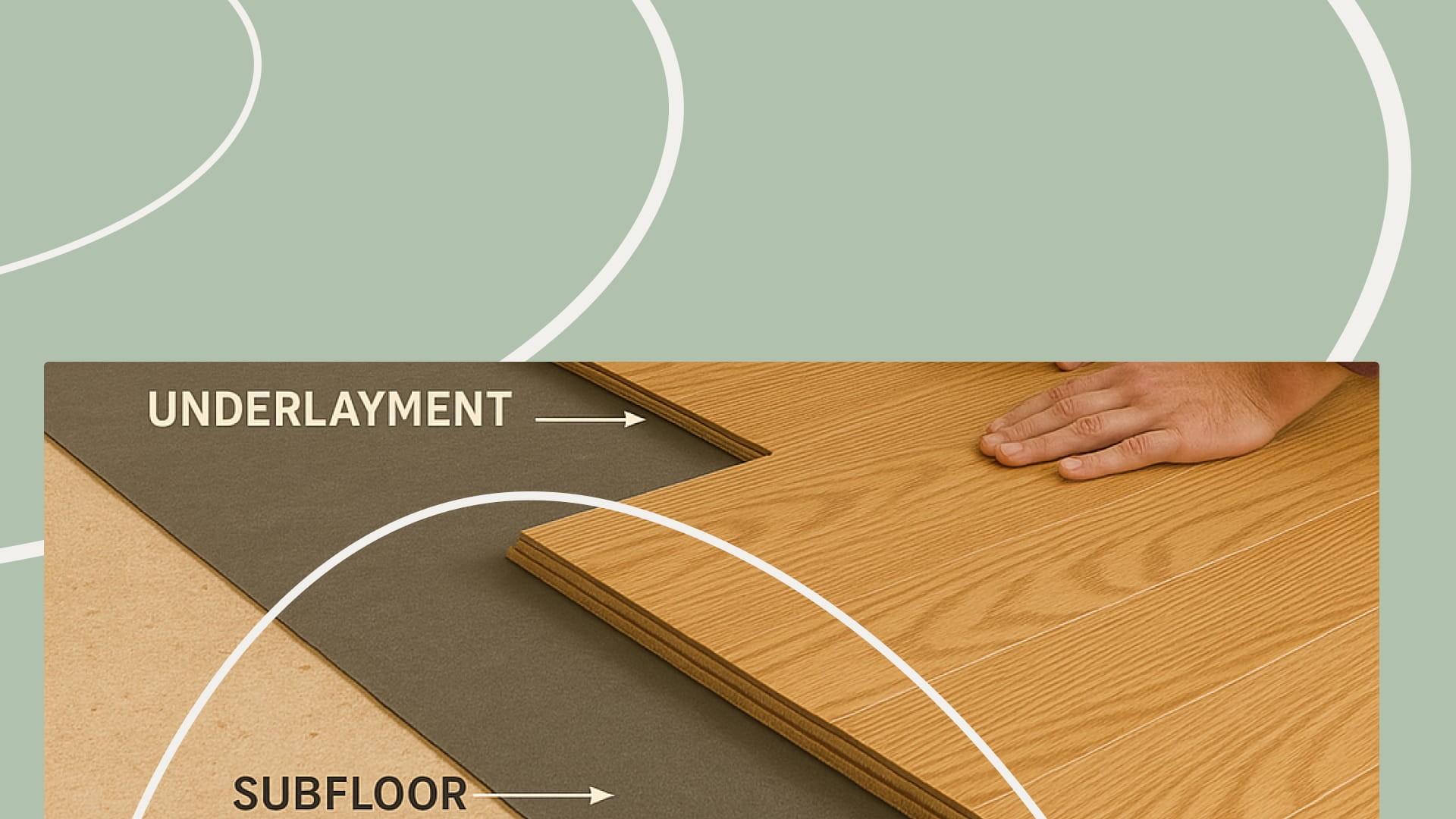
Once the subfloor is stable and level, the choice of underlayment becomes the next critical financial decision. Underlayment serves multiple functions: moisture barrier, sound dampening, insulation, and shock absorption. Each type comes with a different price point and offers a distinct set of financial benefits and trade-offs.
Moisture Barriers: Protecting Your Investment from Within
Wood and moisture are natural enemies. Humidity fluctuations can cause wood to expand, contract, warp, or cup, leading to irreparable damage. Investing in a high-quality moisture barrier, particularly in basements, bathrooms, or regions with high humidity, is paramount. Plastic sheeting, asphalt felt, or specialized foam underlayments with integrated vapor barriers add to the initial material cost but offer invaluable protection against moisture infiltration. The cost of replacing buckled wood floors due to moisture damage far exceeds the upfront investment in a proper barrier, making it a critical financial safeguard. For commercial properties or rental units, this preventative measure protects against lost revenue from downtime during repairs and potential legal liabilities.
Soundproofing: Enhancing Property Value and Occupant Satisfaction
Noise transfer can significantly detract from the living or working experience, impacting tenant satisfaction and property desirability. Acoustic underlayments, made from cork, rubber, or dense foam, are designed to absorb impact and airborne sound. While these materials generally carry a higher price tag than basic foam underlayments, the financial return can be substantial. In multi-story buildings, investing in superior soundproofing can command higher rental rates, reduce tenant turnover, and enhance overall property value. For homeowners, it contributes to a more peaceful living environment, a quality that is increasingly valued in the real estate market. This is an investment in comfort that directly translates to perceived and actual property value.
Insulation Properties: Long-Term Energy Savings
Certain underlayments offer thermal insulation properties, contributing to a building’s overall energy efficiency. Materials like cork or specific foam products can help regulate floor temperature, reducing heat loss in colder climates and heat gain in warmer ones. This translates directly into tangible savings on utility bills over the lifetime of the floor. While the initial investment in an insulating underlayment might be higher, the cumulative energy savings can often offset this cost over several years, providing a strong return on investment (ROI). For environmentally conscious buyers or businesses aiming for LEED certification, these features can also add a premium to the property’s market value.
Professional Installation vs. DIY: A Financial Analysis
The installation method itself presents a significant financial fork in the road. While the allure of saving labor costs through a do-it-yourself (DIY) approach is strong, it’s crucial to weigh the potential for hidden costs and diminished returns against the upfront expense of professional installation.
The Cost of Mistakes: Mitigating Risk with Expertise
Professional installers bring specialized knowledge, tools, and experience. They understand the nuances of subfloor preparation, proper underlayment application, and the specific requirements for different types of wood flooring. A DIY installation, if done improperly, can lead to costly mistakes: uneven seams, gapping, moisture issues, or structural instability. These errors often necessitate professional correction, which can be more expensive than the original installation, or even full re-installation. Moreover, many flooring manufacturers will void warranties if the installation is not performed by a certified professional, representing a significant financial risk. The investment in professional labor is often an investment in risk mitigation and warranty protection.
Time as Money: Opportunity Cost of DIY
For many, time is a valuable commodity. A DIY flooring project can be incredibly time-consuming, requiring days or even weeks of effort for an inexperienced individual. For business owners, this could mean lost work time. For homeowners, it’s leisure time sacrificed. When calculating the true cost of DIY, it’s essential to factor in the opportunity cost of that time. A professional installer completes the job efficiently, often in a fraction of the time, allowing property owners to focus on other priorities or generate income from their primary occupation.
Maximizing Home Value: How Subfloor Decisions Impact Resale and Future Returns
Every decision made regarding “what goes under wood flooring” ultimately circles back to its impact on property value and potential future returns. These unseen investments are critical components of a sound real estate strategy.
Perceived Quality and Longevity for Buyers
While a future buyer won’t see the specific underlayment or the perfectly leveled subfloor, they will experience the results. A floor that feels solid underfoot, doesn’t squeak, provides excellent sound insulation, and remains aesthetically pleasing for years speaks volumes about the overall quality and care invested in the property. These subtle cues contribute to a perception of high quality, justifying a higher asking price. A poorly installed or unstable floor, conversely, can raise red flags for buyers, leading to lower offers or even deterring sales altogether.
Reduced Future Maintenance and Repair Costs
Investing in quality subfloor preparation and underlayment reduces the likelihood of expensive repairs down the line. A floor that is built to last requires less maintenance, saving property owners significant sums over the years. For rental properties, this means fewer tenant complaints, less downtime between tenants for repairs, and a more consistent income stream. For personal residences, it translates to peace of mind and more money available for other investments or leisure activities.
In conclusion, “what goes under wood flooring” is not just a technical specification but a series of interconnected financial decisions. From the initial investment in subfloor remediation and leveling to the strategic selection of underlayment for moisture protection, soundproofing, and insulation, each choice carries significant financial implications. Opting for professional installation further safeguards these investments, ensuring longevity and performance. Ultimately, understanding and prioritizing these foundational elements beneath your beautiful wood floors is a savvy financial strategy that maximizes property value, minimizes future expenses, and secures a strong return on your real estate investment.
aViewFromTheCave is a participant in the Amazon Services LLC Associates Program, an affiliate advertising program designed to provide a means for sites to earn advertising fees by advertising and linking to Amazon.com. Amazon, the Amazon logo, AmazonSupply, and the AmazonSupply logo are trademarks of Amazon.com, Inc. or its affiliates. As an Amazon Associate we earn affiliate commissions from qualifying purchases.