
In the tapestry of marital finance, the question of “what goes on first” — the wedding ring or the engagement ring — extends far beyond mere tradition or placement on a finger. It delves into the sequence of significant financial commitments, strategic budgeting, and the foundational steps couples take in building their shared economic future. These gleaming symbols of devotion represent not just love, but substantial investments that necessitate careful planning, protection, and integration into a broader financial strategy. Understanding the distinct financial journey of each ring, from initial outlay to long-term asset management, is crucial for any couple embarking on the path of matrimony.
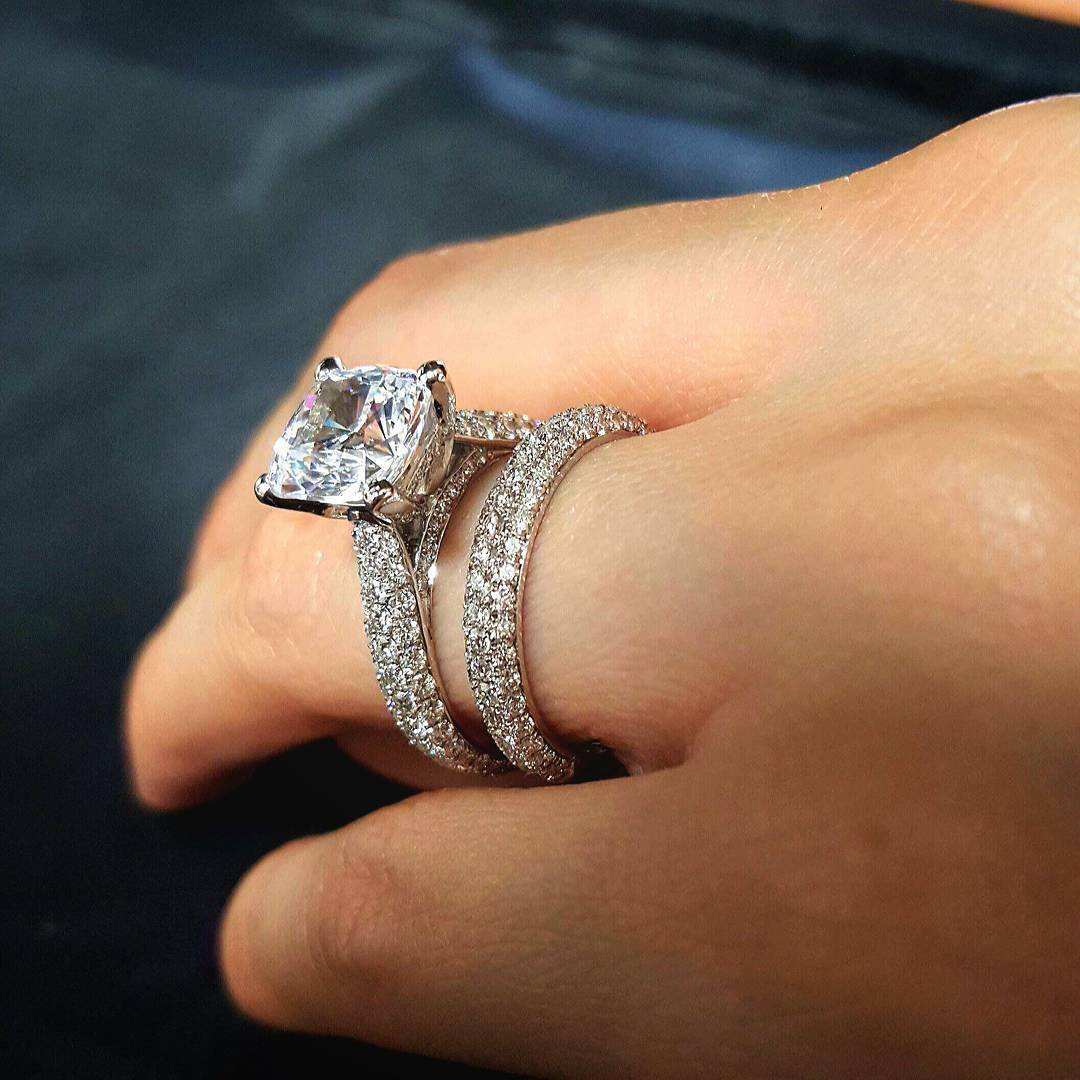
The Initial Investment: Deciphering the Financial Role of the Engagement Ring
The engagement ring typically marks the first substantial financial commitment in a couple’s journey towards marriage. It precedes the wedding, serving as a tangible symbol of intent and a precursor to the many joint financial decisions that will follow. For many, this purchase is not merely an expense but an investment, often representing one of the largest single discretionary outlays before the wedding itself.
From a financial perspective, the acquisition of an engagement ring demands meticulous planning. Budgets can range dramatically, influenced by societal norms, personal preferences, and the ever-present pressure to make a grand statement. Traditional guidelines, such as the “two or three months’ salary” rule, are largely outdated and can lead to unnecessary financial strain. A more prudent approach involves a personalized budget, carefully considering disposable income, existing savings, and other financial obligations.
Smart purchasing strategies are paramount when acquiring an engagement ring. Given that diamonds often represent the largest component of the cost, understanding the “4 Cs” (Carat, Cut, Color, Clarity) is non-negotiable. Researching reputable jewelers, comparing prices, and even exploring certified pre-owned or lab-grown diamonds can yield significant savings without compromising quality or symbolism. Metals like platinum, gold, and palladium also contribute to the overall cost, and their selection should be balanced against budget and durability. Financing options, if considered, must be approached with extreme caution. High-interest credit card debt accumulated for an engagement ring can cast a long shadow over a couple’s financial fresh start. Instead, prioritizing saving and exploring interest-free layaway plans or dedicated savings accounts are generally more fiscally responsible choices. This initial financial decision sets a precedent for how a couple will approach future shared expenses, highlighting the importance of open communication and mutual financial goals.
The Subsequent Commitment: Integrating the Wedding Ring into Your Financial Plan
Following the engagement ring, the wedding rings represent the next critical financial milestone in the lead-up to marriage. While often less expensive individually than the engagement ring, they collectively contribute significantly to the overall wedding budget and require their own dedicated financial consideration.
The purchase of wedding rings typically occurs closer to the wedding date, making it part of a larger cascade of expenses related to the ceremony and reception. Unlike the engagement ring, which is often a surprise purchase by one partner, wedding rings are almost always a joint decision. This collaborative approach presents an excellent opportunity for couples to practice joint financial planning and decision-making. Discussions around matching styles, materials, and price points should be transparent, ensuring both partners are comfortable with the financial outlay.
When budgeting for wedding rings, it’s essential to view them within the context of the entire wedding expenditure. Allocating a specific percentage of the total wedding budget to rings can help prevent overspending in one area at the expense of another. Factors influencing cost include the choice of metal (e.g., gold, platinum, titanium), the presence of diamonds or other gemstones, and intricate designs. Many couples opt for wedding bands that complement the engagement ring, both aesthetically and in terms of metal type, which can sometimes limit cost-saving opportunities if the engagement ring was particularly elaborate or made of a rare material.
For couples looking to optimize their spending, exploring options such as simple bands, alternative metals, or even considering custom designs from independent jewelers can provide value. Similar to the engagement ring, responsible financing is paramount. Accumulating debt for wedding bands should be avoided. Instead, leverage the period between engagement and wedding to save diligently, perhaps even setting up a dedicated “ring fund” within a high-yield savings account. This second financial commitment reinforces the patterns of saving and budgeting established with the engagement ring, further solidifying a couple’s shared financial habits.

Strategic Financial Management: Budgeting, Buying, and Protecting Your Assets
Effective management of the financial investment in engagement and wedding rings extends beyond their initial purchase. It encompasses comprehensive budgeting strategies, shrewd buying tactics, and robust protection plans to safeguard these valuable assets for years to come.
Comprehensive Budgeting Approaches: Before any purchase, establish a clear, realistic budget for both rings combined, then break it down individually. Consider a percentage-based approach, where a certain portion of your overall savings or income is allocated, rather than relying on arbitrary rules. This ensures the purchases align with your overall financial health and goals. It’s also wise to factor in ancillary costs such as resizing, engraving, and potential maintenance, which can add up over time. Open and honest communication about financial capacities and expectations between partners is the cornerstone of responsible budgeting.
Smart Buying Tactics:
- Research and Comparison: Don’t settle for the first jeweler you visit. Compare prices, quality, and service from multiple vendors, including online retailers known for competitive pricing.
- Understanding Valuation: For diamonds, insist on GIA or AGS certifications. These independent grading reports provide objective assessments of a diamond’s quality, directly impacting its value.
- Negotiation: Many jewelers have flexibility in their pricing. Don’t be afraid to negotiate for a better deal or ask for added value like free cleaning or future resizing.
- Consider Alternatives: Lab-grown diamonds offer a more environmentally friendly and often more affordable option with identical chemical and physical properties to mined diamonds. Alternative gemstones, like moissanite or sapphires, can also provide stunning beauty at a fraction of the cost. For metals, investigate durable and more affordable options like titanium or stainless steel for wedding bands if precious metals are beyond budget.
- Timing Purchases: Keep an eye out for sales events, though high-end jewelry rarely sees steep discounts. Sometimes, purchasing an engagement ring outside of peak seasons (e.g., just after Valentine’s Day or Christmas) might offer a slight advantage.
Protecting Your Investment: Insurance and Appraisals: Once acquired, these rings become significant financial assets that require protection.
- Jewelry Insurance: This is often overlooked but crucial. Standard homeowner’s or renter’s insurance policies typically offer limited coverage for high-value items like jewelry. A specialized jewelry policy or an extended rider on your existing policy provides comprehensive coverage against loss, theft, and damage. Understanding the deductible and the specifics of what is covered (e.g., mysterious disappearance vs. only verifiable theft) is vital. The cost is usually a small percentage of the ring’s appraised value annually, offering invaluable peace of mind.
- Professional Appraisals: Obtain a detailed appraisal from a certified gemologist shortly after purchase, and update it every few years. Appraisals document the ring’s characteristics and estimated value, which is essential for insurance purposes and for providing a baseline in case of future sale or estate planning. Without an up-to-date appraisal, an insurance claim might only cover a fraction of the ring’s true replacement value.

Rings as Financial Benchmarks: Beyond Sparkle to Long-Term Wealth Planning
The financial journey surrounding engagement and wedding rings offers more than just the acquisition of beautiful jewelry; it serves as a critical benchmark and a practical training ground for a couple’s long-term financial collaboration. These initial significant investments can set the tone for how a couple approaches all future financial decisions, from purchasing a home to saving for retirement and building an investment portfolio.
Symbolic Value and Financial Discipline: The discipline required to save for and responsibly purchase these rings reinforces the importance of setting financial goals, delaying gratification, and working together towards a common objective. This collaborative effort can translate into stronger financial habits, fostering an environment of transparency, trust, and shared responsibility in managing marital assets. It’s a tangible demonstration of commitment, not just to each other, but to their shared financial future.
Integrating into Joint Finances and Estate Planning: As shared marital assets, engagement and wedding rings should be considered within the broader context of a couple’s financial portfolio. While their liquid market value might fluctuate, their insured value and sentimental importance make them part of the overall wealth picture. In the event of creating a prenuptial agreement, the value and ownership of these rings might be specifically addressed. For estate planning, clearly outlining their disposition in wills or trusts ensures that these cherished items are handled according to the couple’s wishes, whether passed down to heirs or sold.
From Rings to Riches: Connecting Initial Investments to Broader Goals: The process of saving for and protecting these rings can be a catalyst for establishing other significant financial milestones. The same budgeting and saving strategies applied to ring purchases can be scaled up for larger goals like a down payment on a house, funding higher education for future children, or building a robust retirement fund. This early experience in managing a substantial purchase together can empower couples to tackle more complex financial decisions with confidence and a unified strategy.
Ultimately, the question of “what goes on first” for wedding and engagement rings, when viewed through a financial lens, is about the sequential planning and management of significant monetary commitments. It underscores the importance of thoughtful budgeting, strategic purchasing, robust asset protection, and integrating these initial steps into a comprehensive, lifelong financial journey as a united couple. These rings are more than adornments; they are an early, sparkling indicator of a couple’s shared financial philosophy and commitment to building a prosperous future together.
aViewFromTheCave is a participant in the Amazon Services LLC Associates Program, an affiliate advertising program designed to provide a means for sites to earn advertising fees by advertising and linking to Amazon.com. Amazon, the Amazon logo, AmazonSupply, and the AmazonSupply logo are trademarks of Amazon.com, Inc. or its affiliates. As an Amazon Associate we earn affiliate commissions from qualifying purchases.