
In the realm of modern gaming software, few titles have achieved the enduring legacy of Stardew Valley. Developed by ConcernedApe, this indie masterpiece is often praised for its relaxing atmosphere, but beneath its charming pixel-art exterior lies a complex system of social algorithms and data-driven relationship mechanics. One of the most interesting challenges for players—and a fascinating study in software-driven character logic—is the process of befriending and gifting Haley.
Haley, a photography enthusiast with a specific set of programmed preferences, serves as an excellent case study for how “Social NPCs” (Non-Player Characters) function within a digital ecosystem. To maximize efficiency in the game’s economy of time and resources, players must understand the underlying tech behind her gifting preferences.
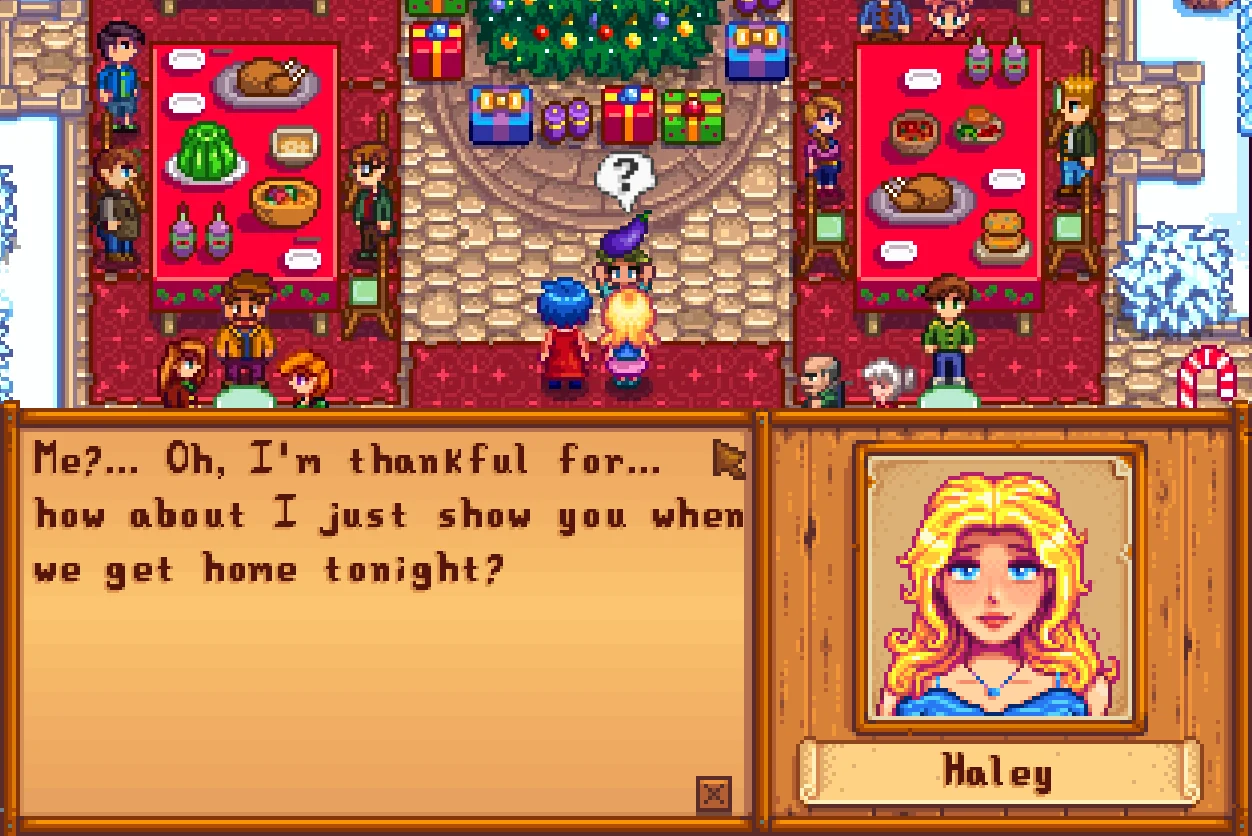
The Social Engine: Understanding Stardew Valley’s Friendship Algorithms
At its core, Stardew Valley operates on a point-based friendship system that dictates NPC behavior and dialogue transitions. For a character like Haley, the software tracks a “Friendship Meter” represented by ten hearts (which can expand to fourteen after marriage). Each heart represents exactly 250 friendship points.
Point Calculation and Multipliers
The game’s engine calculates friendship gains based on several variables. A “Loved” gift grants 80 points, a “Liked” gift grants 45, and a “Neutral” gift grants 20. Conversely, giving a “Disliked” or “Hated” gift results in a point deduction. However, the tech behind the game incorporates modifiers that savvy players can exploit. For instance, giving a gift on Haley’s birthday (Spring 14) triggers an 8x multiplier, turning a standard 80-point “Love” into a massive 640-point boost.
The Impact of Item Quality on Game Data
Beyond the item type, the software also factors in the quality of the item—represented by silver, gold, or iridium stars. This is a crucial element of the game’s “efficiency meta.” An Iridium-quality Loved gift provides a 50% bonus, bringing the total to 120 points. When combined with the birthday multiplier, the mathematical optimization for Haley’s relationship becomes a significant strategic advantage for players looking to “speedrun” social milestones.
Haley’s Logic: Categorizing Loved and Liked Gifts
Haley’s preference list is unique within the game’s database. While most characters share “Universal Loves,” Haley is one of the few NPCs whose programming includes a specific exception to a major rule.
High-Value Assets: Coconuts and Sunflowers
From a resource-management perspective, Haley is one of the more accessible characters to befriend if the player understands her specific data tags. Her “Loved” items include:
- Coconut: Easily forageable in the Calico Desert.
- Fruit Salad: A cooked dish that requires specific ingredients (Blueberry, Melon, Apricot).
- Pink Cake: Often found through specialized RNG (Random Number Generation) events or received in the mail from the player’s “Mom” character.
- Sunflower: A crop that can be grown in Summer and Fall, yielding multiple seeds and providing a high ROI (Return on Investment).
The Prismatic Shard Anomaly
In the software architecture of Stardew Valley, the Prismatic Shard is tagged as a “Universal Love,” meaning almost every NPC reacts with maximum positivity to it. Haley, however, is the exception to this code. She is the only villager who “Hates” the Prismatic Shard. This is a deliberate design choice by the developer to add personality through code, subverting the player’s expectations and forcing them to engage more deeply with her specific character data rather than relying on a “one-size-fits-all” tech solution.
Tech-Driven Strategies for Efficient Relationship Building

To optimize the process of befriending Haley, players often turn to external tools and data-mining techniques. The Stardew Valley community has developed extensive wikis and “Gift Helpers” (third-party apps) that interface with the game’s logic to provide real-time reminders.
Leveraging the Stardew Valley Wiki and Data Mining
The most efficient way to handle gifting is to treat it as a database management task. By identifying which items are in season and which items are already in the player’s inventory, one can create a “Gifting Queue.” For Haley, the most tech-efficient strategy is the mass production of Sunflowers. Because Sunflowers can be grown in large quantities and have a chance to drop their own seeds upon harvest, they represent a sustainable loop in the game’s agricultural software.
Automation and Scheduling: Managing the Gifting Routine
Managing the NPC schedule is another layer of the game’s technical challenge. Haley’s pathfinding script changes based on the season, weather, and her friendship level with the player.
- Spring: She frequently spends time by the fountain near the Community Center.
- Summer: Her script often moves her to the Beach, making it easy to hand over a forageable Coconut.
- Software Modding: Many players in the PC community use mods like “UI Info Suite” which injects a code overlay into the game, showing Haley’s location on the map and her current gift status. This highlights how the community uses technology to streamline the inherent complexities of the game’s social simulation.
Software Design and Character Archetypes
The way Haley is programmed reflects a classic “Growth Archetype” in game design. Initially, her dialogue is dismissive, a result of low-friendship-tier text strings. As the player successfully inputs Loved gifts into her character variable, the software unlocks new “Event Scripts” (Heart Events).
The Programming of “Growth” and Personality
Haley’s 6-heart and 8-heart events are specific sub-routines in the game code that trigger based on location and time. These events are designed to show her shifting from a superficial character to someone who appreciates the farm’s lifestyle. From a software development perspective, this is achieved through “Flagging.” Once the player reaches a certain point threshold, a “Flag” is set in the save file, allowing the game engine to execute new dialogue and animation sequences that were previously locked.
Managing Negative Inputs: What to Avoid
Just as players want to maximize positive points, they must avoid “Negative Interaction Hooks.” Haley’s code includes a long list of “Hated” items, most notably the Wild Horseradish. In the early game (Spring), many players accidentally lose friendship points by giving Haley common foraged items. Understanding the “Dislike” array in Haley’s data is just as important as knowing her “Loves.” Avoiding the deduction of 40-80 points is vital for maintaining a steady progression toward her higher-tier rewards, such as the photography themed cutscenes.
The Impact of Patch 1.6 and Future-Proofing Gifting Strategies
With the release of major updates like Patch 1.6, ConcernedApe frequently tweaks the social engine. These updates can introduce new items or change how certain gifts are weighted. For instance, the introduction of “Books” that grant experience or friendship points has added a new layer to the gifting meta.
Evolving Game Mechanics
In the latest versions of the software, the “Social” tab in the player menu has been updated to track discovered gifts automatically. This in-game database acts as a localized “Tech Tool” for the player, recording every successful (and unsuccessful) gift given to Haley. This reduces the need for external data-mining and allows for a more “native” gaming experience while still relying on the logic of trial and error.
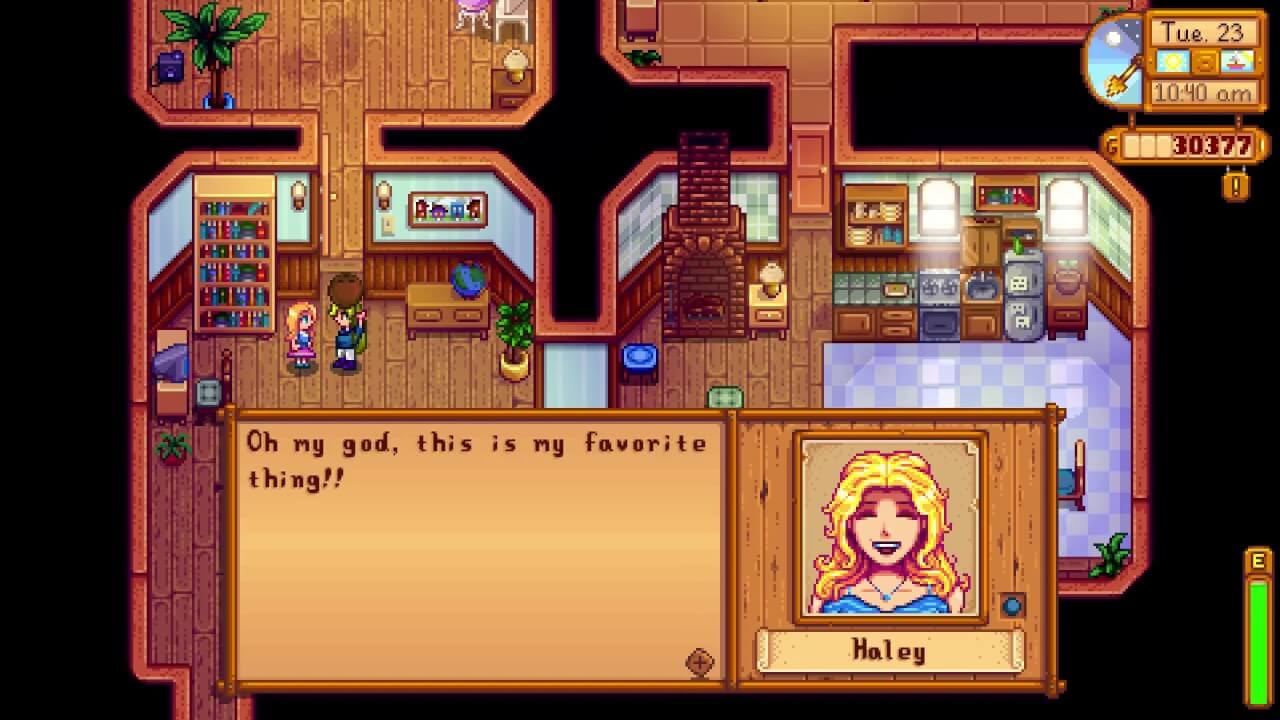
Conclusion: The Intersection of Gameplay and Data
Befriending Haley in Stardew Valley is more than a simple role-playing exercise; it is an exercise in understanding and manipulating a well-crafted digital system. By analyzing the point multipliers, identifying the specific item IDs she favors, and navigating her pathfinding schedules, players engage with the game at a technical level.
Whether you are a casual player or a technical enthusiast looking to optimize every frame of your gameplay, understanding the “gift-code” for Haley is the key to mastering the social simulation of Pelican Town. Through a combination of seasonal planning, resource management, and a bit of algorithmic insight, turning Haley from a stranger into a spouse is a rewarding achievement in the world of digital farming.
aViewFromTheCave is a participant in the Amazon Services LLC Associates Program, an affiliate advertising program designed to provide a means for sites to earn advertising fees by advertising and linking to Amazon.com. Amazon, the Amazon logo, AmazonSupply, and the AmazonSupply logo are trademarks of Amazon.com, Inc. or its affiliates. As an Amazon Associate we earn affiliate commissions from qualifying purchases.