
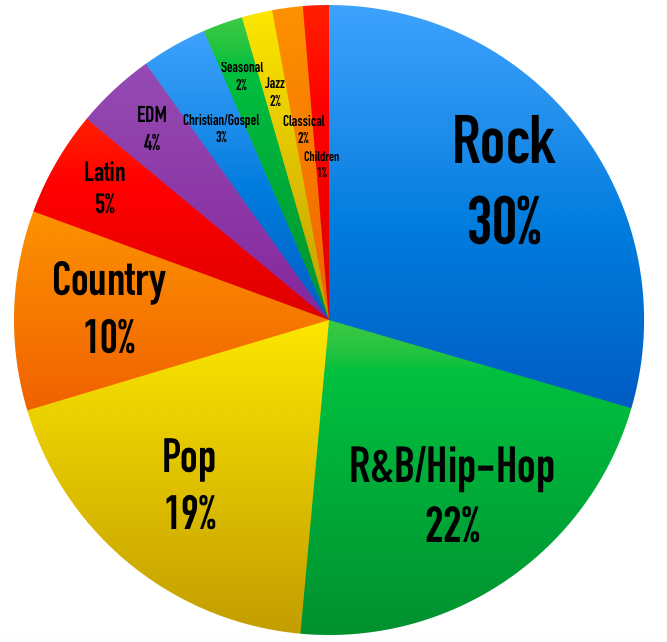
The landscape of music is a vast, ever-evolving ecosystem that serves as a mirror to human culture, technological progress, and emotional expression. To understand music genres is to understand the history of human creativity. From the rigid structures of classical compositions to the fluid, algorithmically driven beats of contemporary electronic production, genres act as both a framework for musicians and a navigational tool for listeners. Understanding these categories is essential for anyone looking to master music marketing, build a brand within the entertainment industry, or analyze the cultural impact of sound in a global market.

The Foundations: Traditional and Classical Categorization
Before the advent of modern digital streaming, music was largely categorized by its historical origin, instrumentation, and formal structure. These foundational genres established the “rules” of music theory that continue to influence how we structure songs today.
Classical and Orchestral Movements
Classical music is perhaps the most formally disciplined genre. Spanning from the Baroque period to the 20th century, it is defined by its reliance on complex notation and orchestral arrangements. For brand strategists and media producers, classical music serves as the benchmark for “prestige” branding. It utilizes a vast array of acoustic instrumentation—strings, woodwinds, brass, and percussion—to evoke universal emotions without the need for lyrical direction.
The Evolution of Jazz and Blues
Jazz and blues are the bedrock of modern American music. Emerging from the Southern United States, these genres introduced the concept of improvisation and “blue notes,” which disrupted the strict tonal centers of European classical music. Jazz, characterized by complex chord progressions and syncopated rhythms, requires a level of technical virtuosity that has influenced everything from hip-hop sampling to film scoring. Blues, conversely, relies on emotional raw expression and a twelve-bar structure, forming the essential DNA of almost all subsequent rock and roll.
The Commercial Powerhouses: Pop, Rock, and Hip-Hop
In the world of brand marketing, these three genres represent the primary vehicles for mass-market reach. They are the most consumed forms of music, each possessing a distinct cultural identity and a specific approach to audience engagement.
The Pop Phenomenon
Pop music is, by definition, the most accessible genre. It is designed for maximum resonance, characterized by catchy hooks, verse-chorus-verse structures, and high-production value. From a branding perspective, pop music is the gold standard for global scaling. It often incorporates elements from other genres—be it a country-inflected guitar lick or a hip-hop-influenced drum beat—to maintain its relevance. The successful pop artist is not just a musician but a brand identity that transcends the music itself.
The Resilience of Rock
Rock music transformed from the rebellious counter-culture movement of the 1950s into a multi-billion dollar industry. Defined by the use of electric guitars, bass, and drums, rock encompasses a wide spectrum, including heavy metal, punk, indie, and alternative. For corporate identity experts, rock provides a template for “authenticity” branding. Its aesthetic—whether it be the gritty DIY ethic of punk or the stadium-filling grandeur of classic rock—creates deeply loyal fanbases that are resistant to trends, making rock a unique case study in sustainable long-term brand loyalty.
Hip-Hop and the Culture of Consumption
Hip-hop is arguably the most significant cultural shift in the last half-century. Beyond the music itself, which relies heavily on rhythm, rhyme, and sample-based production, hip-hop is a lifestyle brand. It has pioneered how artists leverage their personal narrative to create multifaceted business empires. The genre has shifted the focus from the album as a sole product to the artist as a multimedia personality. For those in marketing and business, hip-hop serves as the definitive case study on how to monetize cultural capital.

The Digital Frontier: Electronic and Experimental Genres
As music production shifted from physical studios to software-based Digital Audio Workstations (DAWs), the barrier to entry for creators plummeted, leading to an explosion of electronic genres. This shift changed the industry’s business model and the way music is marketed to global digital audiences.
Electronic Dance Music (EDM) and Sub-Genres
EDM is not merely a genre but a massive infrastructure. Genres such as House, Techno, Dubstep, and Drum and Bass rely on synthesizers, drum machines, and intricate layering. Because EDM is primarily built on software, it is the most technologically sophisticated genre. In the digital age, it has become the face of festival culture and immersive experience branding. Brands that align with the EDM space are often associated with innovation, youth, and high-energy environments.
The Rise of Lo-Fi and Niche Digital Sounds
Recent years have seen the rise of “chill” genres like Lo-Fi Hip Hop. These genres prioritize atmospheric mood over traditional song structure. They are designed for long-duration consumption, often playing in the background while users work or study. From a marketing perspective, this represents a shift toward “utility music”—where the value of the audio lies in its ability to enhance the user’s focus or environment. This category has become a major target for digital advertising and algorithmic discovery on platforms like Spotify and YouTube.
Global Influence and Cross-Genre Synthesis
Music is no longer confined by geography. The digital era has facilitated a cross-pollination of styles that makes modern genre classification increasingly fluid.
The Globalization of Latin and World Music
Latin music—encompassing Reggaeton, Salsa, and Cumbia—has become a dominant force in the global music market. Its rhythmic intensity and Spanish-language lyrical dominance demonstrate how regional sounds can achieve universal brand appeal. Similarly, K-pop has redefined the “boy band” and “girl group” model by integrating rigorous visual aesthetics, extreme fan engagement, and high-concept choreography, creating a blueprint for the modern 360-degree branding strategy.
Fusion and the Death of Boundaries
We are currently in an era of “genre-fluidity.” Artists are increasingly ignoring the boundaries of the past, blending country with trap, or jazz with electronic synthesis. For the marketer or entrepreneur, this makes defining an audience more complex but also more rewarding. Target demographics are no longer defined by what a person listens to, but rather by their values and lifestyle. Understanding that a single listener might shift from a high-energy heavy metal playlist during a workout to a lo-fi ambient track during work hours is crucial for developing effective audio-branding strategies.
Strategic Implications for the Music Industry
Ultimately, genres are not just labels for Spotify playlists; they are strategic categories that define how music is marketed, how it is financed, and how it is consumed as a brand identity.
- Brand Positioning: Every genre comes with a set of expectations. A jazz artist signaling sophistication and technical skill is positioning themselves for a different market than a punk artist signaling rebellion and raw energy. Choosing a genre alignment is the first step in building a sustainable brand persona.
- Economic Viability: Different genres operate on different financial models. Some rely on the sale of recorded music, while others rely on massive touring operations, brand partnerships, or sync licensing for film and gaming. Understanding these models is vital for anyone entering the music business.
- Technological Integration: The future of music lies in the intersection of genre and technology. Whether it is the use of AI to generate backing tracks or the deployment of music in immersive gaming environments, the ability to categorize and adapt these musical “languages” to new tech stacks will determine who remains relevant in the industry.
By analyzing music through these lenses—tradition, commercial power, digital evolution, and global synthesis—professionals can better navigate the complexities of the modern soundscape. Whether you are building a personal brand, managing an artist, or analyzing market trends, recognizing the nuances of musical genres is a prerequisite for success in the competitive and rapidly changing world of entertainment.
aViewFromTheCave is a participant in the Amazon Services LLC Associates Program, an affiliate advertising program designed to provide a means for sites to earn advertising fees by advertising and linking to Amazon.com. Amazon, the Amazon logo, AmazonSupply, and the AmazonSupply logo are trademarks of Amazon.com, Inc. or its affiliates. As an Amazon Associate we earn affiliate commissions from qualifying purchases.