
The music industry is a fascinating ecosystem where artistic expression meets commercial viability. Bands, like any other product or service, need to cultivate a distinct identity to resonate with audiences and sustain their careers. In this context, understanding the “genre” of a musical act transcends mere stylistic categorization; it delves into the very essence of their brand. For a band like The 1975, whose sound and aesthetic have evolved significantly, pinpointing a singular genre becomes less about musical labels and more about dissecting their multifaceted brand strategy. This article will explore how The 1975 has masterfully navigated the complexities of the modern music landscape by strategically building and evolving their brand identity, utilizing various marketing and design elements to forge a unique and enduring connection with their fanbase.
The Genesis of a Brand: Early Identity and Genre Fluidity
The initial perception of The 1975 was intrinsically linked to a particular sound and aesthetic that resonated with the burgeoning indie pop and alternative scene of the early 2010s. However, even from their inception, there was an underlying intentionality in their presentation that hinted at a broader brand strategy than a simple genre tag.
Early Sonic Signatures and the Indie Pop Appeal
The band’s early releases, notably their self-titled debut album, were characterized by infectious melodies, synthesizers, and a certain angsty, yet stylish, lyrical sensibility. This squarely placed them within the realm of indie pop, a genre that at the time was experiencing a surge in popularity. Their music offered a youthful, relatable soundtrack for a generation grappling with themes of love, loss, and social commentary. This sonic foundation was crucial in attracting a core audience, establishing a recognizable sound that became synonymous with their initial brand.
Visual Identity and Aesthetic Marketing
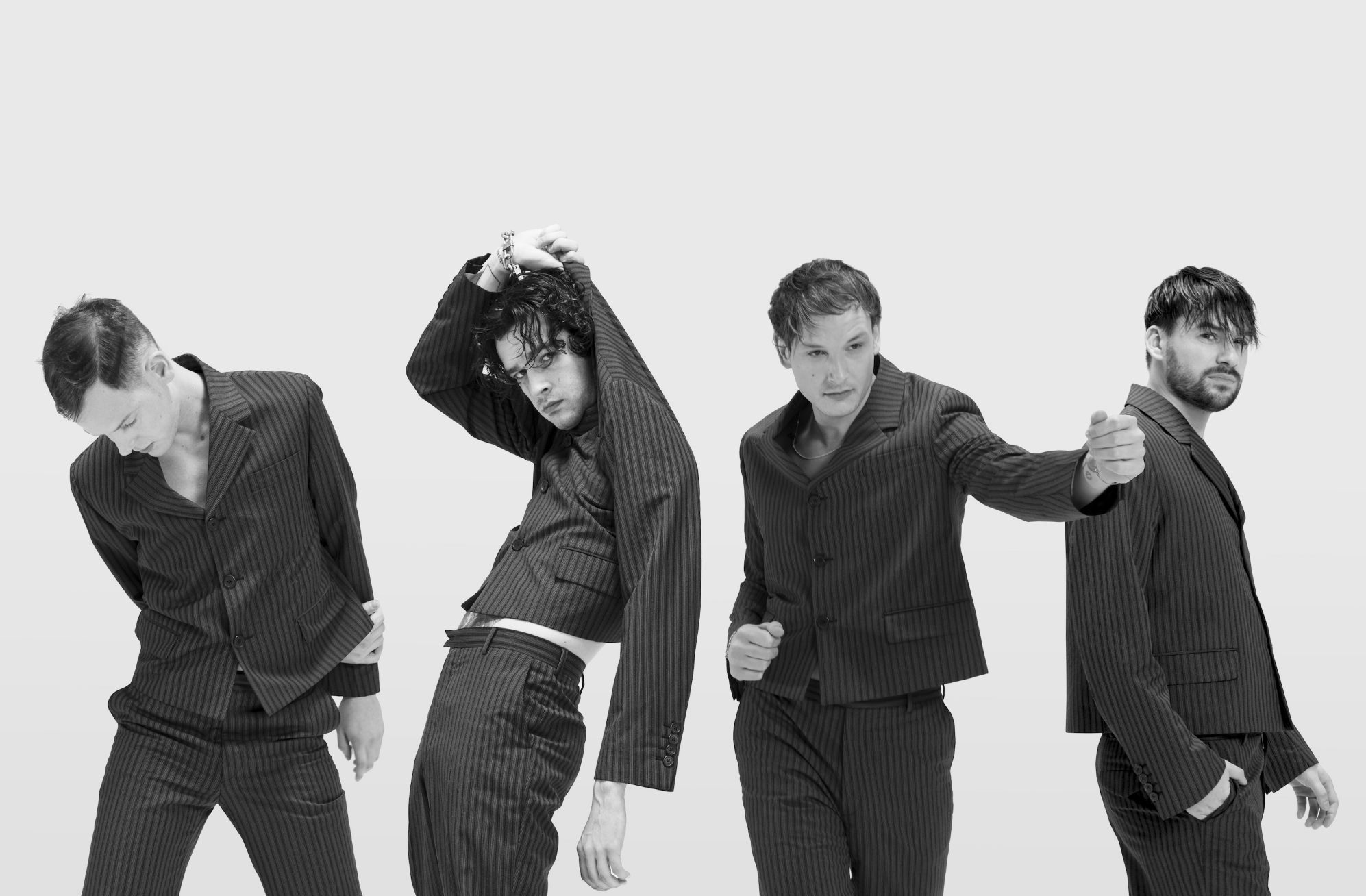
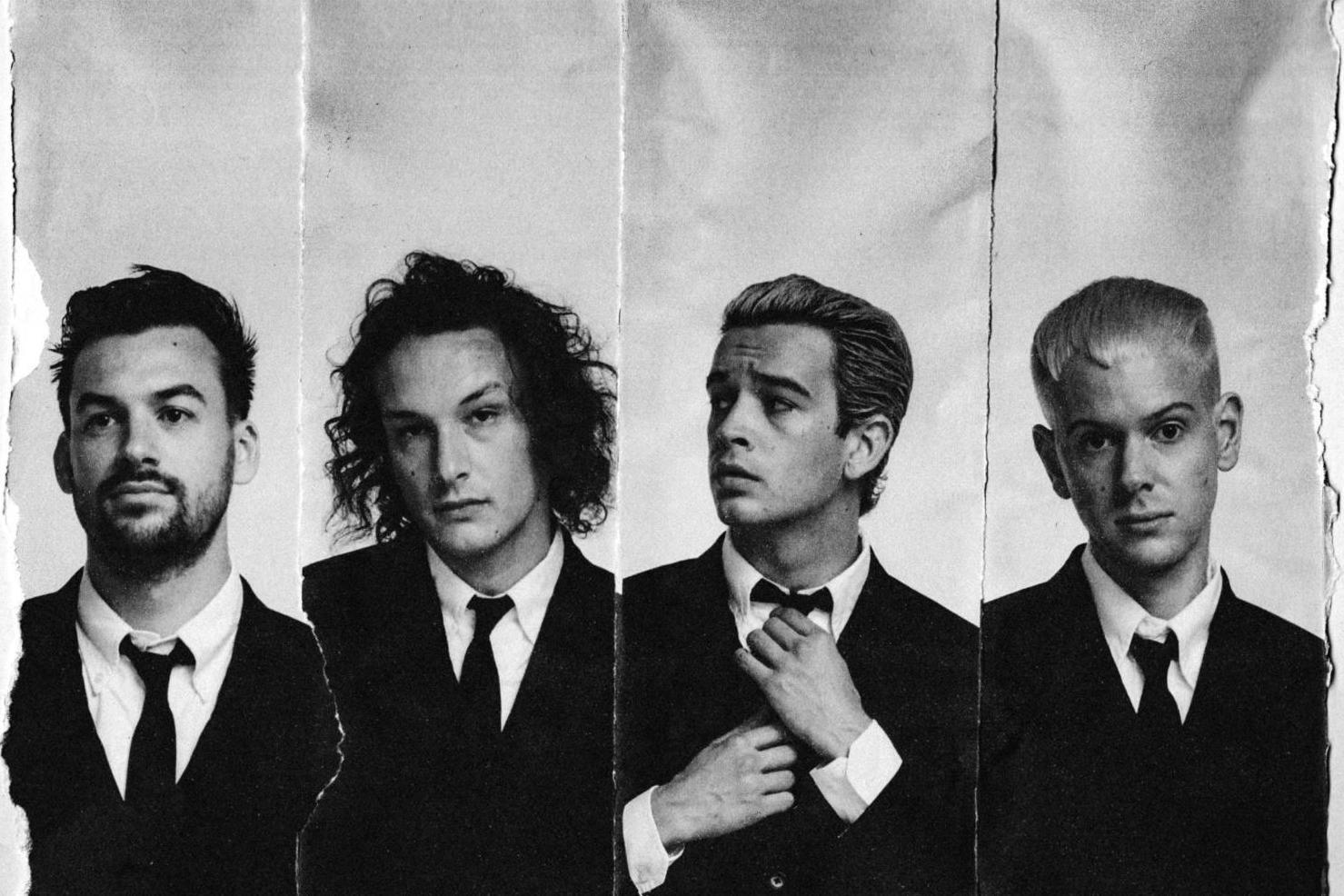
Beyond their music, The 1975’s corporate identity, or rather their band identity, was heavily influenced by a deliberate and cohesive visual presentation. The distinctive black and white color palette, the iconic sans-serif font, and the often-utilitarian yet cool aesthetic of their album art and promotional materials were not accidental. This meticulous design choice played a pivotal role in their early marketing. It created an immediate visual recognition, making their presence felt across platforms. This consistent visual language acted as a powerful brand marker, setting them apart from their peers and contributing to an aura of curated cool that was integral to their early appeal.
Strategic Genre Ambiguity: A Foundation for Evolution
While their early sound leaned towards indie pop, there was always a sense of playful experimentation. This inherent genre fluidity was, in retrospect, a strategic move. By not being rigidly defined by one genre, they left themselves ample room for artistic growth and audience expansion without alienating their existing fanbase. This ambiguity allowed them to explore different sonic palettes in subsequent releases without being accused of abandoning their core identity. It foreshadowed a brand strategy that prioritized authenticity and artistic evolution over strict adherence to pre-defined musical boxes.
Evolving the Brand: Sonic Diversification and Strategic Rebranding
As The 1975 matured as artists, so too did their brand. Their willingness to experiment with different musical styles and lyrical themes, coupled with strategic shifts in their visual presentation, allowed them to remain relevant and captivating to a growing and diverse audience. This evolution demonstrates a sophisticated understanding of brand strategy in the dynamic music industry.
Embracing Pop Sensibilities and Wider Market Appeal
With albums like “I Like It When You Sleep, for You Are So Beautiful Yet So Unaware of It,” The 1975 began to overtly embrace more mainstream pop sensibilities. This was not a capitulation to commercial pressures but a calculated expansion of their brand. They incorporated a wider range of instrumentation, richer vocal arrangements, and more overtly catchy hooks, drawing in listeners from beyond the indie sphere. This move was a testament to their ability to blend artistic integrity with a desire for broader reach, a key aspect of successful marketing. They didn’t abandon their core – the lyrical depth and thematic complexity remained – but they packaged it in a more accessible and universally appealing sonic shell.
Thematic Expansion and Lyrical Storytelling as Brand Pillars
A crucial element of The 1975’s evolving brand identity lies in their thematic depth and lyrical prowess. They consistently tackle complex subjects, from existential dread and mental health to political commentary and the nuances of modern relationships. This willingness to engage with substantive issues imbues their music with a gravitas that resonates deeply with their audience. Their lyrics often function as a form of personal branding, allowing listeners to connect with the band on an intellectual and emotional level. This storytelling approach becomes a powerful tool for building brand loyalty and fostering a sense of community among their fans, who see themselves reflected in the band’s narratives.
Visual Reinvention and Aesthetic Cohesion
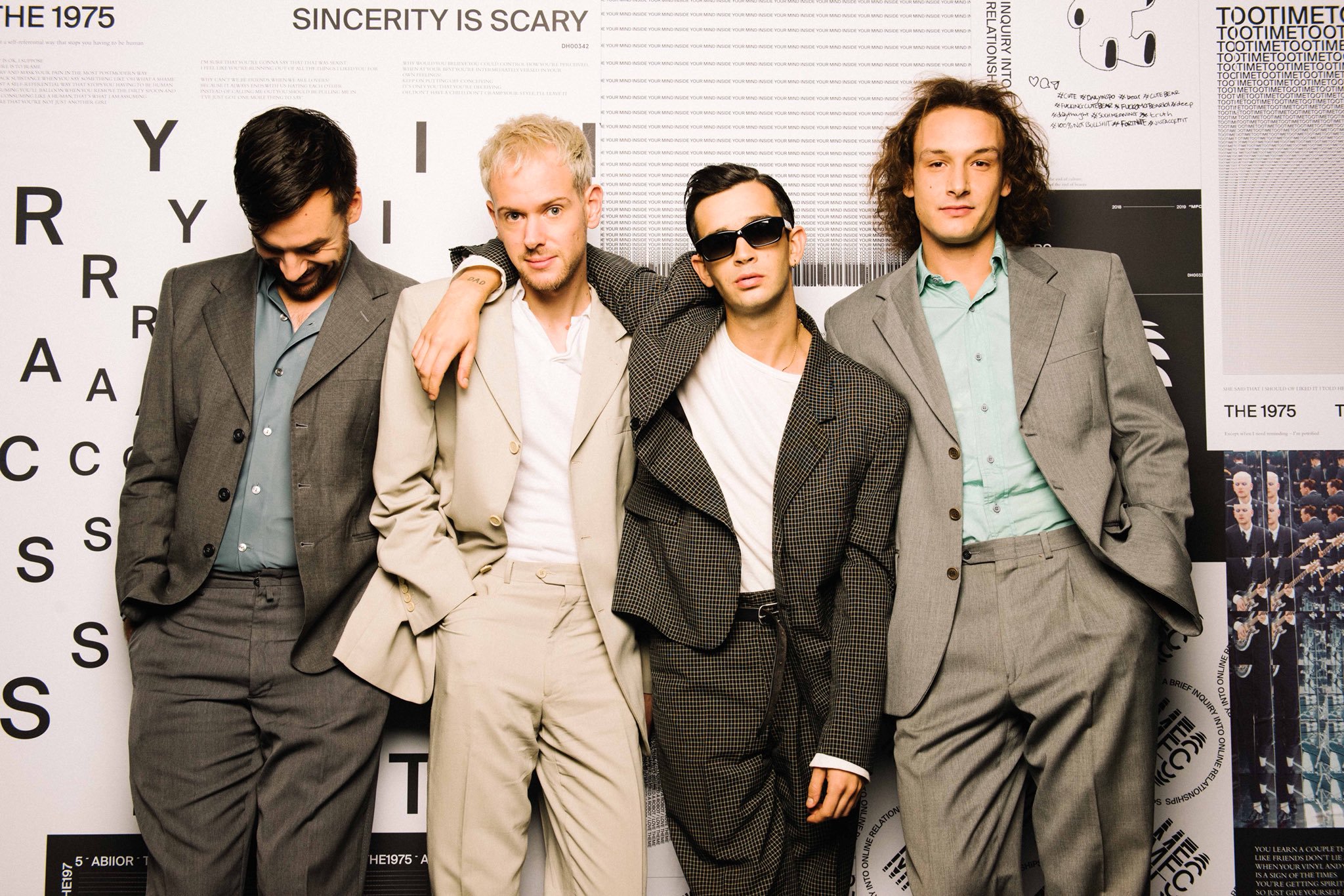
Each new album cycle for The 1975 is often accompanied by a subtle or significant shift in their visual aesthetic. This deliberate design evolution is a critical component of their brand strategy. Whether it’s the neon-drenched, almost hyperreal imagery of “A Brief Inquiry Into Online Relationships” or the more muted, introspective visuals of “Notes on a Conditional Form,” these aesthetic choices are carefully curated to reflect the sonic and thematic content of the music. This consistent yet adaptable visual language ensures that their brand remains fresh and intriguing, preventing stagnation and continually re-engaging their audience. It’s a form of sophisticated marketing that uses visual cues to communicate the essence of their latest artistic offering.
The 1975 as a Brand Phenomenon: Beyond Musical Classification
Ultimately, to ask “what genre is The 1975?” is to miss the larger picture. Their enduring success is not solely dependent on their musical output but on their masterful construction and ongoing evolution of a distinct and compelling brand. They have transcended simple genre categorization by becoming a cultural entity.
Cultivating a Dedicated Fanbase Through Authentic Connection
The 1975’s brand strategy is deeply rooted in fostering a sense of authentic connection with their fans. The band, particularly frontman Matty Healy, is known for his open and often raw engagement with his audience, both online and in person. This transparency, coupled with the relatable and often vulnerable themes in their music, creates a powerful bond. Fans don’t just listen to The 1975; they feel a sense of belonging to something larger. This personal branding of the band as relatable, intelligent, and artistically driven is a cornerstone of their sustained appeal. Their marketing efforts often focus on this genuine connection rather than purely transactional promotion.
The Power of Context: Branding in the Digital Age
In the digital age, brand identity is more fluid and pervasive than ever. The 1975 have adeptly navigated this landscape. Their social media presence is not just promotional; it’s an extension of their brand, offering insights into their creative process, personal thoughts, and even behind-the-scenes glimpses of their lives. This constant engagement, coupled with their willingness to be experimental and sometimes provocative, keeps them at the forefront of cultural conversations. This proactive approach to digital branding ensures they remain relevant and a topic of discussion, effectively maintaining their brand visibility without always relying on traditional marketing channels.
Strategic Genre as a Marketing Tool, Not a Limitation
The very question of their genre becomes a testament to their successful brand strategy. By resisting easy categorization, they have created a unique space for themselves in the music industry. They are not simply an indie band, not strictly pop, not purely alternative. They are “The 1975,” a brand that encompasses all these elements and more. This strategic ambiguity allows them to constantly reinvent themselves while retaining a core identity. Their genre-defying approach is, in itself, a powerful marketing tool, generating curiosity and discussion, and ensuring that their brand remains dynamic and perpetually interesting to both critics and consumers. They have effectively positioned themselves as a genre-agnostic entity, where the primary identifier is the band name itself, a hallmark of strong corporate identity in the music world.
Conclusion: The Art of Brand Longevity
The 1975’s journey is a compelling case study in brand strategy within the music industry. They have demonstrated that artistic integrity and commercial success can coexist through careful consideration of design, thoughtful marketing, and a deep understanding of brand identity. Their ability to evolve sonically and visually while maintaining a consistent core of thematic depth and authentic connection has cemented their place not just as a popular band, but as a lasting brand phenomenon. The question of their genre is less about a definitive musical label and more about recognizing the sophisticated and ever-evolving brand they have meticulously crafted, a testament to their strategic prowess in the modern cultural landscape.
aViewFromTheCave is a participant in the Amazon Services LLC Associates Program, an affiliate advertising program designed to provide a means for sites to earn advertising fees by advertising and linking to Amazon.com. Amazon, the Amazon logo, AmazonSupply, and the AmazonSupply logo are trademarks of Amazon.com, Inc. or its affiliates. As an Amazon Associate we earn affiliate commissions from qualifying purchases.